8% Off
Voricare200 mg
Delta Pharma Ltd.
৳460.00
Add to cart
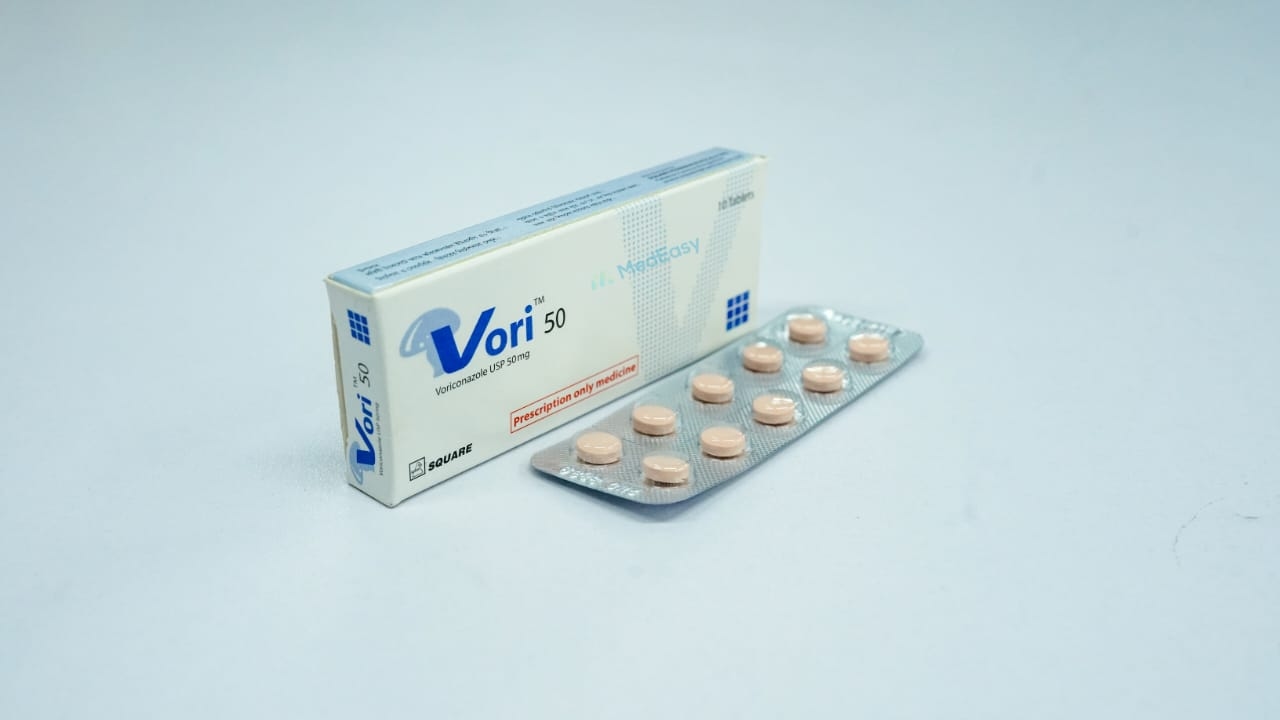
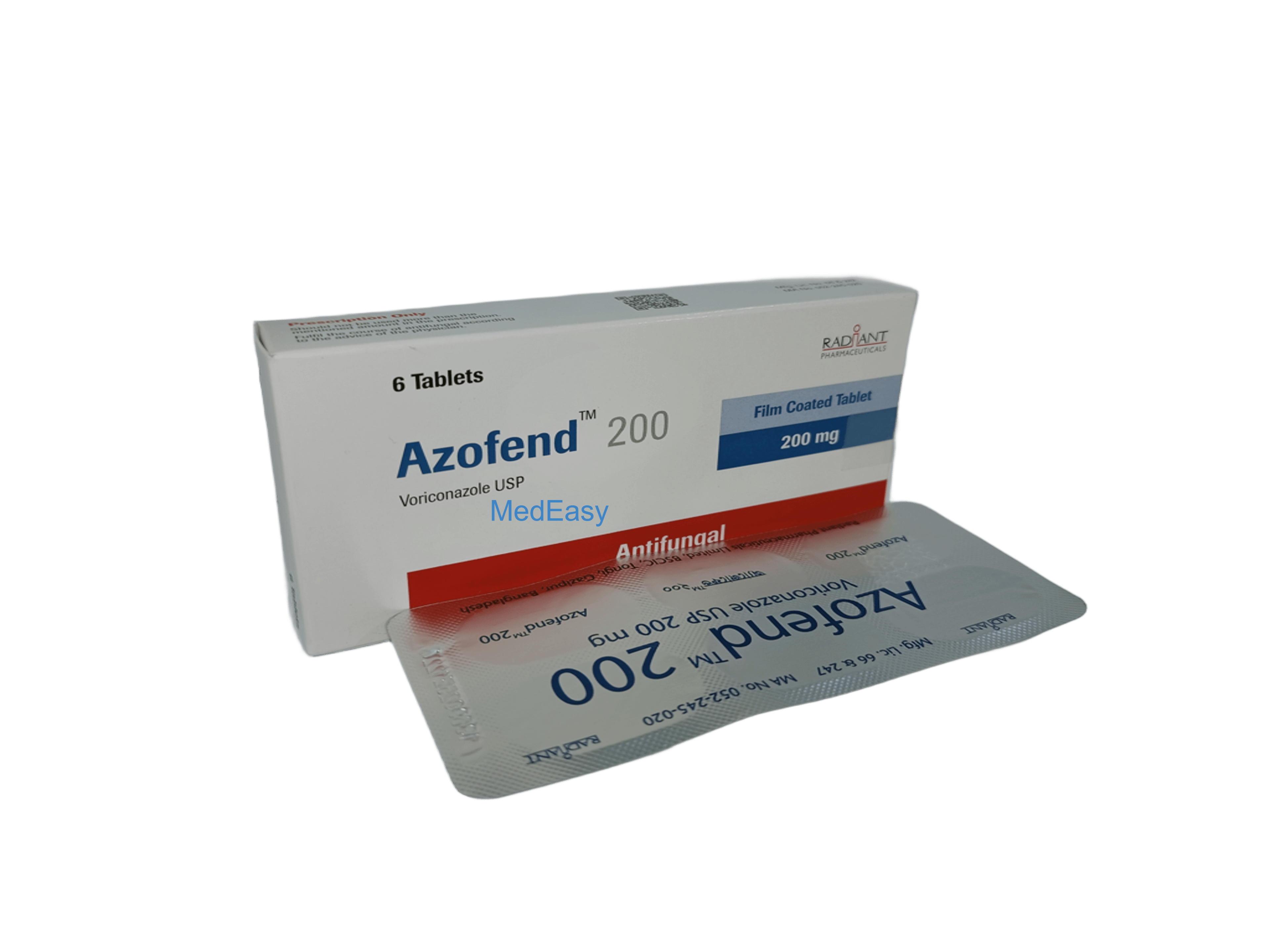
Voriconazole is a broad-spectrum triazole antifungal agent.
Voriconazole is a broad-spectrum triazole antifungal agent. Evidence-based indications include:
Voriconazole is not indicated for prophylaxis in patients with less profound immunosuppression and is not established for treatment of chronic disseminated candidiasis in non-neutropenic patients as a first-line option in all guidelines.
Dosing is weight-based (pediatric) or fixed-dose (adult, based on body weight threshold) and is typically started with a loading dose to rapidly reach steady-state concentrations, followed by a maintenance dose. Voriconazole tablets/suspension should be taken at least 1 hour before or 1 hour after a meal.
| Indication | Adult Dosing | Pediatric Dosing (2 to <12 yrs, or 12-14 yrs <50 kg) |
|---|---|---|
| Invasive aspergillosis, candidemia, Scedosporium/Fusarium infections | IV loading: 6 mg/kg every 12 hours for 24 hours; IV maintenance: 3-4 mg/kg every 12 hours; Oral maintenance: 200 mg every 12 hours (≥40 kg) or 100 mg every 12 hours (<40 kg) | IV loading: 9 mg/kg every 12 hours for 24 hours; IV maintenance: 8 mg/kg every 12 hours; Oral maintenance: 9 mg/kg every 12 hours (max 350 mg/dose) |
| Esophageal candidiasis | Oral: 200 mg every 12 hours (≥40 kg) or 100 mg every 12 hours (<40 kg) for a minimum of 14 days and at least 7 days after resolution of symptoms | IV: 4 mg/kg every 12 hours; Oral: 9 mg/kg every 12 hours (max 350 mg/dose) |
Patients aged 12 to 14 years weighing ≥50 kg, and all patients ≥15 years, should receive adult dosing.
In patients with moderate-to-severe renal impairment (creatinine clearance <50 mL/min), the IV formulation should be avoided if possible (due to accumulation of the SBECD vehicle) and the oral formulation used instead; no oral dose adjustment is required based on renal function alone.
In patients with mild-to-moderate hepatic cirrhosis (Child-Pugh Class A and B), the standard loading dose should be used, but the maintenance dose should be reduced by 50%. Voriconazole has not been studied in severe hepatic cirrhosis (Child-Pugh Class C) and should be used only if benefit outweighs risk, with close monitoring.
Antifungal stewardship: Take Voriconazole exactly as prescribed by your physician; do not stop, extend, skip doses, or share this medicine with others without medical advice, as inappropriate use may lead to treatment failure or resistant infections.
Common side effects of Voriconazole (may affect more than 1 in 10 people) include:
Less common but serious effects include severe hepatic reactions (hepatitis, jaundice, cholestasis, hepatic failure), QT prolongation and rare serious arrhythmias, severe skin reactions (Stevens-Johnson syndrome, toxic epidermal necrolysis), acute renal failure, and, with prolonged use, phototoxicity-related skin changes including risk of squamous cell skin cancer (see Precautions and Warnings).
Voriconazole is contraindicated in:
Disclaimer
The information provided is accurate to the best of our knowledge, but it does not replace professional medical advice. We cannot guarantee its completeness or accuracy, and the absence of specific information about a drug should not be taken as an endorsement. We are not responsible for any consequences arising from this information, so please consult a healthcare professional for any concerns or questions.