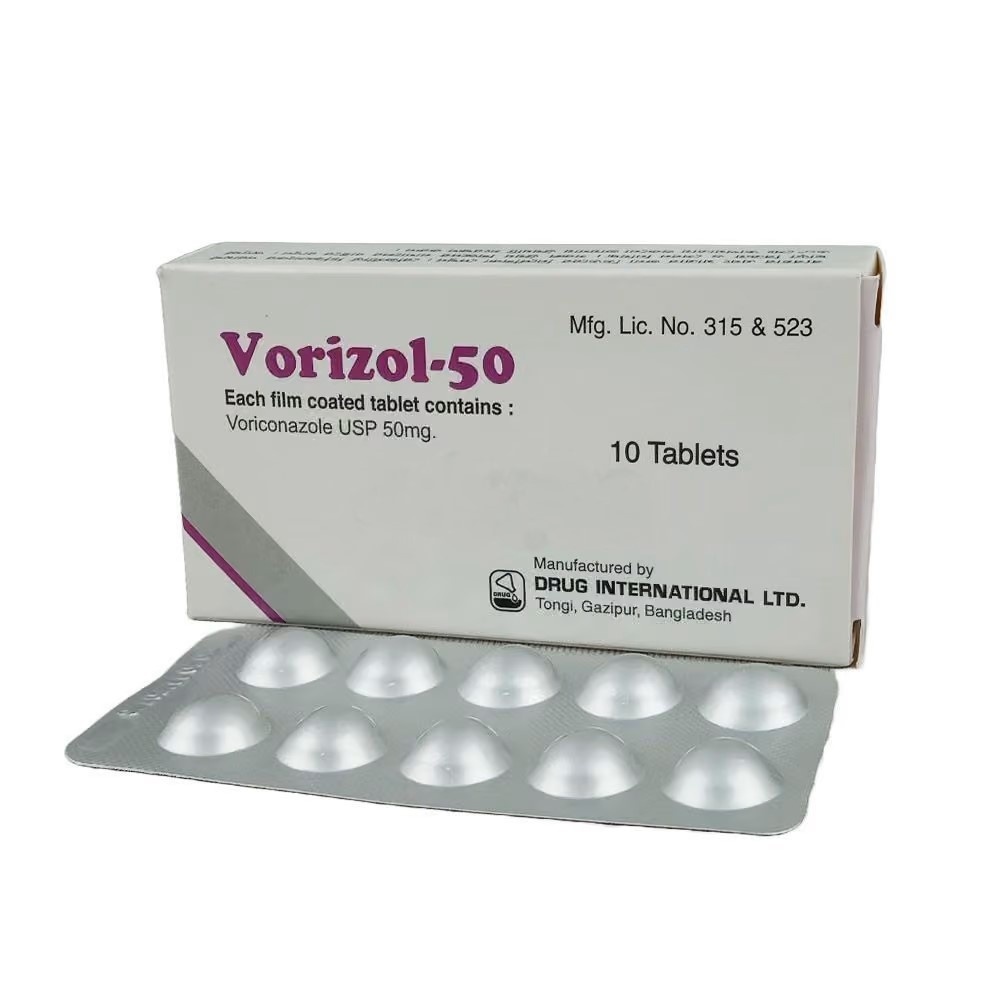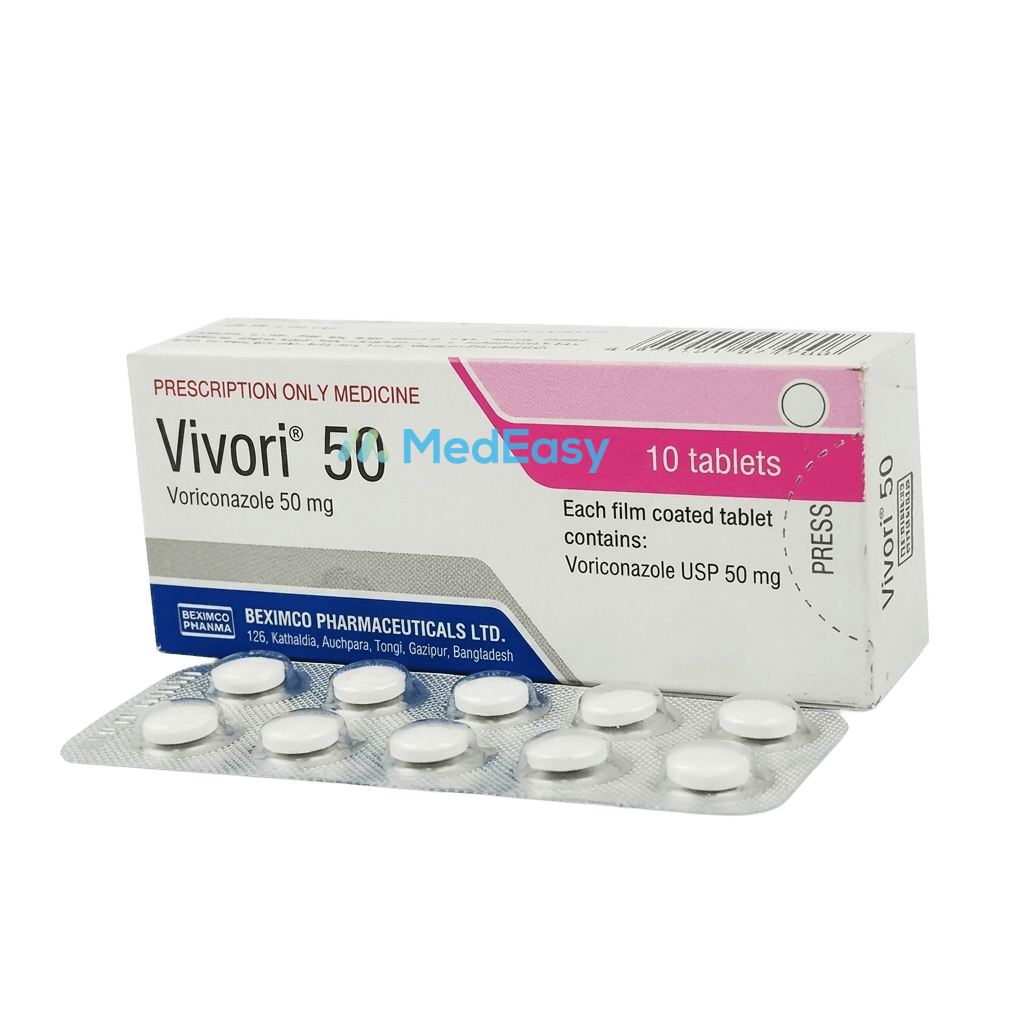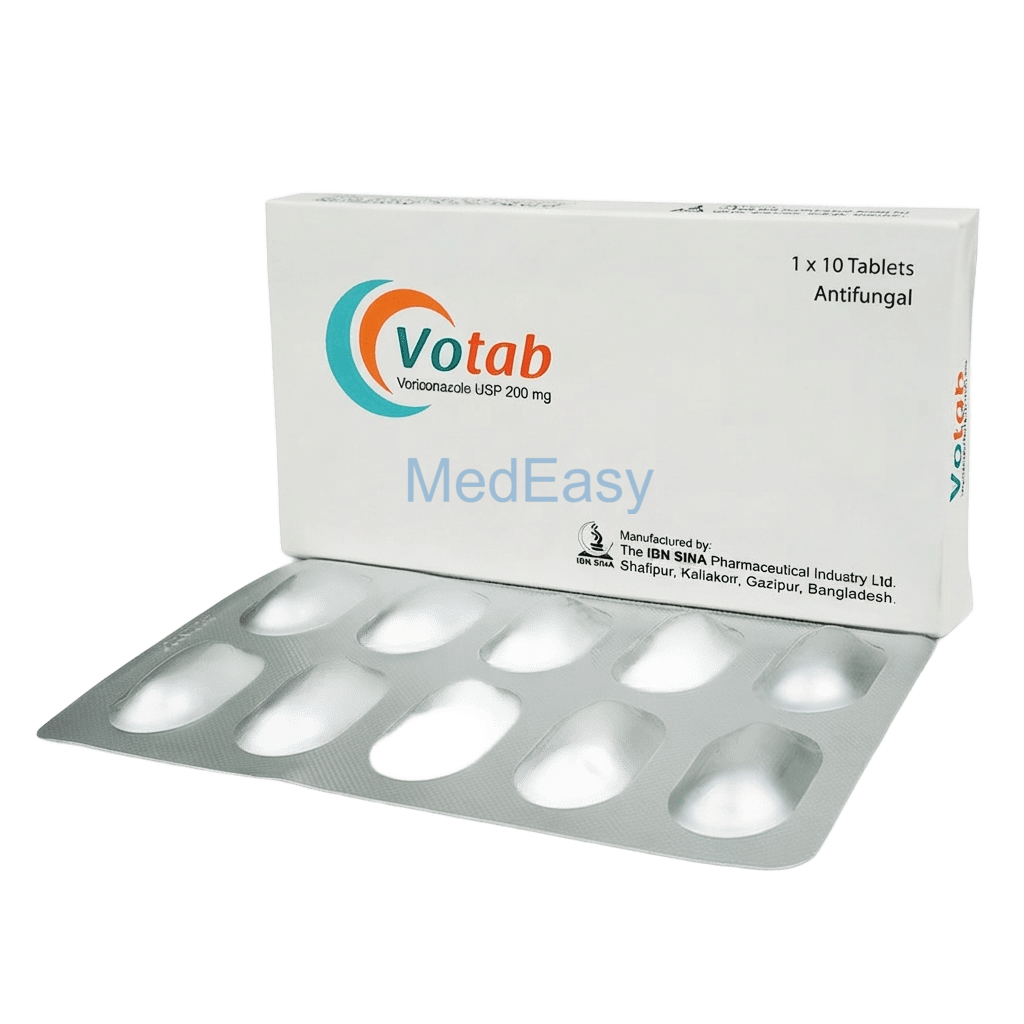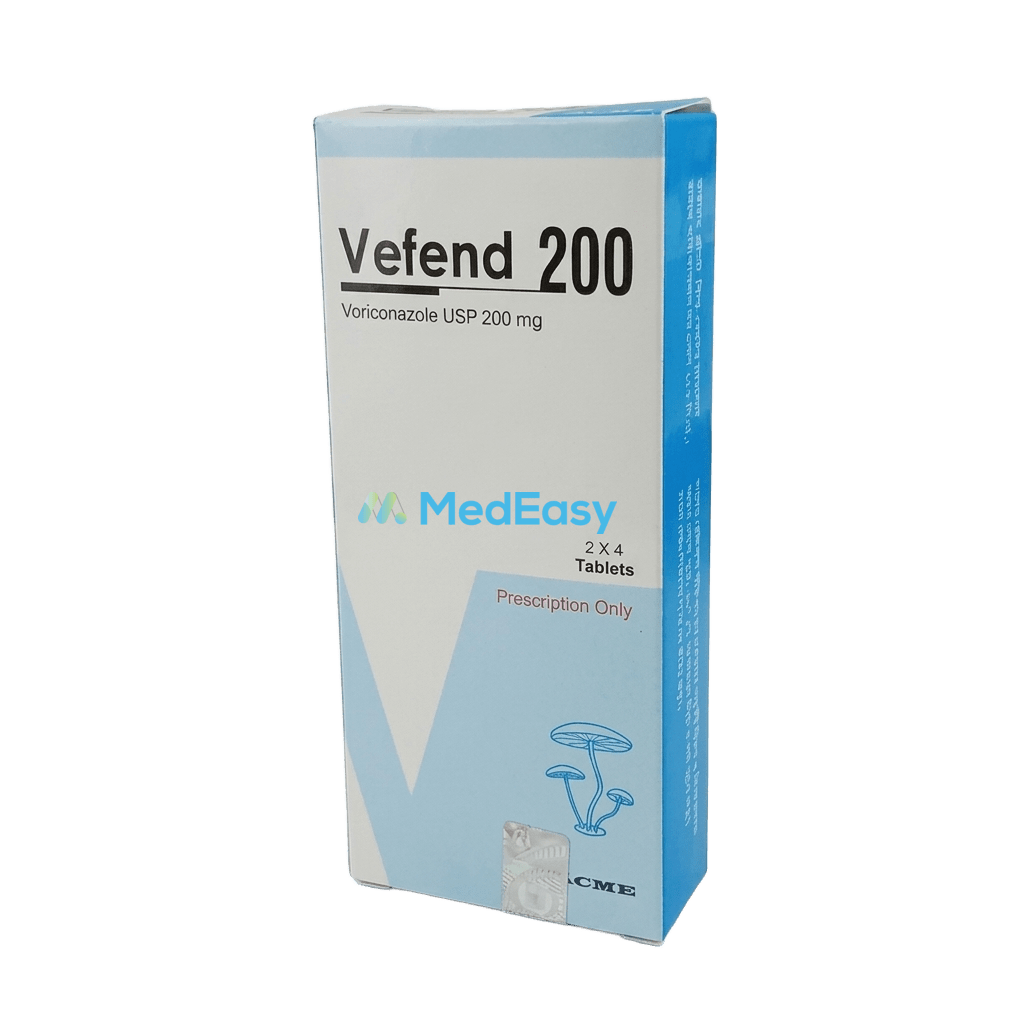
Generic medicine

Voriconazole: Brands, Price & Uses in Bangladesh

Voriconazole is a broad-spectrum triazole antifungal agent.

Forms:TabletIV Injection

About Voriconazole

Indications of Voriconazole

Voriconazole is a broad-spectrum triazole antifungal agent. Evidence-based indications include:

FDA-approved / established indications

  • Invasive aspergillosis - first-line treatment in adults and pediatric patients.
  • Candidemia in non-neutropenic patients and other deep tissue Candida infections (intra-abdominal abscess, peritonitis, kidney, bladder wall, and wound infections).
  • Esophageal candidiasis.
  • Serious fungal infections caused by Scedosporium apiospermum and Fusarium species, including Fusarium solani, in patients intolerant of or refractory to other therapy.

Guideline-supported / prophylactic use

  • Prophylaxis of invasive fungal infections in high-risk allogeneic hematopoietic stem cell transplant recipients, as recommended by infectious disease guidelines.

Voriconazole is not indicated for prophylaxis in patients with less profound immunosuppression and is not established for treatment of chronic disseminated candidiasis in non-neutropenic patients as a first-line option in all guidelines.

Dosage & Administration of Voriconazole

Dosing is weight-based (pediatric) or fixed-dose (adult, based on body weight threshold) and is typically started with a loading dose to rapidly reach steady-state concentrations, followed by a maintenance dose. Voriconazole tablets/suspension should be taken at least 1 hour before or 1 hour after a meal.

IndicationAdult DosingPediatric Dosing (2 to <12 yrs, or 12-14 yrs <50 kg)
Invasive aspergillosis, candidemia, Scedosporium/Fusarium infectionsIV loading: 6 mg/kg every 12 hours for 24 hours; IV maintenance: 3-4 mg/kg every 12 hours; Oral maintenance: 200 mg every 12 hours (≥40 kg) or 100 mg every 12 hours (<40 kg)IV loading: 9 mg/kg every 12 hours for 24 hours; IV maintenance: 8 mg/kg every 12 hours; Oral maintenance: 9 mg/kg every 12 hours (max 350 mg/dose)
Esophageal candidiasisOral: 200 mg every 12 hours (≥40 kg) or 100 mg every 12 hours (<40 kg) for a minimum of 14 days and at least 7 days after resolution of symptomsIV: 4 mg/kg every 12 hours; Oral: 9 mg/kg every 12 hours (max 350 mg/dose)

Patients aged 12 to 14 years weighing ≥50 kg, and all patients ≥15 years, should receive adult dosing.

Renal impairment

In patients with moderate-to-severe renal impairment (creatinine clearance <50 mL/min), the IV formulation should be avoided if possible (due to accumulation of the SBECD vehicle) and the oral formulation used instead; no oral dose adjustment is required based on renal function alone.

Hepatic impairment

In patients with mild-to-moderate hepatic cirrhosis (Child-Pugh Class A and B), the standard loading dose should be used, but the maintenance dose should be reduced by 50%. Voriconazole has not been studied in severe hepatic cirrhosis (Child-Pugh Class C) and should be used only if benefit outweighs risk, with close monitoring.

Antifungal stewardship: Take Voriconazole exactly as prescribed by your physician; do not stop, extend, skip doses, or share this medicine with others without medical advice, as inappropriate use may lead to treatment failure or resistant infections.

Side Effects of Voriconazole

Common side effects of Voriconazole (may affect more than 1 in 10 people) include:

  • Visual disturbances (blurred vision, photophobia, altered/enhanced color perception, "chromatopsia") - usually mild and transient, occurring shortly after dosing.
  • Fever, headache, nausea, vomiting, diarrhea, abdominal pain.
  • Elevated liver enzymes (see Precautions and Warnings for hepatotoxicity).
  • Rash and photosensitivity reactions.
  • Peripheral edema, chills.

Less common but serious effects include severe hepatic reactions (hepatitis, jaundice, cholestasis, hepatic failure), QT prolongation and rare serious arrhythmias, severe skin reactions (Stevens-Johnson syndrome, toxic epidermal necrolysis), acute renal failure, and, with prolonged use, phototoxicity-related skin changes including risk of squamous cell skin cancer (see Precautions and Warnings).

Contraindications of Voriconazole

Voriconazole is contraindicated in:

  • Patients with known hypersensitivity to Voriconazole or any component of the formulation.
  • Co-administration with CYP3A4 substrates terfenadine, astemizole, cisapride, pimozide, or quinidine, as increased plasma concentrations of these drugs can cause QT prolongation and torsades de pointes.
  • Co-administration with rifampin, rifabutin, carbamazepine, or long-acting barbiturates, as these significantly decrease Voriconazole plasma concentrations.
  • Co-administration with high-dose ritonavir (≥400 mg every 12 hours).
  • Co-administration with ergot alkaloids (ergotamine, dihydroergotamine), as Voriconazole may increase their plasma concentrations, causing ergotism.
  • Co-administration with sirolimus, due to markedly increased sirolimus levels.
  • Co-administration with St. John's Wort.

Frequently Asked Questions about Voriconazole

What is Voriconazole used for?

Voriconazole is a triazole antifungal medicine used to treat serious fungal infections such as invasive aspergillosis, candidemia and other Candida infections, esophageal candidiasis, and infections caused by Scedosporium and Fusarium species. It is also used to prevent fungal infections in certain high-risk patients, such as stem cell transplant recipients.

How should I take Voriconazole?

Voriconazole tablets or oral suspension should be taken at least 1 hour before or 1 hour after a meal, exactly as prescribed by your physician. Do not stop, extend, skip doses, or share this medicine with others without medical advice, and complete the full prescribed course even if you start feeling better.

Why does Voriconazole cause visual changes?

Voriconazole commonly causes temporary visual disturbances such as blurred vision, increased sensitivity to light, or altered color perception, usually starting within 30 minutes of a dose and improving over the first weeks of treatment. Because of this, avoid driving at night or performing hazardous tasks that require clear vision while these symptoms are present.

Does Voriconazole affect the liver?

Yes, Voriconazole can cause liver problems, including rare but serious hepatic injury. Your physician will typically check liver function tests before you start Voriconazole and periodically during treatment. Report any yellowing of the skin/eyes, unusual tiredness, or dark urine to your physician immediately.

Can I be in the sun while taking Voriconazole?

You should limit direct sun exposure while taking Voriconazole, as it can cause skin sensitivity to sunlight (phototoxicity). With long-term use (especially beyond 6 months), there is an increased risk of skin changes, including a rare risk of skin cancer. Use protective clothing and broad-spectrum sunscreen, and have your skin checked periodically if you are on long-term therapy.

Is Voriconazole safe during pregnancy?

Voriconazole can potentially harm a developing fetus and is generally avoided during pregnancy unless the potential benefit to the mother clearly outweighs the risk to the baby, as determined by a physician. Women who could become pregnant should use effective contraception while taking Voriconazole. Always consult your physician if you are pregnant, planning pregnancy, or breastfeeding.

Disclaimer

The information provided is accurate to the best of our knowledge, but it does not replace professional medical advice. We cannot guarantee its completeness or accuracy, and the absence of specific information about a drug should not be taken as an endorsement. We are not responsible for any consequences arising from this information, so please consult a healthcare professional for any concerns or questions.


DoctorBlogArticles