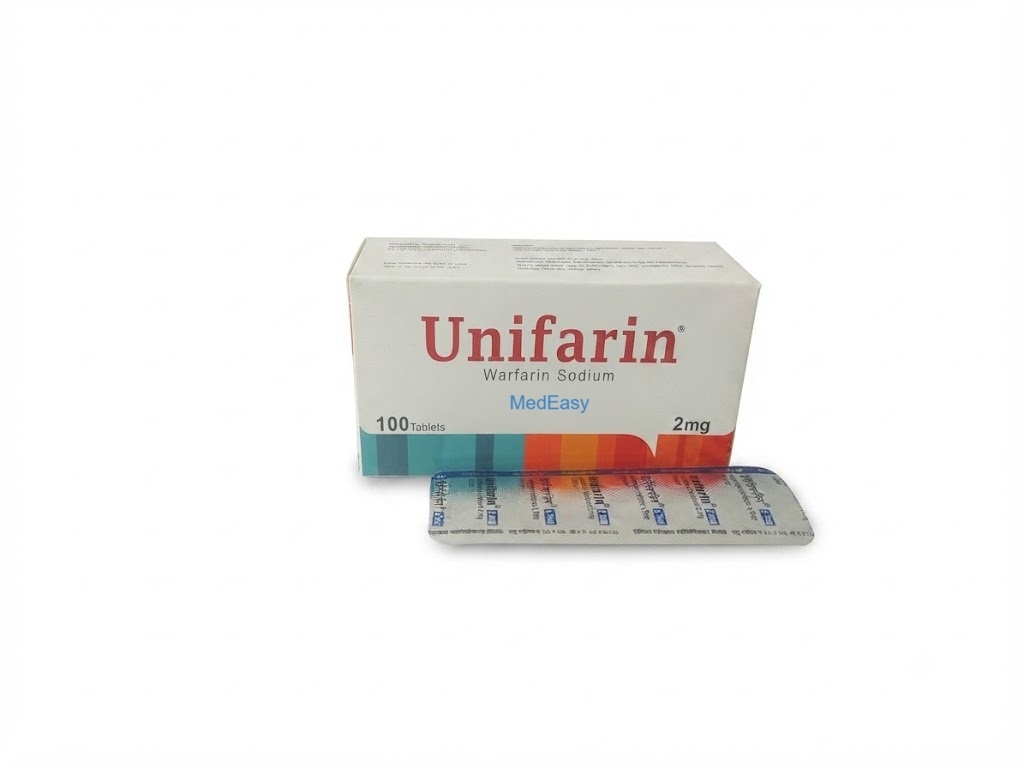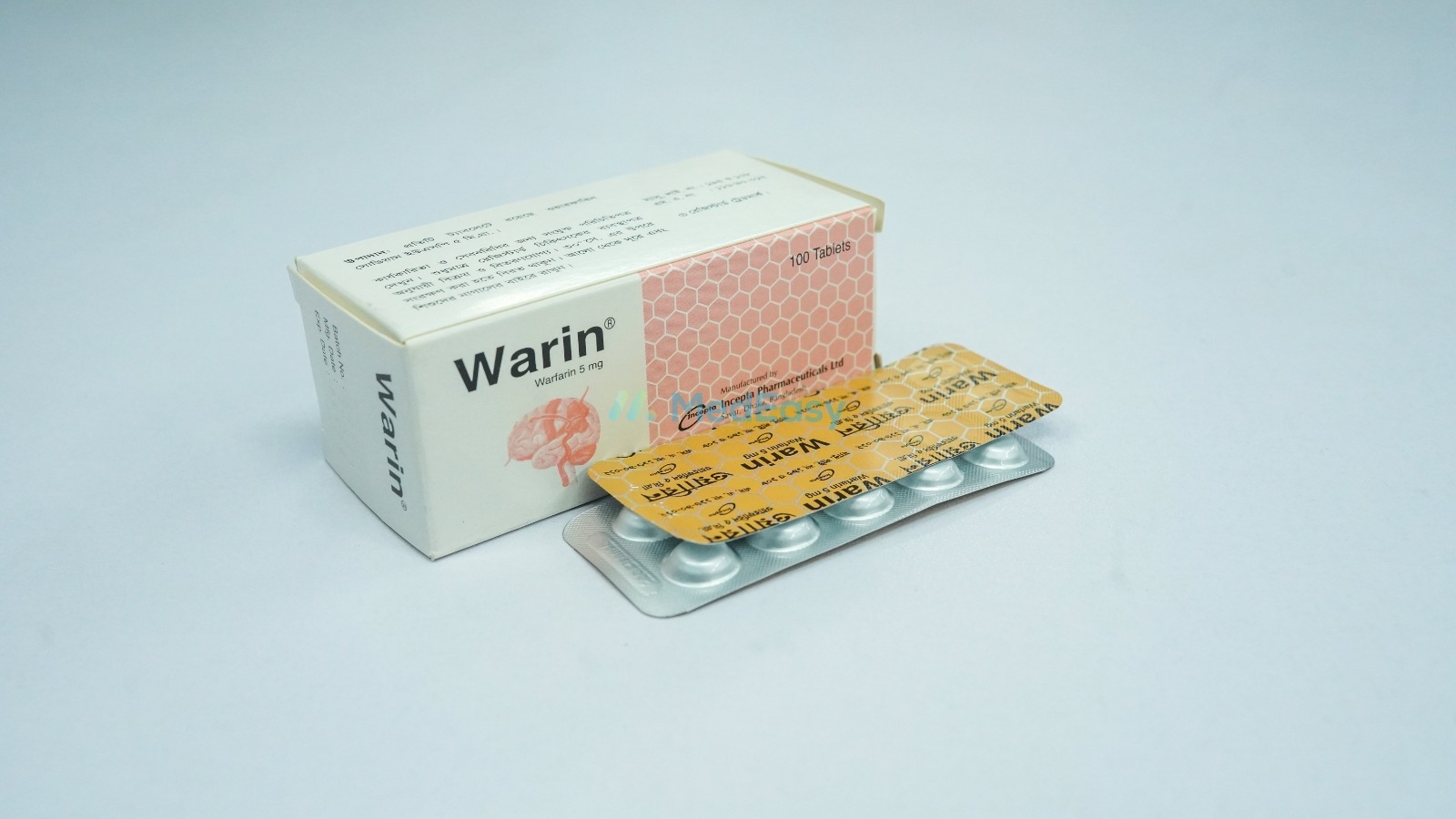
Generic medicine

Warfarin: Brands, Price & Uses in Bangladesh

Warfarin is a vitamin K antagonist anticoagulant used for the following established indications: Venous thromboembolism (VTE): Prophylaxis and treatment of deep vein thrombosis (DVT) and pulmonary…

Forms:Tablet

About Warfarin

Indications of Warfarin

Warfarin is a vitamin K antagonist anticoagulant used for the following established indications:

  • Venous thromboembolism (VTE): Prophylaxis and treatment of deep vein thrombosis (DVT) and pulmonary embolism (PE), and prevention of their recurrence and extension.
  • Atrial fibrillation: Prevention of thromboembolic complications (including stroke and systemic embolism) associated with non-valvular and valvular atrial fibrillation.
  • Mechanical and bioprosthetic heart valves: Prevention of thromboembolic complications associated with cardiac valve replacement.
  • Post-myocardial infarction: Reduction in the risk of death, recurrent myocardial infarction, and thromboembolic events such as stroke or systemic embolization following an MI (guideline-supported adjunct use in selected high-risk patients).

Warfarin is not used for immediate anticoagulation (e.g., acute VTE) on its own; it is typically overlapped with a fast-acting parenteral anticoagulant such as heparin or low molecular weight heparin until a therapeutic INR is achieved.

Dosage & Administration of Warfarin

Dosing of Warfarin is highly individualized and must be guided by regular International Normalized Ratio (INR) monitoring; there is no single fixed dose suitable for all patients.

IndicationTypical Adult Dosing Guidance
Initiation of therapy (most indications)Usual starting dose 2–5 mg once daily; lower starting doses (e.g., 2 mg or less) in elderly, debilitated, or hepatically impaired patients, or those at higher bleeding risk. Dose is then adjusted based on INR response, typically checked every 1–2 days initially.
Maintenance — VTE/PE, atrial fibrillation, valve diseaseUsual maintenance dose 2–10 mg once daily, individualized to a target INR range (commonly 2.0–3.0 for most indications; 2.5–3.5 for certain mechanical heart valves), as determined by the prescribing physician.
Post-myocardial infarctionIndividualized dosing to target INR as determined by cardiology guidance, generally as an adjunct to standard post-MI care.

Administration

  • Take by mouth once daily, at approximately the same time each day, with or without food.
  • Do not change the dose or stop treatment without consulting the prescribing physician.
  • Maintain a consistent, moderate intake of vitamin K-containing foods (e.g., leafy green vegetables) rather than avoiding them altogether, since sudden changes in vitamin K intake affect INR control.
  • Regular INR blood testing is essential throughout treatment to guide dose adjustments.
  • Inform every healthcare provider and dentist about Warfarin use before any procedure, surgery, or new medication (including over-the-counter drugs and herbal supplements).

Side Effects of Warfarin

The predominant and most important adverse effect of Warfarin is bleeding, which can range from minor to life-threatening.

  • Bleeding (most common and most serious): easy bruising, nosebleeds, bleeding gums, blood in urine or stool, heavy menstrual bleeding, and in severe cases, gastrointestinal or intracranial hemorrhage. Seek urgent medical care for any significant or unusual bleeding.
  • Skin/tissue necrosis: a rare but serious complication, usually occurring within the first days of therapy, more common in patients with protein C or protein S deficiency.
  • Purple toe syndrome: a rare complication causing painful, purplish discoloration of the toes due to cholesterol microembolization.
  • Other: nausea, transient hair loss (alopecia), rash, and hypersensitivity reactions have been reported uncommonly.

Contraindications of Warfarin

Warfarin is contraindicated in the following situations:

  • Known hypersensitivity to Warfarin or any component of the formulation.
  • Pregnancy, except in specific high-risk situations (e.g., patients with mechanical heart valves at high risk of thromboembolism) where use may be considered only under specialist obstetric/cardiology supervision, given the well-established risk of fetal harm ("fetal warfarin syndrome").
  • Active pathological bleeding or hemorrhagic tendencies (e.g., significant bleeding disorders, active gastrointestinal or genitourinary ulceration or bleeding, intracranial hemorrhage, or cerebral aneurysm).
  • Recent or contemplated surgery of the central nervous system or eye, or traumatic surgery resulting in large open wound surfaces.
  • Malignant (uncontrolled severe) hypertension.
  • Pericarditis or pericardial effusion, and bacterial endocarditis.
  • Threatened abortion, eclampsia, or pre-eclampsia.
  • Unsupervised patients with conditions associated with a high risk of non-compliance (e.g., unsupervised dementia, psychosis, or severe alcoholism), where safe monitoring cannot be assured.

Frequently Asked Questions about Warfarin

What is Warfarin used for?

Warfarin is an anticoagulant ("blood thinner") used to prevent and treat blood clots, including deep vein thrombosis and pulmonary embolism, and to reduce the risk of stroke or other clot-related complications in people with atrial fibrillation or mechanical heart valves, and after certain heart attacks.

Why do I need regular blood tests while taking Warfarin?

Warfarin has a narrow therapeutic index, meaning the difference between too little and too much effect is small. Regular INR (International Normalized Ratio) blood tests let your physician adjust your dose to keep your blood's clotting time in the safe, effective range and reduce the risk of bleeding or clotting.

Can I eat leafy green vegetables while on Warfarin?

Yes, but try to keep your intake of vitamin K-containing foods, such as leafy green vegetables, fairly consistent from week to week rather than avoiding them or eating large, changing amounts, since sudden changes can affect how Warfarin works and alter your INR.

Is Warfarin safe during pregnancy or breastfeeding?

Warfarin is contraindicated in pregnancy in almost all situations because it is a well-established cause of fetal harm, with a rare exception for certain patients with mechanical heart valves managed strictly under specialist care. It is generally considered compatible with breastfeeding, as it does not pass into breast milk in significant amounts, but you should still consult your physician before breastfeeding while taking this medicine.

What should I do if I notice unusual bruising or bleeding while on Warfarin?

Unusual or excessive bruising, nosebleeds, bleeding gums, blood in urine or stool, or any unexplained bleeding while taking Warfarin should be reported to your physician promptly, and severe or uncontrolled bleeding requires immediate emergency medical attention, since bleeding is the most important safety risk of this medicine.

Can I take other medicines, including over-the-counter drugs, with Warfarin?

Many medicines — including common painkillers like NSAIDs and aspirin, several antibiotics, amiodarone, and even some herbal supplements — can significantly increase or decrease the effect of Warfarin. Always tell every doctor, dentist, and pharmacist that you are taking Warfarin before starting, stopping, or changing any other medicine or supplement.

Disclaimer

The information provided is accurate to the best of our knowledge, but it does not replace professional medical advice. We cannot guarantee its completeness or accuracy, and the absence of specific information about a drug should not be taken as an endorsement. We are not responsible for any consequences arising from this information, so please consult a healthcare professional for any concerns or questions.
DoctorBlogArticles