Generic medicine

Zinc Oxide: Brands, Price & Uses in Bangladesh

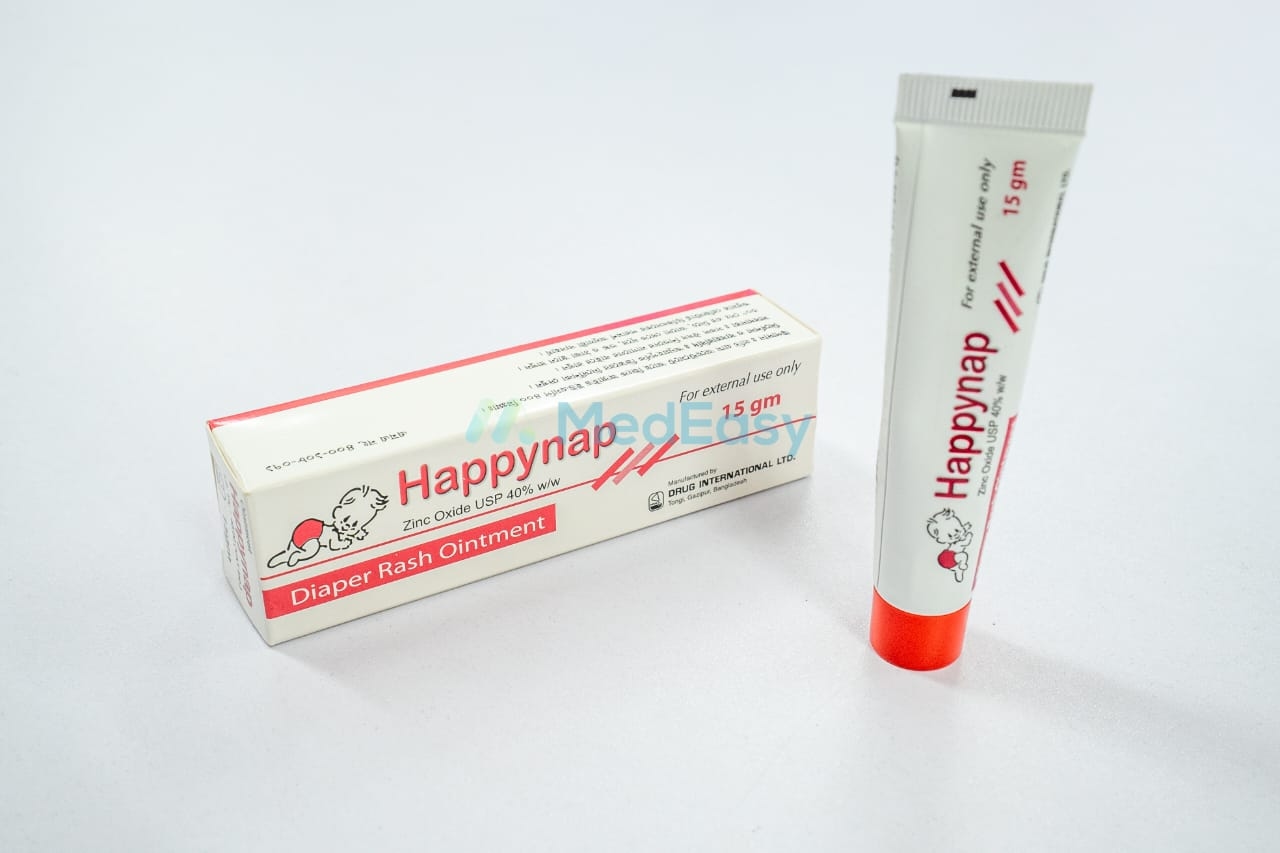
Zinc Oxide is a topical skin protectant and mild astringent used for the following indications, classified by strength of evidence: Established / OTC-monograph indications Diaper rash — treatment…

Forms:Ointment

About Zinc Oxide

Indications of Zinc Oxide

Zinc Oxide is a topical skin protectant and mild astringent used for the following indications, classified by strength of evidence:

Established / OTC-monograph indications

  • Diaper rash — treatment and prevention of diaper dermatitis in infants and young children by forming a physical barrier against moisture, urine, and stool.
  • Minor skin irritations — protection and symptomatic relief of chafed or irritated skin, minor cuts, scrapes, and minor burns.
  • Poison ivy, oak, and sumac exposure — used as a drying agent to help dry the oozing and weeping caused by these plants.

Adjunct / other approved uses

  • Physical (mineral) sunscreen ingredient — in combination sunscreen formulations, Zinc Oxide acts as a broad-spectrum UV-A/UV-B physical blocker.
  • General skin-protectant use — as an ingredient in barrier creams, ointments, and pastes intended to protect skin from external irritants and moisture.

Other/niche uses

Zinc Oxide is also used in some ophthalmic and dermatological preparations and topical pastes (e.g., calamine-type formulations) for its mild astringent and protective properties. These niche uses are formulation-specific and should follow product labeling.

Dosage & Administration of Zinc Oxide

For diaper rash (infants and children)

Clean and thoroughly dry the diaper area. Apply Zinc Oxide ointment/cream liberally to the affected area with each diaper change, especially at bedtime or whenever exposure to a wet diaper may be prolonged.

For minor skin irritation, minor burns, or cuts

Clean the affected area and apply Zinc Oxide ointment/cream as a thin to liberal layer, as often as necessary, to the affected skin.

For poison ivy, oak, or sumac exposure

Apply Zinc Oxide liberally to the affected area as needed to help dry oozing or weeping skin.

As a sunscreen ingredient

Apply the Zinc Oxide-containing sunscreen product generously to exposed skin before sun exposure, and reapply as directed on the specific product label (typically every 2 hours, or after swimming/sweating/towel-drying).

IndicationTypical strengthFrequency
Diaper rash10–40%With every diaper change
Minor cuts/burns/irritation10–20%As often as necessary
Poison ivy/oak/sumac10–20%As needed for oozing/weeping
SunscreenVariable (combination product)Before sun exposure; reapply per label

For external use only. Do not apply to deep or puncture wounds, animal bites, or serious burns without medical advice (see Precautions).

Side Effects of Zinc Oxide

Zinc Oxide is generally very well tolerated when used topically as directed, with minimal systemic absorption.

  • Mild, local skin irritation, dryness, or a transient stinging sensation at the site of application (uncommon).
  • Allergic contact dermatitis or hypersensitivity reaction (rare) — see Contraindications.

Serious adverse effects are rare with topical use. Discontinue use and seek medical advice if a rash, worsening irritation, or signs of infection develop.

Contraindications of Zinc Oxide

Zinc Oxide is contraindicated in patients with known hypersensitivity to Zinc Oxide or to any component of the specific formulation.

Frequently Asked Questions about Zinc Oxide

What is Zinc Oxide used for?

Zinc Oxide is a topical skin protectant most commonly used to prevent and treat diaper rash in infants, protect and soothe minor skin irritations, cuts, and minor burns, help dry oozing skin from poison ivy/oak/sumac exposure, and act as a physical sunscreen ingredient in some products.

Is Zinc Oxide safe for babies?

Yes. Zinc Oxide is one of the most established and widely used ingredients for diaper rash prevention and treatment in infants, including newborns, when used topically as directed at standard concentrations. Keep it away from the eyes and do not allow the infant to ingest it.

Can Zinc Oxide be used during pregnancy or breastfeeding?

Zinc Oxide used topically has minimal systemic absorption, but it should still be used during pregnancy or breastfeeding only if clearly needed and applied as directed to intact skin, with the potential benefit justifying any theoretical risk to the fetus or infant. Avoid the nipple/areola area before nursing unless the product is specifically labeled for that use. Consult a physician or pharmacist if you have concerns.

What are the side effects of Zinc Oxide?

Zinc Oxide is generally very well tolerated. Occasionally it may cause mild local skin irritation, dryness, or stinging at the application site. Allergic contact dermatitis is rare. Stop use and see a doctor if a rash, worsening irritation, or signs of infection develop.

Who should not use Zinc Oxide?

Anyone with a known hypersensitivity (allergy) to Zinc Oxide or to any other component of the specific product should not use it. This is the only true absolute contraindication.

What should I do if Zinc Oxide is accidentally swallowed?

If a significant amount of a Zinc Oxide product is swallowed, or if signs of an unexpected or allergic reaction occur, seek immediate medical attention or contact a poison control center right away rather than treating it at home.

Disclaimer

The information provided is accurate to the best of our knowledge, but it does not replace professional medical advice. We cannot guarantee its completeness or accuracy, and the absence of specific information about a drug should not be taken as an endorsement. We are not responsible for any consequences arising from this information, so please consult a healthcare professional for any concerns or questions.

DoctorBlogArticles