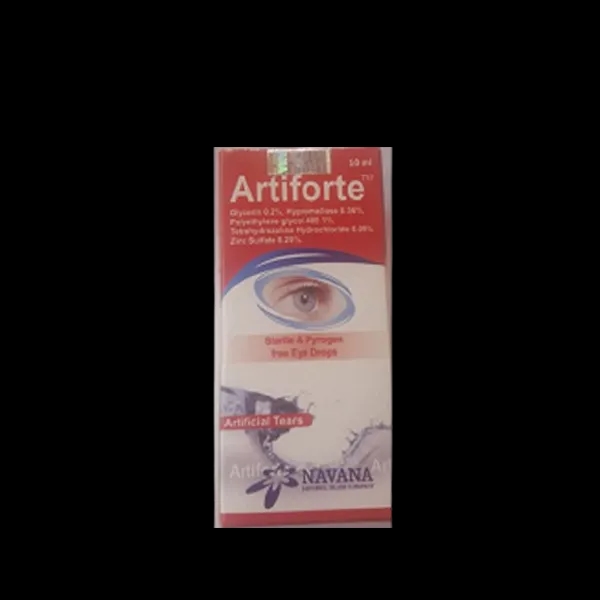
Generic medicine

Zinc Sulfate: Brands, Price & Uses in Bangladesh

Zinc Sulfate is a mineral salt supplement used for the following indications: Established / Guideline-Supported Uses Treatment and prevention of zinc deficiency — dietary or condition-related zinc…

Forms:Ophthalmic Solution

About Zinc Sulfate

Indications of Zinc Sulfate

Zinc Sulfate is a mineral salt supplement used for the following indications:

Established / Guideline-Supported Uses

  • Treatment and prevention of zinc deficiency — dietary or condition-related zinc deficiency, including malabsorption syndromes, chronic diarrhea, malnutrition, and certain gastrointestinal or liver diseases.
  • Adjunct management of acute diarrhea in children — recommended by the World Health Organization (WHO) alongside oral rehydration therapy (ORT) to reduce the duration and severity of the current diarrheal episode and lower the risk of recurrence over the following 2-3 months. Zinc Sulfate is not a substitute for oral rehydration therapy and is used only as an adjunct to it.

General / Supplemental Use

  • General nutritional supplementation in individuals with inadequate dietary zinc intake or increased physiological requirements (e.g., pregnancy), as directed by a physician or per approved dietary supplement labeling.

Dosage & Administration of Zinc Sulfate

Dosing of Zinc Sulfate is expressed in terms of elemental zinc and should be individualized by indication and age.

IndicationPopulationTypical Dose (elemental zinc)
Acute diarrhea (adjunct to ORT)Infants under 6 months10 mg once daily for 10-14 days
Acute diarrhea (adjunct to ORT)Children 6 months to 5 years20 mg once daily for 10-14 days
Zinc deficiency (treatment)AdultsTypically 25-50 mg elemental zinc daily in divided doses, as directed by a physician, based on severity of deficiency
General nutritional supplementationAdultsAs per product labeling or physician recommendation, typically once daily

Zinc Sulfate is best given on an empty stomach (1 hour before or 2 hours after meals) for optimal absorption; if gastric upset occurs, it may be taken with a small amount of food, which may modestly reduce absorption. See Administration below and Interactions for guidance on spacing doses from other medicines.

Side Effects of Zinc Sulfate

Common side effects of Zinc Sulfate include:

  • Nausea, vomiting, gastric irritation, and abdominal cramps (more common on an empty stomach or at higher doses)
  • Diarrhea or constipation
  • Metallic or unpleasant taste
  • Headache

Less common, and generally associated with prolonged high-dose use: copper deficiency (which may cause sideroblastic anemia and neurological effects), reduced HDL cholesterol, and paradoxically impaired immune function with excessive intake. See Precautions and Warnings and Overdose Effects for further detail.

Contraindications of Zinc Sulfate

Zinc Sulfate is contraindicated in patients with known hypersensitivity to zinc salts or to any component of the specific formulation.

Frequently Asked Questions about Zinc Sulfate

What is Zinc Sulfate used for?

Zinc Sulfate is used to treat and prevent zinc deficiency and, in children, as an adjunct to oral rehydration therapy for acute diarrhea, as recommended by the World Health Organization.

Can Zinc Sulfate be taken with antibiotics?

Zinc Sulfate can reduce the absorption of tetracycline and fluoroquinolone antibiotics if taken at the same time. Separate dosing by at least 2 hours, and consult your physician or pharmacist for guidance specific to your antibiotic.

Is Zinc Sulfate safe during pregnancy?

At standard recommended doses, Zinc Sulfate is generally considered acceptable during pregnancy and is often part of prenatal nutritional supplementation, but it should be used only as directed by a physician, since doses above recommended levels may affect copper and iron status.

What are the common side effects of Zinc Sulfate?

Common side effects of Zinc Sulfate include nausea, gastric irritation, abdominal cramps, and an unpleasant taste, especially when taken on an empty stomach.

Can I take Zinc Sulfate long-term at high doses?

Prolonged high-dose use of Zinc Sulfate without adequate copper intake can cause copper deficiency and related anemia or neurological effects. Long-term high-dose use of Zinc Sulfate should be supervised by a physician.

What should I do if I take too much Zinc Sulfate?

If an overdose of Zinc Sulfate is suspected, seek immediate medical attention or contact a poison control center rather than attempting home treatment.

Disclaimer

The information provided is accurate to the best of our knowledge, but it does not replace professional medical advice. We cannot guarantee its completeness or accuracy, and the absence of specific information about a drug should not be taken as an endorsement. We are not responsible for any consequences arising from this information, so please consult a healthcare professional for any concerns or questions.

DoctorBlogArticles