Quick answer: An antiseptic is made for living skin; a disinfectant is made for floors, toilets and objects and should never touch skin. For a minor cut, clean running water is the first-line cleanser and antiseptic is optional. If you use Dettol, dilute it exactly as the pack says and never pour it neat into a wound. Alcohol pads and hand sanitiser are for intact skin, not open wounds.
What is the difference between an antiseptic and a disinfectant?
Both kill or slow germs, but for different places. An antiseptic (diluted chloroxylenol, povidone-iodine, chlorhexidine, or alcohol at the right strength) is tolerated by living tissue, so it can go on skin. A disinfectant (bleach, floor and toilet cleaners) is for hard surfaces and too harsh for skin, mouth or wounds. Dettol liquid is both, at different dilutions, so the label matters more than the brand. The range is on MedEasy's antiseptics and disinfectant liquids page.
Which antiseptic is used for what? A quick comparison
| Product | Used for | Not for / caution |
|---|---|---|
| Chloroxylenol liquid (Dettol, 4.8% w/v) | Minor wounds and skin, diluted as the pack says; floors at the household dilution | Never undiluted on skin; not on eczema; pack says not under 1 year |
| Isopropyl or ethyl alcohol 60–90% (alcohol pads, spirit, sanitiser) | Intact skin before injections; thermometers, tweezers; hands | Not inside wounds or on broken skin; flammable |
| Povidone-iodine 10% solution / 5% ointment | Wound edges and skin preparation; small cuts, scrapes and minor burns, 1–3 times daily | Not for deep or puncture wounds, animal bites, serious burns, large areas, or beyond 1 week without a doctor; iodine allergy |
| Chlorhexidine (often with cetrimide; Savlon-type liquids) | Skin and minor wound cleansing, diluted as labelled | Keep out of eyes and ears |
| Hydrogen peroxide 3% | Little role in home first aid | Not for wound cleaning; Mayo Clinic says it irritates |
| Household bleach | Hard surfaces only, diluted per label | Never on skin or wounds; never mixed with other cleaners (toxic gas) |
Viodin 10% solution and 5% ointment are on MedEasy's Povidone Iodine generic page, which advises asking a doctor first in thyroid disease, pregnancy, newborns and large wounds, as absorbed iodine can affect the thyroid.
How do I dilute Dettol correctly for wounds, bathing and floors?
Dettol contains chloroxylenol 4.8% w/v. The pack says: “Always dilute before use” and “Never apply undiluted to skin.”
For a minor cut or graze
The Dettol Liquid 500 ml pack says: wash the area with one tablespoonful of Dettol diluted in half a pint of warm water (about 280 ml), then cover with dry gauze or lint. That is roughly 1 part in 20. The Dettol Liquid 100 ml page gives the same 1:20 dilution as about one capful in 400–600 ml of water; cap sizes vary, so check your own pack. The milky colour is normal.
For bathing and for floors
The MedEasy pages give only the wound dilution, so for bathing follow the personal-hygiene line on your bottle, never add it “by eye”, and rinse afterwards. The pack says not on eczema and not under 1 year; the 100 ml pack adds not in pregnancy or breastfeeding without a doctor's supervision. Floors need a far weaker mix per litre: follow the household line on the label, clean visible dirt first, and ventilate. The 500 ml page carries a 750 ml title in places, so check the pack size on arrival.
Why is clean water the first choice for cleaning a wound?
What the evidence says
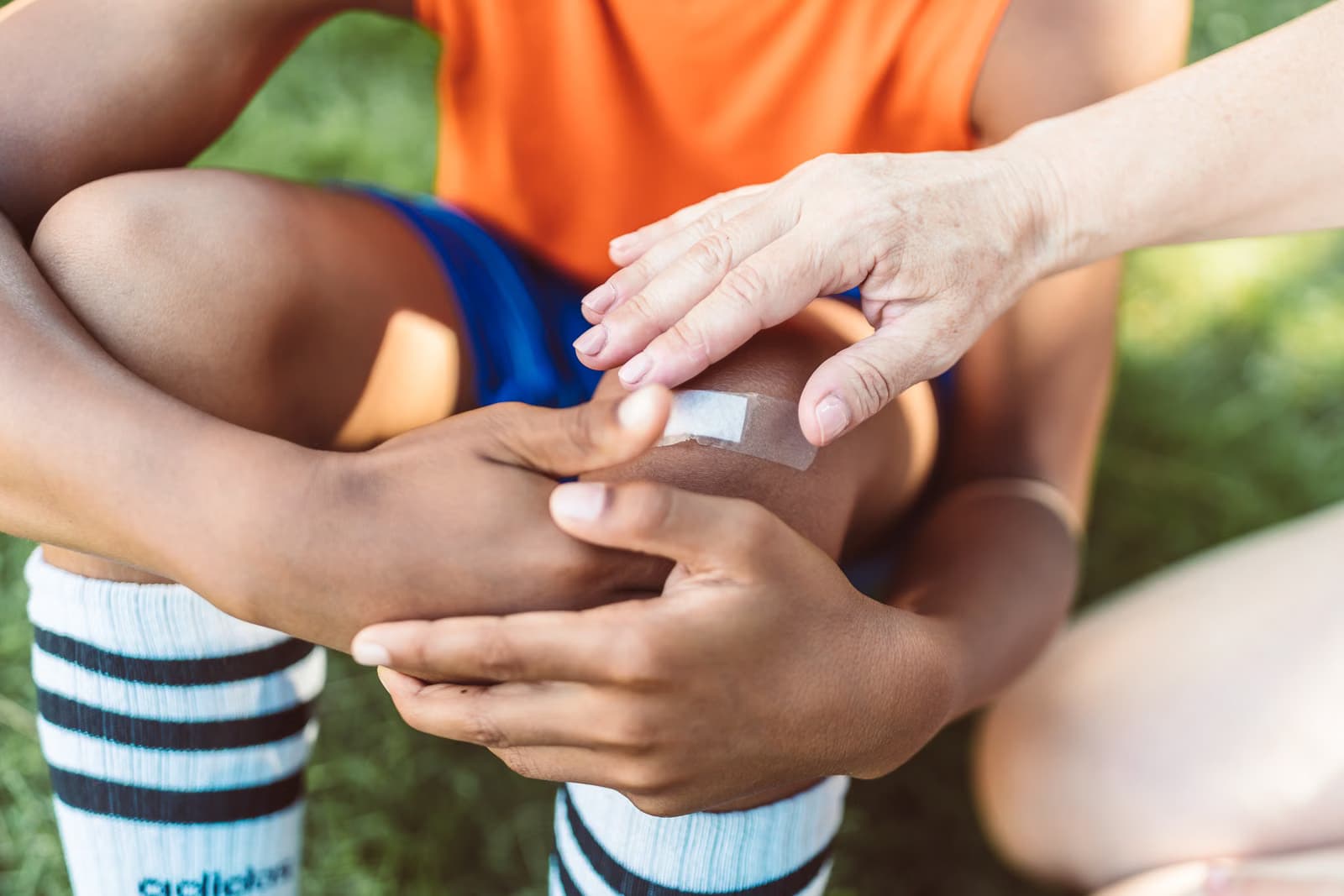
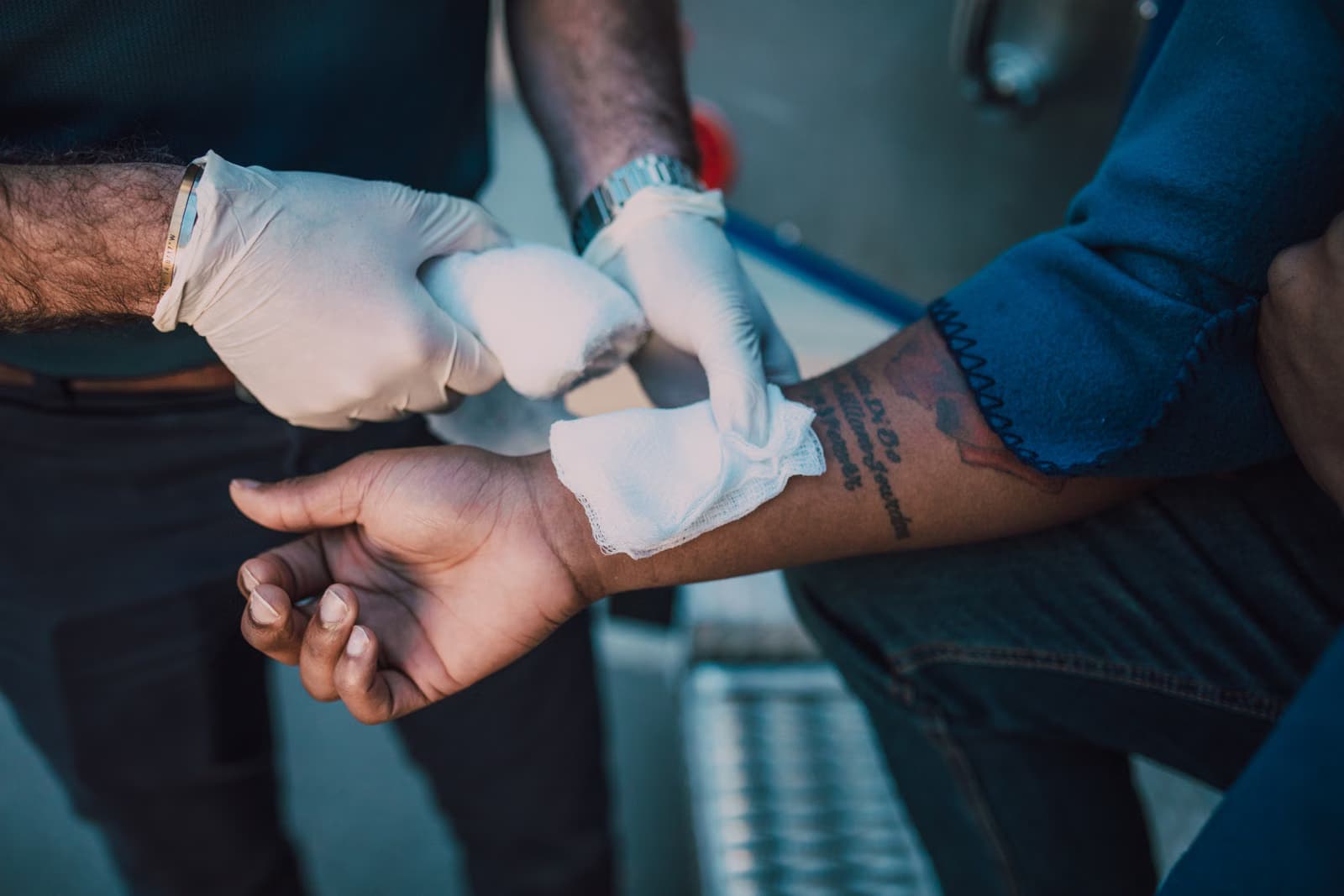
- Good evidence: the NHS steps for a cut or graze are to rinse the wound with bottled or tap water, pat dry with a gauze swab, clean the surrounding skin with soap and water, and apply a sterile plaster; there is no antiseptic step. Mayo Clinic adds: avoid hydrogen peroxide and iodine inside the wound because they irritate.
- Limited evidence: antiseptics on a clean minor wound. Povidone-iodine is labelled to help prevent infection in minor cuts, scrapes and burns (DailyMed label), but a clean minor cut usually heals well with water and a dressing.
- Traditional use only: turmeric, lime, ash, kerosene or tobacco in a wound. No benefit; real risk of infection and tetanus.
In Bangladesh tap water is often unsafe, so rinse with boiled-and-cooled or bottled water. Do not put cotton wool directly on a wound; the fibres stick.
What are alcohol pads for, and when should I not use them?
Alcohol pads are small wipes soaked in 70% isopropyl alcohol. The CDC disinfection guideline notes that alcohol works best at 60–90%, is used on thermometers and small surfaces, and is flammable.
Good uses: skin before an injection or glucose finger-prick (let it dry); thermometer tips and tweezers; intact skin around a wound.
Not for: inside a wound or on broken skin. The Alcohol Pad (100 pcs) pack says “Do not use on open wounds or irritated skin”, and the JMI Alcohol Prep Pad pack says do not use on broken skin or open wounds unless a healthcare professional directs you to. Also not for burns or eyes. Air-dry a few seconds, use each pad once, and store away from flame.
Hand sanitiser or soap and water: which is better?
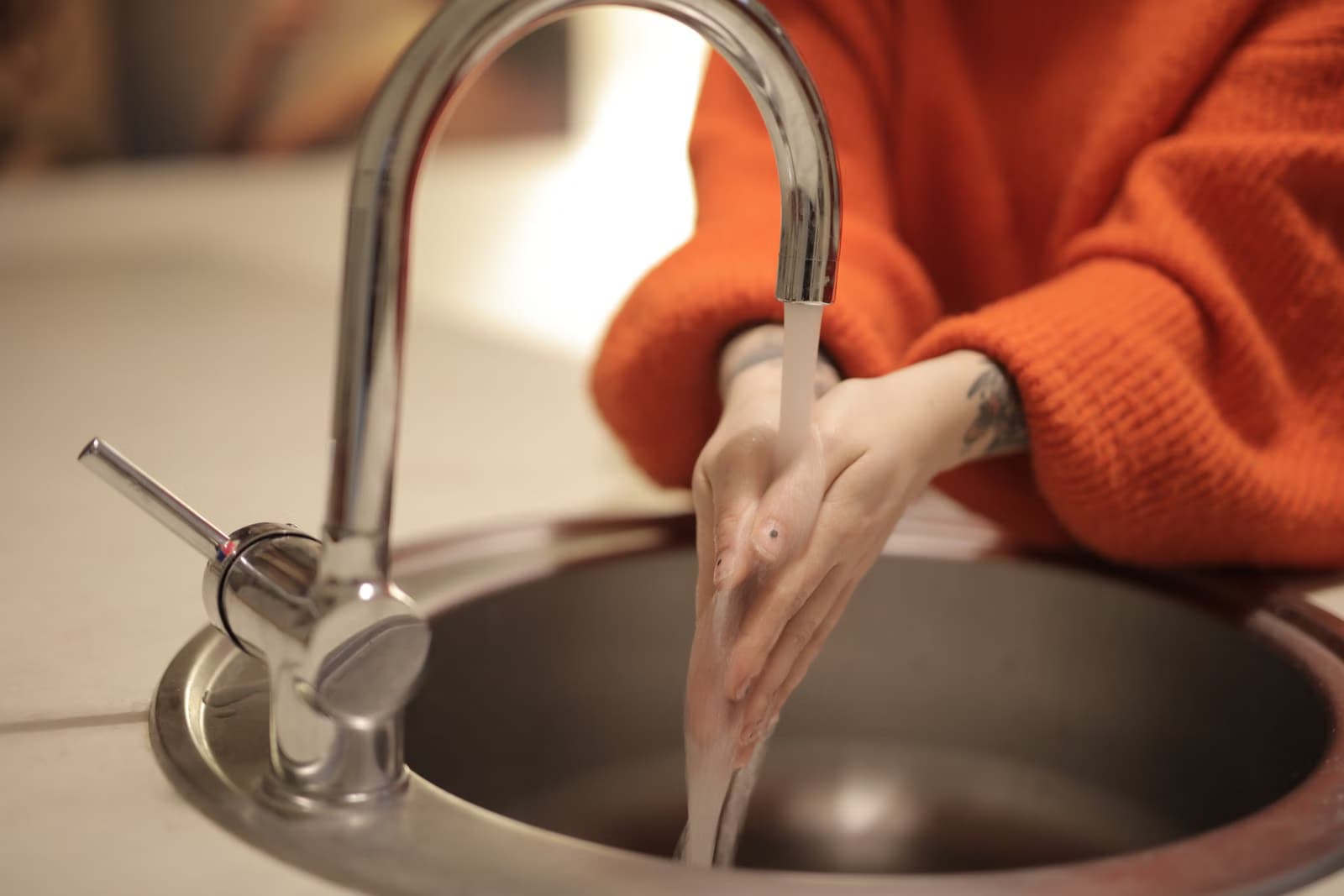
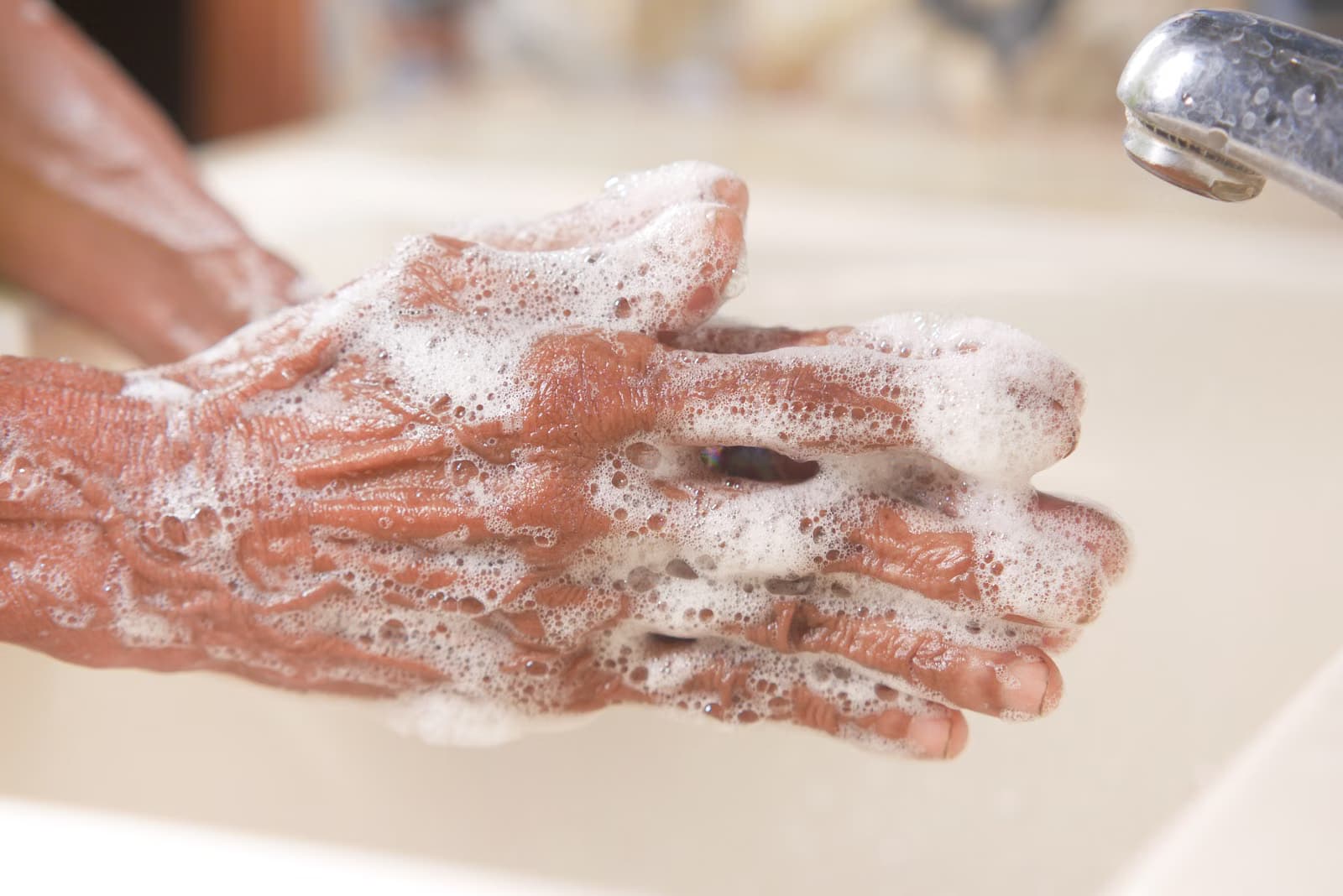
CDC says soap and water is the best option in most situations: scrub for at least 20 seconds, especially after the toilet, before food and after treating a cut. When soap and water are not available, use a sanitiser with at least 60% alcohol. Sanitiser works poorly on visibly dirty or greasy hands and against germs such as norovirus.
How to use sanitiser: put the labelled amount in one palm, cover both hands and rub about 20 seconds until dry; do not wipe it off. The Sepnil Hand Sanitizer 40 ml pack says 70% ethanol gel: use a coin-sized amount, rub both sides of the hands and fingertips until dry; flammable, external use only, keep from children and supervise young children.
How do I use disinfectants safely at home, and what can antiseptics not do?
Day to day, soap or detergent and water removes most germs. Disinfect high-touch surfaces (handles, taps, toilet) when someone has vomiting, diarrhoea or a flu-like illness: clean first, then apply the disinfectant at the labelled dilution for the labelled time. Dengue spreads by mosquitoes, not surfaces, so in dengue season empty standing water instead of disinfecting.
Safety rules
- Eyes: rinse with plenty of clean water; see a doctor if pain persists.
- Swallowed: do not make the person vomit; the Dettol 100 ml pack says rinse the mouth, drink water or milk and seek immediate medical help. Call 999 and take the bottle.
- Children: original container, high up or locked.
- Mixing: never mix bleach with other cleaners, including Dettol; CDC notes that bleach with ammonia or acids releases toxic chlorine gas.
What antiseptics cannot do
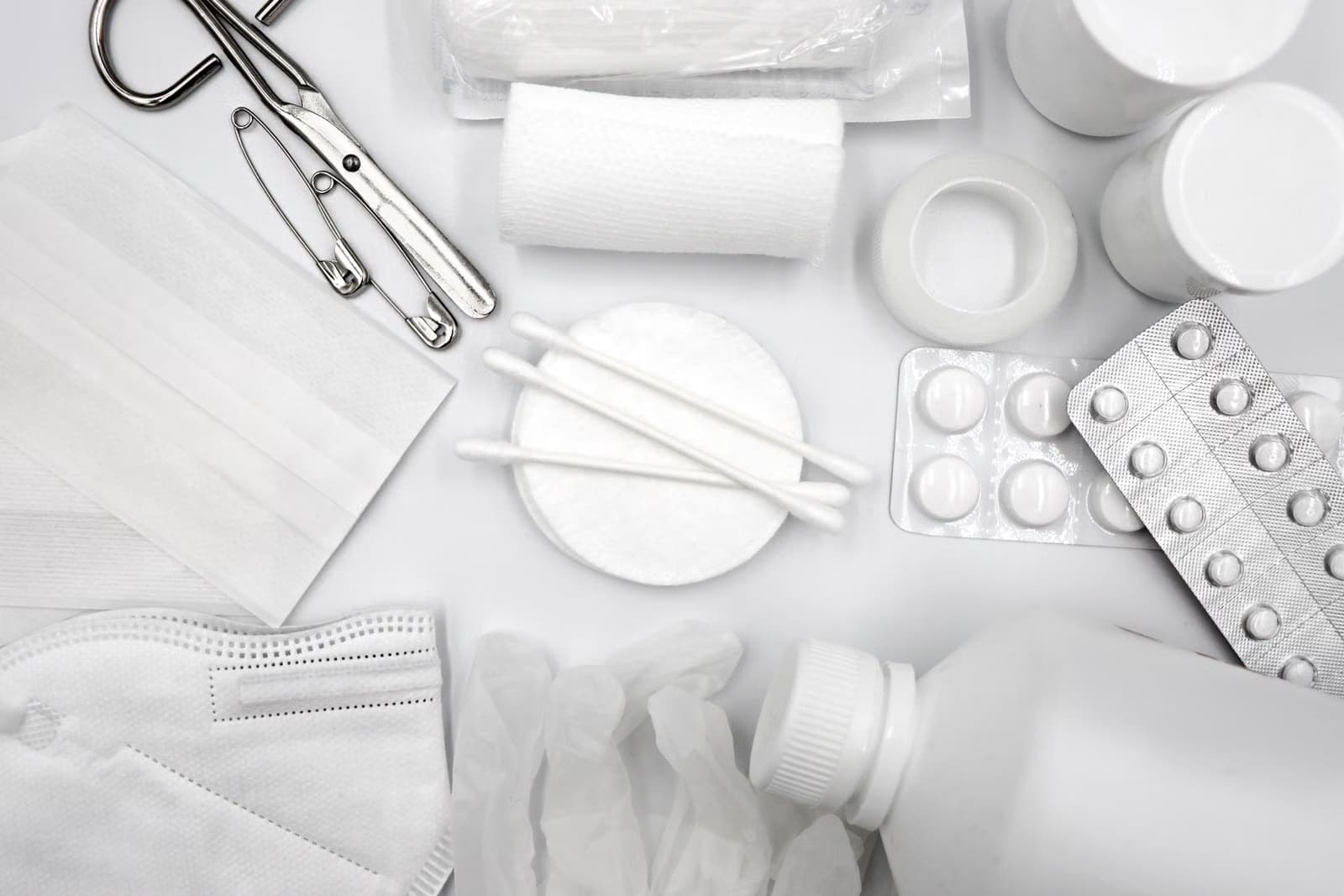
They cannot treat an infected wound (that needs a doctor, sometimes antibiotics); cannot replace a tetanus booster or rabies care after an animal bite, which needs 15 minutes of washing with soap and water and same-day medical care; and cannot sterilise needles or make a deep, dirty wound safe. Sterile plasters, gauze, tape and one labelled antiseptic cover most minor injuries; see MedEasy's first aid and wound care range.
When to see a doctor or go to hospital
Call 999 or go to the nearest emergency department if:
- Bleeding does not stop after 10 minutes of firm pressure, or blood spurts.
- The wound is deep, gaping, over about 5 cm, or on the face, palm, a joint or genitals.
- Something is embedded in the wound (do not pull it out), there is numbness near it, or a chemical has been swallowed.
See a doctor within 24 hours if:
- An animal or human bite, however small (rabies and tetanus risk in Bangladesh).
- Signs of infection: spreading redness, warmth, swelling, pus, pain worsening after 48 hours, fever, red streaks or foul smell.
- Last tetanus dose over 10 years ago (5 years for a dirty or deep wound) or unknown.
- You have diabetes or weak immunity, or a rash appears after using an antiseptic.
For a wound check, infection signs or dressing advice, book an online consultation at MedEasy Doctors.
Common beliefs and questions in Bangladesh
“Stronger or undiluted Dettol works better”
No. The pack says never apply undiluted to skin; neat chloroxylenol burns tissue and delays healing.
“The sting means it is working”
Stinging means the product is irritating living cells. Clean water does not sting.
“Spirit or alcohol should be poured into a cut”
Alcohol belongs on intact skin and instruments. Inside a wound it is painful and damages tissue.
“Hand sanitiser is better than soap”
Soap and water removes dirt, grease and more germ types; sanitiser is the backup.
“Antiseptic liquid in bath water prevents all skin disease”
No. Scabies, fungal infections and eczema need specific treatment; the pack says not to use Dettol on eczema.
“Mixing Dettol with bleach cleans better”
Never mix cleaning products. Bleach with other chemicals can release toxic gas.
References
- Cuts and grazes - NHS
- Cuts and scrapes: First aid - Mayo Clinic
- About Handwashing - CDC
- About Hand Sanitizer - CDC
- Chemical Disinfectants, Guideline for Disinfection and Sterilization in Healthcare Facilities - CDC
- Povidone-Iodine 10% Solution, First Aid Antiseptic Drug Facts label - DailyMed, U.S. National Library of Medicine
This article is for general awareness and is not a substitute for advice from a doctor or pharmacist. The products mentioned do not replace medical assessment of a wound. Always read the pack and ask a doctor if you are unsure.