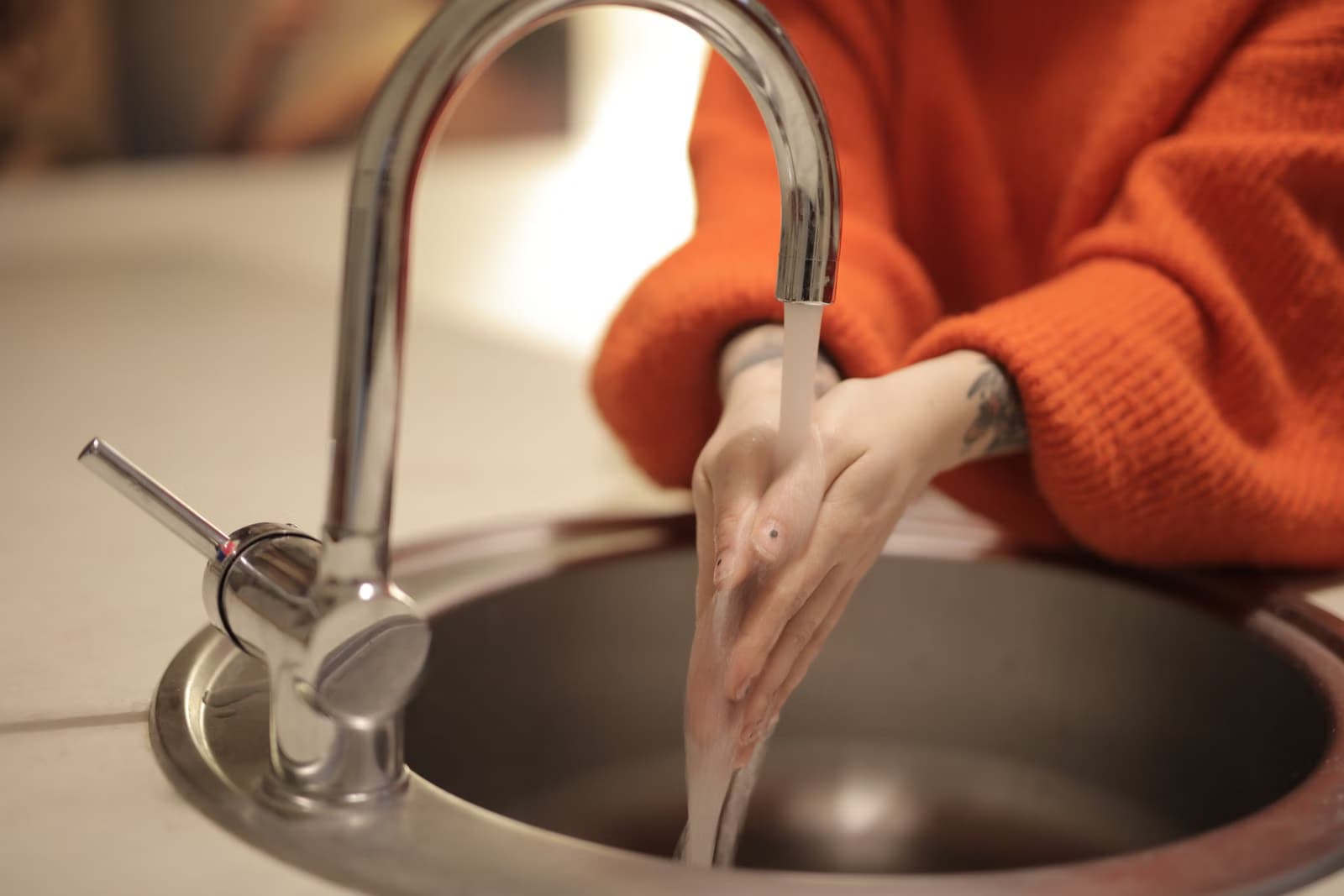
Quick answer: Cool the burn under cool running water for 20 minutes, ideally at once and within 3 hours; remove rings and loose clothing; cover loosely with cling film or a clean cloth; take paracetamol. No ice, toothpaste, butter, oil or turmeric. Seek hospital care or call 999 for a burn bigger than the palm, deep or painless, on face, hands, genitals or joints, chemical or electrical, or in a small child.
What should you do in the first 20 minutes after a burn?
Whether the cause is hot water, cooking oil, a stove flame or a kerosene lamp, the NHS and British Red Cross steps are the same.
- Stop the burning. Move the person from the heat; if clothing is on fire, stop, drop and roll or smother it with a thick cloth. Remove clothing soaked in hot liquid unless it is stuck to the skin.
- Cool under running water for 20 minutes. Use cool, not icy, water for a full 20 minutes; the NHS says to start as soon as possible and that it still helps within 3 hours. Cool only the burn: a cold bath can cause hypothermia, especially in a child.
- Remove rings, watches and tight clothing near the burn before it swells. Never pull off anything stuck to the skin.
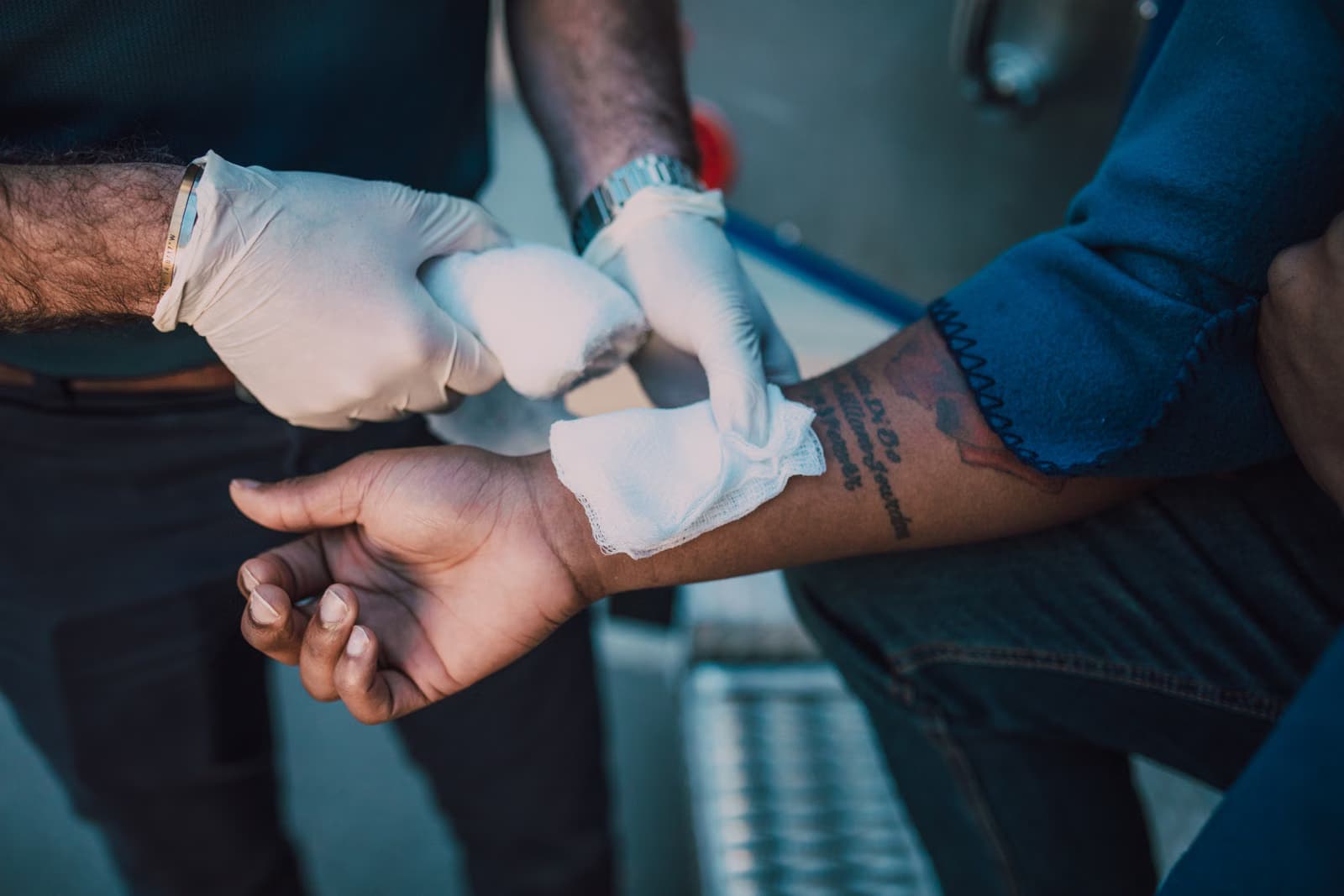
- Cover loosely with clean kitchen cling film laid over the burn (not wrapped tightly), a clean non-fluffy cotton cloth or a sterile non-adherent dressing; this keeps air off the nerve endings and reduces pain and infection. Never put cotton wool or sticky plasters on a burn.
- Keep the person warm with a blanket; long cooling chills babies and older people quickly.
- Pain relief. Adults can take paracetamol such as Napa 500 mg; the pack says 500 to 1000 mg every 4 to 6 hours as needed, maximum 4000 mg in 24 hours from all sources (see our paracetamol guide). Children need a weight-based dose.
- Leave blisters alone. They are a sterile natural dressing.
The WHO says plainly: do not apply ice, oils, butter, toothpaste, traditional pastes or other household substances to a burn. That includes ghee, egg white, mustard oil and turmeric.
How do you tell how serious a burn is?
Depth and size both matter. Emergency departments use the rule that the injured person's own palm, including the fingers, is roughly 1% of their body surface.
| Depth | What it looks like | Pain | Usual care |
|---|---|---|---|
| Superficial (first degree) | Red, dry, slightly swollen, no blisters; like sunburn | Painful | Home care; heals in about a week without scarring |
| Partial thickness (second degree) | Red or mottled, wet, weeping, blisters | Very painful | Small ones at home; larger than the palm or on face, hands, feet, genitals or a joint: doctor the same day |
| Full thickness (third degree) | White, waxy, leathery, brown or charred | Little or none, nerves destroyed | Always hospital, however small |
A burn that does not hurt is not minor: absence of pain usually means it is deep.
When should you go to hospital or call 999?
Call 999 or go straight to the nearest emergency department or upazila health complex if the burn:
- is larger than the person's palm, or deep (white, leathery, charred or painless) at any size;
- is on the face, eyes, mouth, hands, feet, genitals, buttocks or a joint, or goes all the way around a limb or the chest;
- was caused by electricity or any chemical, or happened in a fire or smoke-filled room;
- comes with cough, hoarse voice, soot around the nose or mouth or breathlessness (inhalation injury);
- is in a child under 5, a pregnant woman, an adult over 60, or someone with diabetes or immune disease;
- is deep and the last tetanus vaccine was over 5 years ago or unknown (Mayo Clinic: booster needed).
The British Red Cross advises medical advice for any burned baby or child, even a small burn. In Dhaka, the Sheikh Hasina National Institute of Burn and Plastic Surgery is the national referral centre, and most medical college hospitals have a burn unit; keep cooling on the way. For a small burn at home, a MedEasy online doctor can review a photo and advise on dressings.
Chemical and electrical burns
Chemical burns (acid, alkali, drain cleaner, lime): brush off dry powder, remove contaminated clothing and rinse with lots of cool running water for at least 20 minutes; the NHS advises about an hour. Do not try to neutralise the chemical; call 999. Electrical burns: switch off the mains before touching the person, or push them clear with a dry wooden stick. Electricity causes deep damage under small skin marks and can stop the heart, so every electrical burn goes to hospital.
What should you do in the days after a minor burn?
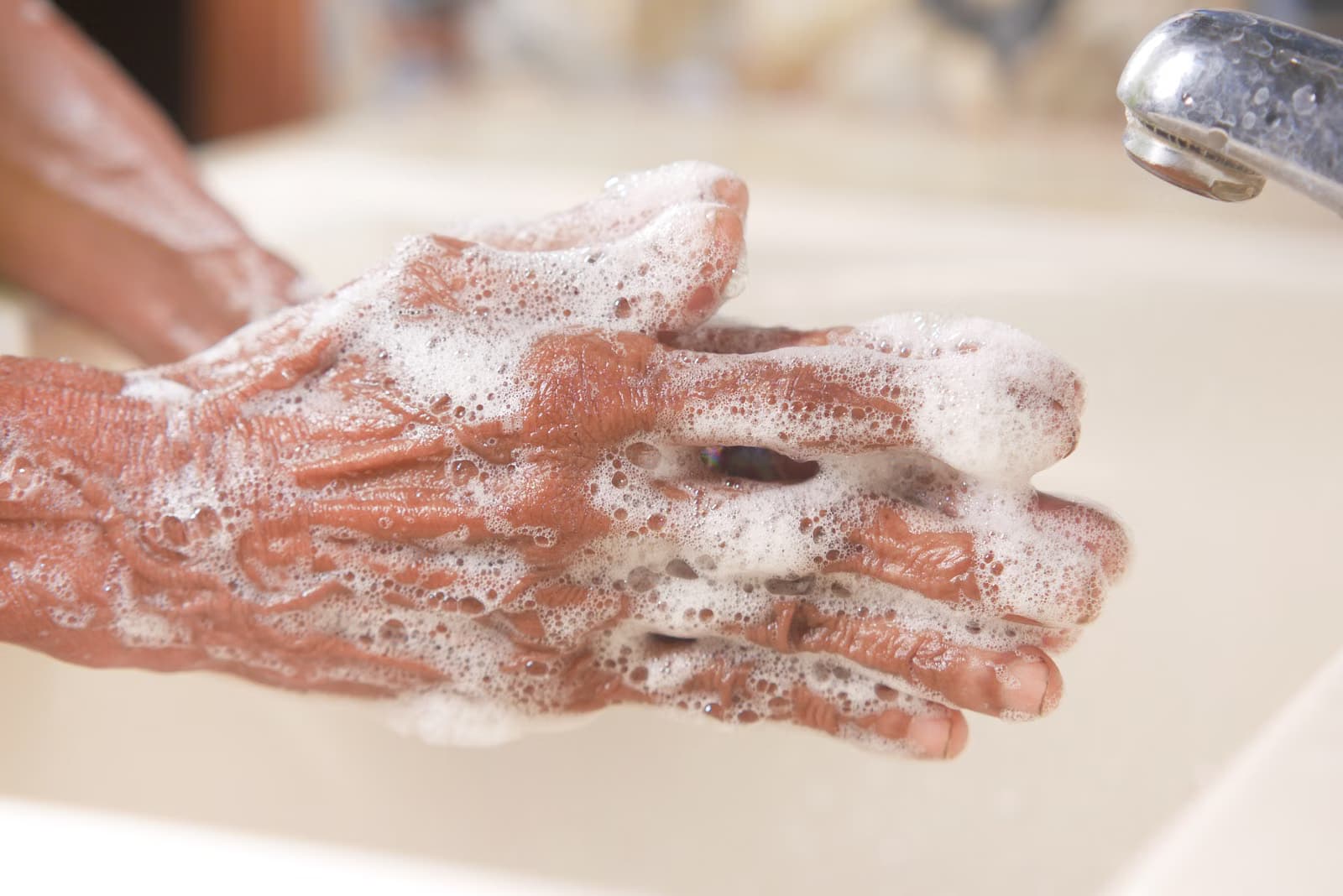
- Keep it clean. Wash your hands, rinse the burn gently once a day with clean cool water (boiled-and-cooled or bottled if tap water is unsafe) and pat the surrounding skin dry.
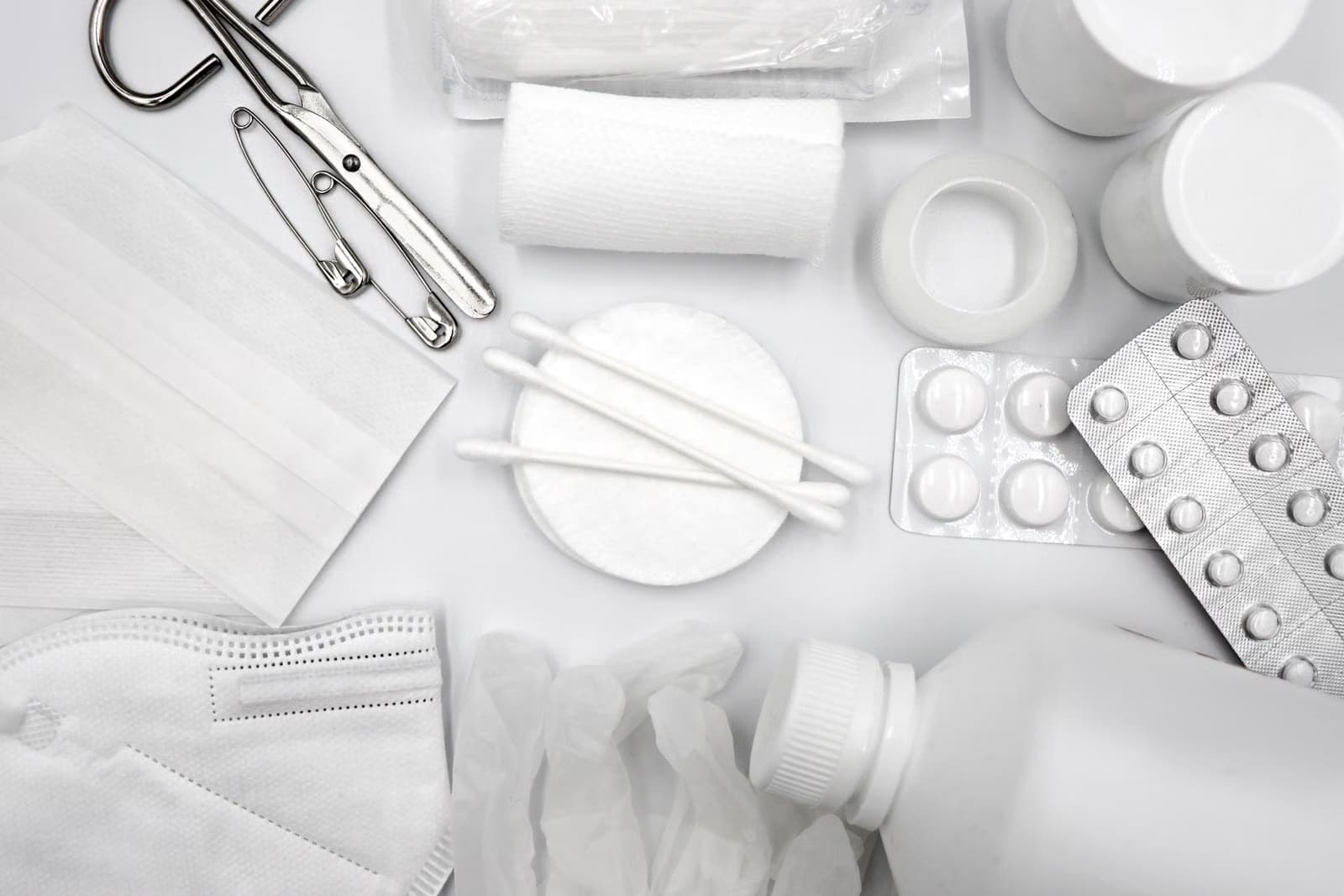
- Non-stick dressing. Cover with a sterile non-adherent pad, changed daily or when wet or dirty. If padding is needed, absorbent cotton wool goes over the non-stick layer only, never directly on the burn, because the fibres stick; the page notes its sterility is not confirmed and it is single-use. Secure the outer dressing with a paper tape such as Medi Tape (the pack says microporous, hypoallergenic, for clean, dry skin), never on the burn itself. See bandages and dressings on MedEasy.
- Blisters. Leave intact; if one bursts on its own, do not peel the skin, just cover it.
- Watch for infection at every change: spreading redness, pain increasing after 48 hours, swelling, pus, a bad smell, fever or red streaks. Any of these, or pain lasting more than 48 hours (MedlinePlus), means a doctor the same day.
- After healing, moisturise daily (Mayo Clinic notes aloe vera lotion can soothe dryness) and protect the new skin from sun for several months to limit dark marks.
Which burn creams and dressings are used, and when?
Many people search for a “burn cream name” within minutes. In the first hours nothing goes on except water and a loose clean cover; creams come later, for the right kind of burn.
What the evidence says
- Good evidence, consistent guidance: 20 minutes of running water (NHS, Red Cross, WHO); cling film or a non-adherent dressing; paracetamol; intact blisters (Mayo Clinic: they protect against infection).
- Used on medical advice; limited evidence for faster healing: silver sulfadiazine 1% cream (Burna, Burnsil and other local brands) helps prevent infection in partial-thickness and deeper burns; it is not for superficial burns or the face, and a doctor should start it. A framycetin tulle dressing such as the one sold as Sufretulle is antibiotic-impregnated gauze: the pack says it contains framycetin sulfate 1% in soft paraffin, is laid as a single layer on the wound under an outer dressing, and is changed once daily or as the doctor directs. The pack says not to use it if allergic to framycetin, neomycin, other aminoglycosides or lanolin, with caution on large burns and in kidney impairment because the antibiotic can be absorbed. MedEasy notes the brand spelling is unverified (a Sofra-Tulle type product), so check the pack. Use it only after a doctor has assessed the burn.
- Traditional use only, advised against: toothpaste, butter, ghee, egg, oils, turmeric, potato, ink and ice.
Antibiotic creams and dressings are not needed for a superficial burn or a small clean blister that is healing well; overuse breeds allergy and resistance. The first aid and wound care range on MedEasy has non-adherent dressings and first aid boxes.
Common beliefs and questions in Bangladesh
“Toothpaste, ice, butter, egg white or turmeric soothes a burn”
Toothpaste and turmeric irritate damaged skin, oils and butter trap heat and deepen the burn, egg carries bacteria, and ice injures tissue further. Running water is safer.
“Bursting the blister helps it heal faster”
No. The blister roof is a sterile barrier; opening it invites infection and slows healing.
“A minute of water is enough”
Heat keeps damaging deeper layers after the surface cools; 20 minutes is the step most likely to reduce scarring.
“If it does not hurt, it is minor”
The opposite: a painless, white or leathery burn is full thickness and needs hospital at any size.
“Any burn cream can be applied straight away”
Cream before cooling traps heat and hides the burn; antibiotic creams and tulle are for specific burns after a doctor has looked.
How can you prevent burns at home?
- Cook on a raised stove, keep children out of the kitchen while cooking, and turn pan handles inwards.
- Never hold a baby while carrying tea or hot food; keep hot cups away from table edges.
- Keep mosquito coils and kerosene lamps on a stable stand away from bedding and nets; put them out before sleeping.
- Wear fitted clothing at an open flame; loose dupattas and saree ends catch fire easily.
- Store acids, drain cleaners and kerosene out of children's reach, never in drink bottles.
References
- Burns and scalds: Treatment - NHS
- Acid and chemical burns - NHS
- Burns fact sheet - World Health Organization
- Learn first aid for someone who has a burn - British Red Cross
- Burns: First aid - Mayo Clinic
- Burns - MedlinePlus Medical Encyclopedia
This article is for general awareness and is not a substitute for assessment by a doctor. The dressings, tapes and medicines mentioned do not replace medical examination of a burn; any burn that is large, deep, on a sensitive area, or in a young child or older adult should be seen in person. Follow the pack directions and your doctor's advice.