Quick answer: Basak (Adhatoda vasica, also called Justicia adhatoda) is a traditional expectorant herb, and syrups such as Adovas and Basok are labelled for dry, irritable, allergic and smokers' cough. The plant's alkaloid vasicine inspired the modern mucolytic bromhexine, but trials of the syrups themselves are small, so the evidence is limited. Most coughs clear within 3 to 4 weeks; see a doctor sooner if red-flag signs appear.
What is basak and why is it in so many cough syrups?
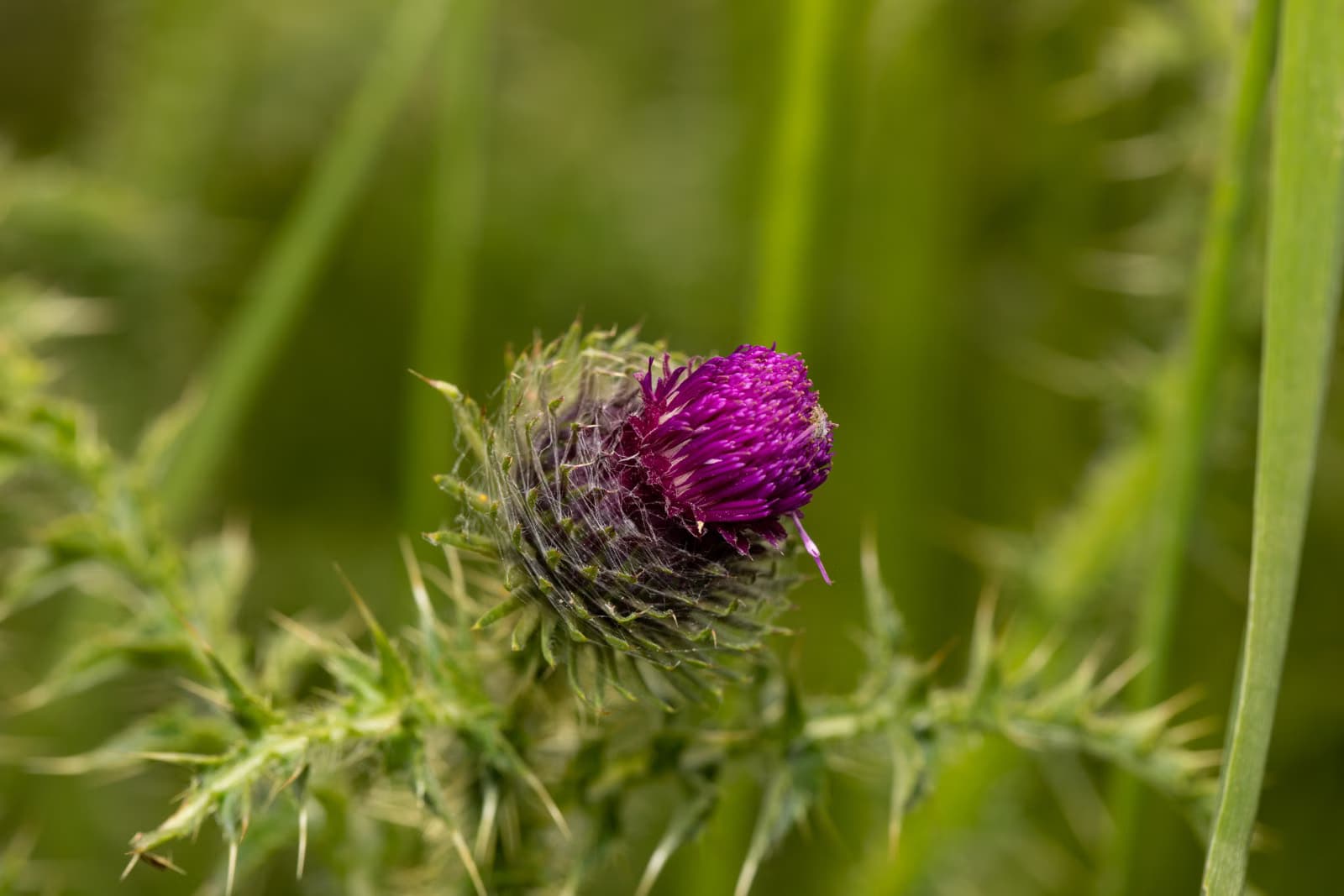
Basak (বাসক) is a shrub that grows across Bangladesh. For centuries its leaves have been boiled, juiced and mixed with honey for cough in Ayurvedic and Unani practice. The leaves contain the alkaloids vasicine and vasicinone, which in laboratory and animal studies thin mucus and relax airway muscles.
This is more than folklore: the synthetic mucolytic bromhexine, found in many conventional cough medicines, is a derivative of the Adhatoda vasica plant, and ambroxol, another widely used mucolytic, is in turn derived from bromhexine. The open question is whether a spoonful of multi-herb syrup delivers enough of the active compounds to make a measurable difference to your cough.
In Bangladesh, basak is the main ingredient in several DGDA-registered cough syrups. Two widely used ones, Adovas syrup (Square Pharmaceuticals) and Basok syrup (ACME Laboratories), are listed in MedEasy's Herbal & Traditional Medicine category.
What is in Adovas and Basok syrup?
Both are multi-herb formulations around the same main ingredient. According to the MedEasy product pages, each 5 ml (one teaspoon) contains Adhatoda vasica 0.68 g together with smaller amounts of about a dozen supporting herbs, including:
- Piper longum (pipul / long pepper) and Piper nigrum (black pepper)
- Glycyrrhiza glabra (liquorice, jashtimodhu)
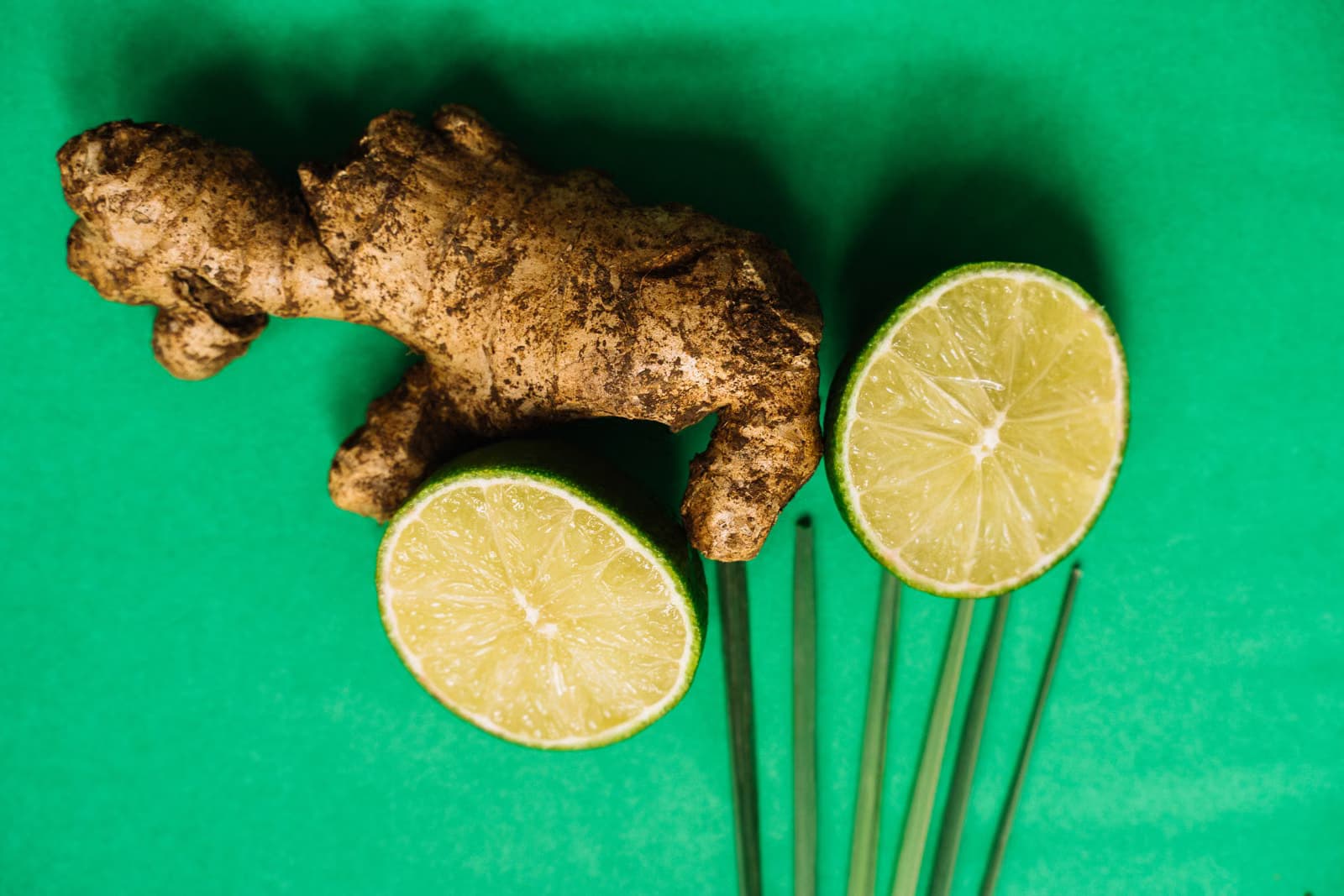
- Zingiber officinale (ginger)
- Terminalia chebula (haritaki)
- Cardamom, cinnamon, clove and tejpata (Cinnamomum tamala)
- Saussurea lappa, Pistacia integerrima and Myrica nagi
These are classic warming, aromatic and soothing herbs from traditional cough formulas. The label indication for both syrups is the same: it “liquefies phlegm, soothes irritation of the throat” and is for dry irritable cough, allergic cough and smokers' cough. Note that the label does not claim to cure an infection.
Does basak cough syrup actually work? What the evidence says
| Claim | Evidence grade | What the evidence shows |
|---|---|---|
| Vasicine/vasicinone thin mucus and open airways | Good evidence in the laboratory | Well documented in lab and animal studies; bromhexine was developed from this plant chemistry. |
| Basak syrup relieves cough in people | Limited evidence | Only a few small human trials exist, mostly of multi-herb combinations; no large, independent trial of these specific syrups. |
| Basak cures bronchitis, asthma or TB | Traditional use only | No clinical evidence; these conditions need diagnosis and prescribed treatment. |
| Honey eases cough in children over 1 year | Moderate evidence | A Cochrane review found honey probably reduces cough more than no treatment or placebo. |
| Conventional OTC cough syrups work | Weak evidence | A Cochrane review of 29 trials found no good evidence for or against them. |
Two points matter. First, weak evidence is not unique to herbal syrups: the Cochrane review of over-the-counter cough medicines found “no good evidence for or against” them, and more side effects with antihistamine and dextromethorphan products. Second, most acute coughs are viral and self-limiting; the NHS says a cough usually clears within 3 to 4 weeks. Any syrup is taken for comfort while the body does the work.
The fair summary: basak syrups are a plausible, generally well-tolerated option for soothing a dry, tickly cough, with limited clinical proof. They do not treat the infection or disease behind the cough.
How do you take basak syrup safely?
Dose: follow the label
The Basok syrup label says: children under 12 years, 1 to 2 teaspoonfuls (5 to 10 ml) 2 to 3 times a day; adults, 3 teaspoonfuls (15 ml) 2 to 3 times a day. The MedEasy page for Adovas does not print a dose schedule, so follow the pack insert or ask a pharmacist. Use a measuring spoon or cup; a kitchen spoon can hold anywhere from 3 to 8 ml.
Side effects and warnings on the label
- Both product pages say the syrup is well tolerated at the recommended dose; diarrhoea and vomiting may occur at high doses.
- Stop if you develop a rash, itching, swelling or wheeze (hypersensitivity).
- Pregnancy and breastfeeding: safety has not been established, so the label advises caution. Ask your doctor first.
- Do not use for more than a week or two without review; a persistent cough needs a diagnosis.
Who should be careful
- High blood pressure, heart or kidney disease: the liquorice in these syrups contains glycyrrhizin. The NIH's NCCIH warns that even small amounts have been linked to serious effects in people with hypertension or heart or kidney conditions, especially with long-term use. Do not take the syrup for weeks on end.
- Diabetes: like most syrups, these contain sugar.
- Regular medicines: no interactions are listed on the label, but herbal products can still interact with drugs such as warfarin or steroids. Tell your doctor what you take.
- Before surgery: stop herbal products a week or two before a planned operation.
- Buy registered products only: choose a DGDA-registered syrup. Unregulated “herbal” preparations have been found adulterated with undeclared drugs or heavy metals.
Can children take herbal cough syrup?
This is where most harm happens. The American Academy of Pediatrics says over-the-counter cough and cold medicines are not recommended under 4 years and only on a doctor's advice from 4 to 6; the NHS notes some cough medicines should not be given under 12. A herbal syrup is not exempt: “natural” says where an ingredient came from, not whether it is safe for a 2-year-old. Pepper, clove and ginger can irritate a young stomach.
- Under 1 year: no cough syrups and no honey (risk of infant botulism). See a doctor for any cough with fast breathing, poor feeding or fever.
- 1 to 5 years: give basak or any cough syrup only if a paediatrician advises it, at the children's dose on the label. Honey and warm fluids are safer first steps.
- 6 to 12 years: the children's dose on the label, for a few days only.
- Never give a child the adult 15 ml dose or a second syrup containing the same herbs.
What else helps a cough, and what does not?
These simple measures carry at least as much evidence as any syrup:
- Honey: 2 to 5 ml at night for anyone over 1 year. A Cochrane review found it probably relieves cough better than no treatment and may work better than diphenhydramine.
- Fluids and rest: warm water, soup or tea keeps mucus thin.
- Avoid smoke: cigarette, biri and cooking smoke are common reasons a cough lingers.
- Steam and saline: help a cough driven by a blocked, dripping nose. Not sure if it is a cold, flu or allergy? See our guide to telling them apart.
- Not antibiotics: most coughs are viral; antibiotics do nothing for them while fuelling resistance. Read when antibiotics are actually needed first.
When should you see a doctor or go to hospital?
A cough syrup should never delay a diagnosis. Consult a doctor on MedEasy or visit a clinic if:
- the cough has lasted more than 3 weeks, or more than 2 weeks with fever, night sweats or weight loss (in Bangladesh a cough over 2 weeks should have a sputum test for tuberculosis, free at government DOTS centres);
- you are coughing up blood or rusty, foul-smelling sputum;
- there is wheezing, chest tightness or a cough that is worse at night or with exercise, which may be asthma. See our asthma guide;
- a child under 1 year has any cough with fever, fast breathing or poor feeding;
- you have diabetes, heart failure, a weakened immune system or are pregnant.
Emergency signs, call 999 or go to the nearest emergency department: breathlessness at rest, blue lips, chest pain, confusion or drowsiness, coughing up a spoonful or more of blood, a child whose ribs pull in with each breath or who cannot drink.
Common beliefs in Bangladesh about basak and cough syrup
“Herbal means it is safe for babies”
No. Infants under 1 year should not get any cough syrup, herbal or otherwise, and honey is unsafe for them too. Small children need a paediatrician's advice, not a shared family bottle.
“The syrup will cure the infection”
Basak syrup may soothe the throat and loosen phlegm; it does not kill viruses or bacteria. If the cause is pneumonia, TB or asthma, the syrup only hides it.
“More syrup means faster relief”
Higher doses do not work better; the label warns of diarrhoea and vomiting with overdose, and extra liquorice and sugar add risk in high blood pressure or diabetes.
“Fresh basak leaf juice at home is the same as the syrup”
Home preparations vary hugely in strength and hygiene, and the leaves are sometimes confused with other plants. A registered syrup has a measured amount of extract per 5 ml. If you prefer home remedies, honey and warm fluids have better evidence.
References
- A reappraisal of the mucoactive activity and clinical efficacy of bromhexine - Multidisciplinary Respiratory Medicine (PMC)
- Over-the-counter (OTC) medications for acute cough in children and adults in community settings - Cochrane
- Honey for acute cough in children - Cochrane
- Cough - NHS
- Coughs and Colds: Medicines or Home Remedies? - American Academy of Pediatrics (HealthyChildren.org)
- Licorice Root: Usefulness and Safety - NIH National Center for Complementary and Integrative Health
This article is for general health awareness only and is not a substitute for advice from a qualified doctor. Herbal products are not a replacement for diagnosis or prescribed treatment. Always read the label and consult a doctor or pharmacist before use, especially for children, in pregnancy, or if you have a chronic illness.