Quick answer: Isabgol (psyllium husk) is a bulk-forming fibre with good evidence for easing constipation when stirred into 150–250 ml of water, and it modestly lowers LDL cholesterol at around 7 g a day. Most adults can take plain husk daily long term. Products that also contain senna (sonapata), such as Isabgul Plus, work faster but are for short-term use only, and isabgol is not a weight-loss remedy.
What is isabgol and how does it work?
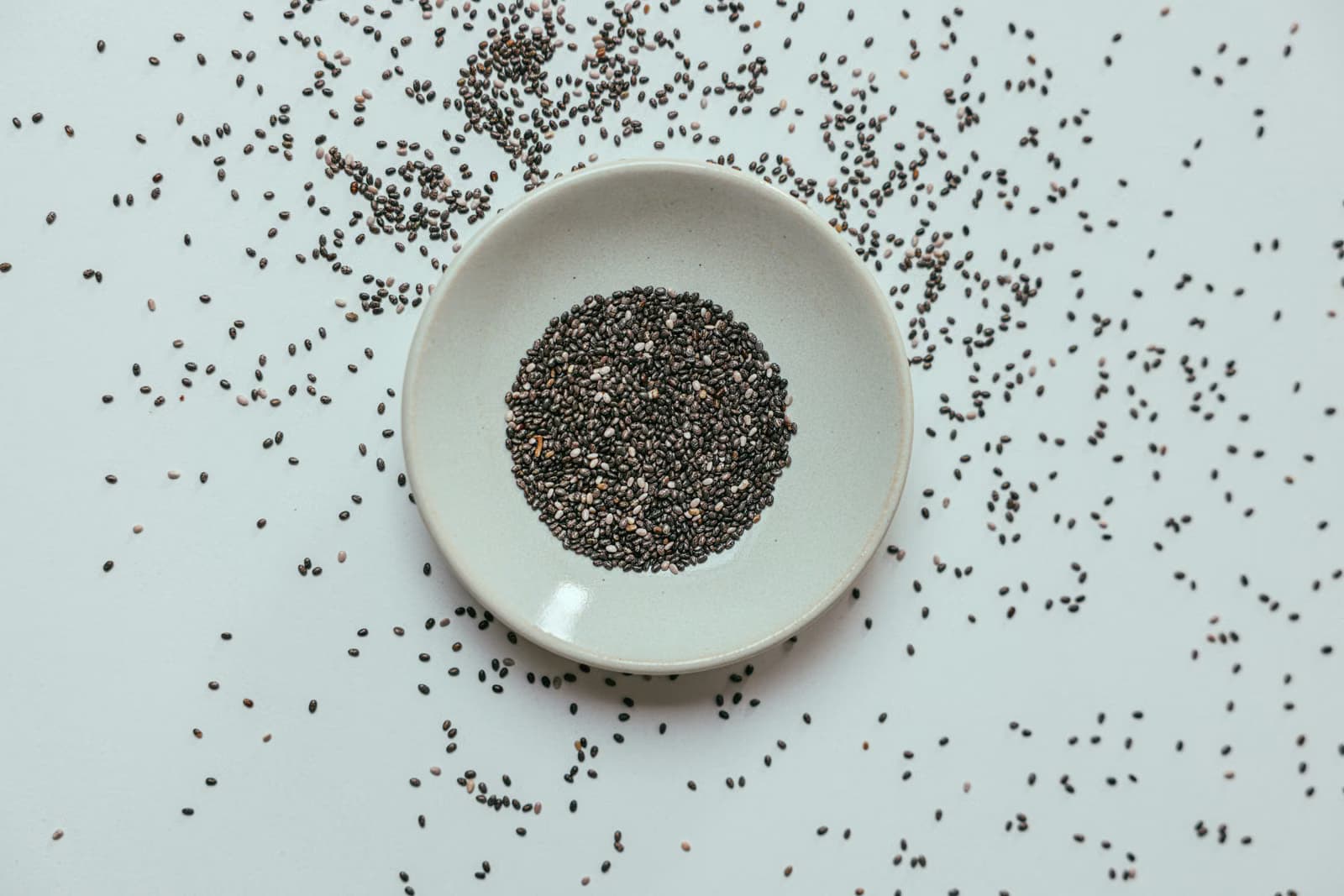
Isabgol, also spelled isabgul or ispaghula, is the husk of the seed of Plantago ovata, sold internationally as psyllium husk. It is almost pure soluble fibre: in water it swells into a soft gel that makes stool bulkier and softer, so it passes more easily. The gel also slows stomach emptying, which is why it has small effects on cholesterol and blood sugar. Because it adds bulk rather than irritating the bowel, it is a bulk-forming laxative, the type the NHS suggests trying first when diet and lifestyle changes are not enough.
Isabgol is one of the most widely used items in the herbal and traditional medicine range in Bangladesh.
What does the evidence say about isabgol?
Not every claim made for isabgol is equally well supported.
| Claimed benefit | Evidence | What it means for you |
|---|---|---|
| Constipation | Good evidence | The 2023 AGA-ACG guideline suggests psyllium as a first-line over-the-counter option; the NHS lists ispaghula husk as the usual first-choice laxative. |
| Lowering LDL cholesterol | Good evidence, modest effect | The US FDA permits a heart-health claim at 7 g or more of psyllium soluble fibre a day. The effect is small and does not replace a prescribed statin. |
| Blood sugar | Limited evidence | Small trials suggest psyllium before meals slightly blunts the post-meal sugar rise in type 2 diabetes. Not a diabetes treatment. |
| Weight loss | Limited evidence | The gel may make you feel fuller briefly, but trials show little or no meaningful weight loss from psyllium alone. |
Even for constipation the trials are of low to moderate quality: psyllium is recommended because it is cheap, safe and helps many people, not everyone.
How should you take isabgol?
- Always with water. Stir one dose into 150–250 ml of water or juice and drink it straight away, before it thickens, then drink another glass of water. Never swallow dry husk or powder: it swells in the throat and can cause choking or a blockage.
- Drink more through the day. Fibre without fluid worsens constipation. Aim for about 2 litres a day unless your doctor has restricted fluids.
- Start low, go slow. Begin with one dose a day and increase after a few days if needed, to limit early bloating and wind.
- Timing. Take it after a meal, and not within 30 minutes to an hour of lying down for the night.
- Give it time. Plain psyllium takes 12 to 72 hours to work. If nothing has improved after 3 days, ask a pharmacist or doctor instead of taking more.
- Other medicines. The gel can reduce absorption of diabetes medicines, digoxin, lithium, carbamazepine and some antibiotics. Take them at least 1 hour before or 2 hours after isabgol; MedlinePlus advises a 3-hour gap for digoxin, aspirin and nitrofurantoin.
Isabgul Plus: what the label says, and why psyllium plus senna is different
Not every “isabgol” product is plain husk. Isabgul Plus, an effervescent powder sachet from Ibn-Sina Pharmaceuticals, combines isabgul husk (Plantago ovata) with sonapata (Cassia angustifolia), which is senna. The label says it is “designed to support regular bowel movements and relieve constipation”.
What the label says about dose
| Age | Label dose |
|---|---|
| Adults | 1 sachet in 150–200 ml water, 1–2 times daily |
| Children 6–12 years | ½ to 1 sachet in 150–200 ml water, 1–2 times daily |
| Children under 6 | Only as directed by a physician |
The label also says: do not take the dried husk without water, drink plenty of fluids, and do not use if the seal is broken.
Why the senna changes the rules
Senna is a stimulant laxative: it makes the bowel muscles contract and works in 6 to 12 hours. But the NHS and MedlinePlus both advise that senna should not be taken for more than 7 days without medical advice. Regular use can cause cramps, diarrhoea and low potassium, and over time the bowel can become dependent on it. So:
- Plain psyllium: suitable for long-term daily use, even for months, if your doctor agrees.
- Psyllium plus senna (Isabgul Plus): short-term relief of occasional constipation, up to about a week. If you still need it after that, see a doctor rather than continuing or raising the dose.
- For a gentle daily fibre top-up, a plain husk product is the better choice.
Who should not take isabgol or a senna combination?
Ask a doctor or pharmacist first if you:
- have difficulty swallowing, or a narrowing or blockage anywhere in the gut (isabgol is unsafe here);
- have severe stomach pain, nausea or vomiting with the constipation, which can mean an obstruction;
- have reacted to psyllium before; rarely it causes rash, wheezing or anaphylaxis;
- have diabetes (fibre can change how insulin and tablets work), or a fluid restriction for kidney or heart disease;
- have an unchecked change in bowel habit lasting over 2 weeks, or blood in the stool.
Pregnancy, breastfeeding and children
Plain ispaghula husk is commonly used in pregnancy and while breastfeeding, and the NHS says it is not harmful to the baby because it is not absorbed. Senna is different: it is sometimes used in pregnancy, but only after a doctor or pharmacist has suggested diet, fluids or a gentler laxative first, so a senna combination should not be a pregnant woman's first choice.
For children, plain husk is not given under 6 without a doctor, and the NHS advises senna under 12 only on prescription. The Isabgul Plus label allows half to one sachet at 6–12 years, but because of the senna we suggest asking a doctor or pharmacist first, and never giving a child the adult dose.
What else helps constipation besides isabgol?
- Fibre from food, about 25–30 g a day. Dal and chhola (chickpeas), shak (leafy greens), lau, dherosh, parboiled or brown rice, atta roti instead of white bread, and fruits such as papaya, guava and amra. Increase gradually.
- Fluids. Around 8 glasses a day, more in the heat.
- Movement. A daily 20–30 minute walk.
- Toilet habits. Go when you feel the urge; do not hold it. Sit at a regular time, often after breakfast, with a foot stool to raise the knees.
- Check your medicines. Iron tablets, some antacids, codeine painkillers and some blood pressure or antidepressant medicines cause constipation. Do not stop a prescribed medicine; ask your doctor.
If constipation comes with heartburn or bloating, our article on acidity, GERD and acid-reducing medicines explains which antacids worsen constipation. If a senna product gives you loose stools, our guide to diarrhoea, ORS and zinc covers replacing fluids.
When should you see a doctor, and what are the emergency signs?
Constipation is rarely dangerous in itself, but it can be the first sign of something that is. See a doctor, in person or through MedEasy online consultation, if you have:
- blood in the stool, or black, tarry stool;
- unexplained weight loss, tiredness or anaemia on a blood test;
- new constipation after age 50 without an obvious cause;
- constipation alternating with diarrhoea for several weeks;
- constipation not improved after 3 days of a laxative, or that keeps coming back;
- a constipated child with poor weight gain, vomiting or a swollen tummy.
Go to an emergency department or call 999 if constipation comes with severe or worsening abdominal pain, repeated vomiting, a hard swollen abdomen, or you cannot pass wind. These can mean a bowel obstruction, and any laxative, including isabgol, can make it worse.
Common beliefs in Bangladesh about isabgol
“Isabgol melts fat and causes weight loss”
No. Isabgol adds almost no calories and may make you feel full for a while, but studies show little or no weight loss from psyllium alone. Any benefit comes from eating less overall.
“If one spoon does not work, three will work faster”
More husk mostly means more bloating, and without extra water a large dose can cause a blockage. Plain psyllium needs 1–3 days; a bigger dose does not speed it up. After 3 days of correct use without result, see a pharmacist or doctor.
“Senna is natural, so you can take it every day for years”
Senna is natural and also a powerful stimulant laxative. Health authorities advise limiting it to about a week without medical advice, because long-term use can cause cramps, low potassium and a bowel that no longer works on its own.
“Children can take the same dose as adults”
No. Children's doses are smaller, children under 6 need a doctor's advice for any laxative, and senna-containing products should not be given to children without advice. Most childhood constipation improves with fluids, fruit and regular toilet time.
References
- Fybogel (ispaghula husk): how and when to take it, who can take it, taking it with other medicines - NHS
- Senna: stimulant laxative, how long to take it, side effects, pregnancy and children - NHS
- Constipation: causes, self-help and when to see a GP - NHS
- Psyllium: how to take it and precautions - MedlinePlus, US National Library of Medicine
- AGA-ACG Clinical Practice Guideline on Chronic Idiopathic Constipation Treatments: Parsing Benefits and Risks - American College of Gastroenterology
- 21 CFR 101.81 Health claims: soluble fiber from certain foods (psyllium husk, 7 g/day) and risk of coronary heart disease - US FDA / eCFR
This article is for general health awareness and is not a substitute for advice from a doctor or pharmacist. Herbal products are not a replacement for diagnosis or prescribed treatment. Follow the label of the product you buy, and seek medical help for the warning signs listed above.