Quick answer: Brush twice a day for two minutes with a soft brush and 1,350–1,500 ppm fluoride toothpaste, including last thing at night; spit, do not rinse. Clean between your teeth once a day with floss, floss picks or interdental brushes. Mouthwash is optional and belongs at a different time. Limit sugar, avoid tobacco and paan, and see a dentist regularly, not only for pain.
How do I brush my teeth properly, step by step?
The NHS and the American Dental Association (ADA) agree:
- Use a soft-bristled brush with a small head, such as the Mediplus toothbrush.
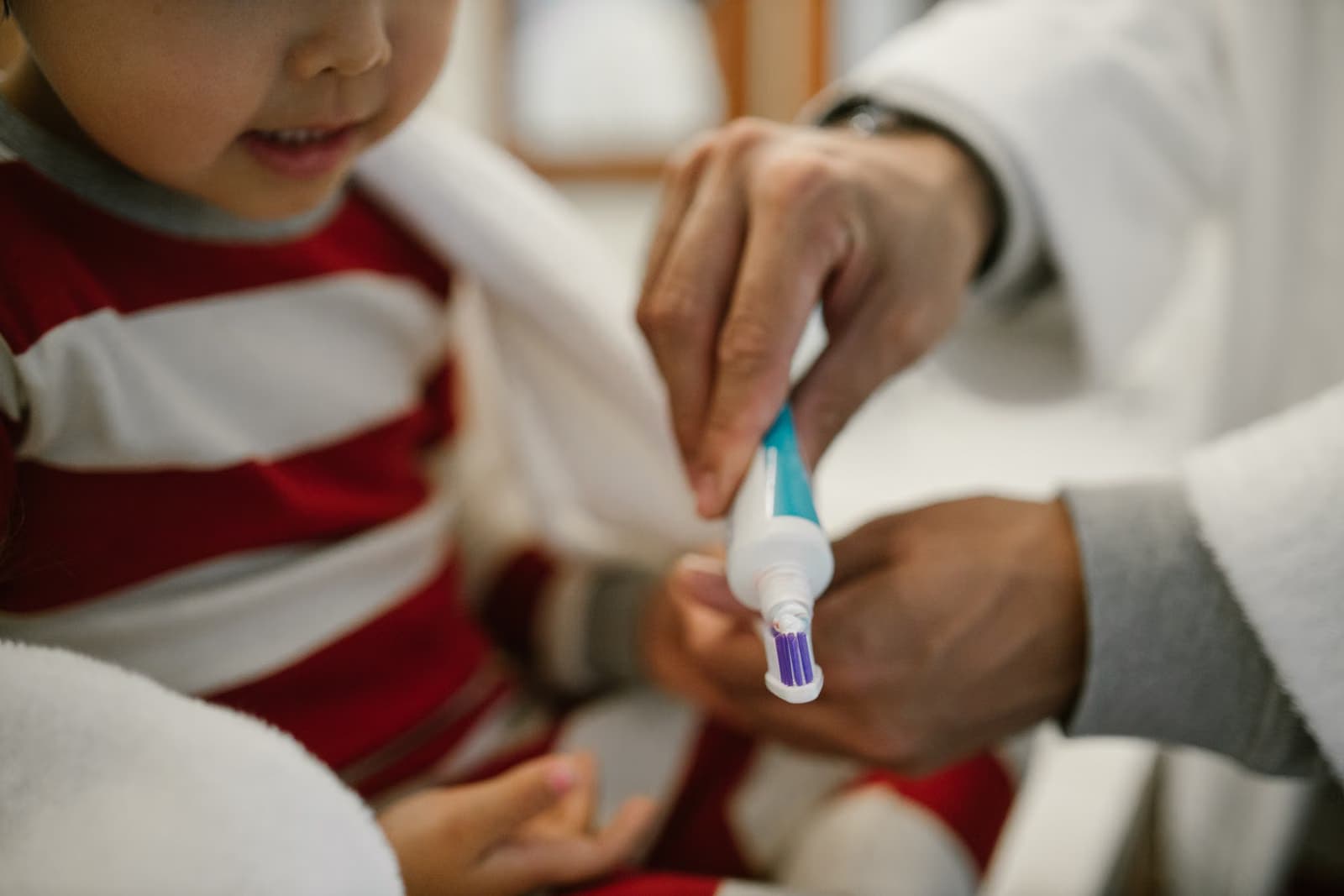
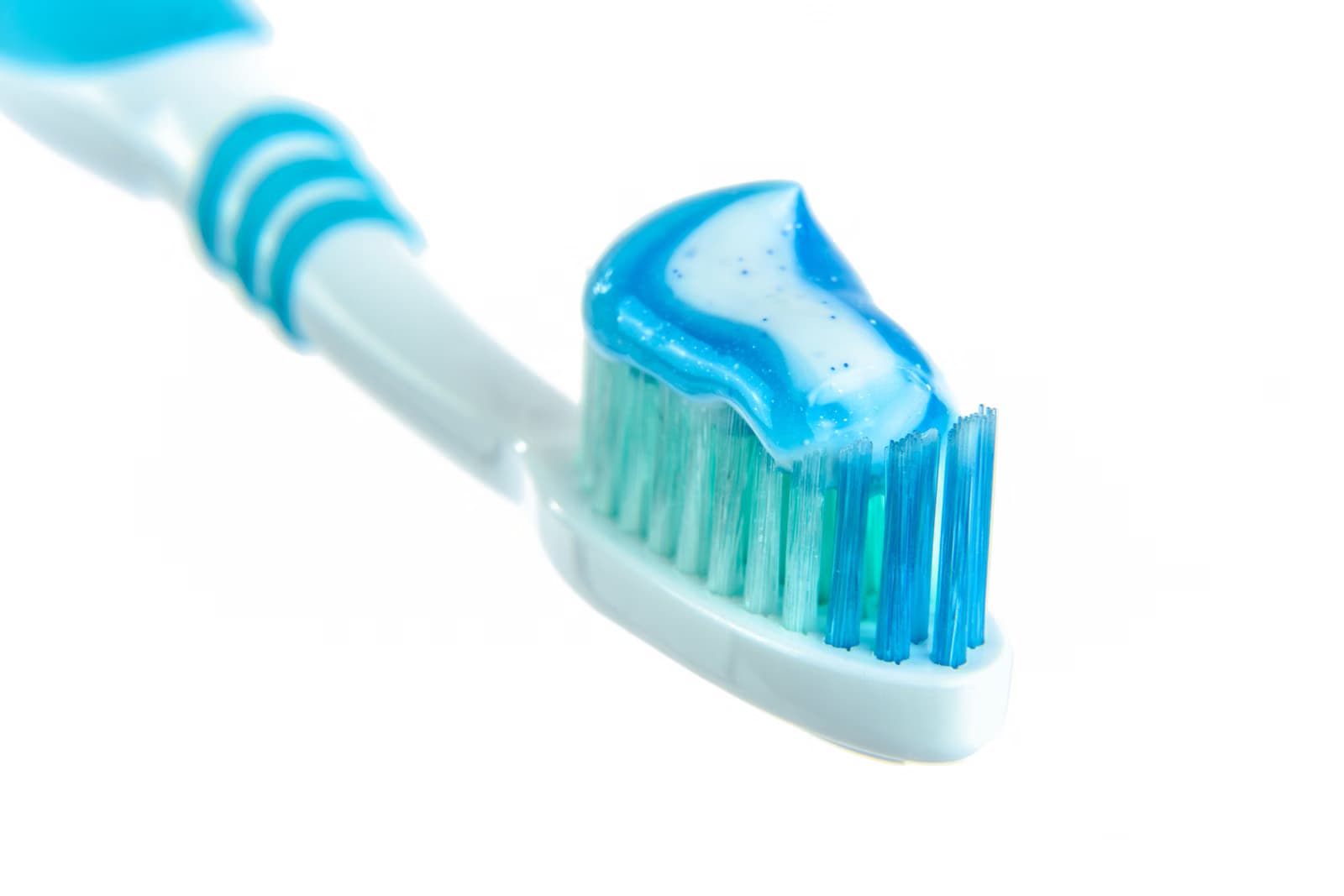
- Put a pea-sized amount of fluoride toothpaste on it (adults: 1,350–1,500 ppm).
- Hold the bristles at 45 degrees to the gumline; use short, gentle back-and-forth strokes. Do not scrub.
- Clean every surface: outer, inner and chewing; brush vertically behind the front teeth.
- Brush the tongue gently; bad-breath bacteria live there.
- Brush for two minutes.
- Twice a day: last thing at night and one other time. Only water after the night brush.
- Spit, do not rinse. Rinsing washes away the fluoride that keeps working for hours.
- Rinse the brush and store it upright to dry.
Electric or manual toothbrush?
A Cochrane review found powered brushes reduce plaque by about 11–21% and gingivitis by about 6–11% more than manual brushing (moderate-certainty evidence), though the clinical importance is unclear; the NHS says either is fine if every surface is cleaned. Replace the brush or head every three to four months (ADA).
Which toothpaste should I use, and how much fluoride do adults need?
Fluoride is the one ingredient proven to prevent decay. The NHS advises adults to use at least 1,350 ppm, and a family paste of 1,350–1,500 ppm suits everyone aged seven and over; the WHO encourages 1,000–1,500 ppm twice daily. Children under seven need smaller amounts and supervision. On the tube, look for “ppm F” or the salt percentage: sodium fluoride 0.32% or sodium monofluorophosphate 1.1% each give about 1,450 ppm. A paste that lists no fluoride does not prevent decay.
So what is the “best toothpaste in Bangladesh”?
Any paste with 1,350–1,500 ppm fluoride that you will use twice a day; “salt”, “herbal” or “whitening” claims add nothing. From the oral care range on MedEasy, the Mediplus DS 140 g pack says it provides 1,000 ppm fluoride ion from sodium monofluorophosphate; 1,000 ppm is the bottom of the WHO range and below the adult guidance, so if you get decay often, choose a higher-fluoride paste. Mediplus Fluoride Gel 100 g is a mint fluoride gel for adults and children over six; its listing gives no ppm, so check the tube.
How do I clean between my teeth: floss, floss picks or interdental brushes?
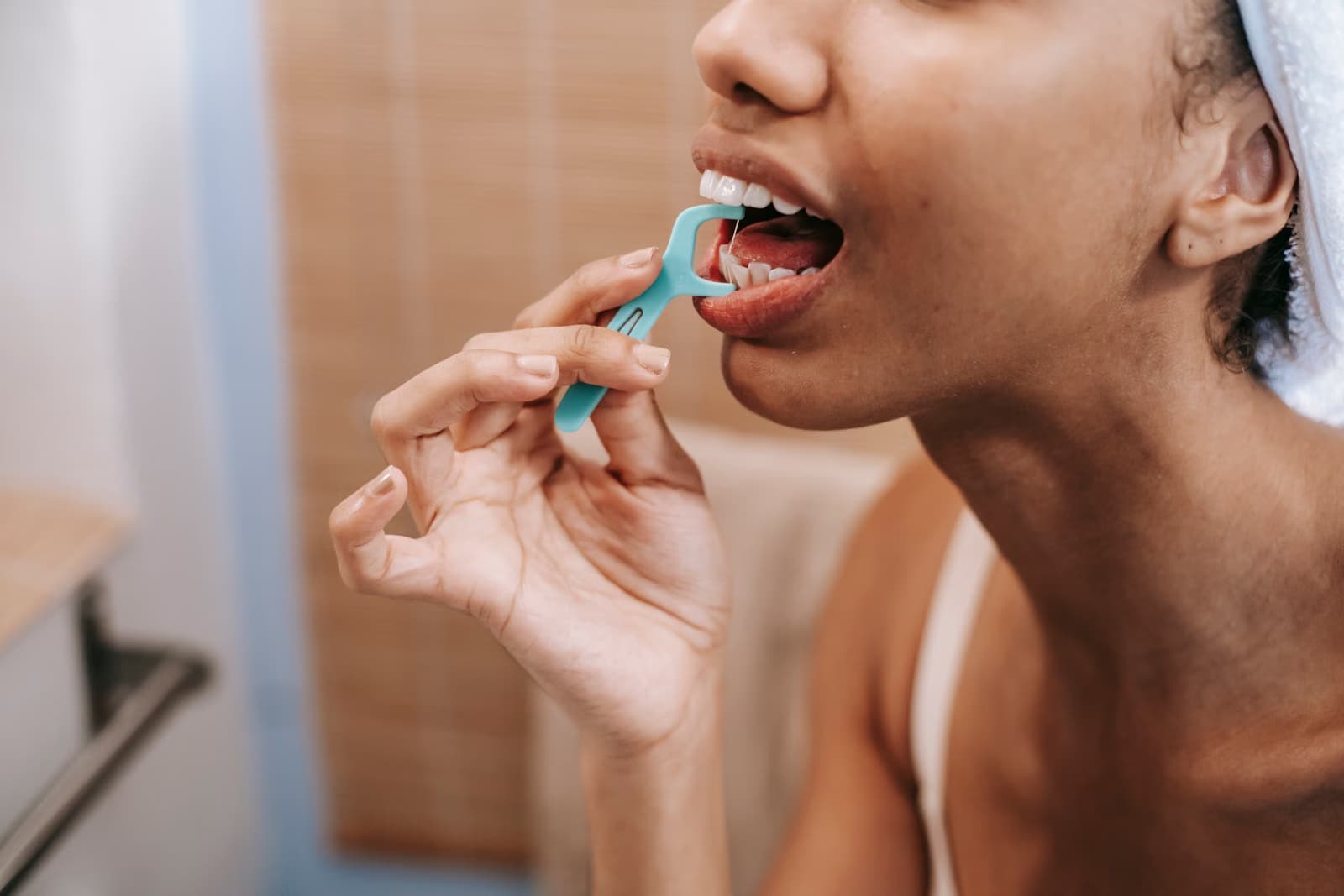
A brush cannot reach where teeth touch, where much gum disease and decay starts, so the ADA recommends cleaning between the teeth once a day. Gums that bleed at first usually settle within two weeks; if not, see a dentist.
- String floss: ease it between two teeth without snapping it into the gum, curve it into a C shape against one tooth, slide just under the gum and rub up and down; repeat on the next tooth with a fresh section (ADA).
- Floss picks: floss on a handle, easier for back teeth; same C-shape. The Getwell dental floss picks pack says to follow each tooth's curve, use each pick once, and keep them away from young children.
- Interdental brushes: for wider gaps, bridges and braces; choose the largest size that fits without forcing. The NHS advises against wooden toothpicks.
Do I need mouthwash, and when should I use it?
No routine needs one. The ADA calls mouthwash a helpful addition for some people, not a replacement for brushing and flossing, and not for children under six. The NHS says not straight after brushing, because it washes the fluoride off; use it at another time and avoid eating or drinking for 30 minutes.
Fluoride rinses add decay protection for people with frequent cavities, braces or dry mouth; antiseptic (essential-oil) rinses with eucalyptol, menthol, thymol and methyl salicylate modestly reduce plaque and gingivitis as an add-on.
Alcohol-free versions avoid the burning; a link between alcohol rinses and oral cancer is unproven. Orostar Plus mouthwash 250 ml is an alcohol-free essential-oil rinse with sodium fluoride; the pack says rinse with 10 ml at full strength for one minute, morning and night, avoid eating, rinsing or smoking for 30 minutes, and not under 12 years. So use it after a meal, not right after brushing. No mouthwash removes stuck-on plaque, cures gum disease or treats toothache.
What are the most common brushing mistakes?
| Mistake | Why it matters | Do this instead |
|---|---|---|
| Scrubbing hard or a hard brush | Wears enamel, pushes gums back | Soft brush, light pressure |
| Rinsing with water after brushing | Washes away the fluoride | Spit out the foam only |
| Skipping the night brush | Acid works all night | Brush last thing, then only water |
| Fluoride-free paste, or mouthwash straight after brushing | No fluoride left on the teeth | 1,350–1,500 ppm; rinse at another time |
How strong is the evidence? Good: fluoride toothpaste, daily interdental cleaning, less free sugar, no tobacco or areca nut (NHS, ADA, WHO); powered brushes slightly better (Cochrane). Modest: essential-oil rinses, tongue cleaning, whitening pastes for surface stains. Traditional use only: neem datun, charcoal, salt and oil pulling, with no fluoride and no proof against decay.
What else protects teeth: diet, tobacco, dry mouth and check-ups?
Sugar: how often matters more than how much
Each sugary mouthful gives plaque about half an hour of acid, so frequent sweet tea and snacks keep teeth under attack. The WHO advises few free sugars and water as the main drink: keep sweets to mealtimes, drink water after meals, avoid fizzy drinks between meals.
Tobacco, paan, zarda and gul
The WHO lists tobacco, alcohol and areca nut (betel quid) among the leading causes of oral cancer, and tobacco as a main risk factor for severe gum disease. Paan with supari is harmful even without zarda; zarda and gutka add tobacco carcinogens, and gul is tobacco powder, not a tooth cleaner.
Dry mouth
Saliva washes and repairs teeth, so dryness from medicines, diabetes or mouth-breathing raises decay risk. Sip water, chew sugar-free gum, and see a doctor if it lasts more than a few weeks.
Dental check-ups and scaling
Early decay and gum disease do not hurt. Most dentists suggest a check-up every six to twelve months, more often if you have gum disease or frequent decay. Scaling removes hardened tartar that no brush can; it does not loosen teeth.
Do whitening toothpastes and home kits really work?
According to the ADA, whitening toothpastes rely mainly on mild abrasives that polish off surface stains; peroxide strips or gels actually bleach and do more, though only natural teeth lighten and temporary sensitivity and gum irritation are common. The ADA finds insufficient evidence for charcoal products, and a charcoal-and-salt mix caused enamel abrasion. The NHS advises against whitening under 18, in pregnancy or breastfeeding, or with unhealthy gums. You can browse teeth whitening products on MedEasy, but ask a dentist first about the cause.
When should I see a dentist or doctor?
See a dentist if you have toothache for more than a day or two, pain on biting or pain that wakes you; sensitivity in one tooth, a broken tooth or a hole; gums still bleeding after two weeks of daily cleaning, loose teeth or pus; persistent bad breath; a patch, lump or ulcer lasting over three weeks; or no check-up in a year.
Emergency signs: facial or jaw swelling, fever with tooth pain, difficulty swallowing, breathing or opening the mouth: go to a hospital emergency department or call 999. An online doctor on MedEasy can advise on pain relief, signs of infection and urgency, but only a dentist can examine the tooth and treat the cause. Do not self-prescribe antibiotics for toothache; they do not fix the tooth and drive resistance.
Common beliefs and questions in Bangladesh
“You must rinse with water after brushing.”
No. Spit out the foam and leave the fluoride on the teeth; rinsing undoes part of the benefit.
“Mouthwash does the job of flossing.”
A liquid cannot scrape off plaque stuck between teeth; flossing is essential, mouthwash optional.
“A hard brush and whitening paste make teeth whiter.”
Hard scrubbing wears enamel and exposes yellow dentine, so teeth look darker and turn sensitive.
“Neem datun, charcoal or salt is as good as toothpaste.”
They rub plaque off but contain no fluoride, so they do not prevent decay; use a datun alongside fluoride paste, not instead.
“You only need a dentist when it hurts.”
Pain is a late sign: a cavity found at a check-up needs a simple filling; a year later it may need a root canal.
“Paan is good for digestion and strengthens teeth.”
The WHO names areca nut among the leading causes of oral cancer; paan also stains teeth.
References
- How to keep your teeth clean - NHS
- Brushing Your Teeth - American Dental Association (MouthHealthy)
- Mouthwash (Mouthrinse) - American Dental Association (MouthHealthy)
- Powered/electric toothbrushes compared to manual toothbrushes for maintaining oral health - Cochrane
- Oral health fact sheet - World Health Organization (WHO)
- Whitening (Oral Health Topics) - American Dental Association (ADA)
This article is for general awareness and is not a substitute for advice from a dentist or doctor. The products mentioned are examples of what is available and do not replace a dental examination; always read the pack and follow your dentist's advice.