Quick answer: Sensitive teeth usually mean the dentine under the enamel is exposed, so cold, sweet or hot things reach the nerve and cause a short, sharp pain. A fluoride desensitising toothpaste (potassium nitrate, stannous fluoride or NovaMin) used twice daily helps many people over two to four weeks, not instantly. Pain that lingers, hurts on biting, affects one tooth or comes with swelling needs a dentist.
Why do cold, sweet or hot things cause a sharp pain in a tooth?
Under the enamel of the crown and the thin cementum of the root lies dentine, full of microscopic tubes (dentinal tubules) running to the nerve. When enamel wears away or the gum pulls back from the root, the tubules are left open. Cold water, a sweet, something sour or cold air moves the fluid inside them and the nerve fires. Dentists call this dentine hypersensitivity; the American Dental Association (ADA) describes the same mechanism.
The key word is short. Typical sensitivity is a sharp pain tied to a trigger, often in several teeth, fading within seconds. Pain that lingers, throbs or arrives on its own is a different problem (see the warning signs below).
What causes sensitive teeth?
- Gum recession: gums shrink back with age, gum disease or hard brushing, exposing the root, which has no enamel.
- Acid erosion: soft drinks, lemon water, tamarind, pickles, frequent vomiting and acid reflux dissolve enamel; the ADA warns that erosion is permanent. If you have heartburn, read our article on acidity, GERD and acid-reducing medicines.
- Over-brushing: a hard brush or sideways scrubbing wears a notch at the gum line.
- Teeth grinding (bruxism) wears enamel flat; tooth whitening commonly causes temporary sensitivity.
- Decay, a cracked tooth or a worn filling: the ADA lists these among the causes. No toothpaste fixes them.
- Abrasives: charcoal powder, salt and gul (tobacco tooth powder) scrape away enamel and gum.
How does desensitising toothpaste work, and does it really help?
Potassium nitrate releases potassium ions that make the nerve less excitable. Stannous fluoride and calcium sodium phosphosilicate (NovaMin) plug the open tubules with a mineral or tin-rich layer. Both effects build up with repeated use and fade when you stop.
What the evidence says
- Potassium nitrate: limited to moderate evidence. A Cochrane review of six trials found less sensitivity to an air blast and touch at 6 to 8 weeks but no significant change in people's own pain ratings, and called the evidence unclear. A 2018 systematic review in the Journal of Dentistry (53 randomised trials, 4,796 adults) found potassium pastes beat ordinary toothpaste, with moderate-quality evidence.
- Stannous fluoride and NovaMin: moderate evidence. The same review found moderate-quality evidence that stannous fluoride, calcium sodium phosphosilicate and arginine beat plain toothpaste, advised against strontium pastes, and called for better trials.
- Timing: the ADA says a desensitising toothpaste usually requires several applications. Most people notice a change in two to four weeks; trials measured benefit at six to eight weeks.
In short: modest, real relief, slowly, and only while you keep using the paste. Gentler brushing and less acid matter just as much.
| Active ingredient | How it works | Evidence | Time to effect | Example on MedEasy |
|---|---|---|---|---|
| Potassium nitrate 5% | Calms the nerve | Limited to moderate | 2 to 8 weeks | Sensodyne Fresh Mint 75 g |
| Stannous fluoride 0.454% | Plugs tubules; also fights plaque | Moderate | Up to 4 weeks | Sensodyne Rapid Relief 40 g |
| Calcium sodium phosphosilicate (NovaMin) | Forms a mineral layer over tubules | Moderate | 2 to 8 weeks | Sensodyne Repair & Protect |
| Unnamed agent + 1,000 ppm fluoride | Not stated | Cannot be graded | Unknown | Mediplus DS 140 g |
The three Sensodyne pastes also contain fluoride. Mediplus DS (sodium monofluorophosphate, 1,000 ppm fluoride) lists a desensitising agent and a whitening agent without naming them, so its effect cannot be judged. More options are on the MedEasy toothpaste page.
How should you use a sensitivity toothpaste?
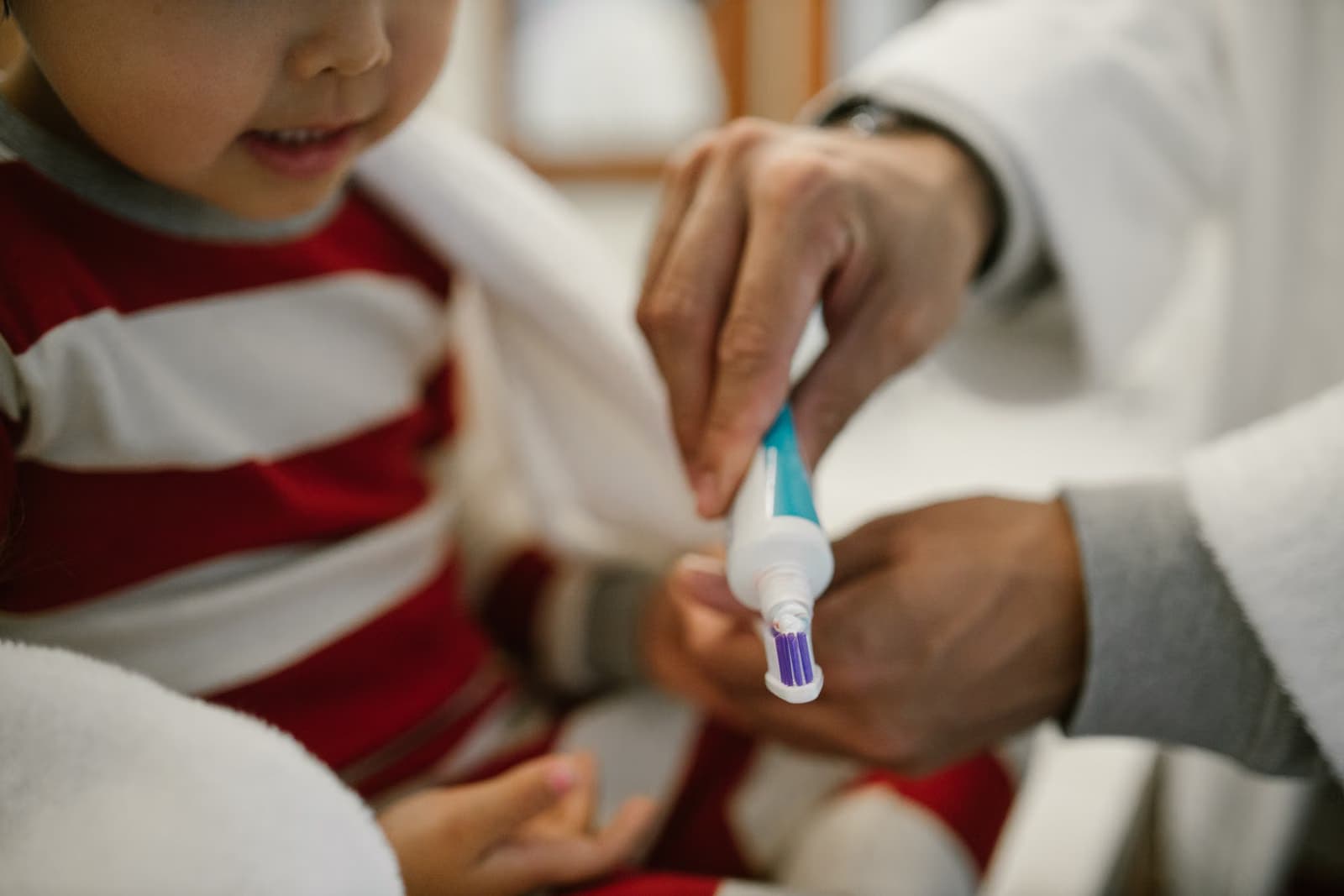
- Replace, do not add. Use it instead of your normal toothpaste, twice daily.
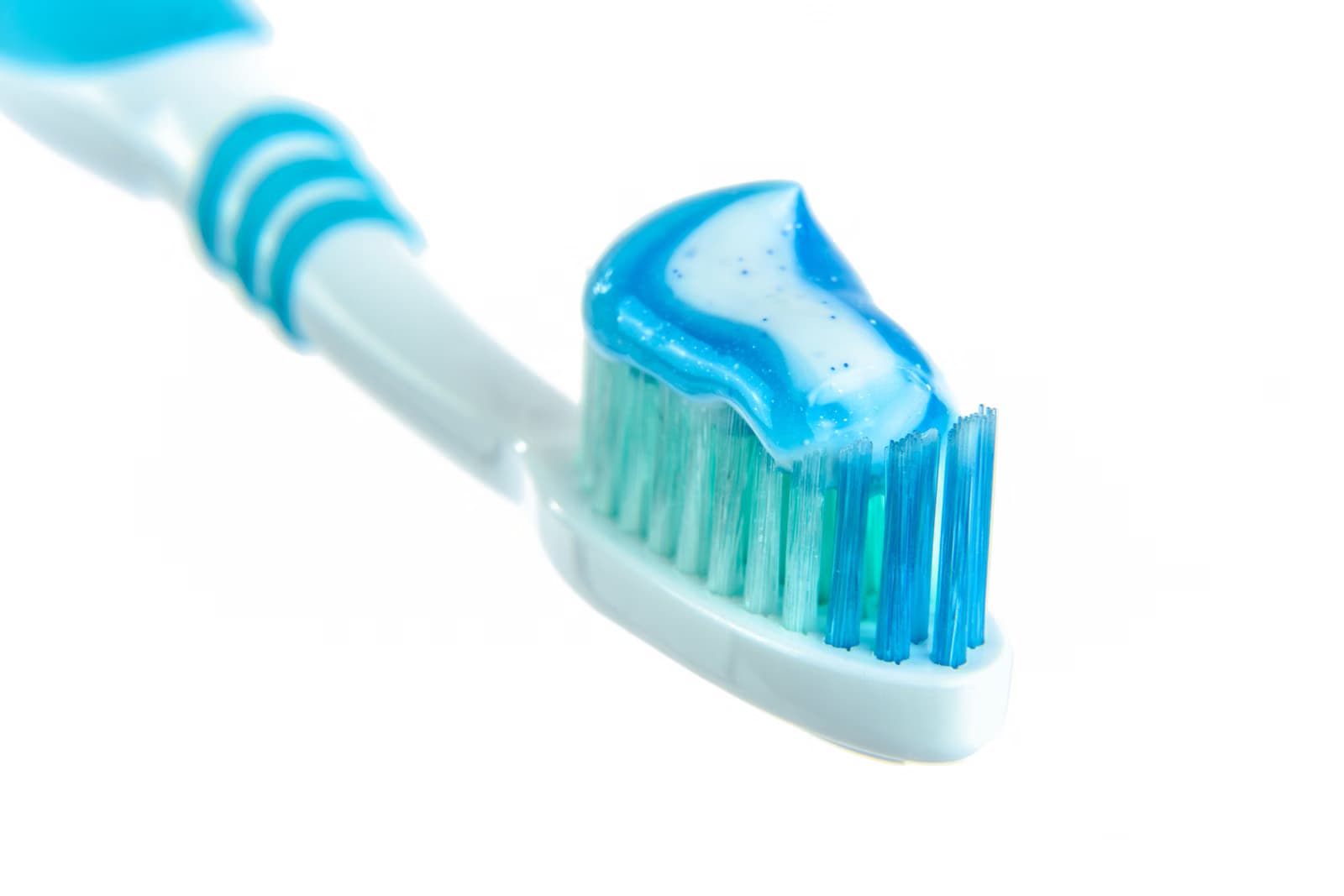
- Follow the pack. The Sensodyne Fresh Mint pack says a 1-inch strip, brush one minute twice a day, not more than three times a day, ages 12 and over (under 12 ask a dentist). Rapid Relief: brush twice daily, spit out, see a dentist if pain persists after four weeks. Repair & Protect: a pea-sized amount twice daily, ages 12 and over. Mediplus DS: twice daily.
- Spit, do not rinse. The NHS advises spitting out the excess and not rinsing, so fluoride and the active stay on the teeth.
- At night, rub a little paste onto the sensitive spot and leave it.
- Give it two to four weeks. No change after four weeks of twice-daily use means see a dentist.
- Check the fluoride. The NHS recommends at least 1,350 ppm fluoride for adults; Mediplus DS declares 1,000 ppm, so ask your dentist whether it is enough for you.
Who should be careful?
- Children under 12: the Sensodyne packs say not without a dentist's advice; sensitivity in a child more often means decay.
- Pregnancy: these ingredients are not known to cause problems, but tooth pain in pregnancy still deserves a dental check.
- Anyone with the warning signs below: a desensitising paste can mask early decay; do not let it delay a check-up.
How should you brush and eat when your teeth are sensitive?
- Soft brush, light pressure. The NHS suggests a small-headed brush with soft or medium bristles: small circles at the gum line, two minutes twice a day, with a 1,350 to 1,500 ppm fluoride paste.
- Wait an hour after acid before brushing, the ADA advises, because softened enamel brushes away easily.
- Cut acid frequency. Keep fizzy drinks, lemon water and pickles to mealtimes, use a straw, and finish with water or milk (ADA).
- Treat reflux and vomiting, which bathe the teeth in stomach acid.
- Skip abrasives. Charcoal, salt, gul and coarse whitening pastes wear enamel. A neem datun cleans but has no fluoride, so it is an addition, not a replacement.
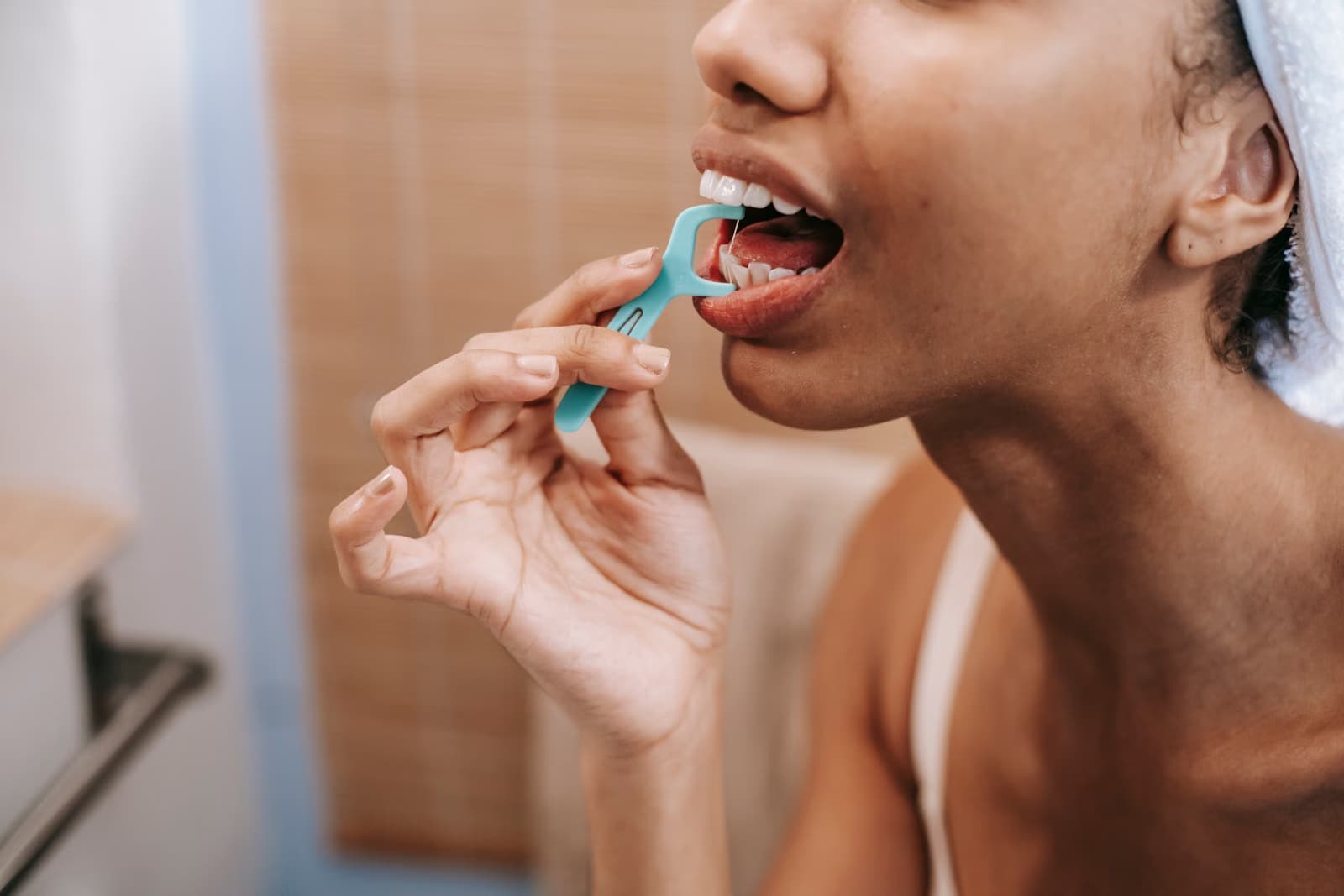
- Clean between the teeth daily with floss or interdental brushes; see the MedEasy oral care page.
What can a dentist do that toothpaste cannot?
The ADA lists in-office fluoride gel to strengthen the exposed surface; bonding, an inlay or a crown to cover a worn notch or decay; a gum graft when the root has lost its gum covering; and root canal treatment only when sensitivity is severe, persistent and nothing else has helped. A dentist can also replace a leaking filling, treat a crack and make a night guard for grinding. No toothpaste closes a cavity or a crack.
When should you see a dentist or doctor? Warning signs
Decay, cracks and worn fillings also cause sensitivity, so pain that behaves differently from the short, trigger-linked zing needs examination. See a dentist within days for:
- Pain that lasts minutes after the trigger is gone, or throbs.
- Pain on biting or chewing, or a tooth that feels loose or cracked.
- Spontaneous pain, especially at night, suggesting an inflamed nerve (pulpitis).
- Sensitivity clearly in one tooth, getting worse, or not improved after four weeks of a desensitising paste; a visible hole or dark spot.
- A swollen gum, cheek or jaw, bad taste, pus, fever or tender glands. The NHS says a dental abscess will not go away on its own and needs urgent dental care.
Emergency: the NHS advises emergency care for swelling around the eye or down the neck, trouble breathing, speaking or swallowing, or being unable to open the mouth. In Bangladesh go to a hospital emergency department or call 999. Paracetamol as directed on the pack can ease pain meanwhile. You can consult a doctor online on MedEasy about painkillers, signs of infection and urgency, but the tooth itself must be examined by a dentist. Do not start antibiotics on your own: they do not cure the cause and feed resistance.
Common beliefs and questions in Bangladesh
“Sensitivity means the tooth is dying.”
Usually not. Most sensitivity is exposed dentine over a healthy nerve. A dying nerve gives lingering, throbbing or night pain in one tooth, which needs a dentist.
“Brushing harder cleans better.”
No. Plaque is soft and comes away with light pressure. Hard scrubbing notches the root and pushes the gum back, a common cause of sensitivity.
“Lemon, salt or charcoal whiten teeth and fix sensitivity.”
Lemon is an acid that dissolves enamel; salt and charcoal are abrasives that scrape it off. They may lift a little stain but worsen sensitivity, and the damage is permanent.
“Once the pain stops I can stop the toothpaste.”
Both the layer over the tubules and the calming of the nerve fade within weeks of stopping, and the pain usually returns. Keep it as your everyday fluoride toothpaste.
“Sensitivity toothpaste works instantly like a painkiller.”
It does not. Even the fastest formulas need repeated brushing to build their effect; the evidence is measured in weeks. A tooth that needs painkillers is probably not simple sensitivity.
References
- Potassium containing toothpastes for dentine hypersensitivity - Cochrane
- Effect of desensitizing toothpastes on dentine hypersensitivity: a systematic review and meta-analysis (Journal of Dentistry, 2018) - PubMed
- Sensitive Teeth - American Dental Association (MouthHealthy)
- How to keep your teeth clean - NHS
- Dietary Acids and Your Teeth - American Dental Association (MouthHealthy)
- Dental abscess - NHS
This article is for general awareness and is not a substitute for advice from a dentist or doctor. The toothpastes mentioned do not replace a dental examination; persistent pain, pain on biting or swelling needs a dentist.