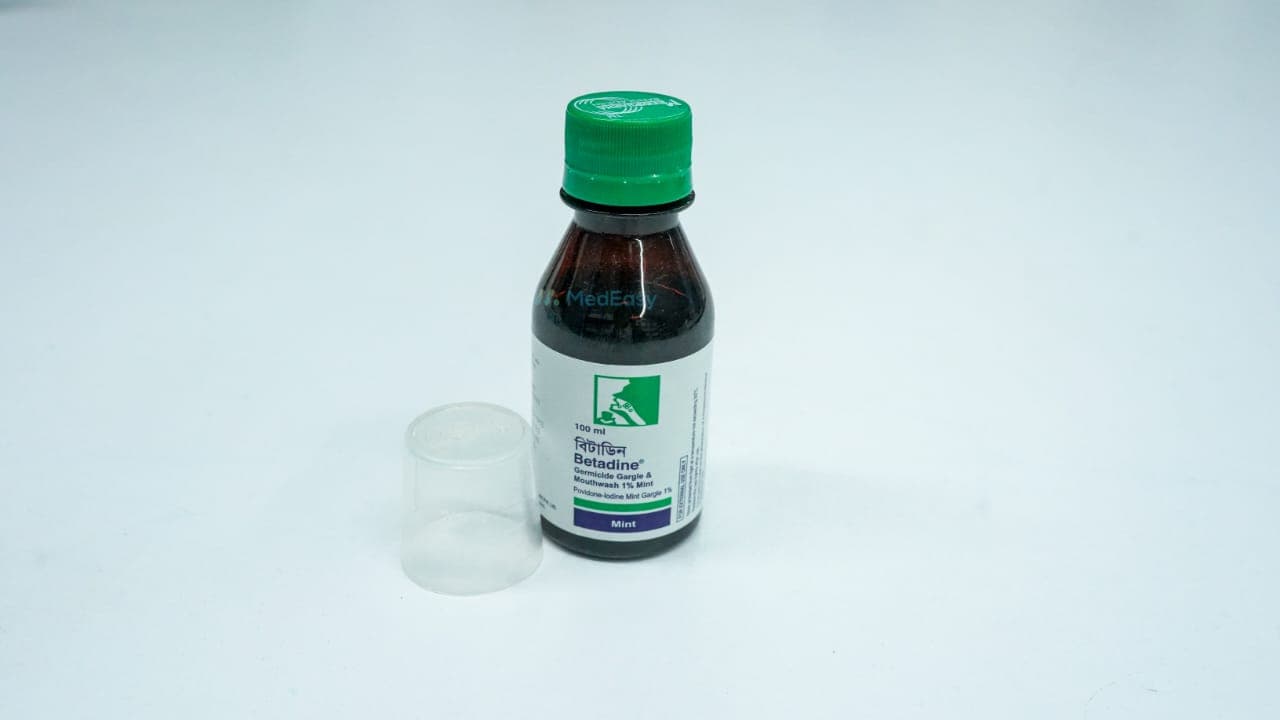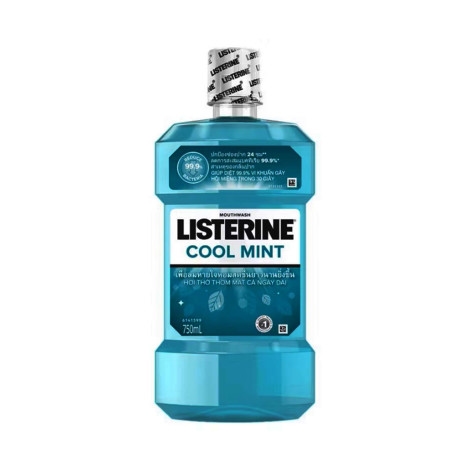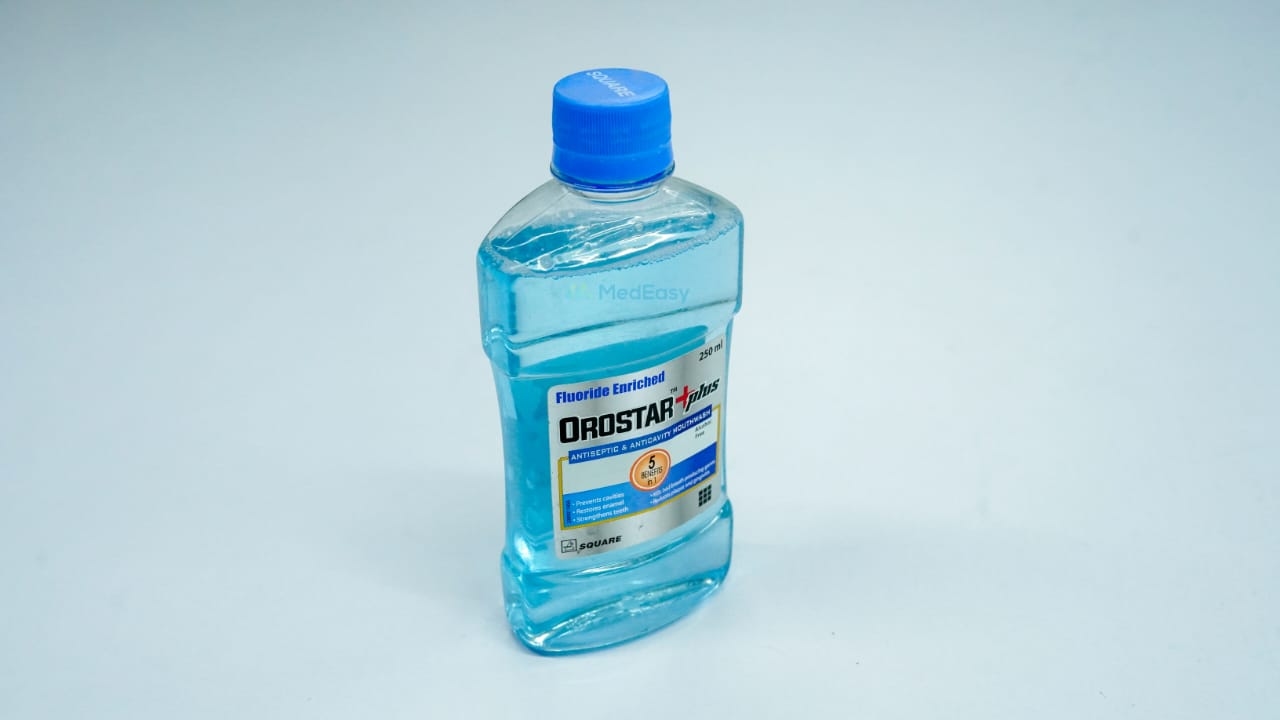
Viodin 1%100 ml
Square Pharmaceuticals PLC.

Betadine 1% is a broad-spectrum topical antiseptic with the following evidence-based uses:
Betadine 1% is not a systemic antibiotic; it does not treat systemic or deep-tissue infections and is not a substitute for prescribed systemic antimicrobial therapy when that is indicated.
Povidone Iodine is available in several topical dosage forms, each containing povidone-iodine (an iodophor complex of iodine with the polymer povidone) as the active antimicrobial ingredient. Common strengths marketed include:
Exact excipients vary by manufacturer and formulation; always check the label of the specific brand dispensed.
Betadine 1% is a broad-spectrum topical antiseptic belonging to the iodophor class. It is a stable chemical complex of elemental iodine with the water-soluble polymer povidone, which acts as a carrier and slowly releases free iodine at the site of application.
Because the iodine is bound to povidone, Betadine 1% is less irritating and less likely to stain or sting than free aqueous or tincture iodine preparations, while retaining potent antimicrobial activity. It is widely used in hospital and household settings for skin antisepsis, wound care, and pre-procedural skin preparation.
Topical Antiseptic and Disinfectant (Iodophor)
Povidone Iodine exerts antimicrobial activity through the sustained release of free iodine from the povidone-iodine complex on contact with skin, mucous membranes, or wound exudate.
Free iodine rapidly penetrates the cell walls of microorganisms and oxidizes and iodinates key cellular components, including proteins, nucleotides, and fatty acids, leading to disruption of protein synthesis and cell membrane structure and ultimately cell death.
This mechanism gives Povidone Iodine a broad spectrum of activity against gram-positive and gram-negative bacteria (including some resistant strains), fungi, viruses, protozoa, and bacterial spores, with a low potential for microorganisms to develop resistance.
Dosage and method of application of Betadine 1% vary by formulation and indication. Use only the dosage form specifically intended for the site being treated (e.g., do not use surgical scrub or vaginal formulations on open skin wounds, and vice versa).
| Indication / Form | Typical Adult Use | Notes |
|---|---|---|
| Minor cuts, scrapes, and skin antisepsis (solution, ointment, spray) | Clean the area, then apply a thin film of Betadine 1% 1–3 times daily; may be covered with a sterile bandage once dry. | Do not use continuously for more than 7 days without medical advice; discontinue if irritation develops. |
| Pre-operative / pre-injection skin preparation (solution, scrub) | Apply Betadine 1% to the operative or injection site and allow to dry (usually 1–2 minutes) before the procedure; surgical scrub is worked into a lather over hands/forearms or the surgical site for about 5 minutes, then rinsed. | For healthcare professional use; follow institutional aseptic technique protocols. |
| Oral antisepsis / gargle (1% gargle solution) | Gargle or rinse with about 10 mL (diluted with an equal volume of warm water if directed on the label) for 30 seconds, up to 4 times daily. | For short-term use (up to 14 days); do not swallow. |
| Vaginal antisepsis (10% gel, where labeled for this use) | Use as directed on the product label or by a physician. | Discontinue during pregnancy unless specifically directed by a physician. |
Betadine 1% is intended for external/topical or mucosal use only, exactly as labeled for the specific product; it must never be injected or swallowed. Use the lowest effective frequency and duration needed, and avoid application over large areas of broken skin, deep or puncture wounds, or serious burns without medical supervision (see Precautions and Warnings).
Betadine 1% is for external topical use (or oral/mucosal use only for products specifically labeled as a gargle, mouthwash, or vaginal preparation). General administration points:
Well-documented clinically significant interactions with Betadine 1% are limited, since systemic absorption is normally minimal with correct topical use. Notable interactions include:
Povidone Iodine is contraindicated in:
Other situations such as thyroid disease, neonatal use, pregnancy, and use on large wounds or burns warrant caution rather than absolute avoidance — see Precautions and Warnings and Use in Special Populations.
Betadine 1% is generally well tolerated when used as directed. Reported side effects include:
Discontinue Betadine 1% and seek medical advice if a rash, marked redness, swelling, or signs of an allergic reaction develop.
Pregnancy: Occasional, limited topical use of Betadine 1% on small areas of intact skin is generally considered low risk because systemic absorption is minimal. However, regular, prolonged, or extensive use (e.g., as a routine vaginal douche, regular gargle, or over large wound/burn areas) should be avoided during pregnancy, as absorbed iodine can cross the placenta and theoretically affect fetal thyroid function. Betadine 1% should be used in pregnancy only if clearly needed and the potential benefit justifies the potential risk; consult a physician before regular or extensive use.
Breastfeeding: Iodine absorbed from Betadine 1% can be excreted in breast milk and may affect the infant's thyroid function with regular or extensive maternal use, particularly if applied near the breast/nipple area. Limit use to small areas, avoid application to the nipple/areola before breastfeeding, and consult a physician for regular or extensive use during lactation.
Betadine 1% is for external/topical use, or mucosal use only for products specifically labeled for that purpose (e.g., gargle, vaginal gel); do not swallow or inject.
Overdose or excessive systemic absorption of Betadine 1% can occur from accidental ingestion, or from extensive/prolonged application to large wound or burn surfaces. Features may include: nausea, vomiting, abdominal pain, diarrhea, mucosal irritation/burns of the mouth and throat, metallic taste, electrolyte disturbances (e.g., hypernatremia), metabolic acidosis, acute kidney injury, cardiovascular collapse, and thyroid dysfunction.
If accidental ingestion or signs of systemic toxicity occur, seek immediate medical attention or contact a poison control center/emergency services right away. Do not attempt specific home treatment; management should be supportive care under medical supervision.
Store at room temperature (below 30°C), away from light and moisture, and keep the container tightly closed. Keep out of reach of children.
Neonates and infants: Use Betadine 1% with caution in neonates, particularly premature infants, due to a higher risk of systemic iodine absorption and transient hypothyroidism; limit to the smallest area and shortest duration necessary, and use only under medical supervision.
Elderly: No specific dose adjustment is generally required for topical use; use with the same precautions regarding skin integrity and thyroid disease as in other adults.
Renal impairment: Use with caution and avoid extensive or prolonged application, as reduced renal clearance of absorbed iodine may increase the risk of systemic iodine accumulation.
Hepatic impairment: No specific data suggest a need for dose adjustment with normal topical use; general precautions regarding extensive use still apply.
Thyroid disease: Use only under medical advice; see Precautions and Warnings.
Duration of use of Betadine 1% depends on the formulation and indication: general skin antisepsis and minor wound care should generally not exceed 7 days of continuous use without medical advice; gargle/mouthwash use should generally not exceed 14 days. Pre-operative or pre-injection skin preparation is a single, brief application per procedure. If the condition being treated persists, worsens, or does not improve within a few days, stop use and consult a physician.
Iodophors; Topical Antiseptics and Disinfectants
Povidone Iodine works by slowly releasing free iodine from its complex with povidone upon contact with skin, mucosa, or wound fluid. Free iodine oxidizes and iodinates microbial proteins, enzymes, and nucleic acids, disrupting essential cellular processes and the microbial cell membrane, which results in rapid, broad-spectrum microbicidal activity against bacteria, fungi, viruses, and protozoa.
Topical use of Betadine 1% in older children and adolescents follows the same general precautions as in adults, applied to the smallest necessary area for the shortest effective duration.
In neonates and infants, particularly premature or low-birth-weight infants, safety and efficacy of repeated or extensive use have not been well established; there is an increased risk of systemic iodine absorption and transient hypothyroidism with regular or extensive application. Use in this age group only under direct medical supervision, limiting the area and frequency of application, and monitor thyroid function if repeated use is medically necessary. Povidone-iodine dusting powder and similar concentrated formulations are generally not recommended for children under 2 years of age.
Q: What is Betadine 1% 100 ml Mouthwash used for?
A: Betadine 1% 100 ml Mouthwash is a topical antiseptic used to disinfect the skin before surgery or injections, to clean and help prevent infection in minor cuts, scrapes, and wounds, and, in specific gargle/mouthwash formulations, for short-term oral antisepsis. It should always be used exactly as directed on the label of the specific product.
Q: Can I use Betadine 1% 100 ml Mouthwash on a deep wound or a serious burn?
A: No. Betadine 1% 100 ml Mouthwash should not be applied to deep puncture wounds, animal bites, or serious burns without first consulting a physician, because extensive absorption of iodine through damaged skin can lead to systemic side effects, including effects on the kidneys and thyroid.
Q: Is Betadine 1% 100 ml Mouthwash safe during pregnancy?
A: Occasional, limited topical use on small areas of intact skin is generally considered low risk, but regular, prolonged, or extensive use of Betadine 1% 100 ml Mouthwash (such as a vaginal douche or over large wound areas) should be avoided during pregnancy because absorbed iodine may affect the developing baby's thyroid. Use only if clearly needed and after consulting a physician.
Q: Can Betadine 1% 100 ml Mouthwash be used on children and babies?
A: Betadine 1% 100 ml Mouthwash can be used in older children with the same general precautions as adults. In newborns and young infants, it should be used only under medical supervision and for the shortest time and smallest area needed, because babies absorb iodine more readily and are more sensitive to its effects on thyroid function. Concentrated powder formulations are generally not recommended under 2 years of age.
Q: What should I do if I accidentally swallow Betadine 1% 100 ml Mouthwash?
A: If Betadine 1% 100 ml Mouthwash is swallowed accidentally, seek immediate medical attention or contact a poison control center or emergency services right away, especially in children. Do not try to induce vomiting or treat it at home without professional guidance.
Q: Can I use Betadine 1% 100 ml Mouthwash together with other antiseptics like hydrogen peroxide or chlorhexidine?
A: It is best not to mix or apply Betadine 1% 100 ml Mouthwash immediately after other antiseptics such as hydrogen peroxide, chlorhexidine, or silver- or mercury-containing products, as they can inactivate each other's antimicrobial effect or, in some cases, increase irritation. Rinse and dry the area between products if a switch is medically advised.
Disclaimer
The information provided is accurate to the best of our knowledge, but product packaging, ingredients, and specifications may change without notice. Please check the product packaging before use and consult the manufacturer or a relevant professional for any concerns or questions.