10% Off
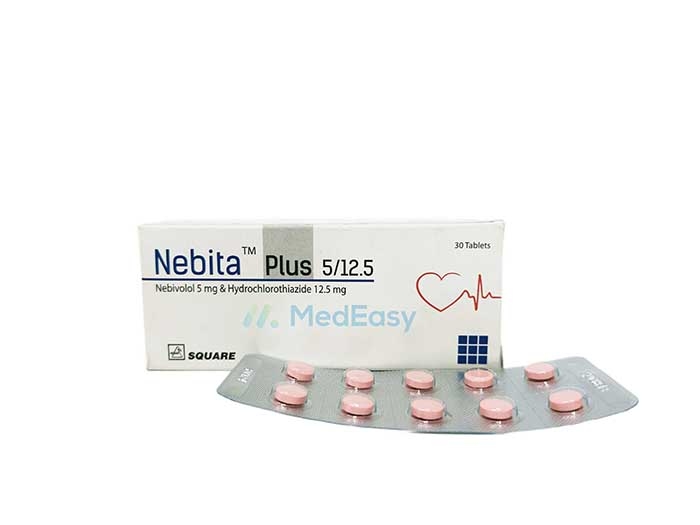
Nebita Plus5 mg+12.5
Square Pharmaceuticals PLC.
৳108.00
Add to cart


Bipinor Plus is a fixed-dose combination indicated for the treatment of hypertension (high blood pressure), used to lower blood pressure in adults.
Bipinor Plus lowers blood pressure only; it does not treat the underlying cause of hypertension and does not replace lifestyle measures (diet, weight control, exercise, reduced salt intake) recommended alongside drug therapy.
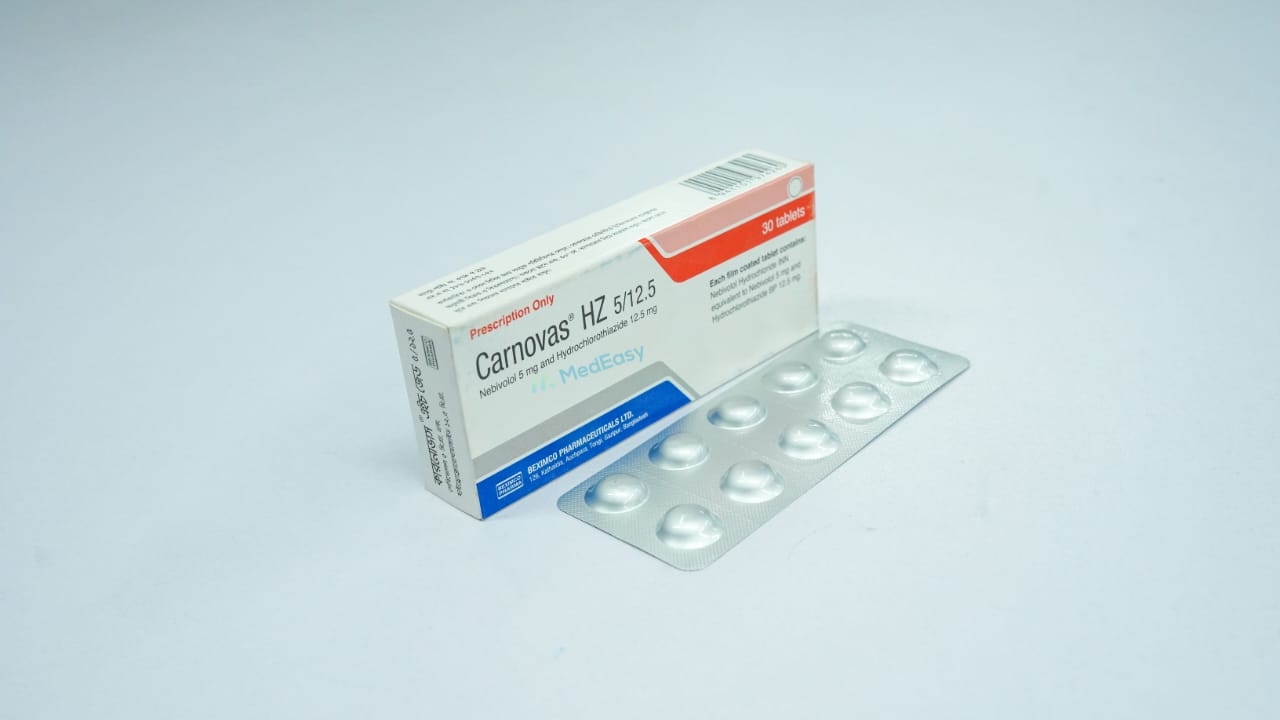
Each tablet of Nebivolol + Hydrochlorothiazide contains two active ingredients in fixed combination:
Common strengths available in the market include nebivolol 5 mg with hydrochlorothiazide 12.5 mg per tablet; exact strengths and available brands can vary, so patients should always check the specific product label dispensed to them.
Bipinor Plus is an oral fixed-dose combination antihypertensive medicine that pairs a cardioselective beta-blocker with a thiazide diuretic in a single tablet. It is used once daily to help patients reach blood pressure goals with a single pill instead of taking two separate tablets.
By combining two complementary mechanisms of blood pressure lowering, Bipinor Plus can achieve greater blood pressure reduction than either component used alone, while allowing lower doses of each ingredient, which may reduce dose-related side effects.
Bipinor Plus belongs to the therapeutic class of antihypertensive combination agents, specifically a beta-1 selective adrenergic blocker combined with a thiazide diuretic. It is classified under cardiovascular drugs used for the management of high blood pressure.
Nebivolol + Hydrochlorothiazide combines two agents with complementary and additive antihypertensive mechanisms:
Together, the reduced cardiac workload from beta-1 blockade and the volume/vascular effects of the diuretic produce a more pronounced and sustained reduction in blood pressure than either drug alone.
Pharmacokinetics (brief): Nebivolol undergoes extensive hepatic metabolism via CYP2D6; metabolizer status (extensive vs. poor) affects plasma levels, though clinical dosing is generally similar. Hydrochlorothiazide is not significantly metabolized and is excreted largely unchanged by the kidneys, with a plasma half-life of roughly 6–15 hours.
Bipinor Plus is taken by mouth, usually once daily, with or without food, at approximately the same time each day. Blood pressure should be reassessed periodically and the dose adjusted only under medical supervision.
| Indication | Typical adult dose |
|---|---|
| Hypertension, inadequately controlled on monotherapy | One tablet of the prescribed strength (commonly nebivolol 5 mg/hydrochlorothiazide 12.5 mg) once daily; dose may be adjusted by the physician based on response, typically not before 2 weeks of therapy. |
Use with caution in patients with renal impairment. Thiazides may be less effective and are generally avoided when creatinine clearance is markedly reduced (e.g., below approximately 30 mL/min); a physician should individualize therapy in this setting.
Bipinor Plus is contraindicated in severe hepatic impairment (see Contraindications). Use with caution and close monitoring in mild-to-moderate hepatic impairment.
If a dose is missed, it should be taken as soon as remembered unless it is close to the time of the next dose, in which case the missed dose should be skipped. Do not double the dose.
Do not stop Bipinor Plus abruptly, particularly in patients with underlying coronary artery disease; the beta-blocker component should be tapered gradually over one to two weeks under medical guidance (see Precautions and Warnings).
Bipinor Plus tablets should be swallowed whole with a glass of water, with or without food, once daily. Do not crush or chew the tablet unless specifically advised by a physician or pharmacist. Take the dose at a consistent time each day to maintain steady blood pressure control.
Bipinor Plus has clinically significant interactions related to both of its components:
Always inform the physician or pharmacist of all prescription, over-the-counter, and herbal products being used before starting Bipinor Plus.
Nebivolol + Hydrochlorothiazide is contraindicated in patients with any of the following:
Nebivolol + Hydrochlorothiazide should not be used in any of these conditions; inform the physician of any history of these conditions before starting treatment.
Side effects of Bipinor Plus arise from either the beta-blocker or the thiazide diuretic component.
Patients should seek prompt medical attention for signs of a serious allergic reaction, severe dizziness or fainting, very slow heartbeat, significant swelling, or difficulty breathing.
Pregnancy: Bipinor Plus should be used during pregnancy only if clearly needed and the potential benefit justifies the potential risk to the fetus. Beta-blockers used late in pregnancy have been associated with fetal/neonatal bradycardia and hypoglycemia, and the thiazide component can cross the placenta and has been associated with neonatal jaundice, thrombocytopenia, and reduced placental perfusion. A physician should always be consulted before use in pregnancy, and alternative agents are generally preferred where blood pressure control is needed during pregnancy.
Lactation: Both nebivolol and hydrochlorothiazide pass into breast milk. Thiazide diuretics may also reduce milk production. Bipinor Plus should be used during breastfeeding only under medical supervision, weighing the benefit to the mother against potential risk to the nursing infant; the infant should be monitored for signs such as poor feeding or unusual drowsiness if the mother uses this medicine.
Consult a physician before using Bipinor Plus if pregnant, planning pregnancy, or breastfeeding.
Overdose of Bipinor Plus may cause severe bradycardia, hypotension, bronchospasm, acute heart failure, and hypoglycemia (from the beta-blocker component), together with dehydration, electrolyte depletion, and lethargy or confusion (from the thiazide diuretic component). In severe cases, cardiac arrest is possible.
If an overdose is suspected, seek immediate medical attention or contact emergency services/a poison control center right away. Do not attempt to treat an overdose at home. Bring the medicine packaging with you to the hospital if possible. Management will be supportive and may include cardiac monitoring, IV fluids, and specific treatments administered by medical professionals under close supervision.
Store at room temperature (below 30°C), away from light and moisture. Keep out of reach of children.
Elderly: Bipinor Plus can be used in elderly patients; however, they may be more sensitive to blood-pressure-lowering and electrolyte effects. Start with caution and monitor renal function, electrolytes, and blood pressure closely, particularly for orthostatic hypotension and falls risk.
Renal impairment: Use with caution; thiazides are generally less effective and may not be appropriate in patients with significantly reduced kidney function (see Dosage and Administration).
Hepatic impairment: Contraindicated in severe hepatic impairment; use with caution and close monitoring in mild-to-moderate impairment.
Diabetic patients: Use with caution due to potential effects on blood glucose control and masking of hypoglycemia symptoms (see Precautions and Warnings).
Pediatric patients: Safety and efficacy have not been established in children and adolescents; Bipinor Plus is not recommended for use in this population (see Pediatric Uses).
Bipinor Plus is generally used long-term for ongoing control of high blood pressure, as hypertension is a chronic condition requiring continuous management. Treatment duration should be determined by the prescribing physician based on blood pressure response, and the medicine should not be stopped without medical advice, even if blood pressure appears well controlled, since discontinuation can cause rebound effects.
Antihypertensive combination; beta-1 selective adrenergic blocker (nebivolol) plus thiazide diuretic (hydrochlorothiazide).
Nebivolol + Hydrochlorothiazide lowers blood pressure through two complementary mechanisms: the nebivolol component selectively blocks beta-1 adrenergic receptors in the heart, reducing heart rate and cardiac output, while also promoting nitric-oxide-mediated vasodilation that reduces peripheral resistance. The hydrochlorothiazide component inhibits sodium and chloride reabsorption in the distal renal tubule, increasing urinary excretion of sodium and water, which reduces circulating blood volume and, with continued use, peripheral vascular resistance. The combined effect is a greater and more sustained reduction in blood pressure than either agent alone.
The safety and efficacy of Bipinor Plus have not been established in pediatric patients (children and adolescents under 18 years of age). It is not recommended for use in this age group outside of specialist supervision. If blood pressure management is needed in a child or adolescent, a pediatric specialist should be consulted for age-appropriate treatment options.
Q: What is Bipinor Plus 5 mg+12.5 mg Tablet used for?
A: Bipinor Plus 5 mg+12.5 mg Tablet is used to treat high blood pressure (hypertension) in adults, typically when blood pressure is not adequately controlled with a single blood pressure medicine alone.
Q: How should I take Bipinor Plus 5 mg+12.5 mg Tablet?
A: Take Bipinor Plus 5 mg+12.5 mg Tablet by mouth once daily, at about the same time each day, with or without food, exactly as prescribed by your physician. Do not change the dose or stop taking it without medical advice.
Q: Can I stop taking Bipinor Plus 5 mg+12.5 mg Tablet suddenly if I feel better?
A: No. Stopping Bipinor Plus 5 mg+12.5 mg Tablet abruptly, especially if you have underlying heart disease, can cause a sudden rise in blood pressure, worsening chest pain, heart attack, or dangerous heart rhythm problems. If your physician decides to discontinue it, the dose should be lowered gradually over one to two weeks.
Q: Is Bipinor Plus 5 mg+12.5 mg Tablet safe during pregnancy or breastfeeding?
A: Bipinor Plus 5 mg+12.5 mg Tablet should be used during pregnancy only if clearly needed, as it may affect the fetus, and during breastfeeding only under medical supervision, since both components pass into breast milk. Always consult your physician if you are pregnant, planning pregnancy, or breastfeeding before using Bipinor Plus 5 mg+12.5 mg Tablet.
Q: What side effects should I watch for with Bipinor Plus 5 mg+12.5 mg Tablet?
A: Common side effects include headache, dizziness, tiredness, slow heart rate, cold hands or feet, and increased urination. Seek medical attention promptly for signs of a serious allergic reaction, fainting, very slow heartbeat, or severe dizziness.
Q: Who should not take Bipinor Plus 5 mg+12.5 mg Tablet?
A: Bipinor Plus 5 mg+12.5 mg Tablet should not be used by people with severe bradycardia, sick sinus syndrome or advanced heart block without a pacemaker, decompensated heart failure, cardiogenic shock, severe liver impairment, anuria, or known hypersensitivity to nebivolol, hydrochlorothiazide, or sulfonamide-derived drugs. Discuss your full medical history with your physician before starting Bipinor Plus 5 mg+12.5 mg Tablet.
Disclaimer
The information provided is accurate to the best of our knowledge, but it does not replace professional medical advice. We cannot guarantee its completeness or accuracy, and the absence of specific information about a drug should not be taken as an endorsement. We are not responsible for any consequences arising from this information, so please consult a healthcare professional for any concerns or questions.