10% Off
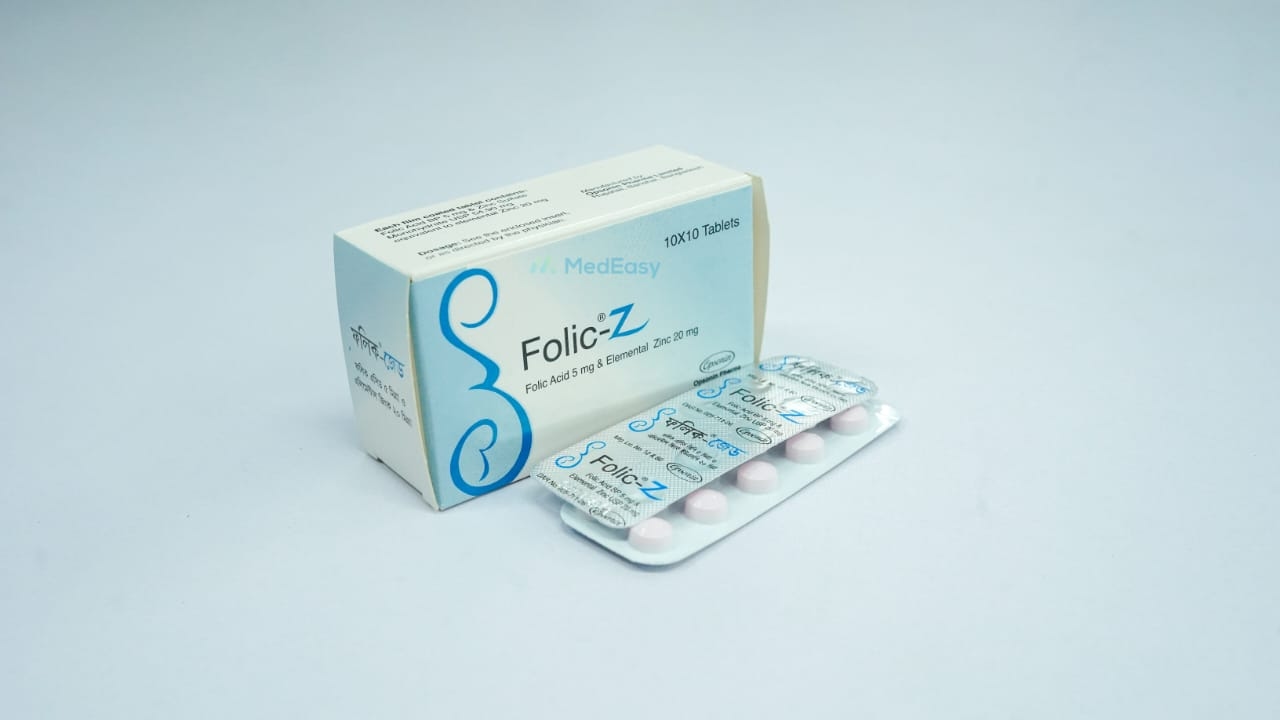
Folic-Z5 mg+20 mg
Opsonin Pharma Ltd.
৳22.50
Add to cart
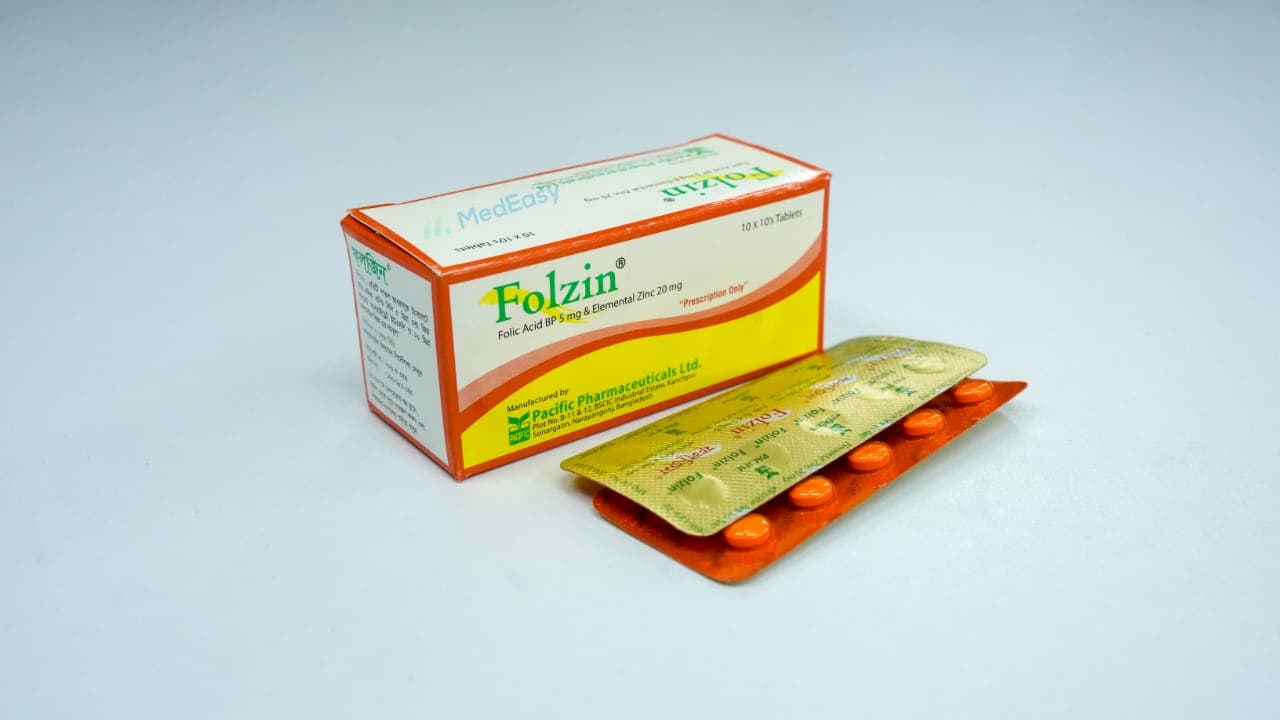
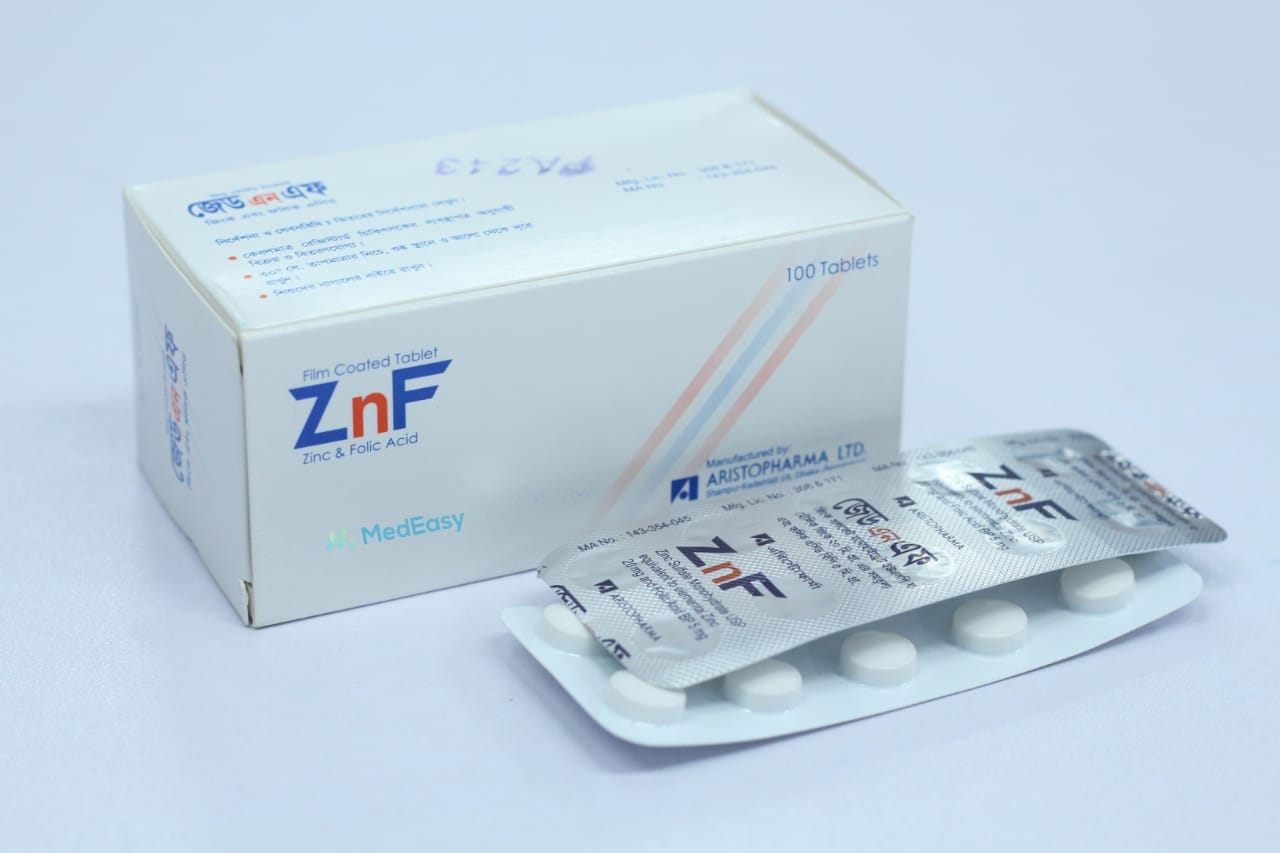
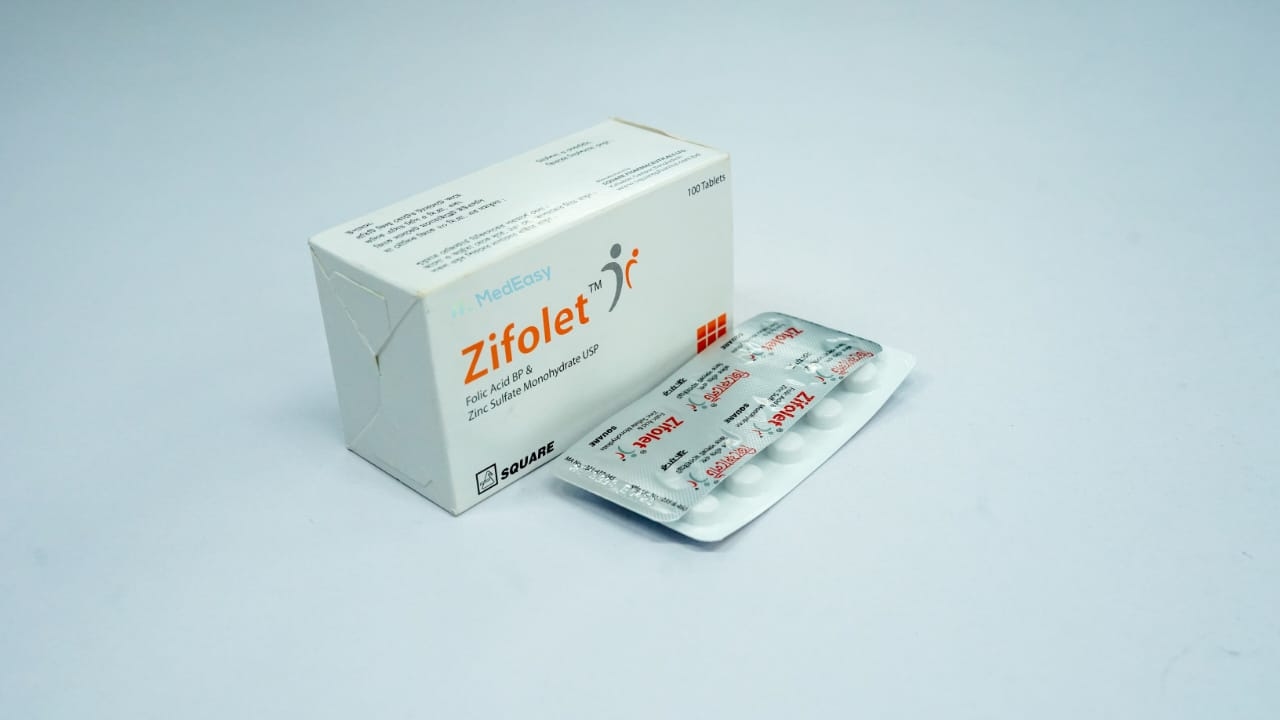
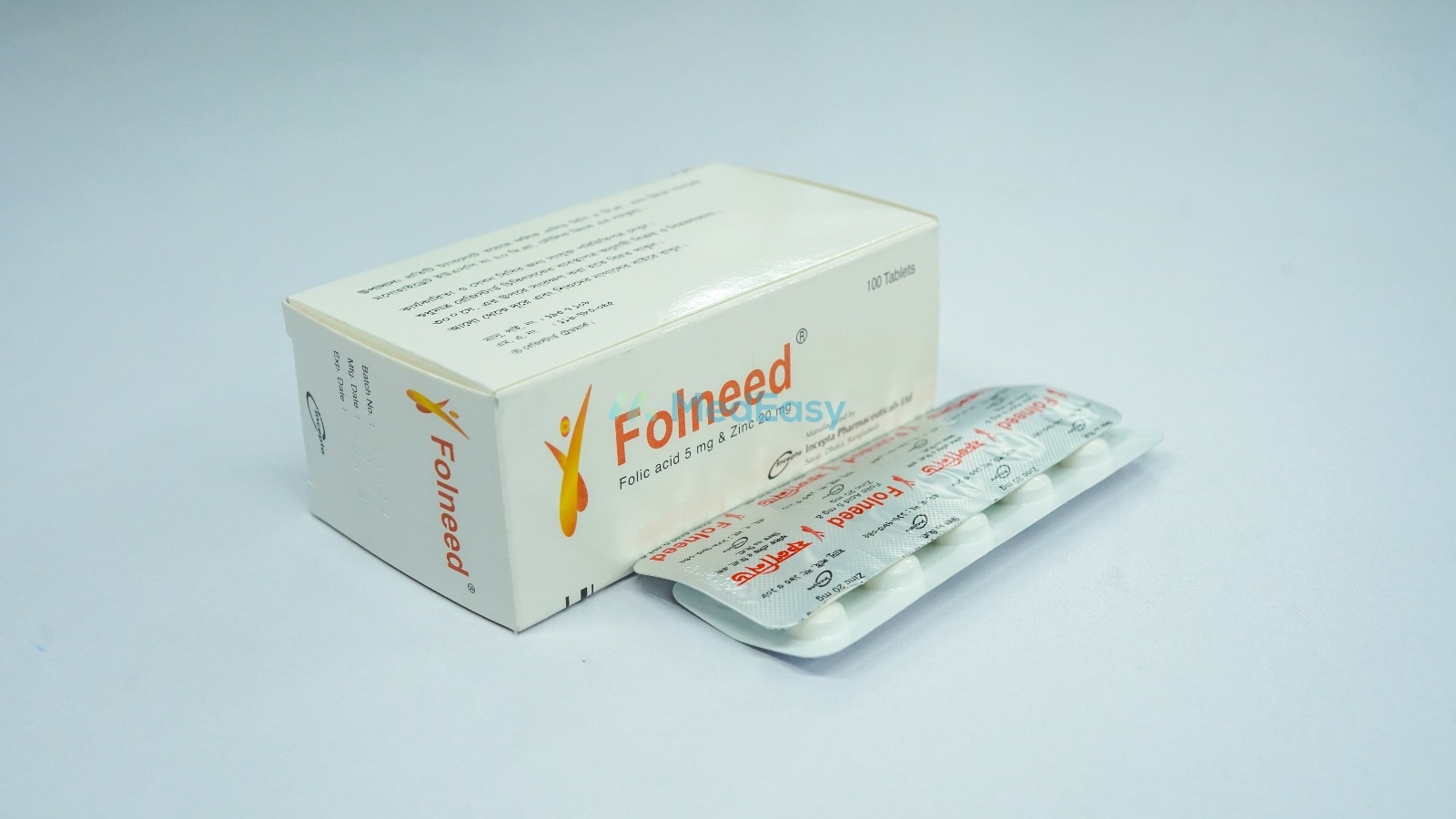
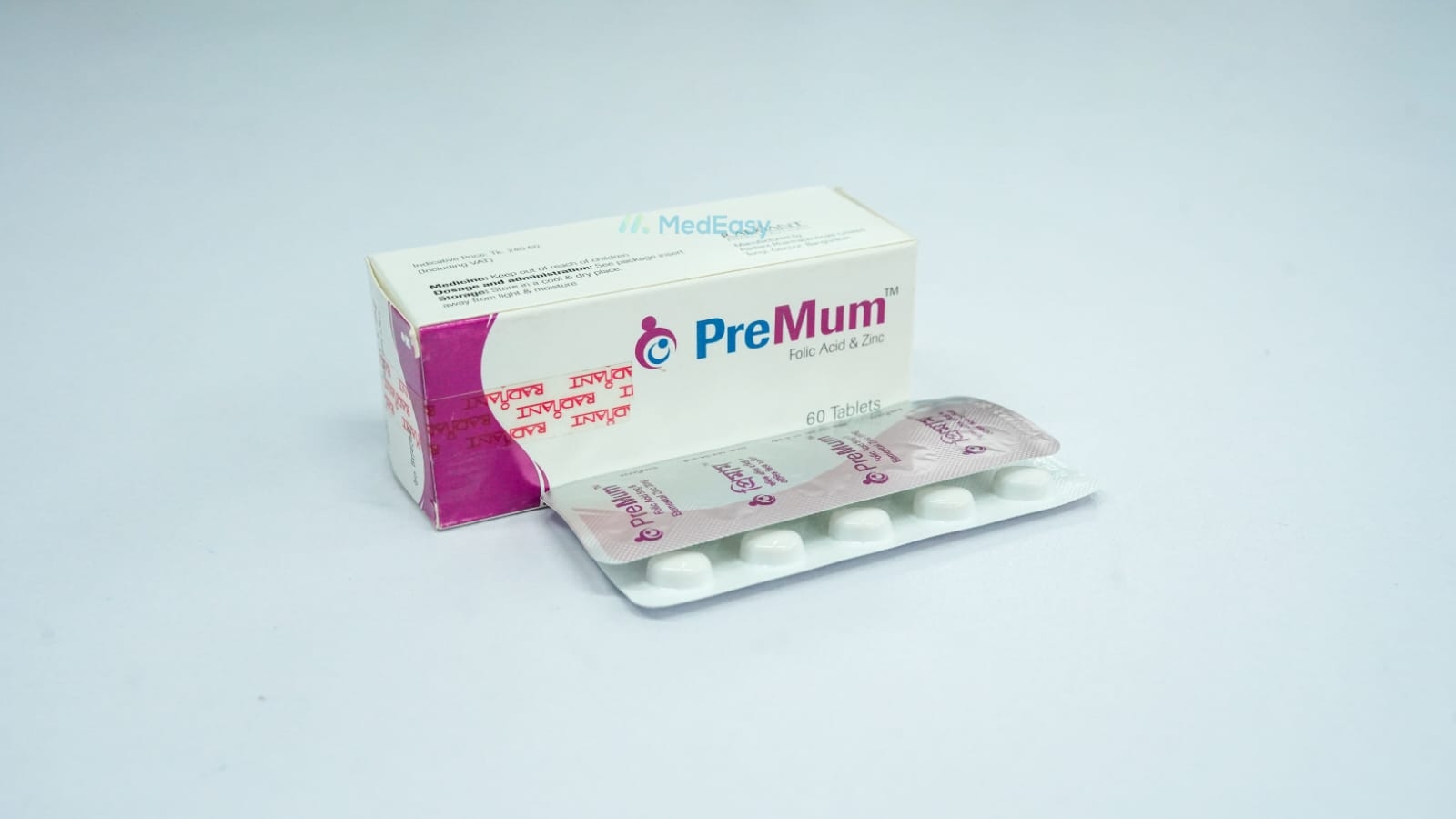
Folzin 5 mg+20 mg Tablet is available on MedEasy for ৳17.48 per 10's Strip, with home delivery anywhere in Bangladesh. It is manufactured by Pacific Pharmaceuticals Ltd. Its generic name is Folic Acid + Zinc Sulfate Monohydrate.

Folzin is a nutritional supplement combining a B-vitamin (folate) with an essential trace mineral (zinc). It is used for the following indications:
Folzin is not intended to treat megaloblastic anemia due to vitamin B12 deficiency, nor to correct zinc deficiency caused by Wilson's disease-related copper handling without medical supervision.
Each dosage form (tablet/capsule/syrup, as marketed) of Folic Acid + Zinc Sulfate Monohydrate typically contains Folic Acid (commonly 0.4 mg to 5 mg, depending on product strength) together with Zinc Sulfate Monohydrate providing a defined amount of elemental zinc (commonly equivalent to 5 mg to 20 mg elemental zinc). Exact strengths and combination ratios vary by manufacturer and product formulation; patients should check the specific product label or consult their pharmacist/physician for the exact composition of the product dispensed.
Folzin is a fixed-dose combination nutritional supplement that pairs folic acid, a water-soluble B-vitamin (vitamin B9) essential for DNA synthesis, cell division, and red blood cell formation, with zinc sulfate monohydrate, a source of elemental zinc, an essential trace mineral required for immune function, wound healing, growth, and enzymatic activity throughout the body.
This combination is commonly used to prevent or correct combined folate and zinc deficiency, particularly in populations with increased nutritional demand such as pregnant and lactating women, growing children, and individuals recovering from illness or with poor dietary intake.
Folzin belongs to the therapeutic class of Vitamins and Mineral Supplements, specifically combining a hematinic B-complex vitamin (folic acid) with a trace element/mineral supplement (zinc). It is classified under nutritional and dietary supplement preparations used for prophylaxis and treatment of micronutrient deficiency.
Folic Acid is converted in the body to tetrahydrofolate, the active coenzyme form required for one-carbon transfer reactions essential to the synthesis of purines, pyrimidines, and methionine. It is critical for DNA and RNA synthesis, cell division, and normal erythropoiesis; deficiency leads to megaloblastic anemia and, in early pregnancy, is associated with an increased risk of neural tube defects.
Zinc (from Zinc Sulfate Monohydrate) is an essential trace element that serves as a cofactor for more than 100 enzymes involved in protein synthesis, immune function, wound healing, DNA synthesis, and cell division. It also plays a role in taste and smell perception, and in maintaining epithelial and mucosal integrity. Zinc is absorbed primarily in the small intestine, with absorption reduced by phytates and by concurrent administration of certain minerals and drugs.
Together, Folic Acid + Zinc Sulfate Monohydrate provides combined support for hematologic, immune, and growth-related physiological processes.
Dosage of Folzin should be individualized by a physician based on age, indication, and severity of deficiency. Representative dosing is summarized below; actual product strength and dosing schedule should follow the specific formulation dispensed.
| Indication | Population | Typical Dose |
|---|---|---|
| Nutritional supplementation in pregnancy/lactation | Adults | One tablet/capsule daily, or as directed by physician |
| Prevention/treatment of folate and zinc deficiency | Adults | One tablet/capsule daily, or as directed by physician |
| Growth support / dietary supplementation | Children (per approved product labeling) | As per age/weight-based dosing on product label, or as directed by physician |
Doses should be taken with food or immediately after a meal to reduce the likelihood of gastrointestinal upset from the zinc component. Missed doses should simply be skipped rather than doubled at the next scheduled dose.
Folzin should be taken orally, preferably with or immediately after food, to minimize gastrointestinal discomfort. It should not be taken at the same time as tetracycline or fluoroquinolone antibiotics, or as calcium, iron, or copper supplements; a gap of at least 2 hours should be maintained (see Interactions). Tablets/capsules should be swallowed with a glass of water; syrup formulations should be measured using the calibrated measuring device provided.
Folzin has the following clinically significant interactions:
Folic Acid + Zinc Sulfate Monohydrate is contraindicated in:
It should not be used, except under direct medical supervision, in patients with known copper deficiency or Wilson's disease, given the effect of zinc on copper metabolism (see Precautions).
Folzin is generally well tolerated. Reported adverse effects include:
Most side effects are mild and improve when the product is taken with food. Persistent or severe symptoms should be reported to a physician.
Folic acid is well-established as beneficial and is routinely recommended during pregnancy to reduce the risk of neural tube defects and support maternal and fetal health. Zinc is also an essential nutrient during pregnancy and lactation, supporting fetal growth and immune development. Folzin is commonly used in pregnancy and lactation under physician guidance; however, the specific dose and duration should always be determined by a physician based on individual nutritional needs, and patients should not exceed the recommended dose without medical advice.
Use Folzin with caution in patients with known copper deficiency, Wilson's disease, or hemochromatosis, and only under medical supervision. Long-term high-dose use may lead to copper deficiency and associated hematologic or neurological effects; periodic monitoring is advisable for prolonged therapy. Folic acid supplementation can mask the hematologic signs (macrocytic anemia) of underlying vitamin B12 deficiency while allowing neurological damage from B12 deficiency to progress; vitamin B12 status should be assessed before initiating folic acid therapy in patients at risk. Take with food to reduce gastrointestinal irritation. Keep out of reach of children, as excess intake of zinc-containing products can be harmful.
Overdose of Folzin most commonly manifests as gastrointestinal symptoms from the zinc component, including nausea, vomiting, abdominal pain, and diarrhea; very high zinc intake can cause more serious effects including copper deficiency, anemia, and impaired immune function with prolonged excessive use. Folic acid overdose is generally of low toxicity, but very high doses may interfere with certain anticonvulsant or antifolate medications. In case of suspected overdose, seek immediate medical attention or contact a poison control center; do not attempt home treatment.
Store at room temperature (below 30°C), away from light and moisture. Keep out of reach of children.
Renal impairment: Zinc is excreted renally; patients with significant renal impairment may be at higher risk of zinc accumulation and should use Folzin under physician supervision with appropriate dose adjustment.
Hepatic impairment: No specific dose adjustment is generally required, but use should be guided by a physician in patients with significant hepatic disease.
Elderly: Generally well tolerated; dosing follows standard adult recommendations unless otherwise directed.
Children: Use age-appropriate formulations and weight-based dosing as per product labeling; safety and efficacy of specific strengths in young infants have not been separately established and should be guided by a pediatrician.
Duration of treatment with Folzin depends on the indication. For deficiency correction, treatment is typically continued for several weeks to a few months, or until laboratory parameters normalize, as determined by the prescribing physician. For nutritional supplementation during pregnancy and lactation, it is generally continued throughout the relevant period as advised by the physician. Long-term use beyond several months should be reviewed periodically to avoid excess zinc intake and copper deficiency.
Folic Acid + Zinc Sulfate Monohydrate falls under the drug classes: Vitamin B-complex (Folate) supplements and Trace element/Mineral supplements (Zinc preparations), combined as a multivitamin-mineral nutritional supplement.
Folic acid is reduced to dihydrofolate and then tetrahydrofolate by dihydrofolate reductase, serving as a coenzyme carrier of one-carbon units required for purine and thymidylate synthesis, and for remethylation of homocysteine to methionine — processes essential for DNA synthesis and cell division, especially in rapidly dividing tissues such as bone marrow. Zinc, supplied as zinc sulfate monohydrate, acts as a structural and catalytic cofactor for numerous metalloenzymes and zinc-finger transcription factors, supporting protein synthesis, immune cell function, epithelial integrity, and growth. The combination in Folic Acid + Zinc Sulfate Monohydrate addresses two independent but complementary micronutrient pathways.
Folzin may be used in children for prevention and treatment of folate and zinc deficiency and to support normal growth, using age- or weight-appropriate formulations and doses as specified on the product label or as directed by a pediatrician. Safety and efficacy of specific strengths have not been separately established in neonates and very young infants, and use in this group should be guided by a physician. Zinc-containing products should be kept out of reach of children, as excess zinc ingestion can cause toxicity.
Q: What is Folzin 5 mg+20 mg Tablet used for?
A: Folzin 5 mg+20 mg Tablet is used to prevent and treat folate and zinc deficiency, and as a nutritional supplement during pregnancy, lactation, and childhood growth, or during recovery from illness with poor nutritional intake.
Q: Can I take Folzin 5 mg+20 mg Tablet during pregnancy?
A: Folic acid is well established as beneficial during pregnancy to reduce the risk of neural tube defects, and zinc is also an important nutrient in pregnancy. Folzin 5 mg+20 mg Tablet is commonly used in pregnancy under physician guidance, but the dose and duration should always be confirmed with your doctor.
Q: Can Folzin 5 mg+20 mg Tablet be taken with antibiotics?
A: Folzin 5 mg+20 mg Tablet should not be taken at the same time as tetracycline or fluoroquinolone antibiotics, because the zinc component can reduce absorption of these antibiotics. Separate the doses by at least 2 hours.
Q: What are the common side effects of Folzin 5 mg+20 mg Tablet?
A: The most common side effects of Folzin 5 mg+20 mg Tablet are mild gastrointestinal symptoms such as nausea, a metallic taste, or stomach upset, especially if taken on an empty stomach. Taking it with food usually reduces these effects.
Q: What should I do if I take too much Folzin 5 mg+20 mg Tablet?
A: If you suspect you have taken more than the recommended dose of Folzin 5 mg+20 mg Tablet, seek immediate medical attention or contact a poison control center rather than treating it at home.
Q: Who should not take Folzin 5 mg+20 mg Tablet?
A: Folzin 5 mg+20 mg Tablet should not be taken by anyone with a known hypersensitivity to folic acid or zinc sulfate, and should be used only under medical supervision in people with known copper deficiency or Wilson's disease.
Disclaimer
The information provided is accurate to the best of our knowledge, but it does not replace professional medical advice. We cannot guarantee its completeness or accuracy, and the absence of specific information about a drug should not be taken as an endorsement. We are not responsible for any consequences arising from this information, so please consult a healthcare professional for any concerns or questions.