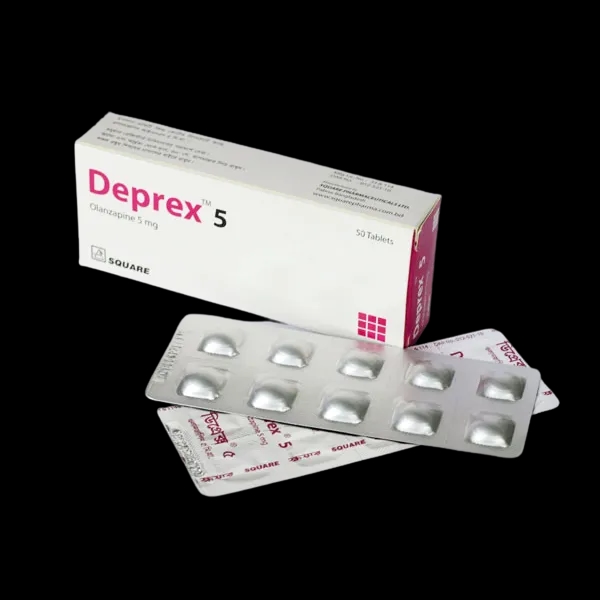
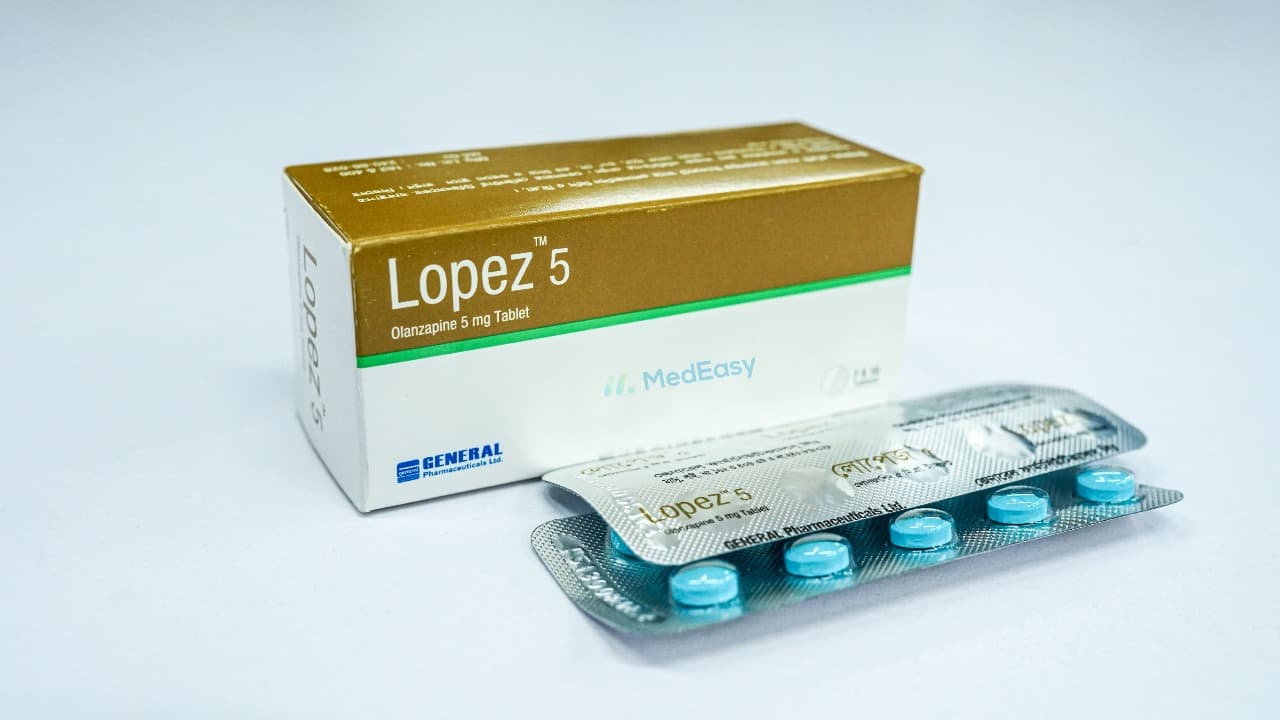
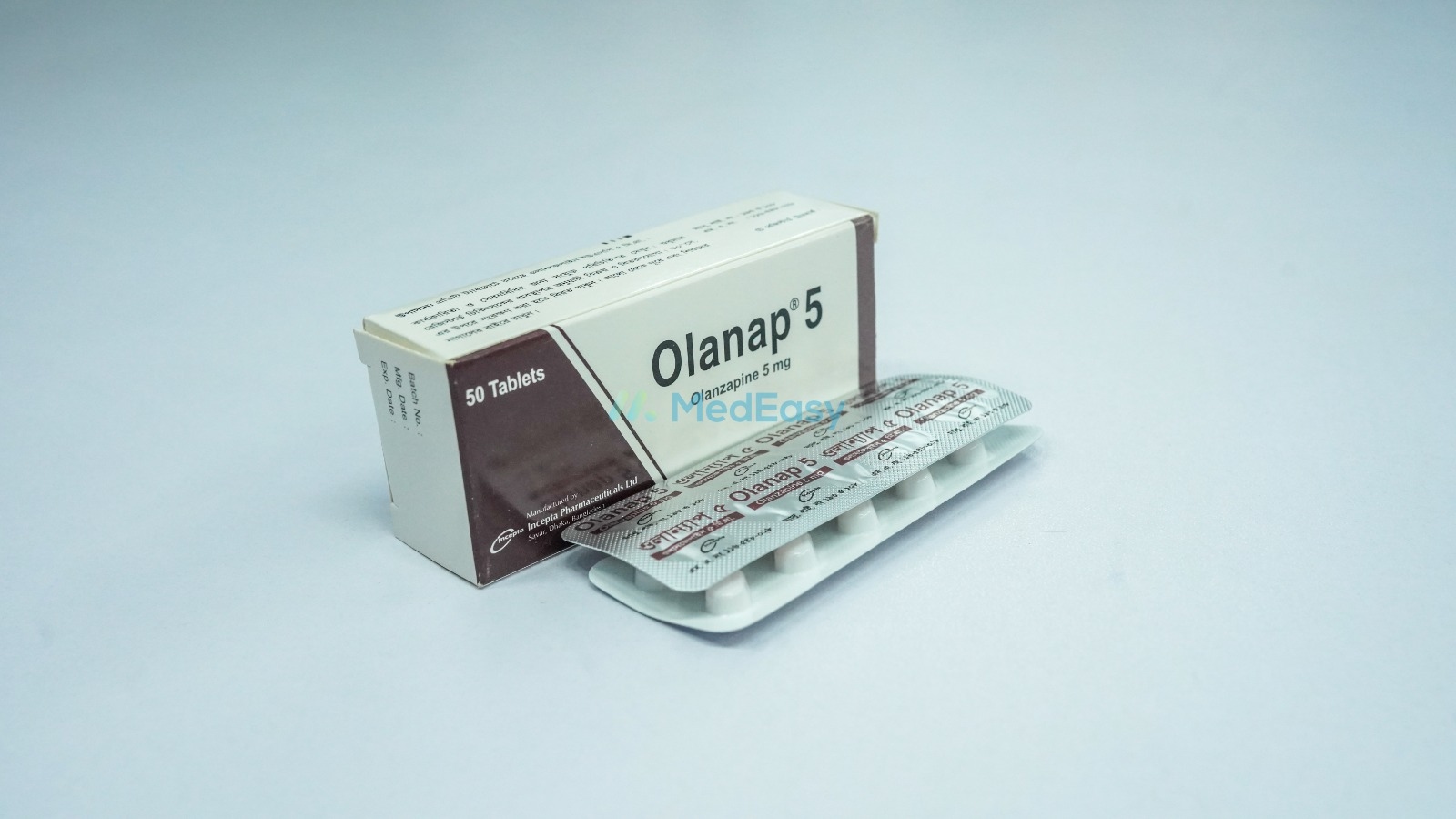
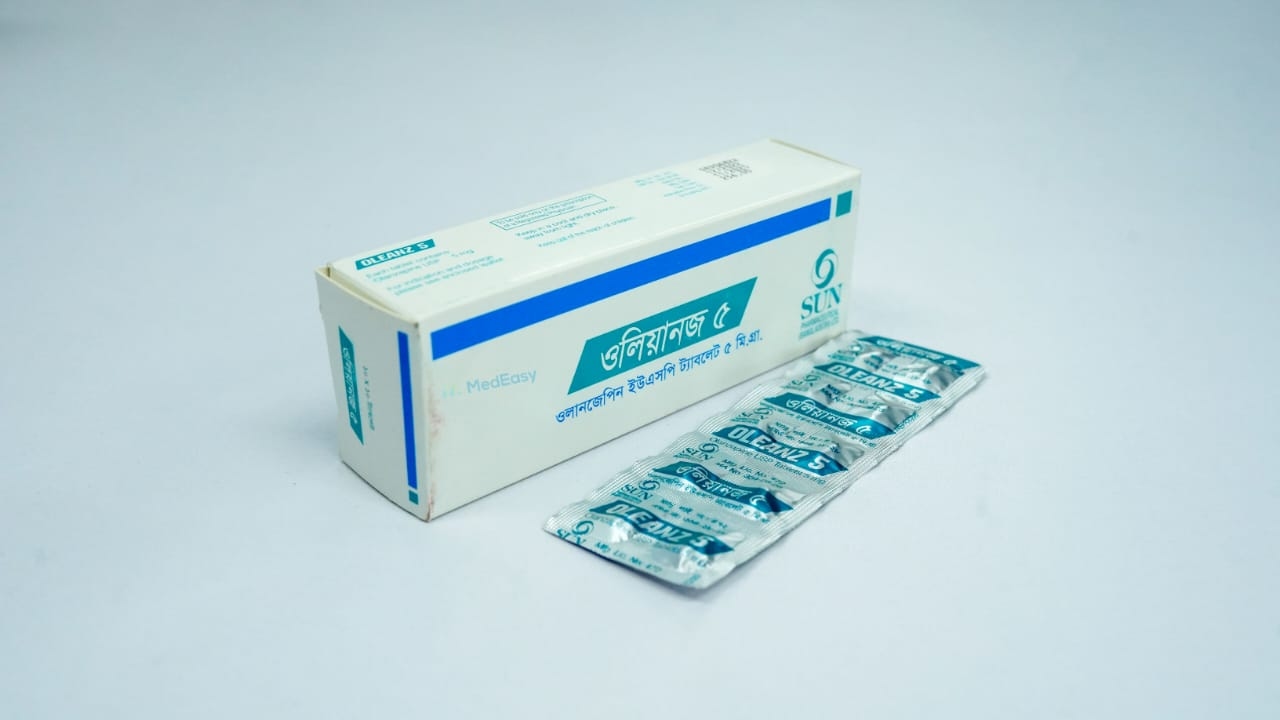
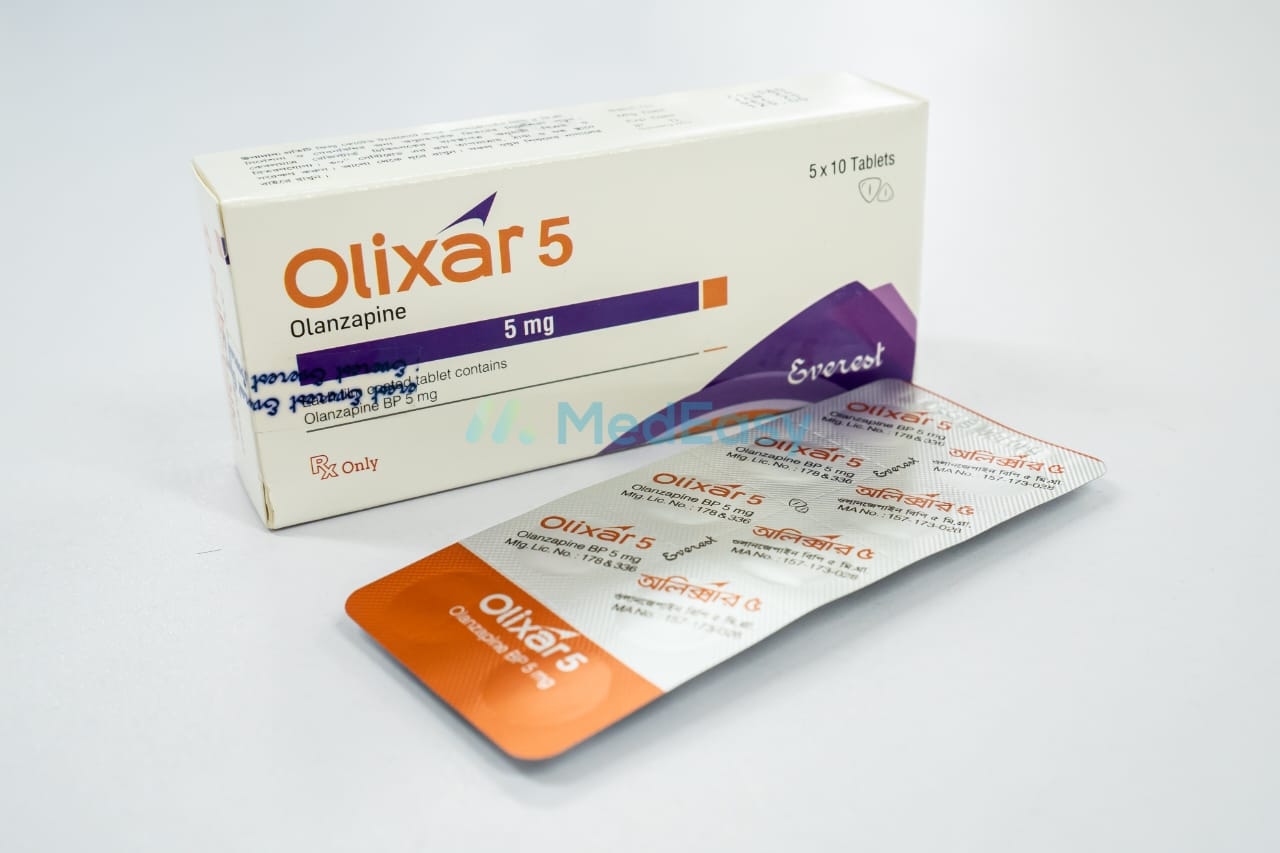
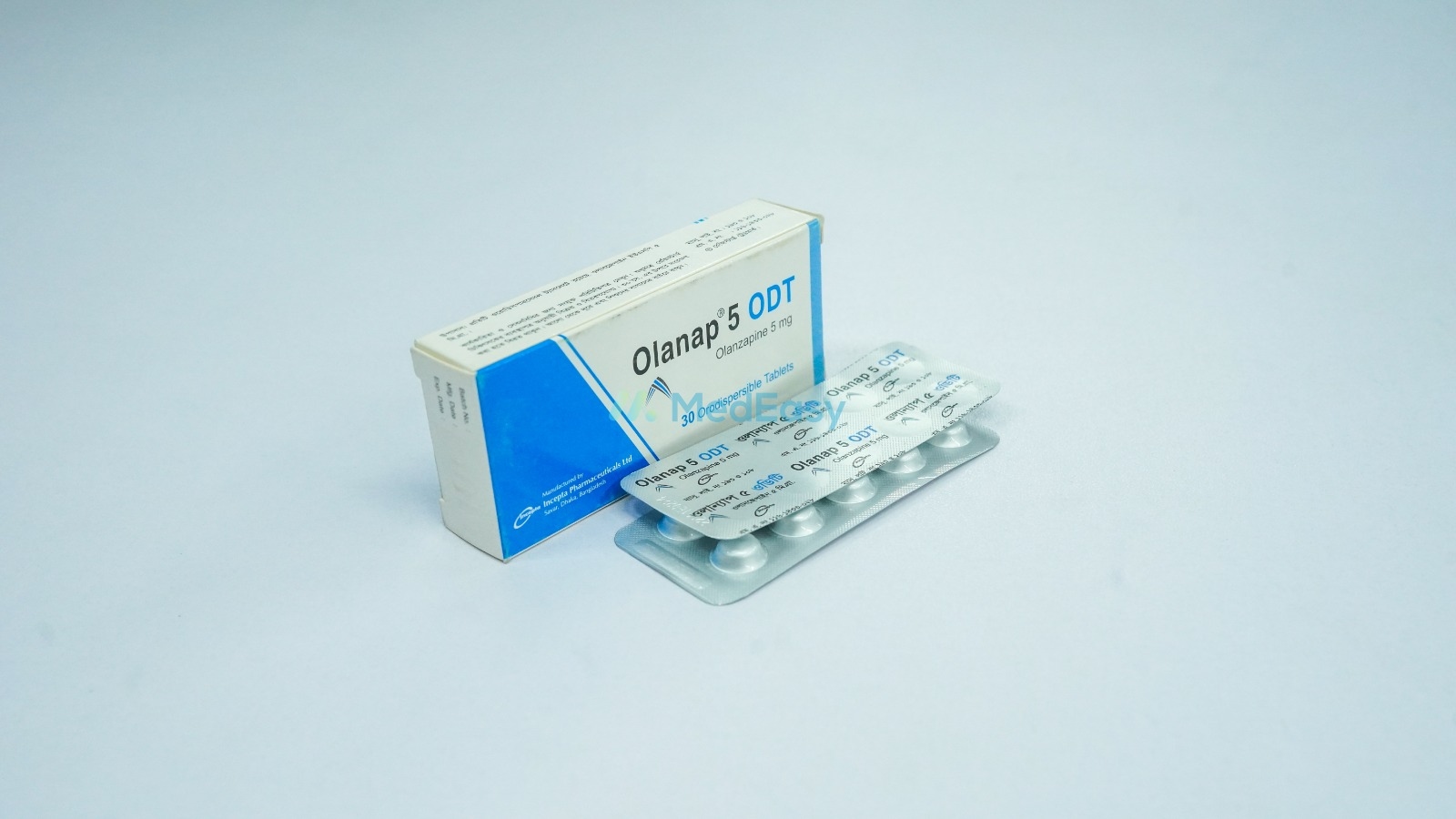
Lopez 5 mg is indicated for the acute and maintenance treatment of schizophrenia and related psychoses where positive symptoms (e.g. delusions, hallucinations, disordered thinking, hostility and suspiciousness) and/or negative symptoms (e.g. flattened affect, emotional and social withdrawal, poverty ... Read moreLopez 5 mg is indicated for the acute and maintenance treatment of schizophrenia and related psychoses where positive symptoms (e.g. delusions, hallucinations, disordered thinking, hostility and suspiciousness) and/or negative symptoms (e.g. flattened affect, emotional and social withdrawal, poverty of speech) are prominent. Lopez 5 mg is indicated for the treatment of acute manic or mixed episodes in bipolar disorder, with or without psychotic features and with or without a rapid cycling course
Theropeutic Class
Atypical neuroleptic drugs
Pharmacology
Lopez 5 mg is an antipsychotic agent and has affinities for serotonin 5HT2A/2C, 5HT3, 5HT6; dopamine D1, D2, D3, D4, D5; cholinergic muscarinic receptors M1-M5; α1 adrenergic; and histamine H1 receptors. The mechanism of action of Lopez 5 mg, as with other drugs having efficacy in schizophrenia, is unknown. However, it has been proposed that this drug’s efficacy in schizophrenia is mediated through a combination of dopamine and serotonin type 2 (5HT2) antagonism. Lopez 5 mg is well absorbed after oral administration, reaching peak plasma concentrations within 5 to 8 hours. The absorption is not affected by food. Lopez 5 mg is not mutagenic or clastogenic as well as not carcinogenic.
Dosage & Administration of Lopez 5 mg
The recommended starting dose for Lopez 5 mg is 10 mg/day, administered as a single daily dose without regard to meals. Daily dosage may subsequently be adjusted on the basis of individual clinical status within the range of 5-20 mg daily. An increase to a dose greater than the routine therapeutic dose of 10 mg/day i.e. to a dose of 15 mg/day or greater, is recommended only after appropriate clinical reassessment.When more than one factor is present which might result in slower metabolism (female gender, geriatric age, non-smoking status), consideration should be given to decreasing the starting dose. Dose escalation, when indicated, should be conservative in such patients.
Dosage of Lopez 5 mg
Schizophrenia, combination therapy for Mania, Bipolar Disorder: The initial dose is 5-10 mg once daily. Daily dosage may subsequently be adjusted on the basis of individual clinical status within the range of 5-20 mg daily. Dosage greater than 10 mg daily only after reassessment. Maximum dose is 20 mg daily.Monotherapy for Mania: Initially 15 mg once daily. Daily dosage may subsequently be adjusted on the basis of individual clinical status within the range of 5-20 mg daily. Dosage greater than 15 mg only after reassessment. Maximum dose is 20 mg daily.
Administration of Lopez 5 mg
Lopez 5 mg can be given without regard to meals. Gradual tapering of the dose should be considered while discontinuing Lopez 5 mg.
Interaction of Lopez 5 mg
Lopez 5 mg may antagonize the effects of levodopa and dopamine agonists. Drugs that induce CYP1A2 or glucoronyl transferase enzymes e.g, Omeprazole and Rifampicin, may increase Lopez 5 mg clearance. Inhibitors of CYP1A2 may potentially inhibit Lopez 5 mg elimination. Carbamazepine may increase the clearance of Lopez 5 mg. Concomitant administration of activated charcoal reduces the oral bioavailability of Lopez 5 mg by 50-60%. Caution should be taken when Lopez 5 mg is administered with centrally acting drugs and alcohol.
Contraindications
Lopez 5 mg is contraindicated in those patients with a known hypersensitivity to any ingredient of the product as well as in patients with known risk for narrow-angle glaucoma.
Side Effects of Lopez 5 mg
Very common undesirable effects are somnolence and weight gain. Besides increased appetite, elevated glucose levels, elevated triglyceride levels, dizziness, akathisia, Parkinson's disease, dyskinesia, orthostatic hypotension, mild and transient anticholinergic effects including constipation and dry mouth, asthenia, edema and photosensitivity reaction etc. may be observed.
Pregnancy & Lactation
Lopez 5 mg should be used in pregnancy only if the potential benefits justify the potential risk to the foetus. So, patients should be advised to notify their physician if they become pregnant or intend to become pregnant during treatment with Lopez 5 mg. There is no report to show teratogenecity. Patients should not breast feed if they are taking Lopez 5 mg.
Precautions & Warnings
Lopez 5 mg should be used cautiously in patients who have a history of seizures or have conditions associated with seizures. Lopez 5 mg should be used cautiously in patients with low leukocyte and/or neutrophil counts for any reason, drug induced bone marrow depression/toxicity caused by radiation therapy or chemotherapy, hypereosinophilic conditions, impaired hepatic function, and patients using hepatotoxic medicines, centrally acting drug and medicines know to increase QT interval, especially in the elderly. Patients should be cautioned about operating hazardous machinery, including motor vehicles.
Storage Conditions
Keep below 30°C temperature, away from light & moisture. Keep out of the reach of children.
Use In Special Populations
Children: Lopez 5 mg has not been studied in subjects under 18 years of age.Elderly patients (age 65 and over): starting dose 5 mg/dayPatients with hepatic, renal impairment: starting dose 5 mg/day
Drug Classes
Atypical neuroleptic drugs
Mode Of Action
Lopez 5 mg is an antipsychotic agent and has affinities for serotonin 5HT2A/2C, 5HT3, 5HT6; dopamine D1, D2, D3, D4, D5; cholinergic muscarinic receptors M1-M5; α1 adrenergic; and histamine H1 receptors. The mechanism of action of Lopez 5 mg, as with other drugs having efficacy in schizophrenia, is unknown. However, it has been proposed that this drug’s efficacy in schizophrenia is mediated through a combination of dopamine and serotonin type 2 (5HT2) antagonism. Lopez 5 mg is well absorbed after oral administration, reaching peak plasma concentrations within 5 to 8 hours. The absorption is not affected by food. Lopez 5 mg is not mutagenic or clastogenic as well as not carcinogenic.
Pregnancy
Lopez 5 mg should be used in pregnancy only if the potential benefits justify the potential risk to the foetus. So, patients should be advised to notify their physician if they become pregnant or intend to become pregnant during treatment with Lopez 5 mg. There is no report to show teratogenecity. Patients should not breast feed if they are taking Lopez 5 mg.
Pediatric Uses
Children: Lopez 5 mg has not been studied in subjects under 18 years of age.Elderly patients (age 65 and over): starting dose 5 mg/dayPatients with hepatic, renal impairment: starting dose 5 mg/day
Frequently Asked Questions
What is Lopez 5 mg used for?
Lopez 5 mg is indicated for the acute and maintenance treatment of schizophrenia and related psychoses where positive symptoms (e.g. delusions, hallucinations, disordered thinking, hostility and suspiciousness) and/or negative symptoms (e.g. flattened affect, emotional and social withdrawal, poverty ... Read moreLopez 5 mg is indicated for the acute and maintenance treatment of schizophrenia and r…
What is the dosage of Lopez 5 mg?
Schizophrenia, combination therapy for Mania, Bipolar Disorder: The initial dose is 5-10 mg once daily. Daily dosage may subsequently be adjusted on the basis of individual clinical status within the range of 5-20 mg daily. Dosage greater than 10 mg daily only after reassessment. Maximum dose is 20 mg daily.Monotherapy for Mania: Initially 15 mg once daily. Daily dosage may subsequently be adjuste…
What are the side effects of Lopez 5 mg?
Very common undesirable effects are somnolence and weight gain. Besides increased appetite, elevated glucose levels, elevated triglyceride levels, dizziness, akathisia, Parkinson's disease, dyskinesia, orthostatic hypotension, mild and transient anticholinergic effects including constipation and dry mouth, asthenia, edema and photosensitivity reaction etc. may be observed.
Who should not take Lopez 5 mg?
Lopez 5 mg is contraindicated in those patients with a known hypersensitivity to any ingredient of the product as well as in patients with known risk for narrow-angle glaucoma.
What precautions should be taken with Lopez 5 mg?
Lopez 5 mg should be used cautiously in patients who have a history of seizures or have conditions associated with seizures. Lopez 5 mg should be used cautiously in patients with low leukocyte and/or neutrophil counts for any reason, drug induced bone marrow depression/toxicity caused by radiation therapy or chemotherapy, hypereosinophilic conditions, impaired hepatic function, and patients using …
Is Lopez 5 mg safe during pregnancy and breastfeeding?
Lopez 5 mg should be used in pregnancy only if the potential benefits justify the potential risk to the foetus. So, patients should be advised to notify their physician if they become pregnant or intend to become pregnant during treatment with Lopez 5 mg. There is no report to show teratogenecity. Patients should not breast feed if they are taking Lopez 5 mg.
Disclaimer
The information provided is accurate to our best practices, but it does not replace professional medical advice. We cannot guarantee its completeness or accuracy. The absence of specific information about a drug should not be seen as an endorsement. We are not responsible for any consequences resulting from this information, so consult a healthcare professional for any concerns or questions.