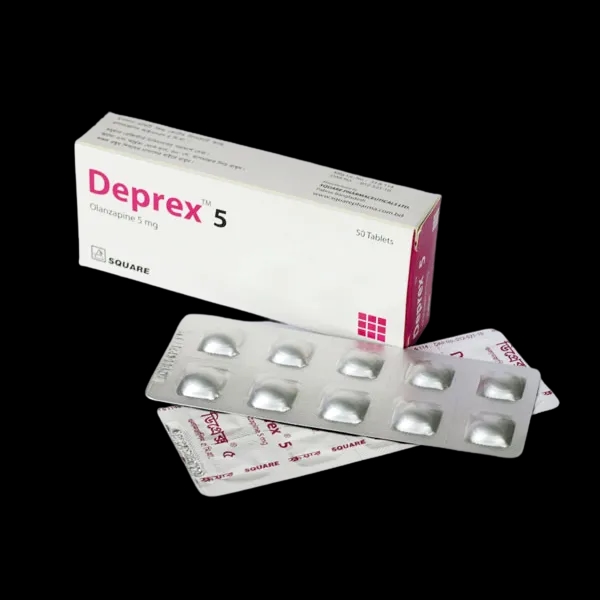
Generic medicine

Olanzapine: Brands, Price & Uses in Bangladesh

Olanzapine is an atypical (second-generation) antipsychotic used for the following indications: FDA-approved / established indications Treatment of schizophrenia in adults and adolescents (13-17…

Forms:Tablet

About Olanzapine

Indications of Olanzapine

Olanzapine is an atypical (second-generation) antipsychotic used for the following indications:

FDA-approved / established indications

  • Treatment of schizophrenia in adults and adolescents (13-17 years), for acute treatment of positive and negative symptoms and for maintenance therapy to prevent relapse.
  • Treatment of acute manic or mixed episodes associated with Bipolar I disorder, as monotherapy or in combination with lithium or valproate, in adults and adolescents (13-17 years).
  • Maintenance treatment of Bipolar I disorder (monotherapy), based on continuation of a treatment response.
  • Acute agitation associated with schizophrenia or Bipolar I mania (short-acting intramuscular injection, where available), for rapid control of agitation.

Combination-therapy indications

  • In combination with fluoxetine, for treatment of depressive episodes associated with Bipolar I disorder and for treatment-resistant depression (major depressive disorder that has not responded to at least two separate antidepressant trials). Olanzapine is not indicated as monotherapy for depression.

Off-label use

  • Olanzapine is sometimes used off-label, under specialist supervision, for prevention/treatment of chemotherapy-induced nausea and vomiting and for agitation associated with delirium; this is not an approved indication.

Olanzapine is not approved for treatment of dementia-related psychosis in elderly patients (see Precautions and Warnings).

Dosage & Administration of Olanzapine

The dose of Olanzapine should be individualized according to indication, patient response and tolerability. See the Dosage and Administration sections below for indication-specific doses. Olanzapine is usually started at a low dose and titrated gradually, and should not be stopped abruptly except under medical advice (see Precautions and Warnings).

Side Effects of Olanzapine

Very common / common

  • Sedation and somnolence
  • Weight gain and increased appetite
  • Dizziness, especially on standing (orthostatic hypotension)
  • Dry mouth, constipation
  • Elevated blood glucose, triglycerides and cholesterol (see Precautions and Warnings)
  • Mild, transient elevations in liver enzymes
  • Tremor, akathisia and other mild extrapyramidal symptoms
  • Peripheral edema

Less common but serious

  • Neuroleptic malignant syndrome (rare, potentially life-threatening - see Precautions and Warnings)
  • Tardive dyskinesia with long-term use
  • Seizures
  • Significant hyperglycemia, including rare reports of diabetic ketoacidosis
  • Leukopenia, neutropenia or, rarely, agranulocytosis
  • Venous thromboembolism

Patients should seek prompt medical attention for fever with muscle stiffness, uncontrolled movements, signs of high blood sugar (excessive thirst/urination), or unusual bleeding/bruising.

Contraindications of Olanzapine

Olanzapine is contraindicated in patients with known hypersensitivity to Olanzapine or to any component of the formulation.

Frequently Asked Questions about Olanzapine

What is Olanzapine used for?

Olanzapine is an atypical antipsychotic used to treat schizophrenia and Bipolar I disorder (manic/mixed episodes and long-term maintenance) in adults and adolescents aged 13-17. It is also used together with fluoxetine for depressive episodes of Bipolar I disorder and for treatment-resistant depression.

What are the most important side effects of Olanzapine?

The most important effects of Olanzapine are metabolic: significant weight gain, high blood sugar (including new-onset diabetes), and raised cholesterol/triglycerides, which tend to be more pronounced with Olanzapine than with several other antipsychotics. Sedation and orthostatic hypotension (dizziness on standing) are also common, especially when starting treatment. Regular monitoring of weight, blood sugar and lipids is recommended.

Can Olanzapine be taken during pregnancy or while breastfeeding?

Olanzapine should be used in pregnancy only if the potential benefit clearly justifies the potential risk to the fetus, since babies exposed in the third trimester can develop movement or withdrawal symptoms after birth; this should always be discussed with a physician. Olanzapine passes into breast milk, so breastfeeding is generally discouraged during treatment unless a doctor decides the benefits outweigh the risks, with the infant monitored for sedation and feeding problems.

Is it safe to stop Olanzapine suddenly?

No. Olanzapine should not be stopped abruptly, as this can cause withdrawal or rebound symptoms and relapse of the underlying condition. If treatment needs to be stopped, the dose should be tapered gradually under a physician's supervision.

Who should not take Olanzapine?

Olanzapine should not be used by anyone with a known hypersensitivity (allergy) to Olanzapine or any ingredient in the formulation. It should also be used with caution, and only under close medical supervision, in people with certain heart, liver, blood cell, seizure or glaucoma conditions.

Can Olanzapine be used in elderly patients with dementia?

No. Olanzapine carries a boxed warning that elderly patients with dementia-related psychosis treated with antipsychotic drugs, including Olanzapine, have an increased risk of death, mainly from heart-related problems or infections such as pneumonia. Olanzapine is not approved for this use.

Disclaimer

The information provided is accurate to the best of our knowledge, but it does not replace professional medical advice. We cannot guarantee its completeness or accuracy, and the absence of specific information about a drug should not be taken as an endorsement. We are not responsible for any consequences arising from this information, so please consult a healthcare professional for any concerns or questions.
DoctorBlogArticles