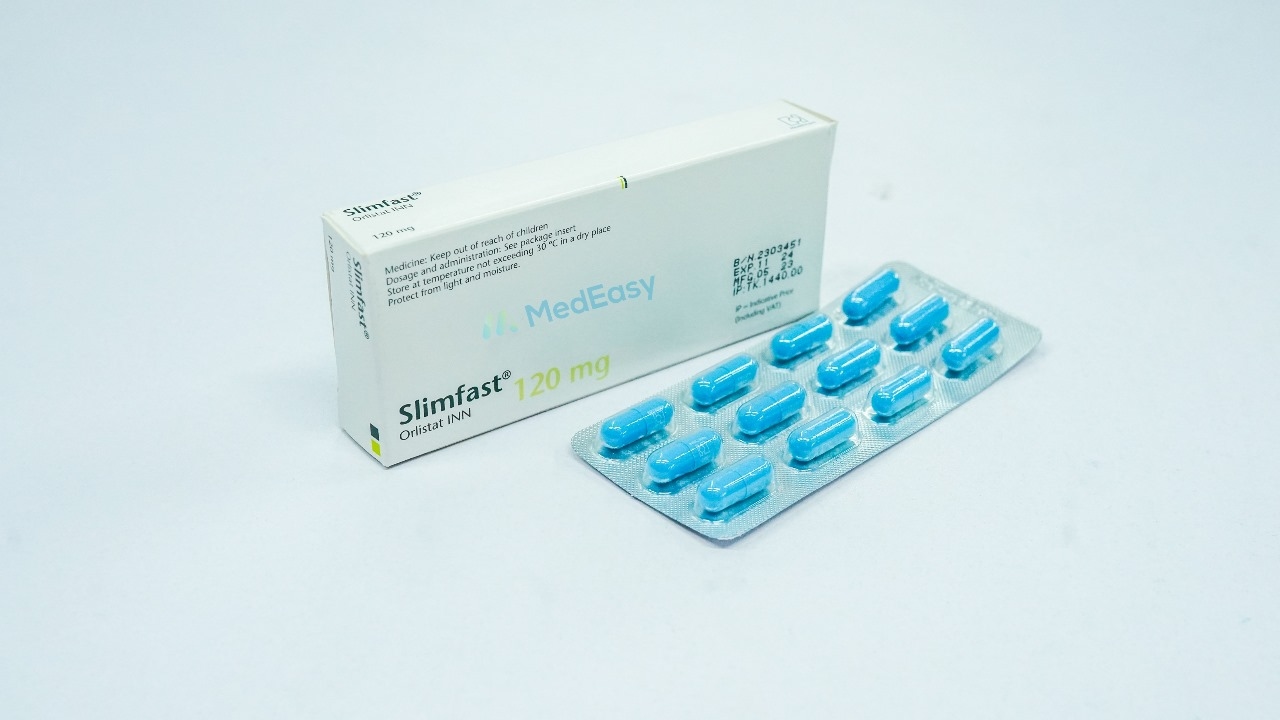
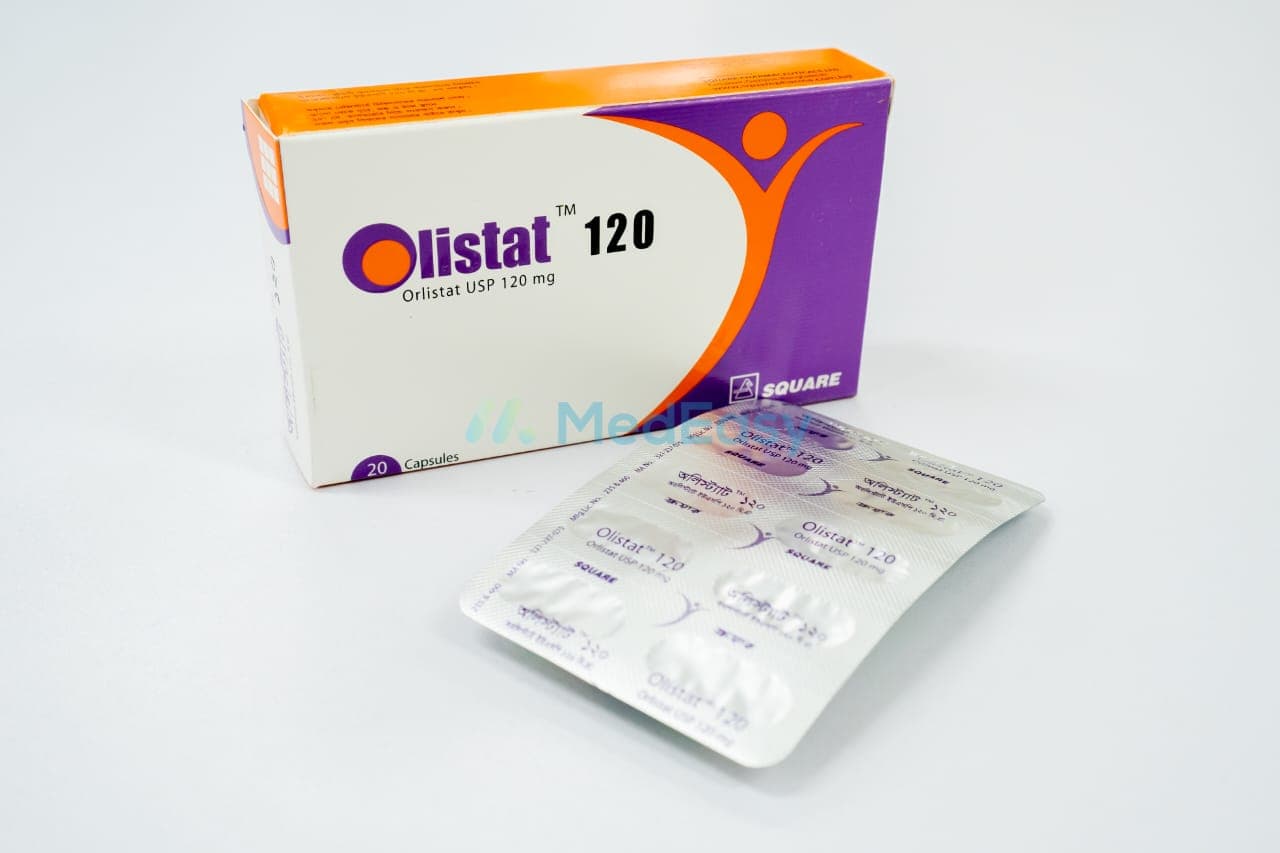
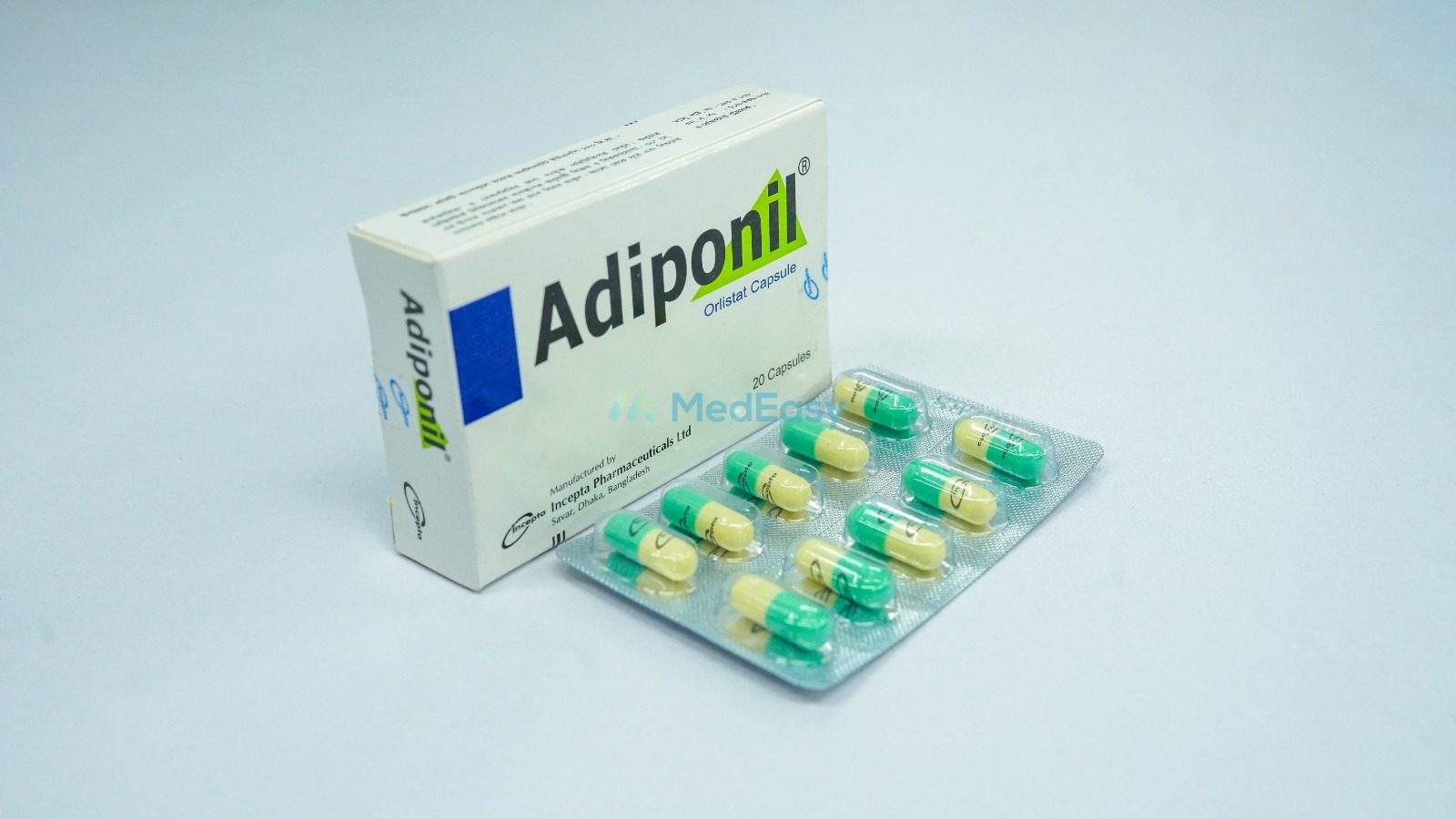
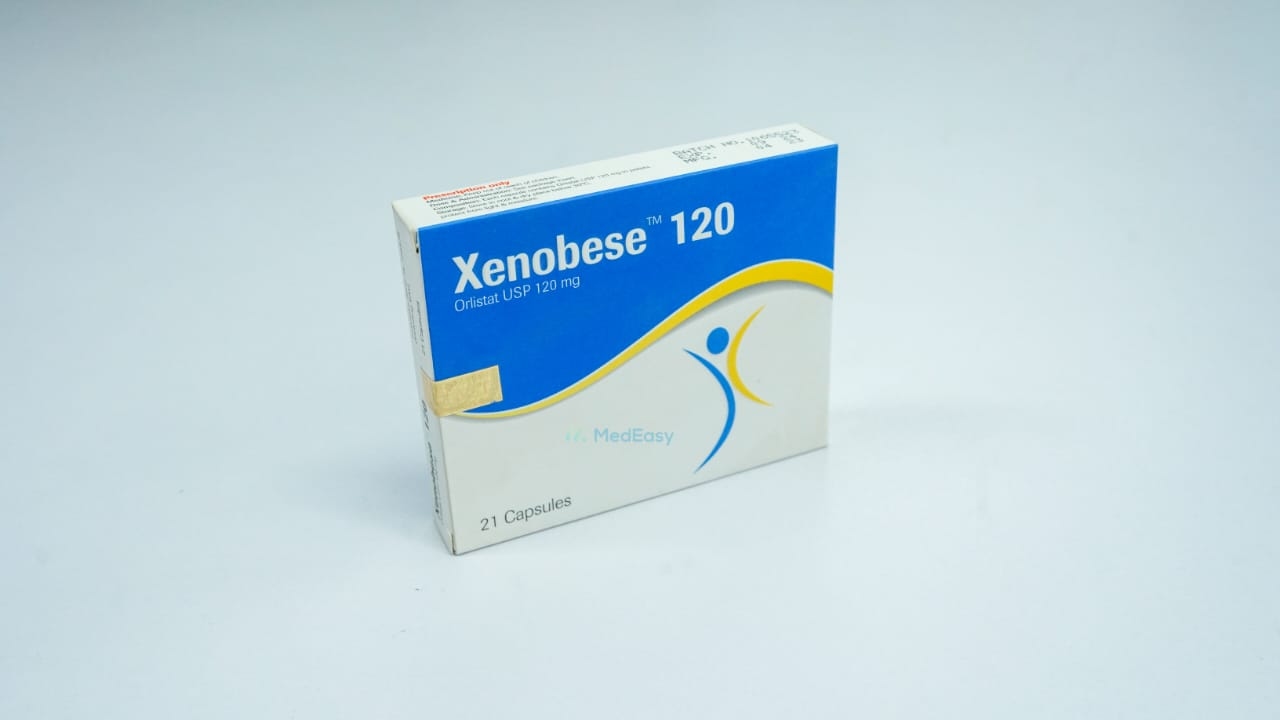
Adults: Olistat 120 mg is indicated in conjunction with a mildly hypocaloric diet for the treatment of obese patients with a body mass index (BMI)>30 kg/m2 and overweight patients (BMI >28 kg/m2 ) with associated risk factors such as type II diabetes, hyperlipidemia ... Read moreAdults: Olistat 120 mg is indicated in conjunction with a mildly hypocaloric diet for the treatment of obese patients with a body mass index (BMI)>30 kg/m2 and overweight patients (BMI >28 kg/m2 ) with associated risk factors such as type II diabetes, hyperlipidemia and hypertension. Treatment with Olistat 120 mg should be discontinued after 12 weeks in patients who have not lost at least 5% of their body weight as measured at the start of drug therapy.Adolescents (12 years & older): Obese adolescents should be treated with Olistat 120 mg only if an adequate reduction of body weight cannot be achieved by means of diet & increased physical activity. Treatment with Olistat 120 mg should be considered in particular if complications of obesity are present.
Theropeutic Class
Appetite suppressant drugs/Anti-obesity drugs
Pharmacology
Olistat 120 mg is a reversible inhibitor of gastrointestinal lipase. It exerts its therapeutic activity in the lumen of the stomach and small intestine by forming a covalent bond with the active serine residue site of gastric and pancreatic lipase. The inactivated enzymes are thus unavailable to hydrolyze dietary fat in the form of triglycerides into absorbable free fatty acids and monoglycerides. As undigested triglycerides are not absorbed, the resulting caloric deficit may have a positive effect on weight control.
Dosage & Administration of Olistat 120 mg
The recommended dose of Olistat 120 mg is one 60 mg or 120 mg capsule three times a day with each main meal containing fat (during or up to 1 hour after the meal). The patient should be on a nutritionally balanced, reduced-calorie diet that contains approximately 30% of calories from fat. The daily intake of fat, carbohydrate, and protein should be distributed over three main meals. If a meal is occasionally missed or contains no fat, the dose of Olistat 120 mg can be omitted. Because Olistat 120 mg has been shown to reduce the absorption of some fat-soluble vitamins and beta-carotene, patients should be counseled to take a multivitamin containing fat-soluble vitamin to ensure adequate nutrition. The vitamin supplement should be taken at least 2 hours before or after the administration of Olistat 120 mg, such as at bedtime.
Dosage of Olistat 120 mg
The recommended dose of Olistat 120 mg is one 120 mg capsule to be taken immediately before, during or up to one hour after each main meal. If a meal is missed or contains no fat the dose of Olistat 120 mg should be omitted. Doses of Olistat 120 mg above 120 mg three times daily have not been shown to provide additional benefits. The effect of Olistat 120 mg results in an increase in fecal fat 24-48 hours after dosing. Upon discontinuation of therapy, fecal fat content usually returns to pretreatment levels within 48-72 hours.The safety & efficacy of Olistat 120 mg were investigated in clinical studies lasting up to 4 years. The recommended dose of Olistat 120 mg for adolescents is as same as adults. Special dosage instruction: The tolerability and efficacy of Olistat 120 mg have not been studied in elderly patients, or patients with hepatic and/ or renal impairments.
Interaction of Olistat 120 mg
No interactions with commonly prescribed medications such as alcohol, digoxin, nifedipine, oral contraceptives, phenytoin, pravastatin, warfarin, or metformin, glibenclamide, fibrates, furosemide, captopril, or atenolol have been observed in studies.
Contraindications
Olistat 120 mg is contraindicated in patients with chronic malabsorption syndrome, in patients with cholestasis and in patients who are hypersensitive to Olistat 120 mg or to any of the other ingredients of the capsules.
Side Effects of Olistat 120 mg
Common: Undesirable effects of Olistat 120 mg are largely gastrointestinal in nature. Common gastrointestinal side effects are oily spotting from the rectum, flatulence, fecal urgency, oily or fatty stool, abdominal discomfort etc.Rare: Influenza, anxiety. headache, fatigue etc may rarely occur in some patients. Rare cases of hypersensitivity have been reported. Main clinical symptoms are pruritus, exanthema, urticaria, angioedema and anaphylaxis.
Pregnancy & Lactation
Pregnancy Category X. Olistat 120 mg is contraindicated during pregnancy, because weight loss offers no potential benefit to a pregnant woman and may result in fetal harm.It is not known whether Olistat 120 mg is present in human milk or not. Caution should be exercised when Olistat 120 mg is administered to a nursing woman.
Precautions & Warnings
Organic causes of obesity (e.g. hypothyroidism) should be excluded before prescribing Olistat 120 mg. Olistat 120 mg and cyclosporine should not be coadministered. Cyclosporine should be taken at least 2 hours before or after Olistat 120 mg in patients taking both drugs. Cyclosporine level should be measured and frequently monitored.In clinical trial, the decrease in body weight with Olistat 120 mg therapy was less in type II diabetic patients than in non-diabetic patients. Antidiabetic drug treatment should be closely monitored during Olistat 120 mg therapy. Because of the improvement in glycemic control, the dose of oral antidiabetics or of insulin may need to be adjusted.Patients should be advised to adhere to the dietary recommendations. The probability of occurrence of gastrointestinal side effects may increase when Olistat 120 mg is taken with a fatty meal. The daily intake of fat should be distributed between three main meals. Patients should be strongly encouraged to take a multivitamin supplement that contains fat soluble vitamins to ensure adequate nutrition because Olistat 120 mg has been shown to reduce the absorption of some fat soluble vitamins & beta-carotene. In addition, the levels of vitamin D & beta carotene may be low in obese patients compared with non-obese patients.
Overdose Effects of Olistat 120 mg
Single doses of 800 mg Olistat 120 mg and multiple doses of up to 400 mg three times a day for 15 days have been studied in normal weight and obese subjects without significant adverse findings.
Storage Conditions
Store in cool & dry place below 30°C, protect from light & moisture. Keep out of reach of children.
Use In Special Populations
Pediatric use: Safety and effectiveness in pediatric patients below the age of 12 have not been established.
Drug Classes
Appetite suppressant drugs/Anti-obesity drugs
Mode Of Action
Olistat 120 mg is a potent, specific and long-acting lipase inhibitor. It exerts its therapeutic activity in the lumen of the stomach and upper small intestine by forming a covalent bond with the active serine site of gastric and pancreatic lipases. The inactivated enzyme is thus rendered unable to hydrolyze dietary fats in the form of triglycerides into absorbable free fatty acids and monoglycerides. As undigested triglycerides can not be absorbed, a caloric deficit arises which has a positive effect on weight control. Systemic absorption of Olistat 120 mg is therefore not needed for the activity. At the recommended therapeutic dose of 120 mg three times a day, Olistat 120 mg inhibit dietary fat absorption by approximately 30%.
Pregnancy
Use in pregnancy & lactation: No clinical data are available on pregnancy exposed to Olistat 120 mg. As it is not known whether Olistat 120 mg is excreted in breast milk. Olistat 120 mg should not be used during breastfeeding.
Frequently Asked Questions
What is Olistat 120 mg used for?
Adults: Olistat 120 mg is indicated in conjunction with a mildly hypocaloric diet for the treatment of obese patients with a body mass index (BMI)>30 kg/m2 and overweight patients (BMI >28 kg/m2 ) with associated risk factors such as type II diabetes, hyperlipidemia ... Read moreAdults: Olistat 120 mg is indicated in conjunction with a mildly hypocaloric diet for the treatment of obese patients wi…
What is the dosage of Olistat 120 mg?
The recommended dose of Olistat 120 mg is one 120 mg capsule to be taken immediately before, during or up to one hour after each main meal. If a meal is missed or contains no fat the dose of Olistat 120 mg should be omitted. Doses of Olistat 120 mg above 120 mg three times daily have not been shown to provide additional benefits. The effect of Olistat 120 mg results in an increase in fecal fat 24-…
What are the side effects of Olistat 120 mg?
Common: Undesirable effects of Olistat 120 mg are largely gastrointestinal in nature. Common gastrointestinal side effects are oily spotting from the rectum, flatulence, fecal urgency, oily or fatty stool, abdominal discomfort etc.Rare: Influenza, anxiety. headache, fatigue etc may rarely occur in some patients. Rare cases of hypersensitivity have been reported. Main clinical symptoms are pruritus…
Who should not take Olistat 120 mg?
Olistat 120 mg is contraindicated in patients with chronic malabsorption syndrome, in patients with cholestasis and in patients who are hypersensitive to Olistat 120 mg or to any of the other ingredients of the capsules.
What precautions should be taken with Olistat 120 mg?
Organic causes of obesity (e.g. hypothyroidism) should be excluded before prescribing Olistat 120 mg. Olistat 120 mg and cyclosporine should not be coadministered. Cyclosporine should be taken at least 2 hours before or after Olistat 120 mg in patients taking both drugs. Cyclosporine level should be measured and frequently monitored.In clinical trial, the decrease in body weight with Olistat 120 m…
Is Olistat 120 mg safe during pregnancy and breastfeeding?
Pregnancy Category X. Olistat 120 mg is contraindicated during pregnancy, because weight loss offers no potential benefit to a pregnant woman and may result in fetal harm.It is not known whether Olistat 120 mg is present in human milk or not. Caution should be exercised when Olistat 120 mg is administered to a nursing woman.
Disclaimer
The information provided is accurate to our best practices, but it does not replace professional medical advice. We cannot guarantee its completeness or accuracy. The absence of specific information about a drug should not be seen as an endorsement. We are not responsible for any consequences resulting from this information, so consult a healthcare professional for any concerns or questions.