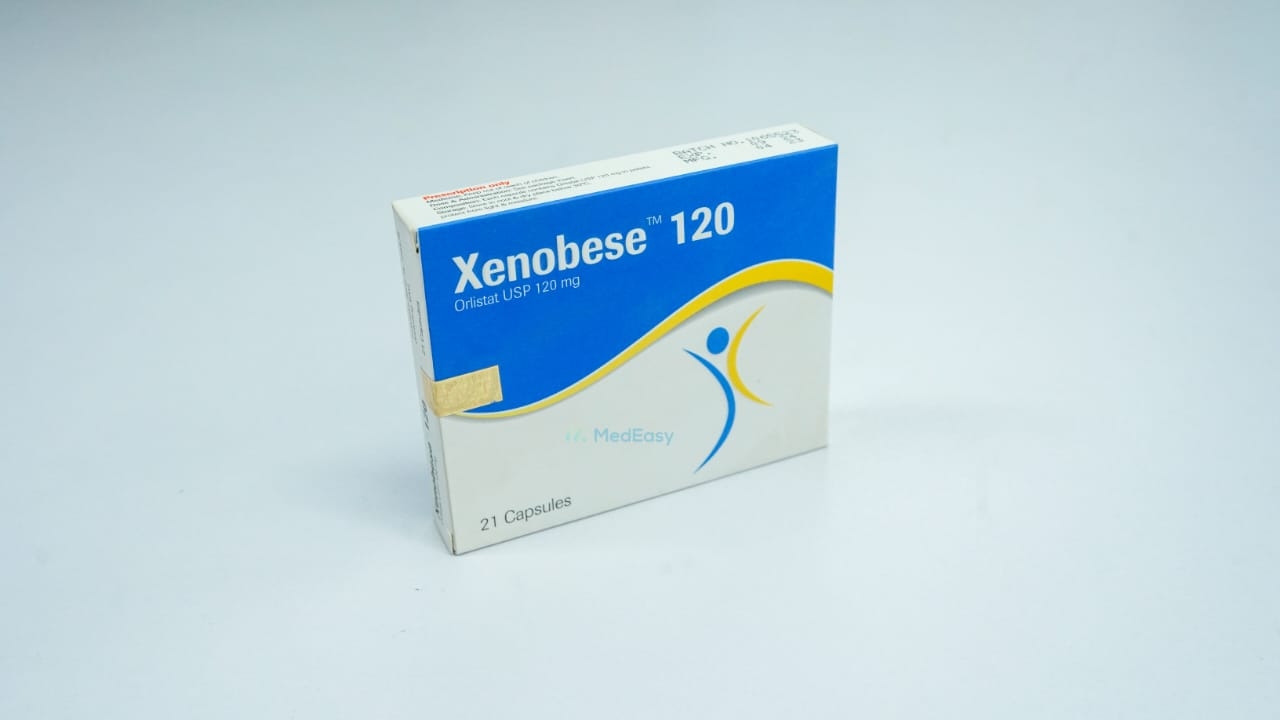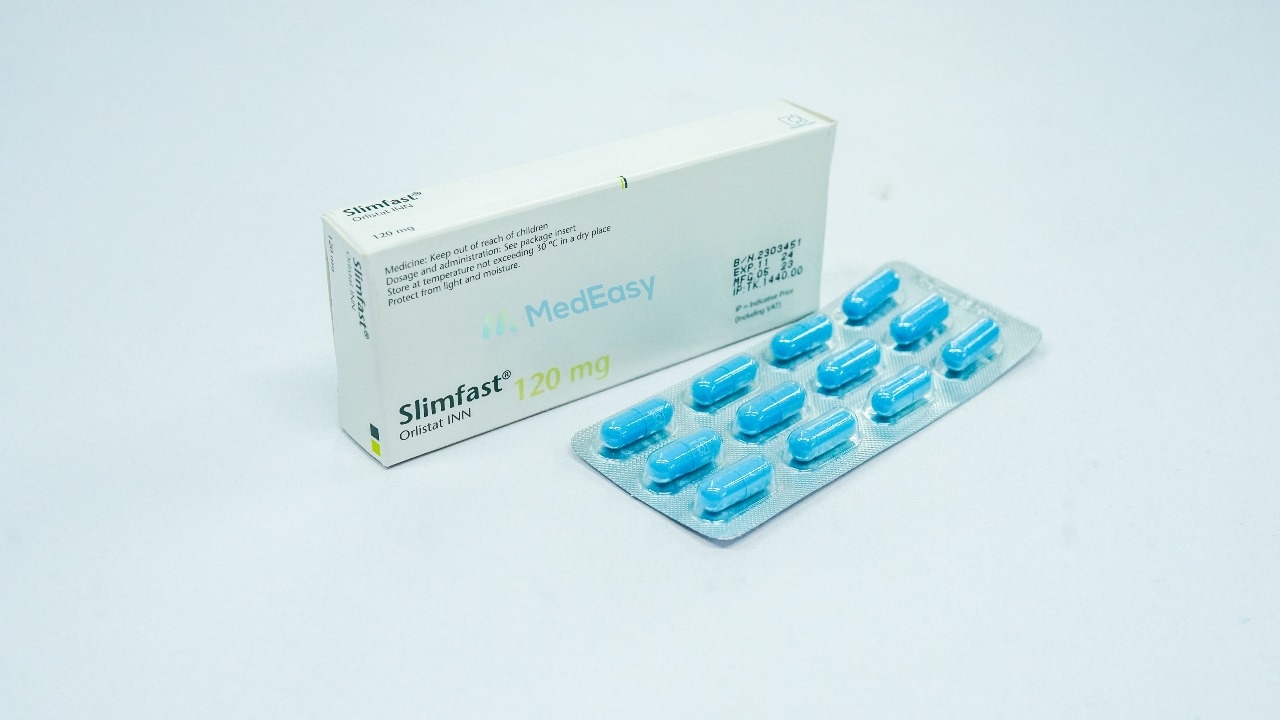
Generic medicine

Orlistat: Brands, Price & Uses in Bangladesh

Orlistat is a lipase inhibitor indicated for the management of obesity as follows: Established / FDA-approved uses Weight loss and weight maintenance: Orlistat is indicated for weight loss and…

Forms:Capsule

About Orlistat

Indications of Orlistat

Orlistat is a lipase inhibitor indicated for the management of obesity as follows:

Established / FDA-approved uses

  • Weight loss and weight maintenance: Orlistat is indicated for weight loss and weight maintenance when used together with a reduced-calorie, reduced-fat diet, in adults with an initial body mass index (BMI) of 30 kg/m² or greater, or 27 kg/m² or greater in the presence of other weight-related risk factors such as hypertension, type 2 diabetes, or dyslipidemia.
  • Reduction of weight regain: Orlistat is also indicated to reduce the risk of weight regain after prior weight loss.

Adjunct use — combination therapy required

  • Orlistat is only effective as an adjunct to a supervised, reduced-calorie, low-fat diet (approximately 30% of daily calories from fat, distributed over three main meals). It is not effective as monotherapy without dietary modification, and may be combined with a structured exercise programme for enhanced weight loss.

Pediatric/adolescent use

  • Orlistat 120 mg is approved for obesity management in adolescents aged 12 to 16 years, used together with a reduced-calorie, nutritionally balanced diet, under medical supervision.

Orlistat does not treat the underlying cause of obesity; organic causes of obesity (e.g. hypothyroidism) should be excluded before starting therapy.

Dosage & Administration of Orlistat

Adult dose

IndicationDose
Obesity management (weight loss/maintenance), BMI ≥30, or ≥27 with risk factorsOne 120 mg capsule three times daily with each main fat-containing meal, taken during the meal or up to 1 hour after eating
Milder weight management (lower-strength product)One 60 mg capsule up to three times daily with fat-containing meals, per product labeling

Pediatric dose

Adolescents aged 12–16 years: 120 mg three times daily with main meals, together with a nutritionally balanced, reduced-calorie diet and under medical supervision. Use in children under 12 years is not recommended — safety and efficacy have not been established.

Renal/hepatic impairment

No dedicated pharmacokinetic studies have been conducted in patients with renal or hepatic impairment; use with caution and under medical supervision in these populations, and monitor for hepatic adverse effects (see Precautions and Warnings).

Administration notes

  • If a meal is occasionally missed or contains no fat, the dose of Orlistat for that meal may be omitted.
  • A multivitamin supplement containing fat-soluble vitamins (A, D, E, K) should be taken once daily, at least 2 hours before or after Orlistat (for example, at bedtime), to reduce the risk of vitamin deficiency.

Side Effects of Orlistat

Adverse effects of Orlistat are predominantly gastrointestinal, related to its mechanism of blocking fat absorption, and tend to occur more frequently with higher dietary fat intake. Counseling patients on adherence to a low-fat diet reduces the frequency of these effects.

Very common (gastrointestinal, fat-malabsorption related)

  • Oily spotting/discharge from the rectum
  • Flatulence with discharge
  • Fecal urgency
  • Oily or fatty stool
  • Oily evacuation
  • Increased frequency of defecation
  • Fecal incontinence
  • Abdominal pain/discomfort

Common

  • Headache
  • Upper respiratory tract infection
  • Nausea

Rare but serious

  • Severe liver injury, including hepatocellular necrosis and acute hepatic failure (some cases fatal or requiring transplant) — seek immediate medical attention for symptoms such as loss of appetite, jaundice, dark urine, or right upper abdominal pain.
  • Oxalate nephrolithiasis and oxalate nephropathy with renal failure.
  • Hypersensitivity reactions, including anaphylaxis and severe skin reactions.
  • Cholelithiasis (gallstones), related to the degree of weight loss.
  • Pancreatitis (postmarketing reports).

Contraindications of Orlistat

Orlistat is contraindicated in patients with:

  • Known hypersensitivity to Orlistat or to any component of the formulation.
  • Chronic malabsorption syndrome.
  • Cholestasis.
  • Pregnancy (see Pregnancy and Lactation).

Frequently Asked Questions about Orlistat

What is Orlistat used for?

Orlistat is used for weight loss and weight maintenance in overweight or obese adults, together with a reduced-calorie, low-fat diet, and to help reduce the risk of regaining weight after prior weight loss. It works by blocking the absorption of some of the fat you eat.

How should I take Orlistat?

Take one capsule (120 mg, or 60 mg for lower-strength products) by mouth up to three times daily, with each main meal that contains fat — during the meal or within 1 hour after eating. If a meal contains no fat or is skipped, that dose can be skipped. Orlistat only works if you also follow a reduced-calorie, low-fat diet.

What are the most common side effects of Orlistat?

The most common side effects are gastrointestinal and related to unabsorbed fat passing through the bowel — oily spotting, gas with oily discharge, urgent or more frequent bowel movements, oily or fatty stools, and occasionally difficulty controlling bowel movements. These effects are usually mild, improve within a few weeks, and are reduced by keeping dietary fat low. Rarely, serious liver problems have been reported — seek medical attention immediately if you notice yellowing of the skin/eyes, dark urine, loss of appetite, or pain in the upper right abdomen.

Can I take Orlistat during pregnancy or while breastfeeding?

No. Orlistat is contraindicated during pregnancy because weight loss is not appropriate in pregnancy and may harm the fetus; it should be stopped if you become pregnant or are planning pregnancy. It is not known whether Orlistat passes into breast milk, so it should be used during breastfeeding only if a physician determines it is clearly needed, and with caution.

Do I need to take vitamins with Orlistat?

Yes. Because Orlistat reduces absorption of fat-soluble vitamins (A, D, E, K) and beta-carotene, you should take a daily multivitamin supplement, timed at least 2 hours before or after Orlistat (for example, at bedtime), to help prevent vitamin deficiency.

Who should not take Orlistat?

Orlistat should not be used by anyone with a known hypersensitivity/allergy to Orlistat or its ingredients, chronic malabsorption syndrome, cholestasis (bile flow blockage), or during pregnancy. Discuss your full medical history, including any liver, kidney, or gallbladder problems and all medicines you take, with your physician before starting Orlistat.

Disclaimer

The information provided is accurate to the best of our knowledge, but it does not replace professional medical advice. We cannot guarantee its completeness or accuracy, and the absence of specific information about a drug should not be taken as an endorsement. We are not responsible for any consequences arising from this information, so please consult a healthcare professional for any concerns or questions.
DoctorBlogArticles