10% Off
Xinc-B
Eskayef Bangladesh Ltd.
৳94.50
Add to cart
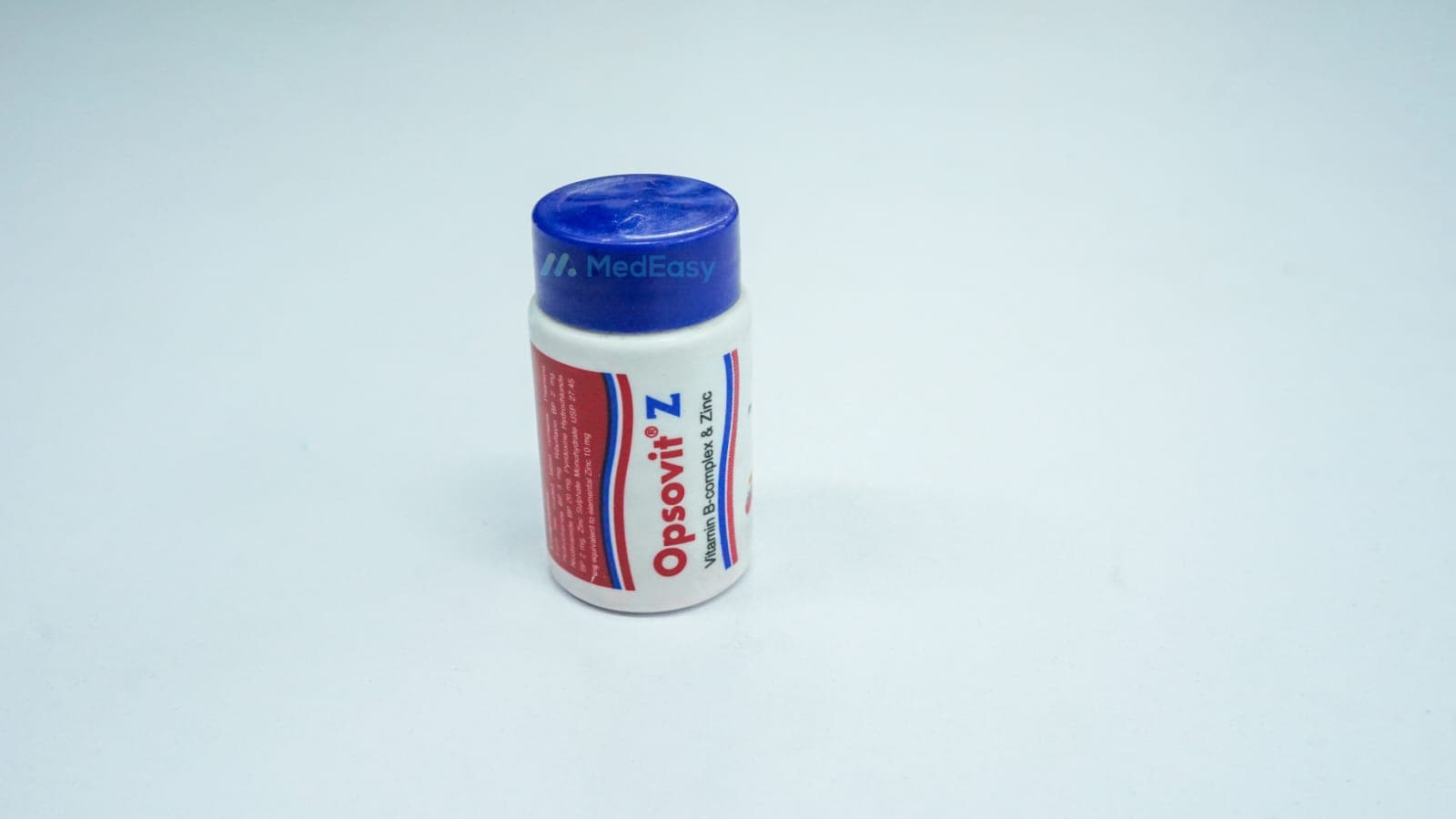

Opsovit Z is indicated for the prevention and treatment of combined vitamin B-complex and zinc deficiency, and for general nutritional support of energy metabolism, nervous system function, red blood cell formation, and immune function.
As an adjunct to a balanced diet in people with fatigue or non-specific tiredness attributable to low dietary B-vitamin or zinc intake, and in elderly individuals or those with chronic alcohol use associated with poor nutrition (as an adjunct to addressing the underlying cause, not a substitute for it).
Opsovit Z is not a substitute for a balanced diet, is not intended to treat a specific medically diagnosed deficiency requiring higher individually titrated doses (e.g. pernicious anemia requiring high-dose parenteral vitamin B12), and is not an antibiotic or antimicrobial agent.
Vitamin B Complex + Zinc combines several B-complex vitamins with zinc in a single tablet or syrup formulation. A typical formulation (strengths vary by brand) provides, per tablet or per 5 mL:
Some brands may also include additional B-vitamins such as pantothenic acid, folic acid, or cyanocobalamin (Vitamin B12); the exact composition and strength should always be confirmed on the specific product label.
Opsovit Z is a vitamin and mineral combination supplement that pairs B-complex vitamins (thiamine, riboflavin, pyridoxine, nicotinamide, and related B-vitamins) with zinc. The B-vitamins support energy release from food, healthy nervous system function, and red blood cell formation, while zinc supports immune function, wound healing, and normal taste and smell perception.
Opsovit Z is used as a dietary supplement to prevent and correct combined B-vitamin and zinc deficiency and to provide general nutritional support, particularly in people with inadequate dietary intake or increased nutrient requirements. It is not an antibiotic and has no antimicrobial activity, and it is not a substitute for a balanced diet.
Vitamin and mineral supplement (B-complex vitamin and zinc combination) — Opsovit Z belongs to the class of combined micronutrient dietary supplements.
Vitamin B Complex + Zinc supplies B-complex vitamins and zinc that act as essential cofactors in normal human metabolism:
Together, the components of Vitamin B Complex + Zinc help maintain normal energy metabolism, nervous system function, red blood cell formation, and immune function, correcting or preventing deficiency-related symptoms such as fatigue, poor appetite, and impaired immunity when dietary intake is inadequate.
| Population | Formulation | Typical Dose |
|---|---|---|
| Adults | Tablet | One to two tablets, two to three times daily, or as directed by a physician |
| Adults | Syrup | 10 mL, two to three times daily |
| Children over 30 kg | Tablet | One to two tablets, two to three times daily, as directed by a physician |
| Children (general) | Syrup | 10 mL, once to three times daily, as directed by a physician |
| Infants | Syrup | 5 mL, once to twice daily, as directed by a physician |
The exact dose depends on the specific brand and strength of Opsovit Z prescribed or recommended; always follow the product label or a physician's advice rather than a generic dose when available.
Opsovit Z is taken orally, generally with or after meals to improve tolerability and reduce the chance of gastrointestinal upset. Tablets should be swallowed with water; syrup should be measured with an accurate measuring device rather than a household spoon. Do not exceed the recommended dose on the label.
Opsovit Z should be taken by mouth, generally with or shortly after food to reduce gastrointestinal discomfort. Tablets should be swallowed whole with a glass of water. Syrup formulations should be shaken well before use and measured accurately using the measuring cup or spoon provided, not an ordinary household spoon. Doses should be spaced evenly throughout the day if taken more than once daily.
Opsovit Z may interact with certain medicines because of its zinc and B-vitamin content:
Patients should inform their physician or pharmacist about all other medicines being taken before starting Opsovit Z.
Vitamin B Complex + Zinc is contraindicated in patients with known hypersensitivity to any of its vitamin B components, zinc, or other excipients of the specific formulation.
Opsovit Z is generally well tolerated at standard recommended doses. Reported side effects, more likely at higher-than-recommended doses, include:
Prolonged high-dose intake beyond the recommended amount can lead to copper deficiency (from excess zinc) or peripheral neuropathy (from excess vitamin B6); see Precautions and Warnings.
Both B-complex vitamins and zinc are required in increased amounts during pregnancy and lactation, and Opsovit Z at standard supplement doses is generally considered acceptable for use during pregnancy and breastfeeding as part of routine nutritional support. However, as with any supplement in pregnancy, Opsovit Z should be used only if clearly needed and at the labeled or physician-recommended dose, since the potential benefit should be weighed against any theoretical risk of excess intake; a physician should be consulted before use, particularly to confirm dose and avoid unnecessary duplication with prenatal multivitamin products.
Prolonged high-dose zinc supplementation, well above the amount contained in standard doses of Opsovit Z, can interfere with copper absorption and lead to copper deficiency and associated anemia or neurological symptoms with long-term unsupervised use; zinc intake should not exceed recommended levels without medical supervision.
Prolonged high-dose use of vitamin B6 (pyridoxine), generally well above the amount in standard doses of Opsovit Z, has rarely been associated with sensory peripheral neuropathy; the recommended dose should not be exceeded for extended periods without medical advice.
Dose adjustment of Opsovit Z may be needed in patients with significant renal impairment, as clearance of some B-vitamins and zinc may be altered.
Opsovit Z is not a substitute for a balanced diet or for medical treatment of a specific diagnosed deficiency (e.g. pernicious anemia) requiring a higher, individually supervised therapeutic dose.
Overdose of Opsovit Z, particularly from excessive zinc intake, may cause epigastric pain, nausea, vomiting, and diarrhea. Very high acute zinc intake can, in rare cases, cause more serious systemic effects.
If overdose of Opsovit Z is suspected, seek immediate medical attention or contact a poison control center/emergency services right away; do not attempt specific home treatment.
Store at room temperature (below 30°C), away from light and moisture. Keep out of reach of children.
Renal impairment: Dose adjustment of Opsovit Z may be needed, as clearance of zinc and certain B-vitamins can be reduced; a physician should guide dosing.
Hepatic impairment: No specific dose adjustment is generally established, but caution is reasonable with any nutritional supplement in significant liver disease; use under medical guidance.
Elderly: Opsovit Z is commonly used to address age-related reductions in dietary intake of B-vitamins and zinc, at standard recommended doses.
Pregnancy and lactation: See Pregnancy and Lactation section above.
Pediatric use: See Pediatric Uses section below.
Opsovit Z is typically used for as long as increased nutritional needs or dietary inadequacy persist, and may be taken on an ongoing basis as a general supplement. When used to correct a specific short-term deficiency or during a defined period of increased need (e.g. convalescence), it is generally continued for the duration of that period or as advised by a physician. Periodic medical review is advisable with prolonged high-dose use, particularly regarding zinc and vitamin B6 intake.
Dietary supplement; Vitamin B-complex and zinc combination product — Vitamin B Complex + Zinc is classified as a combined micronutrient (vitamin and mineral) supplement rather than a therapeutic drug class.
Vitamin B Complex + Zinc works by supplying B-complex vitamins and zinc that the body needs but may not obtain in sufficient quantity from diet alone. The B-vitamins function as coenzymes in carbohydrate, fat, and protein metabolism and support nervous system and red blood cell function, while zinc acts as a cofactor for numerous enzymes and supports immune cell function, wound healing, and taste/smell perception. Together, these components help correct or prevent deficiency states and support normal energy, nervous system, and immune function when dietary intake is inadequate.
Opsovit Z is used in children to support normal growth, energy metabolism, and immune function, and to prevent or treat mild combined B-vitamin and zinc deficiency associated with poor appetite or inadequate dietary intake.
Pediatric dosing of Opsovit Z should always follow the specific product label or a physician's advice, as strengths vary between brands.
Q: What is Opsovit Z Tablet used for?
A: Opsovit Z Tablet is a dietary supplement used to prevent and treat combined vitamin B-complex and zinc deficiency, and to provide general nutritional support for energy metabolism, nervous system function, red blood cell formation, and immune function, particularly in people with inadequate dietary intake or increased nutritional needs. It is not a substitute for a balanced diet.
Q: Can I take Opsovit Z Tablet during pregnancy?
A: Opsovit Z Tablet at standard supplement doses is generally considered acceptable during pregnancy and breastfeeding as part of routine nutritional support, but it should be used only if clearly needed and at the recommended dose, and a physician should be consulted before starting it, especially to avoid duplicating nutrients already provided by a prenatal multivitamin.
Q: What are the side effects of Opsovit Z Tablet?
A: Opsovit Z Tablet is generally well tolerated at recommended doses. The most common side effects are mild gastrointestinal symptoms such as nausea, vomiting, stomach upset, or diarrhea, and occasionally a metallic taste. Prolonged high-dose intake beyond the recommended amount can lead to copper deficiency or, rarely, nerve-related symptoms, so the labeled dose should not be exceeded.
Q: Who should not take Opsovit Z Tablet?
A: Opsovit Z Tablet should not be taken by people with known hypersensitivity to any of its B-vitamin or zinc components or other ingredients in the specific formulation. People with kidney impairment should use it under medical guidance, as dose adjustment may be needed.
Q: Can Opsovit Z Tablet be taken with antibiotics or other medicines?
A: Opsovit Z Tablet can reduce the absorption of tetracycline and fluoroquinolone antibiotics if taken at the same time, so doses should be separated by at least 2–3 hours. It may also reduce the effectiveness of levodopa and phenytoin, and high-dose use with statins may increase the risk of muscle-related side effects. Always tell your physician or pharmacist about all medicines you are taking before starting Opsovit Z Tablet.
Q: What happens if someone takes too much Opsovit Z Tablet?
A: Taking more than the recommended dose of Opsovit Z Tablet, especially from excess zinc, can cause epigastric pain, nausea, vomiting, and diarrhea. If overdose is suspected, seek immediate medical attention or contact emergency services or a poison control center right away rather than attempting home treatment.
Disclaimer
The information provided is accurate to the best of our knowledge, but it does not replace professional medical advice. We cannot guarantee its completeness or accuracy, and the absence of specific information about a drug should not be taken as an endorsement. We are not responsible for any consequences arising from this information, so please consult a healthcare professional for any concerns or questions.