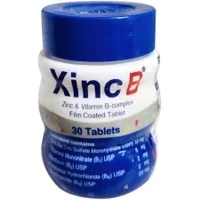
Generic medicine

Vitamin B Complex + Zinc: Brands, Price & Uses in Bangladesh

Established / Primary Use Vitamin B Complex + Zinc is indicated for the prevention and treatment of combined vitamin B-complex and zinc deficiency and more.

Forms:TabletSyrup

About Vitamin B Complex + Zinc

Indications of Vitamin B Complex + Zinc

Established / Primary Use

Vitamin B Complex + Zinc is indicated for the prevention and treatment of combined vitamin B-complex and zinc deficiency, and for general nutritional support of energy metabolism, nervous system function, red blood cell formation, and immune function.

Guideline-Supported / Increased-Requirement Uses

  • Individuals with inadequate dietary intake, restrictive diets, or poor appetite where B-vitamin and zinc requirements are not met from food alone.
  • Increased physiological requirements, such as during convalescence after illness or surgery, chronic illness, or periods of increased metabolic demand.
  • Support of wound healing and taste/smell function related to zinc status, when zinc intake is insufficient.

Adjunct Use

As an adjunct to a balanced diet in people with fatigue or non-specific tiredness attributable to low dietary B-vitamin or zinc intake, and in elderly individuals or those with chronic alcohol use associated with poor nutrition (as an adjunct to addressing the underlying cause, not a substitute for it).

Not Indicated For

Vitamin B Complex + Zinc is not a substitute for a balanced diet, is not intended to treat a specific medically diagnosed deficiency requiring higher individually titrated doses (e.g. pernicious anemia requiring high-dose parenteral vitamin B12), and is not an antibiotic or antimicrobial agent.

Dosage & Administration of Vitamin B Complex + Zinc

General Dosing

PopulationFormulationTypical Dose
AdultsTabletOne to two tablets, two to three times daily, or as directed by a physician
AdultsSyrup10 mL, two to three times daily
Children over 30 kgTabletOne to two tablets, two to three times daily, as directed by a physician
Children (general)Syrup10 mL, once to three times daily, as directed by a physician
InfantsSyrup5 mL, once to twice daily, as directed by a physician

The exact dose depends on the specific brand and strength of Vitamin B Complex + Zinc prescribed or recommended; always follow the product label or a physician's advice rather than a generic dose when available.

Administration

Vitamin B Complex + Zinc is taken orally, generally with or after meals to improve tolerability and reduce the chance of gastrointestinal upset. Tablets should be swallowed with water; syrup should be measured with an accurate measuring device rather than a household spoon. Do not exceed the recommended dose on the label.

Side Effects of Vitamin B Complex + Zinc

Vitamin B Complex + Zinc is generally well tolerated at standard recommended doses. Reported side effects, more likely at higher-than-recommended doses, include:

  • Nausea, vomiting, or stomach upset
  • Diarrhea
  • Metallic taste
  • Rarely, mild allergic reactions such as skin rash or itching

Prolonged high-dose intake beyond the recommended amount can lead to copper deficiency (from excess zinc) or peripheral neuropathy (from excess vitamin B6); see Precautions and Warnings.

Contraindications of Vitamin B Complex + Zinc

Vitamin B Complex + Zinc is contraindicated in patients with known hypersensitivity to any of its vitamin B components, zinc, or other excipients of the specific formulation.

Frequently Asked Questions about Vitamin B Complex + Zinc

What is Vitamin B Complex + Zinc used for?

Vitamin B Complex + Zinc is a dietary supplement used to prevent and treat combined vitamin B-complex and zinc deficiency, and to provide general nutritional support for energy metabolism, nervous system function, red blood cell formation, and immune function, particularly in people with inadequate dietary intake or increased nutritional needs. It is not a substitute for a balanced diet.

Can I take Vitamin B Complex + Zinc during pregnancy?

Vitamin B Complex + Zinc at standard supplement doses is generally considered acceptable during pregnancy and breastfeeding as part of routine nutritional support, but it should be used only if clearly needed and at the recommended dose, and a physician should be consulted before starting it, especially to avoid duplicating nutrients already provided by a prenatal multivitamin.

What are the side effects of Vitamin B Complex + Zinc?

Vitamin B Complex + Zinc is generally well tolerated at recommended doses. The most common side effects are mild gastrointestinal symptoms such as nausea, vomiting, stomach upset, or diarrhea, and occasionally a metallic taste. Prolonged high-dose intake beyond the recommended amount can lead to copper deficiency or, rarely, nerve-related symptoms, so the labeled dose should not be exceeded.

Who should not take Vitamin B Complex + Zinc?

Vitamin B Complex + Zinc should not be taken by people with known hypersensitivity to any of its B-vitamin or zinc components or other ingredients in the specific formulation. People with kidney impairment should use it under medical guidance, as dose adjustment may be needed.

Can Vitamin B Complex + Zinc be taken with antibiotics or other medicines?

Vitamin B Complex + Zinc can reduce the absorption of tetracycline and fluoroquinolone antibiotics if taken at the same time, so doses should be separated by at least 2–3 hours. It may also reduce the effectiveness of levodopa and phenytoin, and high-dose use with statins may increase the risk of muscle-related side effects. Always tell your physician or pharmacist about all medicines you are taking before starting Vitamin B Complex + Zinc.

What happens if someone takes too much Vitamin B Complex + Zinc?

Taking more than the recommended dose of Vitamin B Complex + Zinc, especially from excess zinc, can cause epigastric pain, nausea, vomiting, and diarrhea. If overdose is suspected, seek immediate medical attention or contact emergency services or a poison control center right away rather than attempting home treatment.

Disclaimer

The information provided is accurate to the best of our knowledge, but it does not replace professional medical advice. We cannot guarantee its completeness or accuracy, and the absence of specific information about a drug should not be taken as an endorsement. We are not responsible for any consequences arising from this information, so please consult a healthcare professional for any concerns or questions.

DoctorBlogArticles