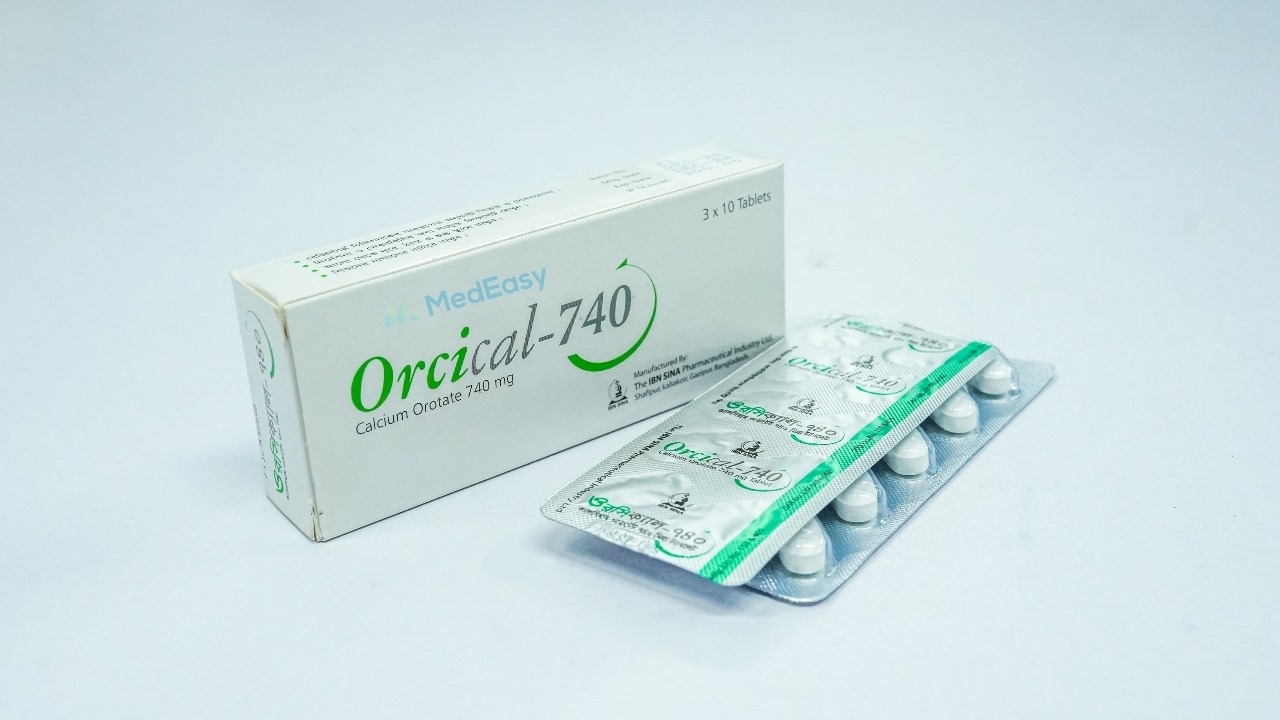
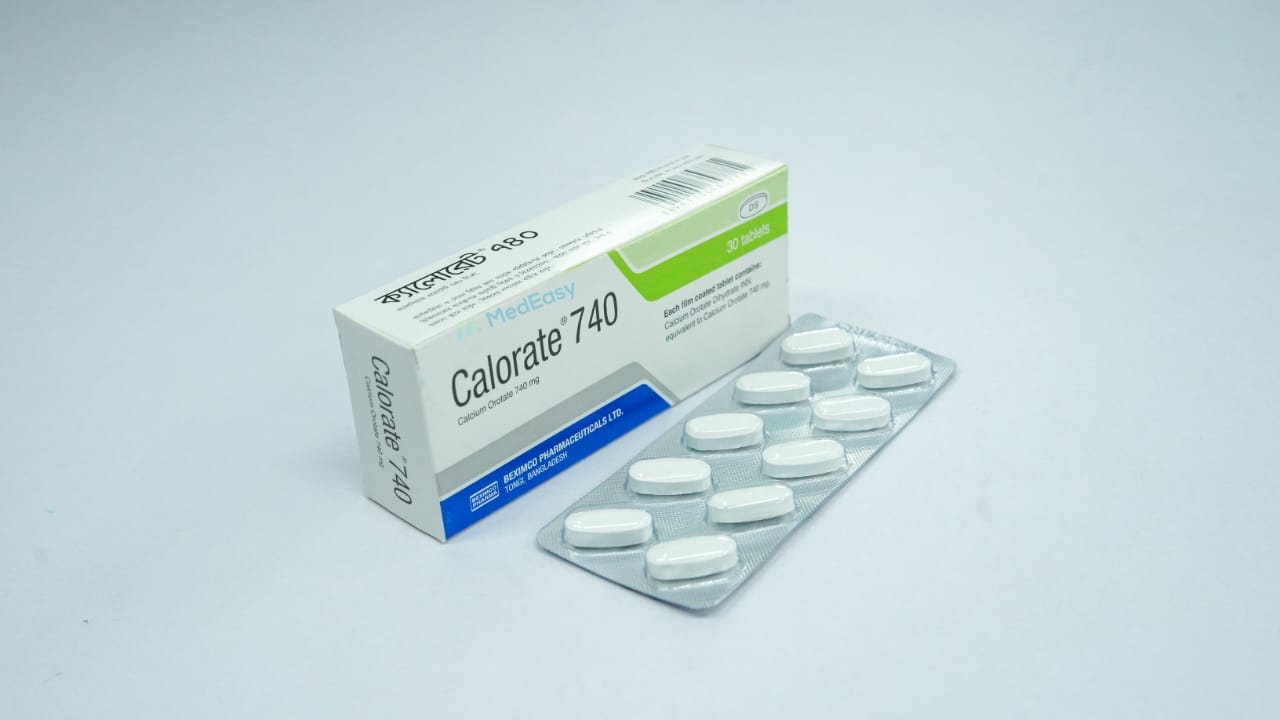
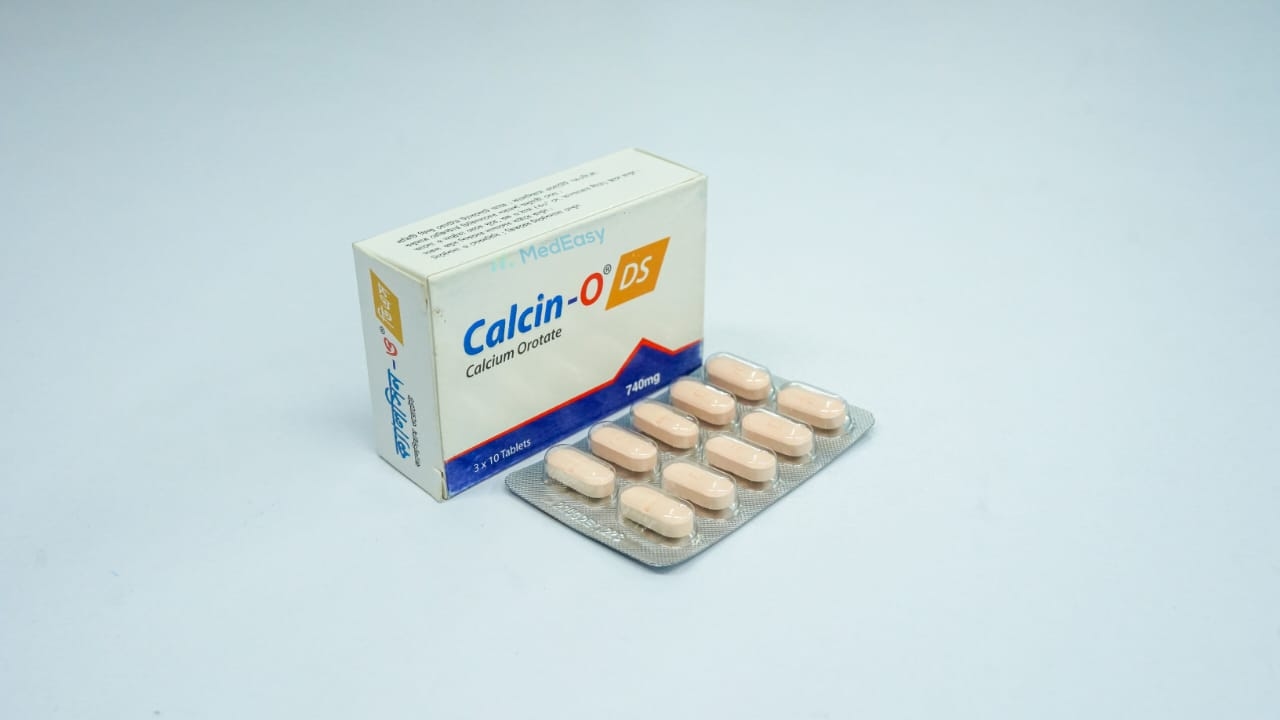
Calcium Orotate is used-
To prevent or to treat low blood Calcium levels
Hypoparathyroidism
Latent tetany
Hip joint plastic surgery
Many inflammatory diseases like: Arthritis, Spondylitis etc.
Pregnant women & nursing mothers
Premenstrual syndrome (PMS)
Helps in controlling weight by suppressing the habit of frequent appetite
Mood swings
Cognitive enhancement
Protects the heart by enhancing the efficiency of cardiac muscles
To treat conditions caused by low Calcium levels i.e. bone loss (Osteoporosis, Postmenopausal, Osteoporosis, Juvenile Osteoporosis, Senile Osteoporosis, Osteomalacia, Rickets)
Theropeutic Class
Minerals in bone formation, Specific mineral preparations
Pharmacology
Calcium Orotate is a Calcium supplement with a functional amino acid chelating ligand-Orotic acid. Orotic acid assists the transport of Calcium through cellular membrane structures facilitating the intracellular uptake of Calcium, particularly in bone. Calcium Orotate also helps in the maintenance of healthy cartilage. Furthermore, Orotate is involved in the synthesis of DNA (deoxyribonucleic acid) and RNA (ribonucleic acid). Calcium Orotate has the high affinity to penetrate complex cell membrane.
Dosage & Administration of Ortical 740 mg
Calcium Orotate 400 mg: As an addition to the daily diet, 2-3 tablets are usually recommended with meal, after meal or as directed by physician.Calcium Orotate 740 mg: As an addition to the daily diet, 1-2 tablets are usually recommended with meal, after meal or as directed by physician.
Interaction of Ortical 740 mg
Calcium can decrease absorption of the following drugs when taken together with bisphosphonates, quinolone antibiotics, tetracycline antibiotics, levothyroxine, phenytoin and tiludronate disodium. Thiazide-type diuretics can interact with Calcium supplements, increasing the risks of hypercalcemia and hypercalciuria.
Contraindications
Calcium Orotate is contraindicated in conditions like kidney stone, kidney disease, increased activity of the parathyroid gland, high amount of Calcium in urine & blood and extreme loss of body water.
Side Effects of Ortical 740 mg
Bloating and swelling in the abdomen are common side effects of Calcium Orotate. Constipation, nausea, vomiting, headache, increased thirst/ urination, may occur infrequently.
Pregnancy & Lactation
During pregnancy and lactation treatment with Calcium Orotate should always be under the direction of a physician. Women who are pregnant and breast feeding need more Calcium. Pregnancy related high blood pressure is a common and serious risk for women and their babies. Taking supplement of Calcium Orotate can help to reduce this risk.
Precautions & Warnings
Before taking calcium, precaution is needed if the patient has any allergies. This product may contain inactive ingredients, which can cause allergic reactions or other problems. Precaution is needed before using this product in kidney disease, kidney stones, little or no stomach acid (achlorhydria), heart disease, disease of the pancreas, a certain lung disease(sarcoidosis), difficulty absorbing nutrition from food (malabsorption syndrome).
Overdose Effects of Ortical 740 mg
Symptoms of over dose may include nausea/ vomiting, weight loss, loss of appetite, constipation, headache, weakness etc if any of the side effects become serious please talk with physician.
Storage Conditions
Store below 30º C. Protect from light and moisture. Keep out of the reach of children.
Frequently Asked Questions
What is Ortical 740 mg used for?
Calcium Orotate is used- To prevent or to treat low blood Calcium levels Hypoparathyroidism Latent tetany Hip joint plastic surgery Many inflammatory diseases like: Arthritis, Spondylitis etc. Pregnant women & nursing mothers Premenstrual syndrome (PMS) Helps in controlling weight by suppressing the habit of frequent appetite Mood swings Cognitive enhancement Protects the heart by enhancing the ef…
What is the dosage of Ortical 740 mg?
Calcium Orotate 400 mg: As an addition to the daily diet, 2-3 tablets are usually recommended with meal, after meal or as directed by physician.Calcium Orotate 740 mg: As an addition to the daily diet, 1-2 tablets are usually recommended with meal, after meal or as directed by physician.
What are the side effects of Ortical 740 mg?
Bloating and swelling in the abdomen are common side effects of Calcium Orotate. Constipation, nausea, vomiting, headache, increased thirst/ urination, may occur infrequently.
Who should not take Ortical 740 mg?
Calcium Orotate is contraindicated in conditions like kidney stone, kidney disease, increased activity of the parathyroid gland, high amount of Calcium in urine & blood and extreme loss of body water.
What precautions should be taken with Ortical 740 mg?
Before taking calcium, precaution is needed if the patient has any allergies. This product may contain inactive ingredients, which can cause allergic reactions or other problems. Precaution is needed before using this product in kidney disease, kidney stones, little or no stomach acid (achlorhydria), heart disease, disease of the pancreas, a certain lung disease(sarcoidosis), difficulty absorbing …
Is Ortical 740 mg safe during pregnancy and breastfeeding?
During pregnancy and lactation treatment with Calcium Orotate should always be under the direction of a physician. Women who are pregnant and breast feeding need more Calcium. Pregnancy related high blood pressure is a common and serious risk for women and their babies. Taking supplement of Calcium Orotate can help to reduce this risk.
Disclaimer
The information provided is accurate to our best practices, but it does not replace professional medical advice. We cannot guarantee its completeness or accuracy. The absence of specific information about a drug should not be seen as an endorsement. We are not responsible for any consequences resulting from this information, so consult a healthcare professional for any concerns or questions.