

8% Off
Kalcoral kit150 mg+600
Popular Pharmaceuticals Ltd.
৳1978.00
Add to cart
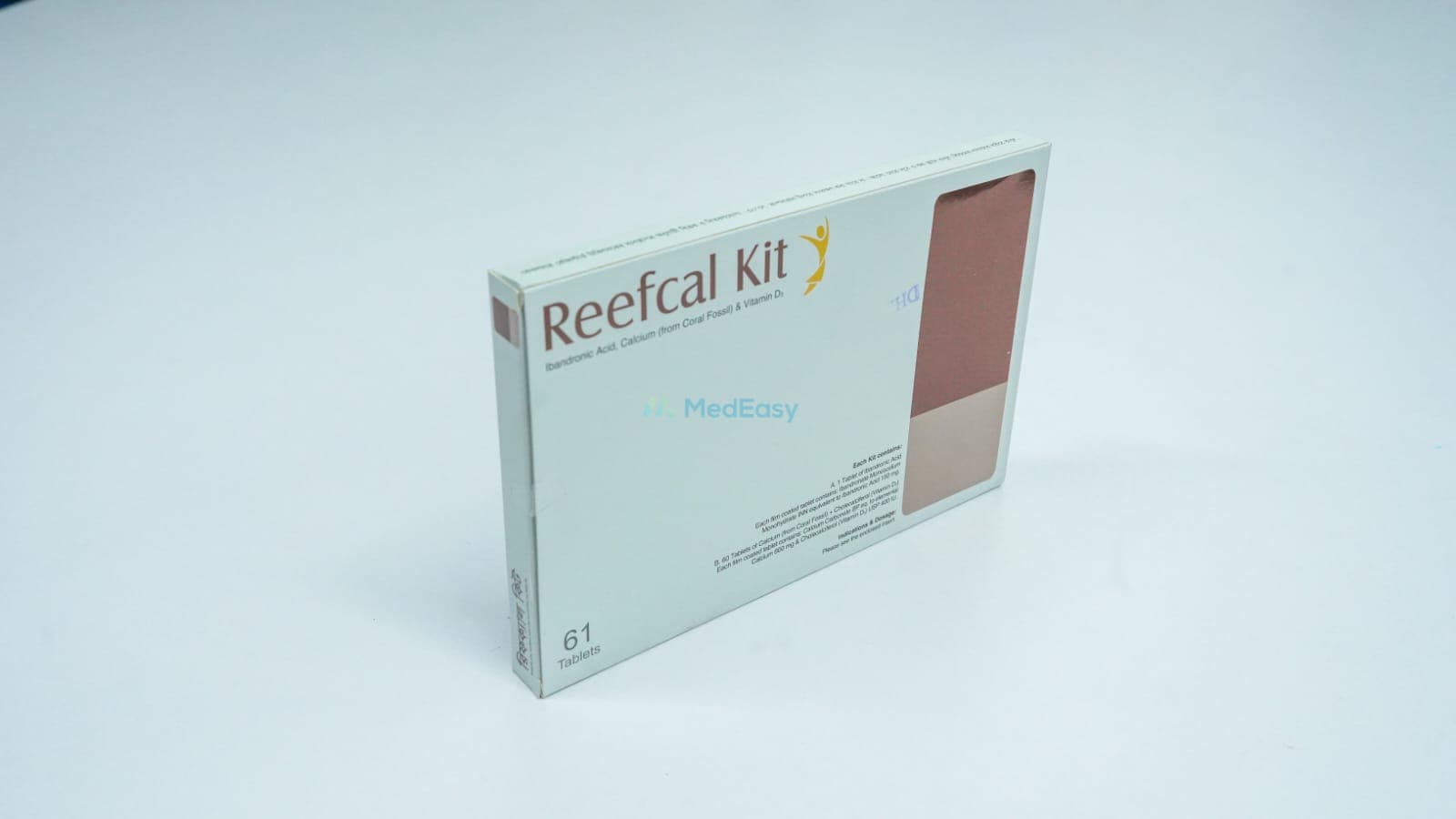

Reefcal Kit is a combination product used in the management of osteoporosis, combining a bisphosphonate with calcium and vitamin D3 supplementation to support bone mineralization during anti-resorptive therapy.
Reefcal Kit is not indicated for prevention or treatment of osteoporosis in men or for glucocorticoid-induced osteoporosis unless specifically advised by a physician, as robust evidence for these uses with this specific combination is limited.
Each Ibandronic Acid + Calcium Carbonate [Coral source] + Vitamin D3 pack typically contains two components dispensed on an alternating schedule:
The coral-source calcium carbonate is a naturally derived form of calcium carbonate; its elemental calcium content and clinical effect are equivalent to other pharmaceutical-grade calcium carbonate sources.
Reefcal Kit is a fixed combination regimen pairing a nitrogen-containing bisphosphonate (ibandronic acid) with calcium carbonate (derived from a coral source) and vitamin D3. It is designed for the management of osteoporosis, where the bisphosphonate slows bone loss by inhibiting osteoclast activity, while the calcium and vitamin D3 component ensures the mineral and hormonal substrate needed for normal bone remodeling and to reduce the risk of treatment-related hypocalcemia.
Because oral bisphosphonates and calcium compete for absorption and must be dosed separately, Reefcal Kit is supplied so that the ibandronic acid tablet is taken once monthly under strict administration conditions, while the calcium carbonate [coral source] plus vitamin D3 tablet is taken daily on the other days of the month with food.
Reefcal Kit belongs to the bisphosphonate (anti-resorptive bone agent) class combined with a calcium and vitamin D3 supplement, used together in the therapeutic management of osteoporosis.
Ibandronic Acid + Calcium Carbonate [Coral source] + Vitamin D3 combines agents with complementary mechanisms in bone metabolism:
Ibandronic acid is a nitrogen-containing bisphosphonate that binds avidly to hydroxyapatite crystals in bone, with preferential uptake at sites of active bone remodeling. It is internalized by osteoclasts, where it inhibits farnesyl pyrophosphate synthase in the mevalonate pathway, disrupting osteoclast cytoskeletal function and promoting osteoclast apoptosis. This reduces bone resorption, allowing bone formation to outpace resorption and increasing bone mineral density over time.
Calcium carbonate dissociates in the acidic environment of the stomach to release elemental calcium, which is absorbed in the small intestine and used to maintain the calcium pool required for bone mineralization and to prevent bisphosphonate-associated hypocalcemia.
Vitamin D3 is hydroxylated in the liver and kidney to its active form, which increases intestinal absorption of calcium and phosphate and supports normal bone mineralization, working synergistically with the calcium component and enabling the anti-resorptive effect of ibandronic acid.
Reefcal Kit is dosed as two separate components on an alternating monthly schedule; the two components must never be taken at the same time because calcium markedly reduces oral absorption of the bisphosphonate.
| Component | Dose | Administration |
|---|---|---|
| Ibandronic Acid 150 mg tablet | One tablet, once monthly, same date each month | Take first thing in the morning, at least 60 minutes before the first food, drink (other than plain water), or other oral medication of the day, with a full glass (180-240 mL) of plain water only. Swallow whole; do not chew, crush, or suck the tablet. Remain fully upright (sitting or standing) for at least 60 minutes after dosing and do not lie down. |
| Calcium Carbonate [Coral source] + Vitamin D3 tablet | One tablet, once daily, on the days the ibandronic acid tablet is not taken | Take with or after a meal to improve calcium absorption and reduce gastrointestinal upset; do not take on the same day as, or within several hours of, the ibandronic acid tablet. |
Correct any pre-existing hypocalcemia and other disturbances of mineral metabolism before starting Reefcal Kit. Ensure adequate hydration and address any dental issues before beginning the bisphosphonate component. Missed ibandronic acid doses should be taken the next morning after the missed dose is remembered (unless the next scheduled dose is within 7 days), following the same administration instructions; never take two ibandronic acid tablets in the same week to make up for a missed dose.
The ibandronic acid tablet in Reefcal Kit must be taken on an empty stomach with plain water only, first thing in the morning, followed by at least 60 minutes upright and fasting; the calcium carbonate [coral source] plus vitamin D3 tablet should be taken with food on the alternate days, several hours apart from the ibandronic acid dose.
Clinically significant interactions relevant to Reefcal Kit include:
Ibandronic Acid + Calcium Carbonate [Coral source] + Vitamin D3 is contraindicated in patients with any of the following true absolute contraindications:
Side effects associated with Reefcal Kit reflect both its bisphosphonate and calcium/vitamin D3 components.
Reefcal Kit is not recommended for use in women who are pregnant, may become pregnant, or are breastfeeding. The bisphosphonate component is not indicated for use in premenopausal women; bisphosphonates are incorporated into bone and released slowly over years, and the potential effect on a fetus from maternal bone-released bisphosphonate during a future pregnancy has not been fully characterized. Use only if clearly needed and if the potential benefit justifies the potential risk to the fetus or infant; a physician should be consulted before use in this setting.
The calcium carbonate [coral source] and vitamin D3 component, at recommended supplemental doses, is generally considered acceptable in pregnancy and lactation, but total intake from all sources (diet, prenatal vitamins, and this product) should be reviewed by a physician to avoid excessive calcium or vitamin D intake.
The following precautions apply to Reefcal Kit:
Overdose of the ibandronic acid component of Reefcal Kit may cause hypocalcemia, hypophosphatemia, and upper gastrointestinal irritation (esophagitis, gastritis, ulcer); overdose of the calcium carbonate/vitamin D3 component may cause hypercalcemia (nausea, vomiting, constipation, confusion, abnormal heart rhythm) or, with chronic excess, vitamin D toxicity.
In case of suspected overdose of Reefcal Kit, seek immediate medical attention or contact emergency services / a poison control center. Do not attempt to induce vomiting. Milk or antacids may be given to bind the bisphosphonate if oral overdose has just occurred and the patient can remain upright, but definitive management, including monitoring of serum calcium and renal function, should be provided by a physician in a medical facility.
Store at room temperature (below 30°C), away from light and moisture. Keep out of reach of children.
Renal impairment: The ibandronic acid component of Reefcal Kit requires caution in mild-to-moderate renal impairment and is contraindicated in severe renal impairment (see Contraindications); the calcium/vitamin D3 component should also be used cautiously in renal impairment because of the risk of hypercalcemia.
Hepatic impairment: No dose adjustment is generally required, as ibandronic acid is not significantly metabolized by the liver; specific data are limited, so use with medical supervision.
Elderly: No overall dose adjustment is required based on age alone; elderly patients are more likely to have reduced renal function, so renal status should be assessed.
Pediatric use: See Pediatric Uses.
Pregnancy and lactation: See Pregnancy and Lactation.
Duration of therapy with Reefcal Kit is individualized. The bisphosphonate component is typically continued for several years as guided by fracture risk and bone density response; because of the small but real risk of atypical femur fractures and osteonecrosis of the jaw with prolonged use, physicians commonly reassess the need for continued bisphosphonate therapy after approximately 3-5 years (a "drug holiday" may be considered in lower-risk patients). The calcium carbonate [coral source] and vitamin D3 component is generally continued for as long as the bisphosphonate is used, and often longer, to maintain bone health.
Bisphosphonates (nitrogen-containing); Calcium supplements; Vitamin D analogs (cholecalciferol)
Ibandronic Acid + Calcium Carbonate [Coral source] + Vitamin D3 works through two complementary mechanisms: the ibandronic acid component inhibits osteoclast-mediated bone resorption by blocking farnesyl pyrophosphate synthase in osteoclasts, promoting osteoclast apoptosis and slowing bone turnover, while the calcium carbonate [coral source] and vitamin D3 component increases intestinal calcium absorption and supplies the mineral substrate needed for normal bone mineralization, supporting the net gain in bone mineral density achieved with anti-resorptive therapy.
C
Safety and efficacy of the ibandronic acid component of Reefcal Kit have not been established in pediatric patients, and it is not indicated for use in children or adolescents. Osteoporosis requiring bisphosphonate therapy is uncommon in this age group and should be managed only by a specialist when used at all. The calcium carbonate and vitamin D3 component alone may be used in children for calcium/vitamin D supplementation under medical guidance, but Reefcal Kit as a combination product is intended for adult use.
Q: What is Reefcal Kit 150 mg+600 mg+400 IU Tablet used for?
A: Reefcal Kit 150 mg+600 mg+400 IU Tablet is used to treat and help prevent postmenopausal osteoporosis. The ibandronic acid component slows bone loss, while the calcium carbonate [coral source] and vitamin D3 component ensures the body has enough calcium and vitamin D to support healthy bone mineralization during treatment.
Q: Why are the two components of Reefcal Kit 150 mg+600 mg+400 IU Tablet taken on different days?
A: Calcium significantly reduces absorption of the ibandronic acid tablet if taken at the same time. For this reason, the ibandronic acid tablet is taken once monthly on an empty stomach, and the calcium carbonate [coral source] plus vitamin D3 tablet is taken daily on the other days of the month, several hours apart from the bisphosphonate dose.
Q: What happens if I lie down or eat too soon after taking the ibandronic acid tablet in Reefcal Kit 150 mg+600 mg+400 IU Tablet?
A: Lying down, eating, drinking anything other than plain water, or taking other oral medicines within 60 minutes of the ibandronic acid tablet increases the risk of the tablet irritating or damaging the esophagus (esophagitis or ulceration). Always remain fully upright for at least 60 minutes after the dose.
Q: Can I take Reefcal Kit 150 mg+600 mg+400 IU Tablet if I am pregnant or breastfeeding?
A: Reefcal Kit 150 mg+600 mg+400 IU Tablet is not recommended in pregnancy or breastfeeding. The bisphosphonate component is not intended for use in premenopausal women and should be used only if clearly needed and a physician determines the benefit outweighs the potential risk to the baby.
Q: What is osteonecrosis of the jaw, and how does it relate to Reefcal Kit 150 mg+600 mg+400 IU Tablet?
A: Osteonecrosis of the jaw is a rare but serious condition involving exposed, non-healing bone in the jaw, reported with bisphosphonate therapy, particularly after invasive dental work. Before starting the ibandronic acid component of Reefcal Kit 150 mg+600 mg+400 IU Tablet, have a dental check-up and address any needed dental treatment, and maintain good oral hygiene throughout treatment.
Q: What should I do if I miss a dose of the ibandronic acid tablet in Reefcal Kit 150 mg+600 mg+400 IU Tablet?
A: If a dose is missed and the next scheduled monthly dose is more than 7 days away, take the missed ibandronic acid tablet the morning after you remember, following the usual administration instructions, then resume the original monthly schedule. If the next dose is within 7 days, skip the missed dose and wait for the next scheduled date. Never take two ibandronic acid tablets in the same week.
Disclaimer
The information provided is accurate to the best of our knowledge, but it does not replace professional medical advice. We cannot guarantee its completeness or accuracy, and the absence of specific information about a drug should not be taken as an endorsement. We are not responsible for any consequences arising from this information, so please consult a healthcare professional for any concerns or questions.
