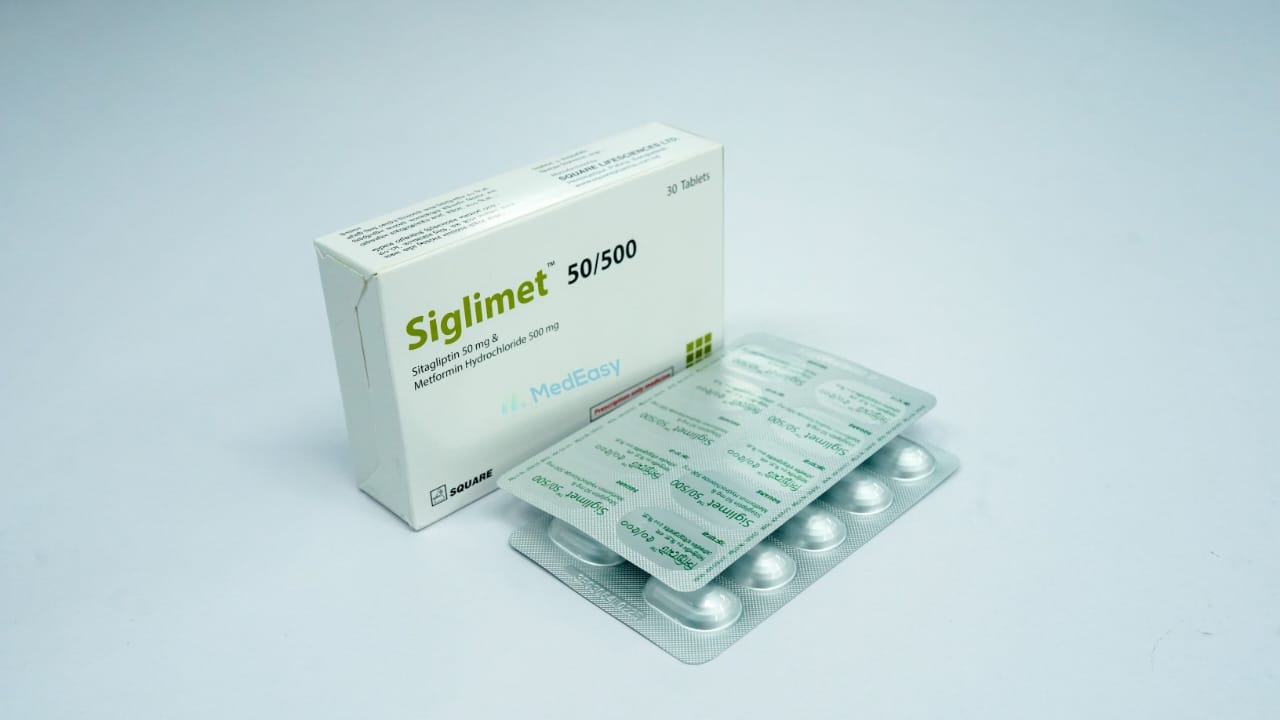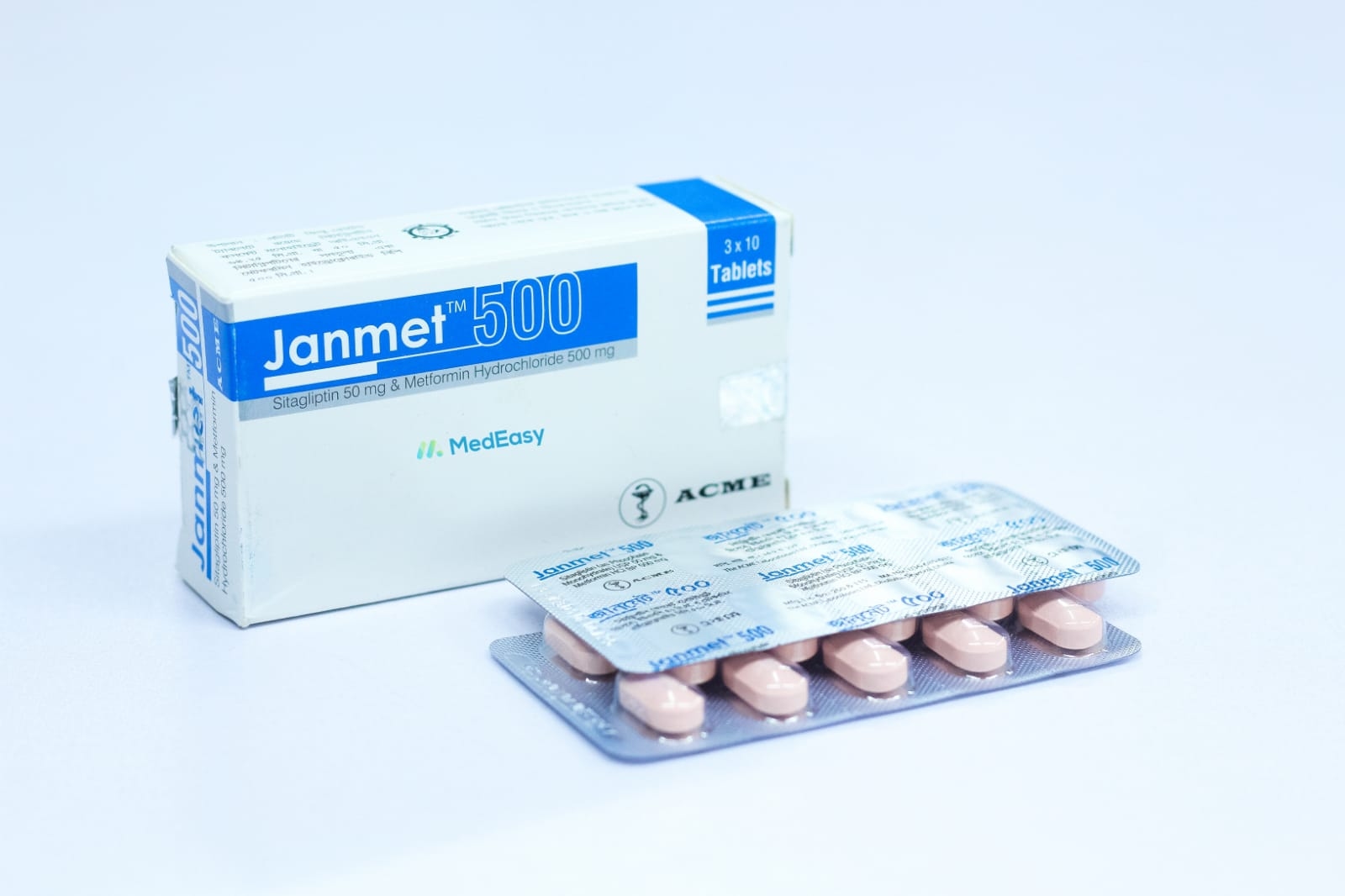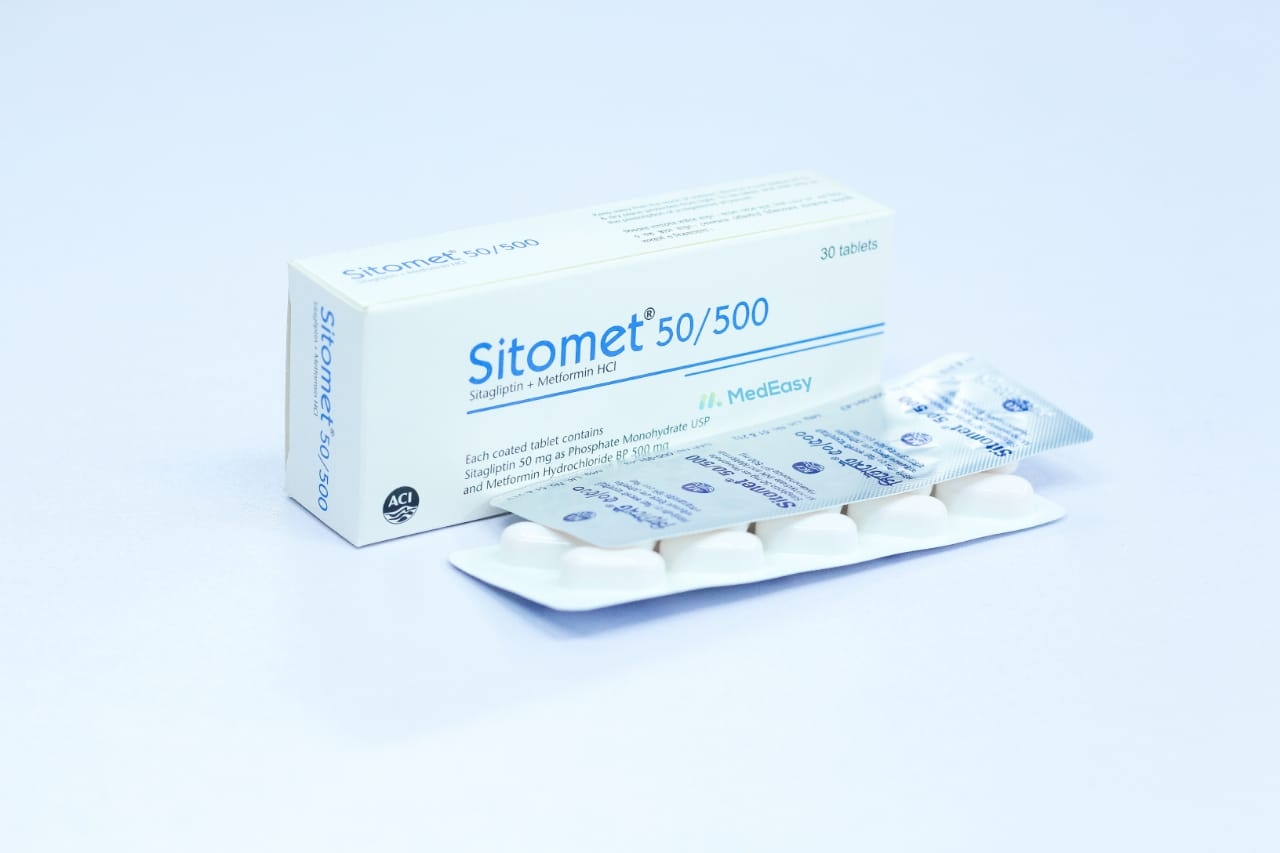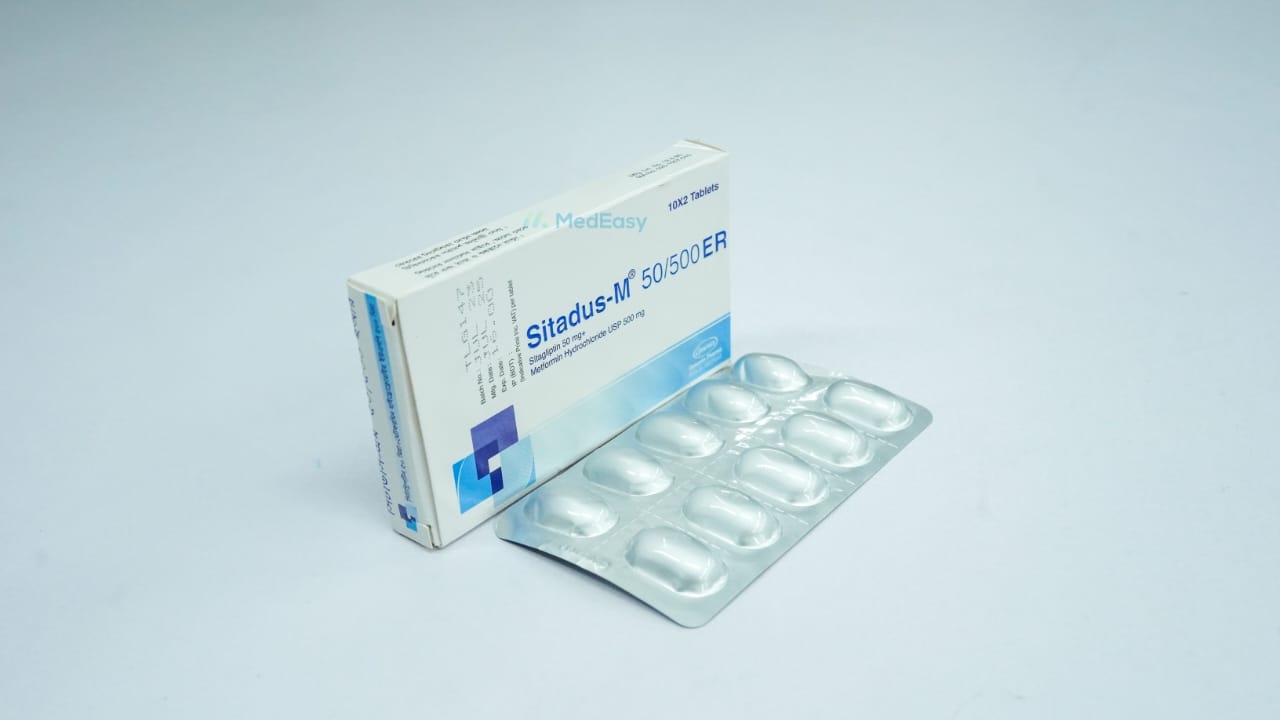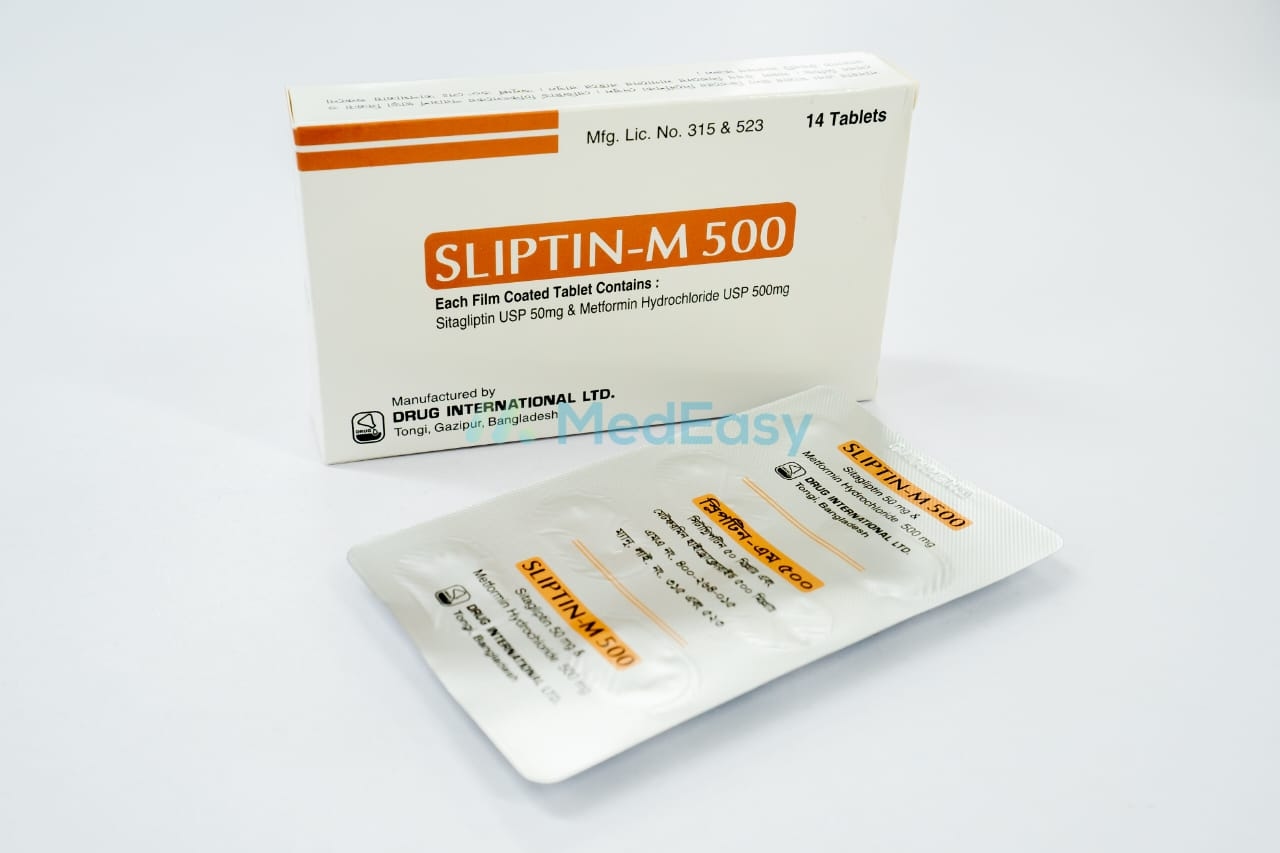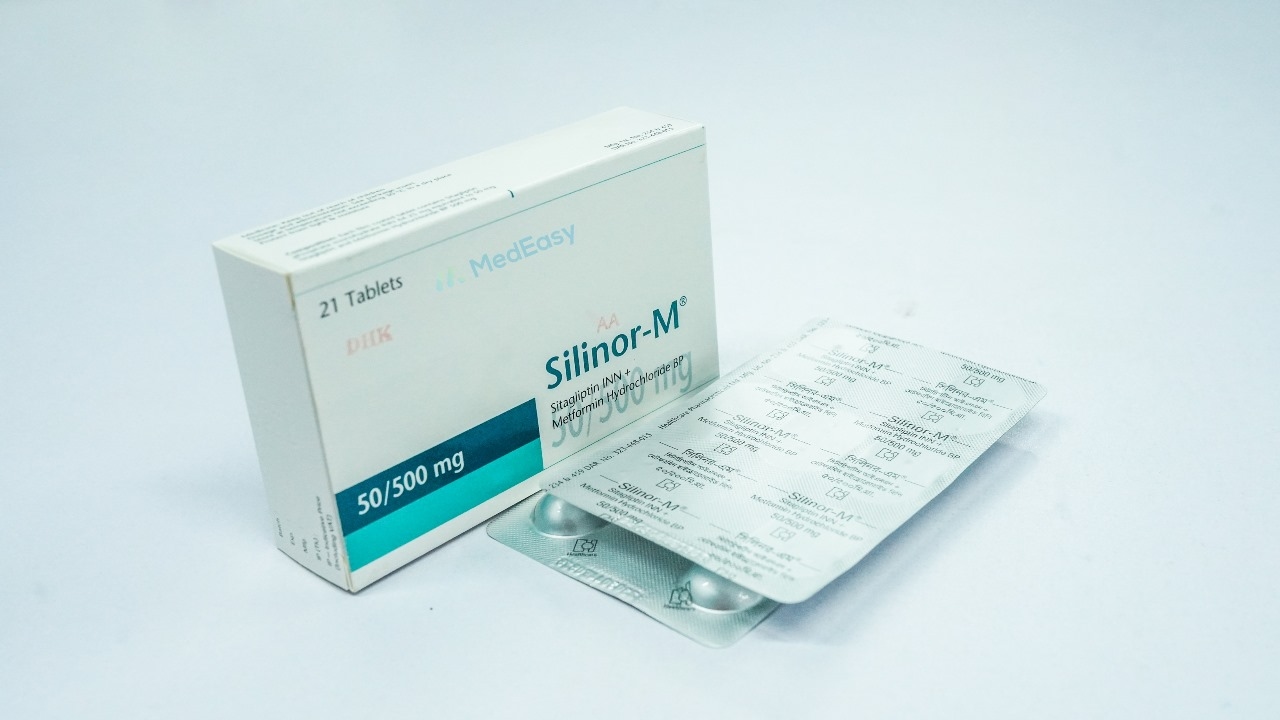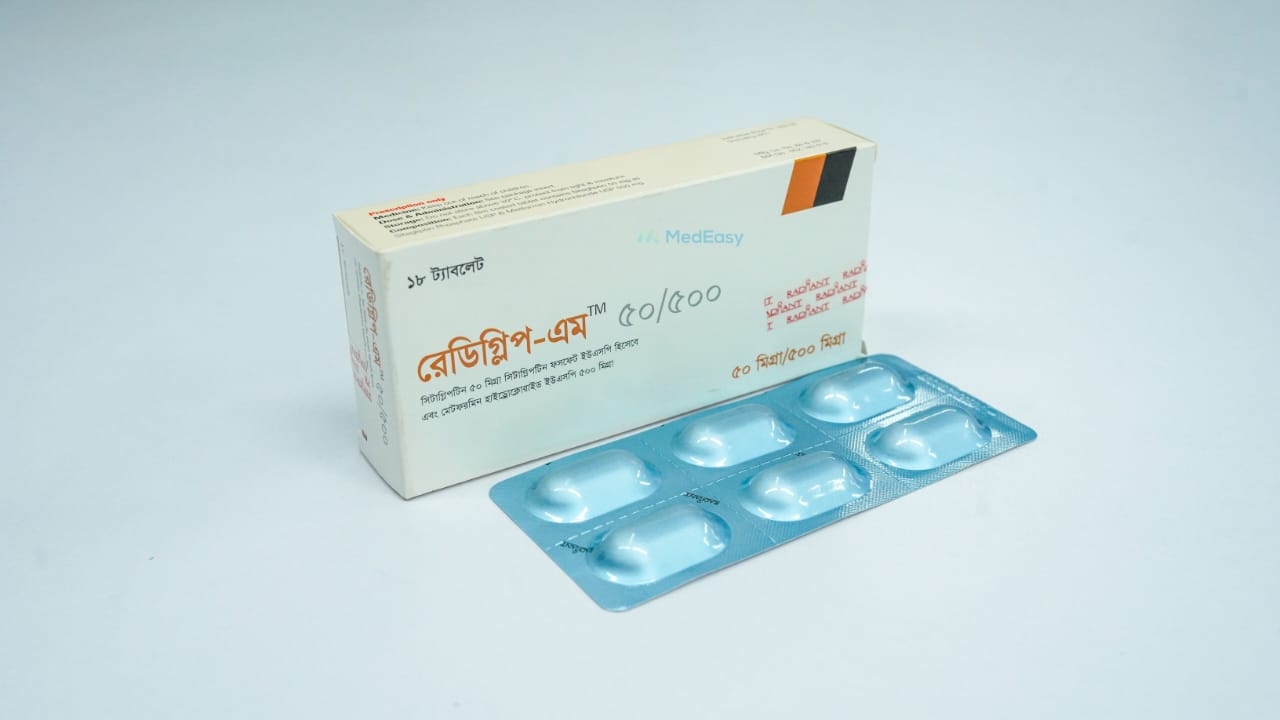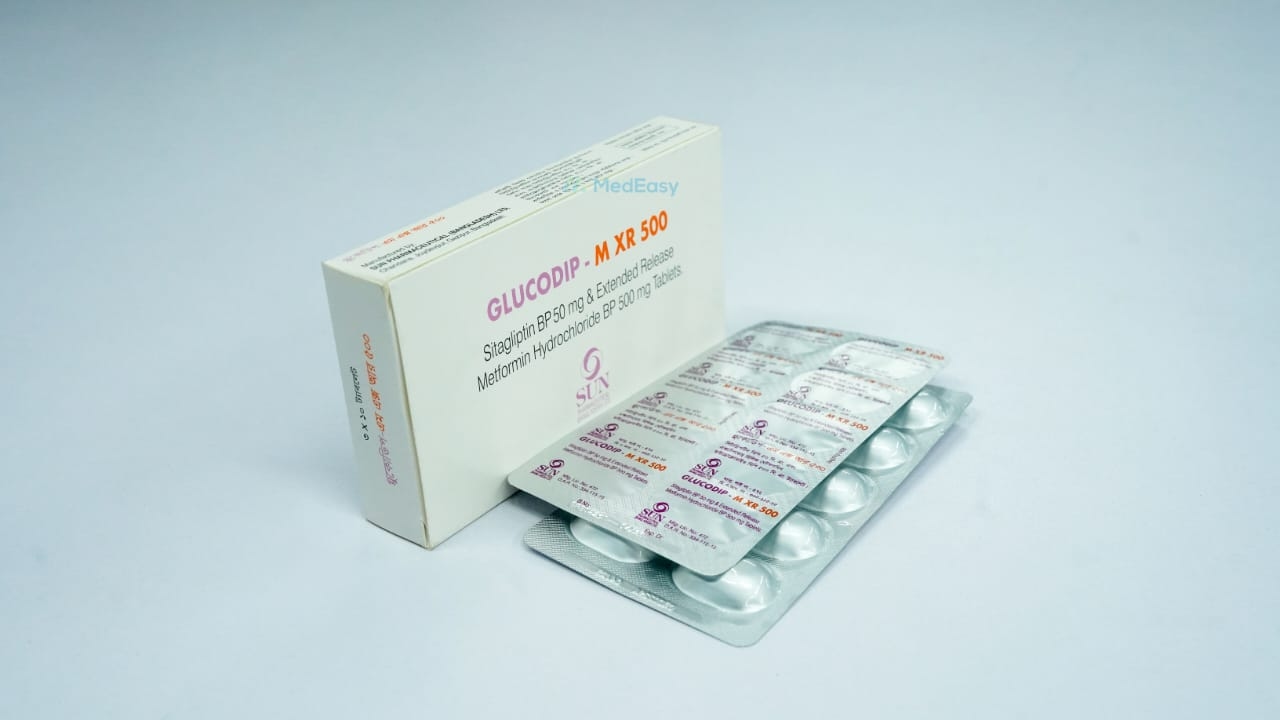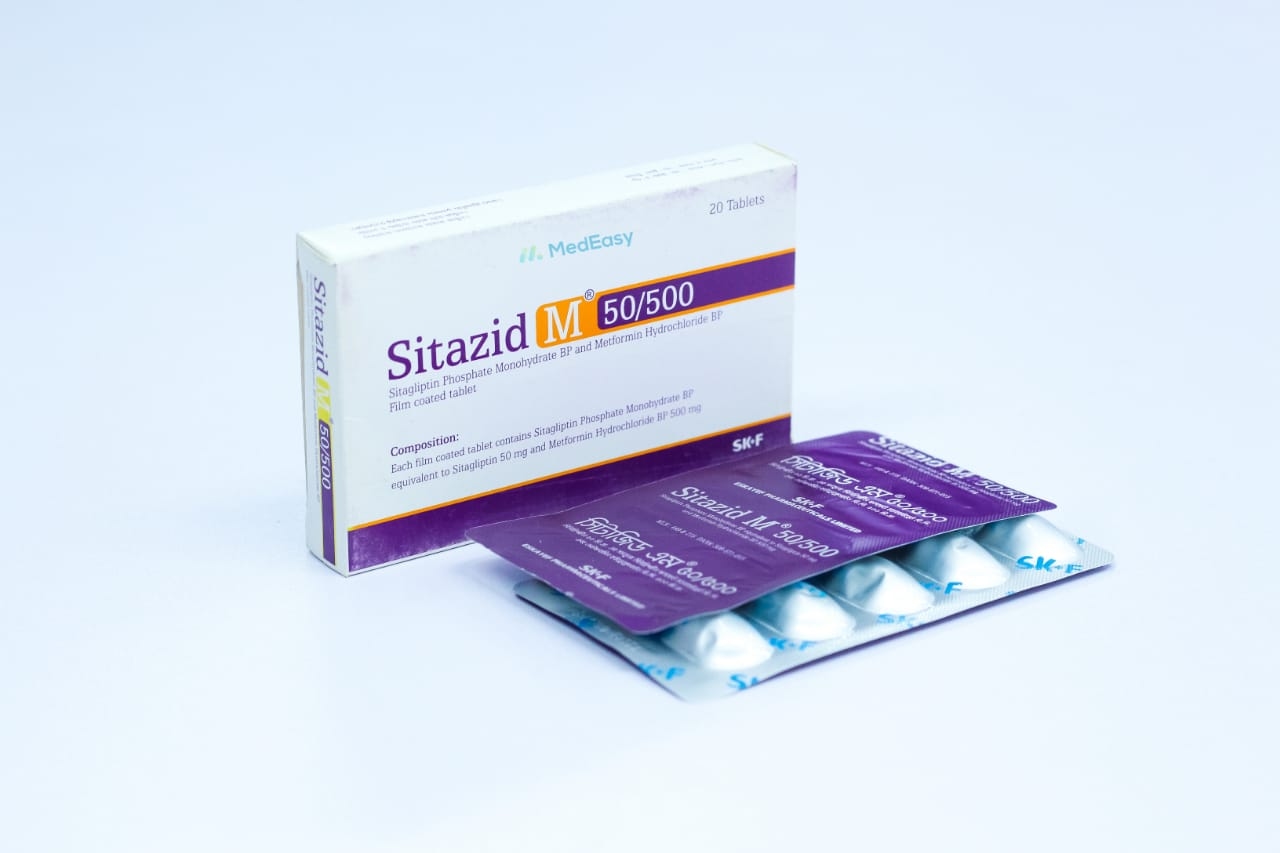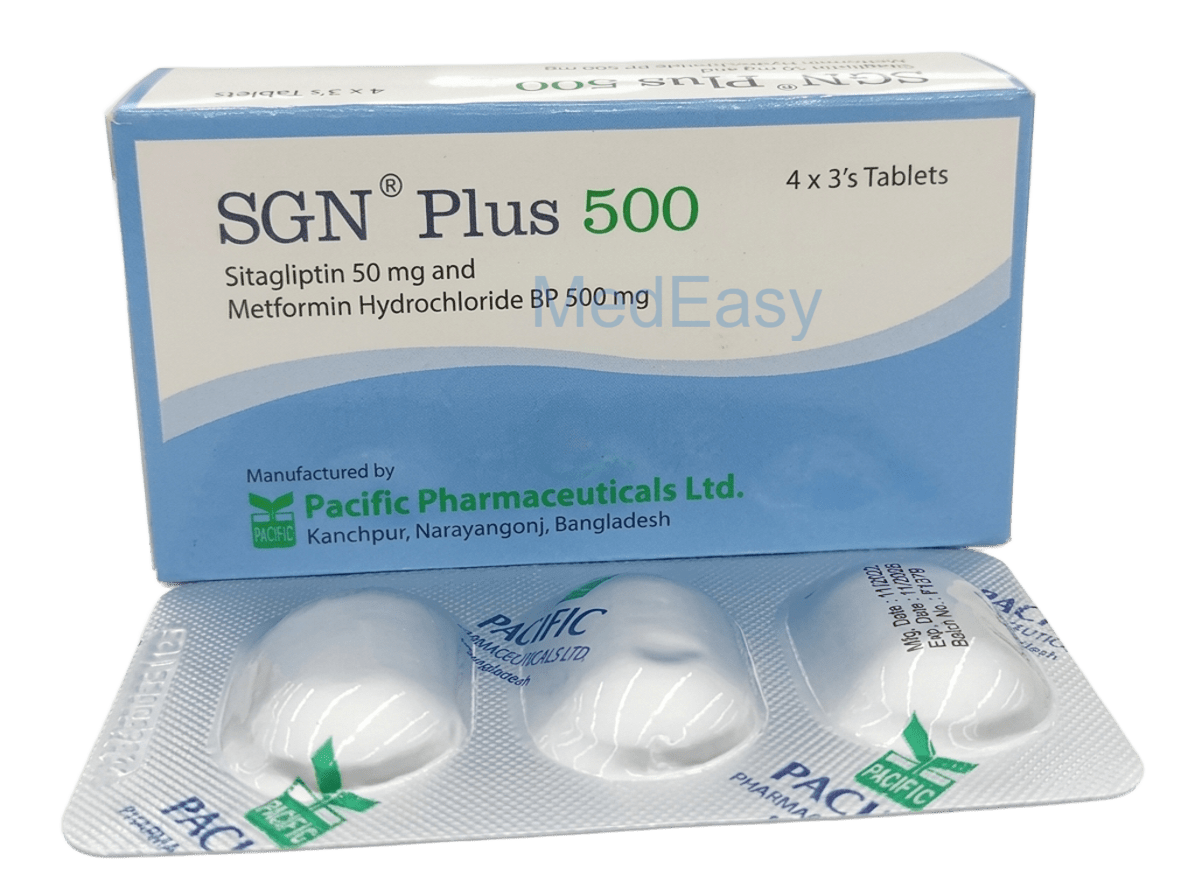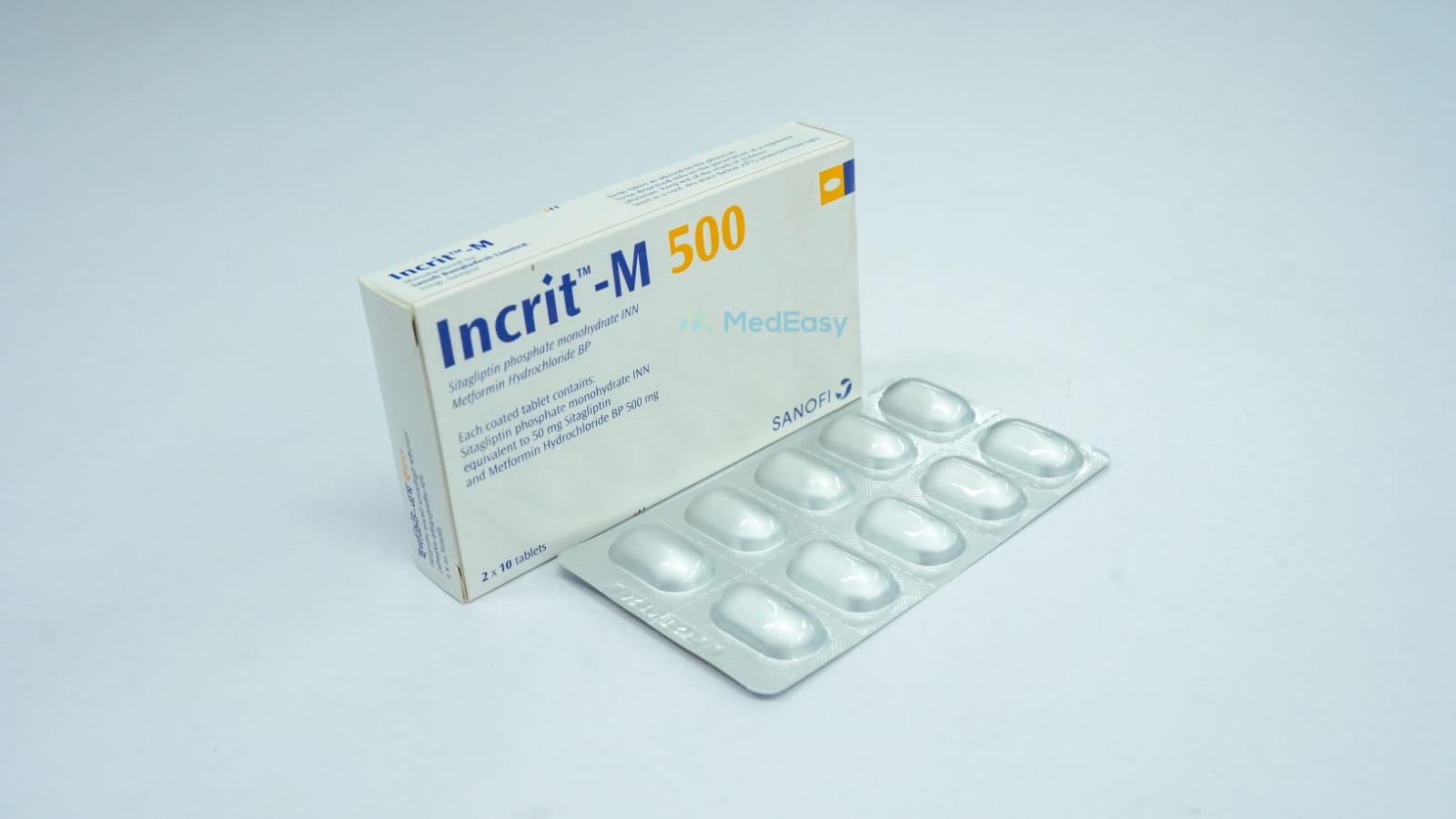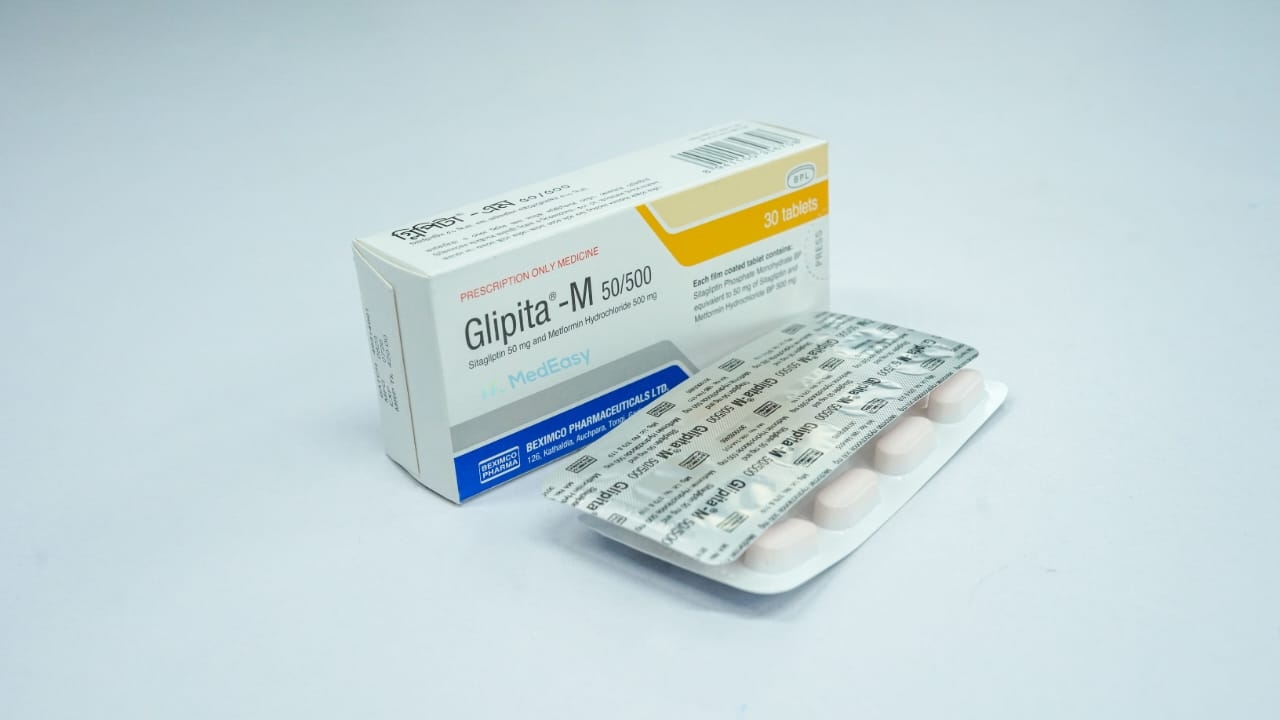
Product gallery
MRP 18.0010 % Off
Best PriceTk 16.20/piece
Out Of Stock
1
Section

Medicine overview

Indications of Sigtil M 50 mg+500 mg

Sigtil M 50 mg+500 mg is a fixed-dose oral antidiabetic combination indicated as an adjunct to diet and exercise to improve glycemic control in adults with type 2 diabetes mellitus, when treatment with both sitagliptin and metformin is considered appropriate.

This combination is particularly useful for patients whose blood glucose is inadequately controlled on metformin or sitagliptin alone, or for those already taking both medicines as separate tablets who would benefit from a single, convenient formulation.

Important Limitations of Use

  • It should not be used in patients with type 1 diabetes mellitus.
  • It is not suitable for the treatment of diabetic ketoacidosis, as it is not effective in this setting.
  • It has not been studied in patients with a history of pancreatitis. Whether such patients face an increased risk of developing pancreatitis during treatment is unknown.

* Always take this medicine according to the advice of a registered physician.

Theropeutic Class

Combination oral hypoglycemic (antidiabetic) preparations.

Pharmacology

This tablet combines two antihyperglycemic agents with complementary yet distinct mechanisms of action, delivering more effective glycemic control in type 2 diabetes than either drug alone. Sitagliptin is a dipeptidyl peptidase-4 (DPP-4) inhibitor, while Metformin Hydrochloride belongs to the biguanide class.

Sitagliptin (DPP-4 Inhibitor)

Sitagliptin works by slowing the inactivation of incretin hormones. Incretin hormones—including glucagon-like peptide-1 (GLP-1) and glucose-dependent insulinotropic polypeptide (GIP)—are released by the intestine throughout the day, with levels rising in response to meals. These hormones are normally broken down rapidly by the DPP-4 enzyme.

By inhibiting DPP-4, sitagliptin increases and prolongs the levels of active incretins. When blood glucose is normal or elevated, GLP-1 and GIP stimulate insulin synthesis and release from pancreatic beta cells through cyclic AMP–mediated pathways. GLP-1 also suppresses glucagon secretion from pancreatic alpha cells, reducing hepatic glucose production. Crucially, sitagliptin raises insulin and lowers glucagon in a glucose-dependent manner, which helps limit the risk of hypoglycemia.

Metformin Hydrochloride (Biguanide)

Metformin has a mechanism of action distinct from other oral antihyperglycemic drug classes. It lowers blood glucose through three main effects: it decreases hepatic glucose production, reduces intestinal absorption of glucose, and increases peripheral glucose uptake and utilization by improving insulin sensitivity.

Dosage & Administration of Sigtil M 50 mg+500 mg

The dosage should be individualized based on the patient's current treatment regimen, effectiveness, and tolerability, without exceeding the maximum recommended daily dose of 100 mg sitagliptin and 2000 mg metformin. Initiation or maintenance of combination therapy should be at the discretion of the treating physician.

Film-Coated (Immediate-Release) Tablet

Generally given twice daily with meals, using gradual dose escalation to minimize the gastrointestinal side effects of metformin. The starting dose depends on the patient's existing therapy:

  • Not currently on metformin: 50 mg sitagliptin / 500 mg metformin twice daily, escalated gradually.
  • Already on metformin: provide 50 mg sitagliptin twice daily (100 mg total daily) plus the metformin dose already being taken.
  • On metformin 850 mg twice daily: recommended starting dose is 50 mg sitagliptin / 1000 mg metformin twice daily.

The safety and efficacy of switching to this combination from other oral antidiabetic agents has not been specifically studied. Any change in type 2 diabetes therapy should be undertaken with care and appropriate monitoring, as glycemic control can shift.

Extended-Release (XR) Tablet

Administered once daily with a meal, preferably in the evening, with gradual dose escalation to reduce metformin-related GI effects. Dosing may be adjusted for effectiveness and tolerability, without exceeding 100 mg sitagliptin and 2000 mg metformin extended-release per day.

  • When switching between film-coated and extended-release tablets, maintain the same total daily doses of sitagliptin and metformin (not exceeding 2000 mg metformin XR daily).
  • Patients requiring two XR tablets (e.g., two 50/500 or two 50/1000 tablets) should take both together once daily.
  • The 100 mg sitagliptin / 1000 mg metformin XR tablet is taken as a single tablet once daily.

Patients on an Insulin Secretagogue or Insulin

When co-administered with an insulin secretagogue (e.g., a sulfonylurea) or with insulin, a lower dose of the secretagogue or insulin may be required to reduce the risk of hypoglycemia.

* Always take this medicine according to the advice of a registered physician.

Interaction of Sigtil M 50 mg+500 mg

Interacting Drug Effect & Recommendation
Cationic drugs (eliminated by renal tubular secretion) May compete with metformin for renal clearance. Use with caution.
Phenprocoumon Metformin may reduce its anticoagulant effect. Close INR monitoring is recommended.
Levothyroxine Can reduce the glucose-lowering effect of metformin. Monitor blood glucose, especially when thyroid therapy is started or stopped, and adjust the metformin dose if needed.

Contraindications

This tablet is contraindicated in patients with the following conditions:

  • Renal disease or renal dysfunction—for example, serum creatinine ≥1.5 mg/dL in males or ≥1.4 mg/dL in females, or abnormal creatinine clearance. Such impairment may also arise from cardiovascular collapse (shock), acute myocardial infarction, or septicemia.
  • Acute or chronic metabolic acidosis, including diabetic ketoacidosis, with or without coma.
  • A history of a serious hypersensitivity reaction to this combination or to sitagliptin, such as anaphylaxis or angioedema.

This tablet should also be temporarily discontinued in patients undergoing radiologic studies involving intravascular iodinated contrast materials, as these agents may cause an acute alteration of renal function.

Side Effects of Sigtil M 50 mg+500 mg

The most common adverse reactions (reported in ≥5% of patients and more often than with placebo) depend on the treatment combination:

  • Sitagliptin plus metformin (started together): diarrhea, upper respiratory tract infection, and headache.
  • Sitagliptin with a sulfonylurea and metformin: hypoglycemia and headache.
  • Sitagliptin with insulin and metformin: hypoglycemia.
  • Sitagliptin monotherapy: nasopharyngitis.

Adverse reactions attributable to the initiation of metformin (>5% of patients) most commonly include diarrhea, nausea and vomiting, flatulence, abdominal discomfort, indigestion, asthenia (weakness), and headache. These gastrointestinal effects are usually dose-related and often improve as treatment continues and the dose is escalated gradually.

Pregnancy & Lactation

Pregnancy

Pregnancy Category B. There are no adequate and well-controlled studies of this combination, or of its individual components, in pregnant women, so its safety during pregnancy is not established. This tablet should be used during pregnancy only if clearly needed and under close medical supervision.

Lactation

It is not known whether sitagliptin is excreted in human milk. Because many drugs pass into breast milk, caution should be exercised when this tablet is administered to a nursing mother, and the decision to continue should weigh the benefit to the mother against potential risk to the infant.

Precautions & Warnings

Lactic Acidosis

Lactic acidosis is a rare but serious complication that can result from metformin accumulation. The risk rises with sepsis, dehydration, excess alcohol intake, hepatic insufficiency, renal impairment, and acute congestive heart failure. Symptoms include malaise, muscle aches (myalgias), respiratory distress, increasing drowsiness, and non-specific abdominal discomfort. Laboratory findings may show low blood pH, an increased anion gap, and elevated blood lactate. If lactic acidosis is suspected, discontinue the tablet and hospitalize the patient immediately.

Renal Function

Assess renal function before starting treatment and at least annually thereafter, confirming that it is normal. Postmarketing reports of acute renal failure—sometimes requiring dialysis—have occurred.

Pancreatitis

Postmarketing reports of acute pancreatitis, including fatal and non-fatal hemorrhagic or necrotizing forms, have been described. If pancreatitis is suspected, promptly discontinue the tablet.

Vitamin B12 and Thyroid Monitoring

Long-term metformin use has been associated with reduced serum vitamin B12 levels, which may lead to peripheral neuropathy; periodic B12 monitoring is recommended. In patients with hypothyroidism, regular monitoring of thyroid-stimulating hormone (TSH) is advised.

Hypersensitivity Reactions

Serious allergic and hypersensitivity reactions—including anaphylaxis, angioedema, and exfoliative skin conditions such as Stevens–Johnson syndrome—have been reported with sitagliptin. If such a reaction occurs, stop the tablet promptly, evaluate for other causes, institute appropriate treatment, and start an alternative diabetes therapy.

Other Precautions

  • Do not use this tablet in patients with hepatic disease.
  • Measure hematologic parameters annually.
  • Warn patients against excessive alcohol intake.
  • During periods of stress—such as fever, trauma, infection, or surgery, or when fluid and food intake is reduced—it may be necessary to discontinue this tablet and temporarily use insulin.
  • Promptly evaluate any patient previously well-controlled who develops laboratory abnormalities or clinical illness for evidence of ketoacidosis or lactic acidosis.
  • When used with an insulin secretagogue or insulin, a lower dose of that agent may be needed to reduce the risk of hypoglycemia.
  • No clinical study has established conclusive evidence of macrovascular risk reduction with this combination or any other antidiabetic drug.

Overdose Effects of Sigtil M 50 mg+500 mg

Sitagliptin

In the event of an overdose, usual supportive measures are appropriate—for example, removing unabsorbed material from the gastrointestinal tract, applying clinical monitoring (including obtaining an electrocardiogram), and instituting supportive therapy based on the patient's clinical status. Sitagliptin is modestly dialyzable, and prolonged hemodialysis may be considered if clinically appropriate. It is not known whether sitagliptin is removed by peritoneal dialysis.

Metformin Hydrochloride

Overdoses of metformin, including ingestion of amounts greater than 50 grams, have been reported. Metformin is dialyzable, with a clearance of up to 170 mL/min under good hemodynamic conditions, so hemodialysis can be useful for removing accumulated drug when metformin overdose is suspected. Pancreatitis may occur in the context of a metformin overdose.

Storage Conditions

Store below 25°C in a dry place, protected from light. Keep the medicine in a safe place, out of the reach of children. Do not use after the expiry date. This medicine is to be dispensed only on the prescription of a registered physician.

Use In Special Populations

Use in Elderly: Because sitagliptin and metformin are substantially excreted by the kidney, and because aging can be associated with reduced renal function, Sitagliptin/ Metformin HCl combination should be used with caution as age increases. Care should be taken in dose selection and should be based on careful and regular monitoring of renal function.Pediatric use: Safety and effectiveness of Sitagliptin/ Metformin in pediatric patients under 18 years of age have not been established

Drug Classes

Combination Oral hypoglycemic preparations

Mode Of Action

This tablet combines two antihyperglycemic agents with complementary mechanisms of action to improve glycemic control in patients with type 2 diabetes. Sitagliptin, a dipeptidyl peptidase-4 (DPP-4) inhibitor, and Metformin HCl, a member of the biguanide class. Sitagliptin is a dipeptidyl peptidase-4 (DPP-4) inhibitor, which is believed to exert its actions in patients with type 2 diabetes by slowing the inactivation of incretin hormones. Incretin hormones, including glucagon-like peptide-1 (GLP-1) and glucose-dependent insulinotropic polypeptide (GIP), are released by the intestine throughout the day, and levels are increased in response to a meal. These hormones are rapidly inactivated by the enzyme, DPP-4. The incretins are part of an endogenous system involved in the physiologic regulation of glucose homeostasis. When blood glucose concentrations are normal or elevated then GLP-1 and GIP increase insulin synthesis and release from pancreatic beta cells by intracellular signaling pathways involving cyclic AMP. GLP-1 also lowers glucagon secretion from pancreatic alpha cells, leading to reduced hepatic glucose production. By increasing and prolonging active incretin levels, Sitagliptin increases insulin release and decreases glucagon levels in the circulation in a glucose-dependent manner. The pharmacologic mechanism of action of Metformin HCl is different from other classes of oral antihyperglycemic agents. Metformin HCl decreases hepatic glucose production, decreases intestinal absorption of glucose and increases peripheral glucose uptake and utilization.

Pregnancy

Pregnancy Category B. There are no adequate and well-controlled studies in pregnant women with Sitagliptin Phosphate Monohydrate INN/Metformin Hydrochloride BP or its individual components; therefore, the safety of Sitagliptin Phosphate Monohydrate INN/Metformin Hydrochloride BP in pregnant women is not known. This tablet should be used during pregnancy only if clearly needed.It is not known whether sitagliptin is excreted in human milk. Because many drugs are excreted in human milk, caution should be exercised when this tablet is administered to a nursing woman.

Frequently Asked Questions

What is Sigtil M 50 mg+500 mg used for?

Sigtil M 50 mg+500 mg is a fixed-dose oral antidiabetic combination indicated as an adjunct to diet and exercise to improve glycemic control in adults with type 2 diabetes mellitus, when treatment with both sitagliptin and metformin is considered appropriate. This combination is particularly useful for patients whose blood glucose is inadequately controlled on metformin or sitagliptin alone, or fo…

What is the dosage of Sigtil M 50 mg+500 mg?

The dosage should be individualized based on the patient's current treatment regimen, effectiveness, and tolerability, without exceeding the maximum recommended daily dose of 100 mg sitagliptin and 2000 mg metformin . Initiation or maintenance of combination therapy should be at the discretion of the treating physician. Film-Coated (Immediate-Release) Tablet Generally given twice daily with meals …

What are the side effects of Sigtil M 50 mg+500 mg?

The most common adverse reactions (reported in ≥5% of patients and more often than with placebo) depend on the treatment combination: Sitagliptin plus metformin (started together): diarrhea, upper respiratory tract infection, and headache. Sitagliptin with a sulfonylurea and metformin: hypoglycemia and headache. Sitagliptin with insulin and metformin: hypoglycemia. Sitagliptin monotherapy: nasopha…

Who should not take Sigtil M 50 mg+500 mg?

This tablet is contraindicated in patients with the following conditions: Renal disease or renal dysfunction —for example, serum creatinine ≥1.5 mg/dL in males or ≥1.4 mg/dL in females, or abnormal creatinine clearance. Such impairment may also arise from cardiovascular collapse (shock), acute myocardial infarction, or septicemia. Acute or chronic metabolic acidosis , including diabetic ketoacidos…

What precautions should be taken with Sigtil M 50 mg+500 mg?

Lactic Acidosis Lactic acidosis is a rare but serious complication that can result from metformin accumulation. The risk rises with sepsis, dehydration, excess alcohol intake, hepatic insufficiency, renal impairment, and acute congestive heart failure. Symptoms include malaise, muscle aches (myalgias), respiratory distress, increasing drowsiness, and non-specific abdominal discomfort. Laboratory f…

Is Sigtil M 50 mg+500 mg safe during pregnancy and breastfeeding?

Pregnancy Pregnancy Category B. There are no adequate and well-controlled studies of this combination, or of its individual components, in pregnant women, so its safety during pregnancy is not established. This tablet should be used during pregnancy only if clearly needed and under close medical supervision. Lactation It is not known whether sitagliptin is excreted in human milk. Because many drug…

Disclaimer

The information provided is accurate to our best practices, but it does not replace professional medical advice. We cannot guarantee its completeness or accuracy. The absence of specific information about a drug should not be seen as an endorsement. We are not responsible for any consequences resulting from this information, so consult a healthcare professional for any concerns or questions.