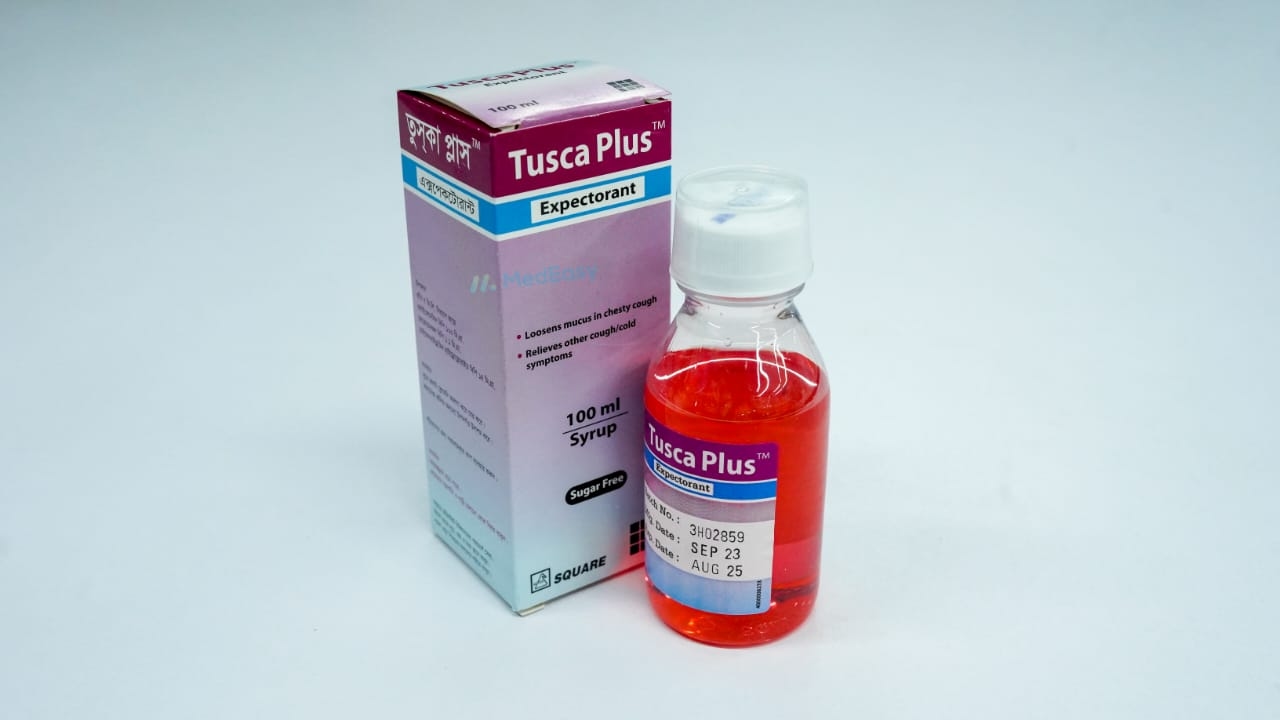
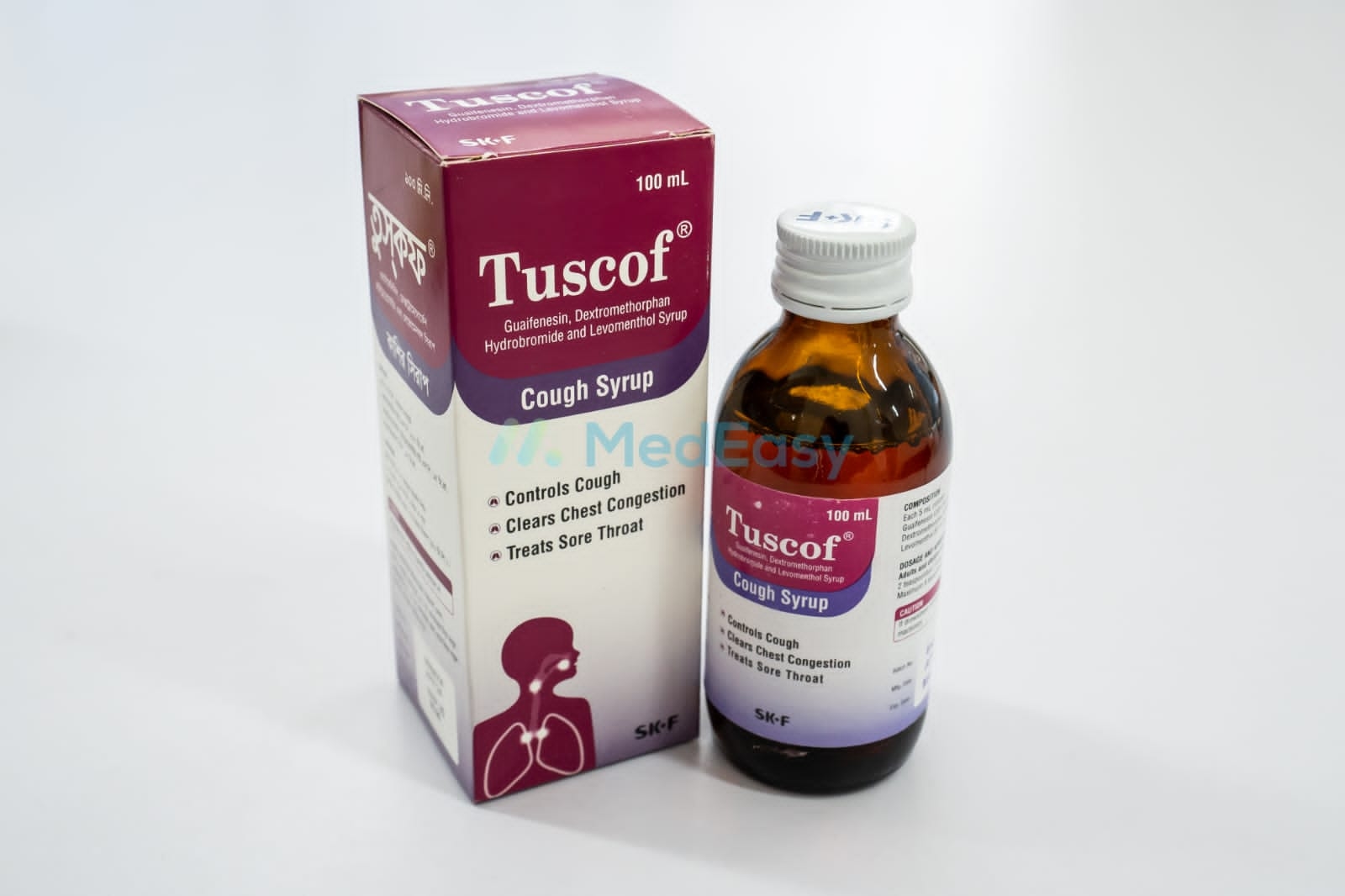
This syrup is indicated for the relief of cough, associated congestive symptoms and aiding restful sleep
Composition
Each 5 ml syrup contains-
Gualfonosln BP 100 mg
Levomenthol BP 1.1 mg
Diphenhydramine Hydrochlorldo BP 14 mg
Theropeutic Class
Combined cough expectorants
Pharmacology
This preparation is a mixture of expectorant, decongestant and antihistamine. Guaifenesin is an expectorant. It helps to loosen mucus in chest and throat caused by common cold, infections, or allergies. Levomenthol helps to breathe more easily by relieving congestion. Diphenhydramine is an antihistamine that reduces the effects of natural chemical histamine in the body. It is used to treat sneezing, runny nose, watery eyes, hives, skin rash, itching & other cold or allergy symptoms.
Dosage & Administration of Sinoline 100 ml
12 years and above: 10 ml 4 times a day.
Dosage of Sinoline 100 ml
For adults and children over 12 years: 2 teaspoonfuls syrup 4 times a day or as directed by the physicians. Do not take more than 8 teaspoonful syrup in 24 hours.Use in Children & Adolescents: The efficacy and safety of Guaifenesin have not been established in pediatric patients and adolescents.
Interaction of Sinoline 100 ml
This syrup contains Diphenhydramine Hydrochloride and therefore may potentiate the effects of alcohol, and other CNS depressants. As Diphenhydramine Hydrochloride possess some anticholinergic activity, the effects of anticholinergics (e.g. some psychotrophic drugs and atropine) may be potentiated by this product. This may result in tachycardia, mouth dryness, gastrointestinal disturbances (e.g. colic), urinary retention and headache.
Contraindications
This syrup is contraindicated in individuals with known hypersensitivity to the product or any of its components. This medicine should not be administered to patients who have received treatment with MAOIs within last two weeks.
Side Effects of Sinoline 100 ml
This syrup may cause drowsiness, dizziness, nausea and vomiting, gastro-intestinal disturbance, dry mouth, nose and throat difficulty in urination or blurred vision.
Pregnancy & Lactation
There are no specific data on use of this combination during pregnancy & lactation.
Precautions & Warnings
This syrup may cause drowsiness; if affected, individuals should not drive or operate machinery. Diphenhydramine Hydrochloride should not be taken by individuals with narrow-angle glaucoma or symptomatic prostatic hypertrophy. This product should not be used for persistent or chronic cough, such as occurs with asthma, or where cough is accompanied by excessive secretions unless directed by a physician.
Overdose Effects of Sinoline 100 ml
When taken in excess, Guaifenesin may cause renal calculi. Treatment of overdose should be symptomatic and supportive.
Storage Conditions
Store at a temperature not exceeding 30° C in a dry place. Protect from light & moisture. Keep out of the reach of children.
Drug Classes
Combined cough expectorants
Mode Of Action
Guaifenesin is reported to reduce the viscosity of tenacious sputum end is used as an expectorant. Levomenthol has mild local anesthetic and decongestant properties. Diphenhydramine Hydrochloride possesses antitussive, antihistaminic, and anticholinergic properties.
Pregnancy
As with any other medicine, care should be taken In administration during pregnancy. This product has not been associated with adverse effects in the human fetus or suckling infant.
Frequently Asked Questions
What is Sinoline 100 ml used for?
This syrup is indicated for the relief of cough, associated congestive symptoms and aiding restful sleep
What is the dosage of Sinoline 100 ml?
For adults and children over 12 years: 2 teaspoonfuls syrup 4 times a day or as directed by the physicians. Do not take more than 8 teaspoonful syrup in 24 hours.Use in Children & Adolescents: The efficacy and safety of Guaifenesin have not been established in pediatric patients and adolescents.
What are the side effects of Sinoline 100 ml?
This syrup may cause drowsiness, dizziness, nausea and vomiting, gastro-intestinal disturbance, dry mouth, nose and throat difficulty in urination or blurred vision.
Who should not take Sinoline 100 ml?
This syrup is contraindicated in individuals with known hypersensitivity to the product or any of its components. This medicine should not be administered to patients who have received treatment with MAOIs within last two weeks.
What precautions should be taken with Sinoline 100 ml?
This syrup may cause drowsiness; if affected, individuals should not drive or operate machinery. Diphenhydramine Hydrochloride should not be taken by individuals with narrow-angle glaucoma or symptomatic prostatic hypertrophy. This product should not be used for persistent or chronic cough, such as occurs with asthma, or where cough is accompanied by excessive secretions unless directed by a physi…
Is Sinoline 100 ml safe during pregnancy and breastfeeding?
There are no specific data on use of this combination during pregnancy & lactation.
Disclaimer
The information provided is accurate to our best practices, but it does not replace professional medical advice. We cannot guarantee its completeness or accuracy. The absence of specific information about a drug should not be seen as an endorsement. We are not responsible for any consequences resulting from this information, so consult a healthcare professional for any concerns or questions.