Generic medicine

Guaifenesin + Levomenthol + Diphenhydramine: Brands, Price & Uses in Bangladesh

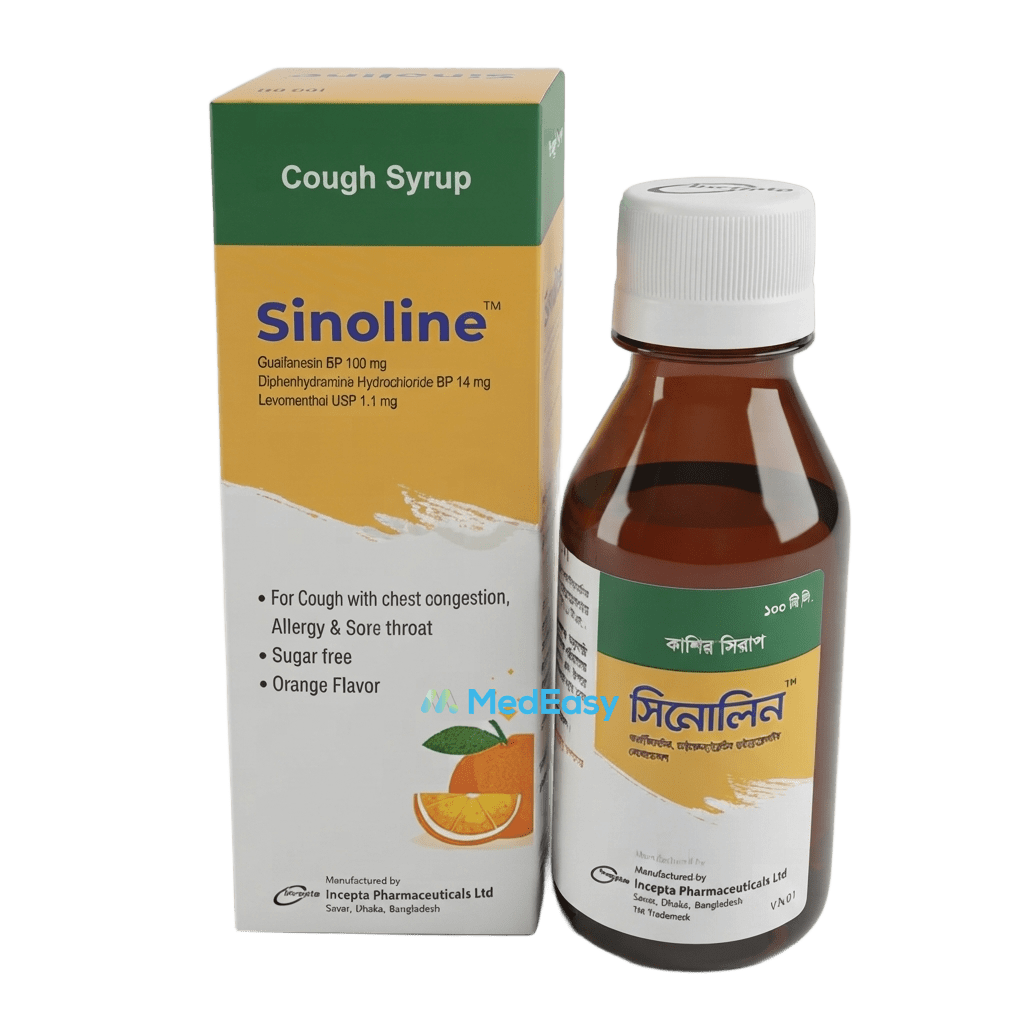
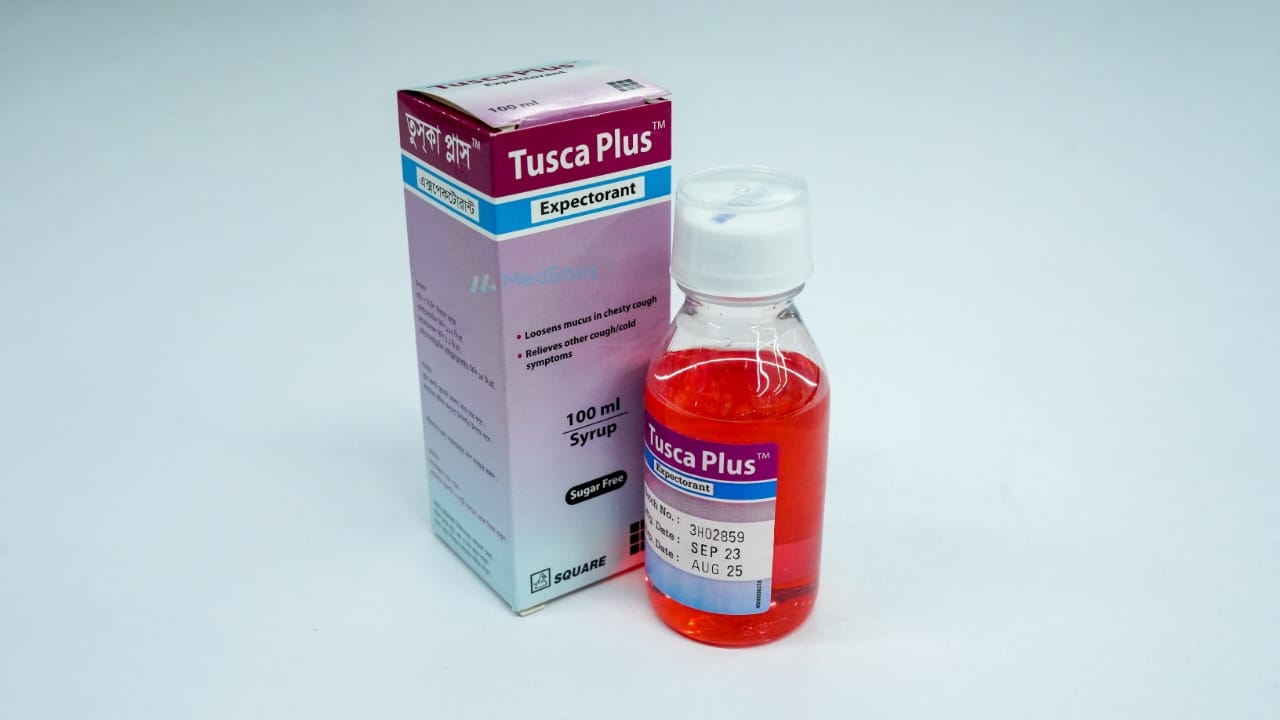
Guaifenesin + Levomenthol + Diphenhydramine is indicated for the temporary symptomatic relief of cough and associated cold symptoms, including chest congestion and throat irritation and more.

Forms:Syrup

About Guaifenesin + Levomenthol + Diphenhydramine

Indications of Guaifenesin + Levomenthol + Diphenhydramine

Guaifenesin + Levomenthol + Diphenhydramine is indicated for the temporary symptomatic relief of cough and associated cold symptoms, including chest congestion and throat irritation, typically due to the common cold or minor upper respiratory tract infections.

  • Established/OTC-labeled use: Symptomatic relief of cough associated with loosening of mucus and thinning of bronchial secretions (guaifenesin component), reduction of cough reflex and mild sedative benefit for cough disturbing sleep (diphenhydramine component), and soothing/cooling relief of throat irritation (levomenthol component).
  • Adjunct use: May be used as an adjunct to supportive care (fluids, rest, humidified air) for cold and flu symptom management; it does not treat the underlying viral infection.

Guaifenesin + Levomenthol + Diphenhydramine is not indicated for the treatment of chronic or persistent cough associated with smoking, asthma, chronic bronchitis, or emphysema, or when cough is accompanied by excessive secretions, without prior medical evaluation.

Dosage & Administration of Guaifenesin + Levomenthol + Diphenhydramine

Dosage of Guaifenesin + Levomenthol + Diphenhydramine should follow the specific product label, as strengths differ between brands and formulations (syrup, linctus, lozenge, or tablet). The following is general guidance based on the constituent components:

PopulationTypical Dosing Guidance
Adults and children ≥12 yearsOne measured dose (as per product label, commonly 5-10 mL of liquid or 1-2 tablets/lozenges) every 4-6 hours as needed, not exceeding the maximum daily dose stated on the label.
Children 6 to under 12 yearsA reduced, weight/age-appropriate dose (commonly half the adult dose, e.g., 2.5-5 mL) every 4-6 hours as needed, only under a physician's or pharmacist's guidance.
Children under 6 yearsNot recommended (see Contraindications and Pediatric Use).

Guaifenesin + Levomenthol + Diphenhydramine should be taken with a full glass of water if in tablet form, and the liquid form should be measured using the calibrated cup/spoon provided with the product, not a household spoon. It may be taken with or without food. Treatment should be limited to short-term symptomatic use (see Duration of Treatment).

Side Effects of Guaifenesin + Levomenthol + Diphenhydramine

Side effects of Guaifenesin + Levomenthol + Diphenhydramine are mostly attributable to its diphenhydramine (antihistamine) component:

  • Common: Drowsiness/sedation, dry mouth, dizziness, mild gastrointestinal upset (nausea, stomach discomfort).
  • Less common: Blurred vision, difficulty urinating, constipation, thickened bronchial secretions, mild throat/mouth cooling or tingling sensation from the levomenthol component (rarely local irritation).
  • Rare: Paradoxical excitation (especially in children), palpitations, skin rash/hypersensitivity reaction.

If any side effect is severe, persistent, or concerning, discontinue Guaifenesin + Levomenthol + Diphenhydramine and consult a physician.

Contraindications of Guaifenesin + Levomenthol + Diphenhydramine

Guaifenesin + Levomenthol + Diphenhydramine is contraindicated in the following situations:

  • Known hypersensitivity to guaifenesin, levomenthol, diphenhydramine, or any other component of the formulation.
  • Concurrent use with, or use within 14 days of discontinuing, a monoamine oxidase inhibitor (MAOI).
  • Narrow-angle glaucoma.
  • Symptomatic prostatic hypertrophy or urinary retention.
  • Newborn or premature infants (due to the diphenhydramine component).
  • Children below the minimum age specified on the product label for OTC cough/cold products (commonly under 4-6 years), per current age-based labeling recommendations for this class of product.

Frequently Asked Questions about Guaifenesin + Levomenthol + Diphenhydramine

What is Guaifenesin + Levomenthol + Diphenhydramine used for?

Guaifenesin + Levomenthol + Diphenhydramine is used for the short-term relief of cough and associated cold symptoms such as chest congestion and throat irritation. It combines an expectorant, a soothing cooling agent, and a sedating antihistamine/cough suppressant.

Will Guaifenesin + Levomenthol + Diphenhydramine make me sleepy?

Yes, Guaifenesin + Levomenthol + Diphenhydramine commonly causes drowsiness because of its diphenhydramine (antihistamine) component. Avoid driving or operating machinery until you know how it affects you, and avoid alcohol while taking it.

Can I give Guaifenesin + Levomenthol + Diphenhydramine to my young child?

No. Guaifenesin + Levomenthol + Diphenhydramine is not recommended for children under 6 years of age (and, on many product labels, under 4 years) due to the risk of serious side effects without established benefit in young children. Consult a pediatrician for appropriate alternatives.

Can I take Guaifenesin + Levomenthol + Diphenhydramine if I am pregnant or breastfeeding?

Guaifenesin + Levomenthol + Diphenhydramine should be used during pregnancy or breastfeeding only if clearly needed and after consulting a physician, since the potential benefits must be weighed against potential risks to the fetus or nursing infant.

Is it safe to take Guaifenesin + Levomenthol + Diphenhydramine with other cold or allergy medicines?

You should avoid combining Guaifenesin + Levomenthol + Diphenhydramine with other products containing antihistamines, sedatives, or alcohol, as this can lead to additive drowsiness and other side effects. Always check with a pharmacist or physician before combining medicines.

How long can I take Guaifenesin + Levomenthol + Diphenhydramine?

Guaifenesin + Levomenthol + Diphenhydramine should generally be used for no more than 7 days. If your cough or cold symptoms persist, worsen, or are accompanied by high fever or rash, stop use and see a physician.

Disclaimer

The information provided is accurate to the best of our knowledge, but it does not replace professional medical advice. We cannot guarantee its completeness or accuracy, and the absence of specific information about a drug should not be taken as an endorsement. We are not responsible for any consequences arising from this information, so please consult a healthcare professional for any concerns or questions.

DoctorBlogArticles