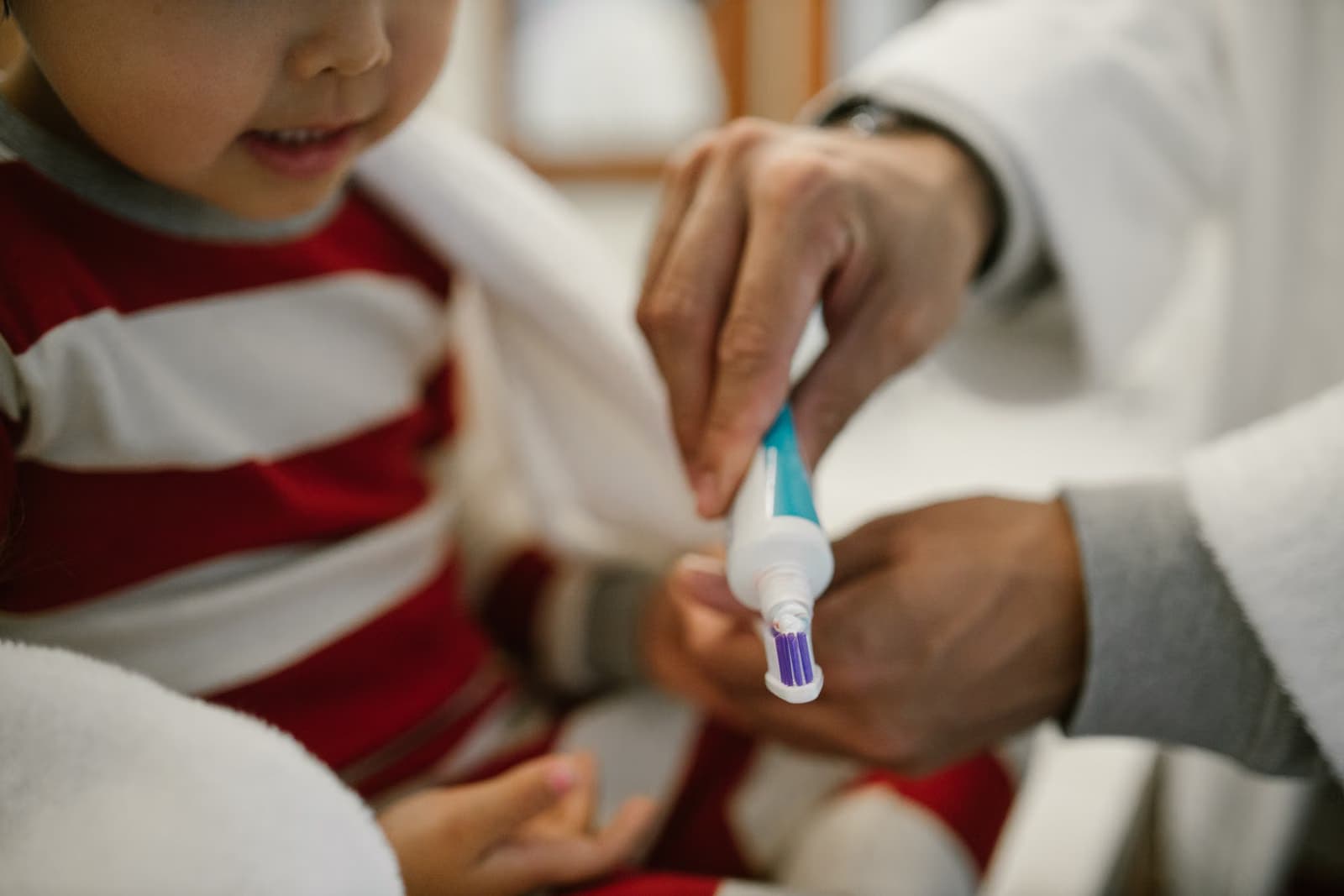
Quick answer: Wipe your baby's gums with a damp cloth before teeth appear; brush twice a day from the first tooth with fluoride toothpaste: a rice-grain smear of at least 1,000 ppm under 3, a pea-sized amount at 3 to 6, and 1,350 to 1,500 ppm from 7. Spit, do not rinse; help with brushing until about 7; no milk or juice bottle in bed; first dental visit by the first birthday.
When should I start cleaning my baby's gums and teeth?
Before the first tooth, the American Academy of Pediatrics (AAP) and American Dental Association (ADA) advise wiping the gums with a clean, damp cloth after feeds. The NHS says to start brushing as soon as the first tooth breaks through, usually around 6 months, twice a day, the last brush just before bed after the final feed. Use a small, soft baby brush (the toothbrush range on MedEasy has infant sizes) and replace it every 3 months.
Who does the brushing?
You do, until about 7, because younger children lack the hand control to clean every surface. The NHS advises parents to brush for young children, let 3- to 6-year-olds try under supervision, and still check that children of 7 and over brush for about 2 minutes. Letting a 3-year-old brush alone invites early decay.
How much fluoride toothpaste should a child use at each age?
Fluoride prevents decay; the amount on the brush keeps it safe:
| Age | Amount on the brush | Fluoride strength (NHS) | Who brushes |
|---|---|---|---|
| Before the first tooth | No toothpaste; wipe gums with a damp cloth | - | Parent |
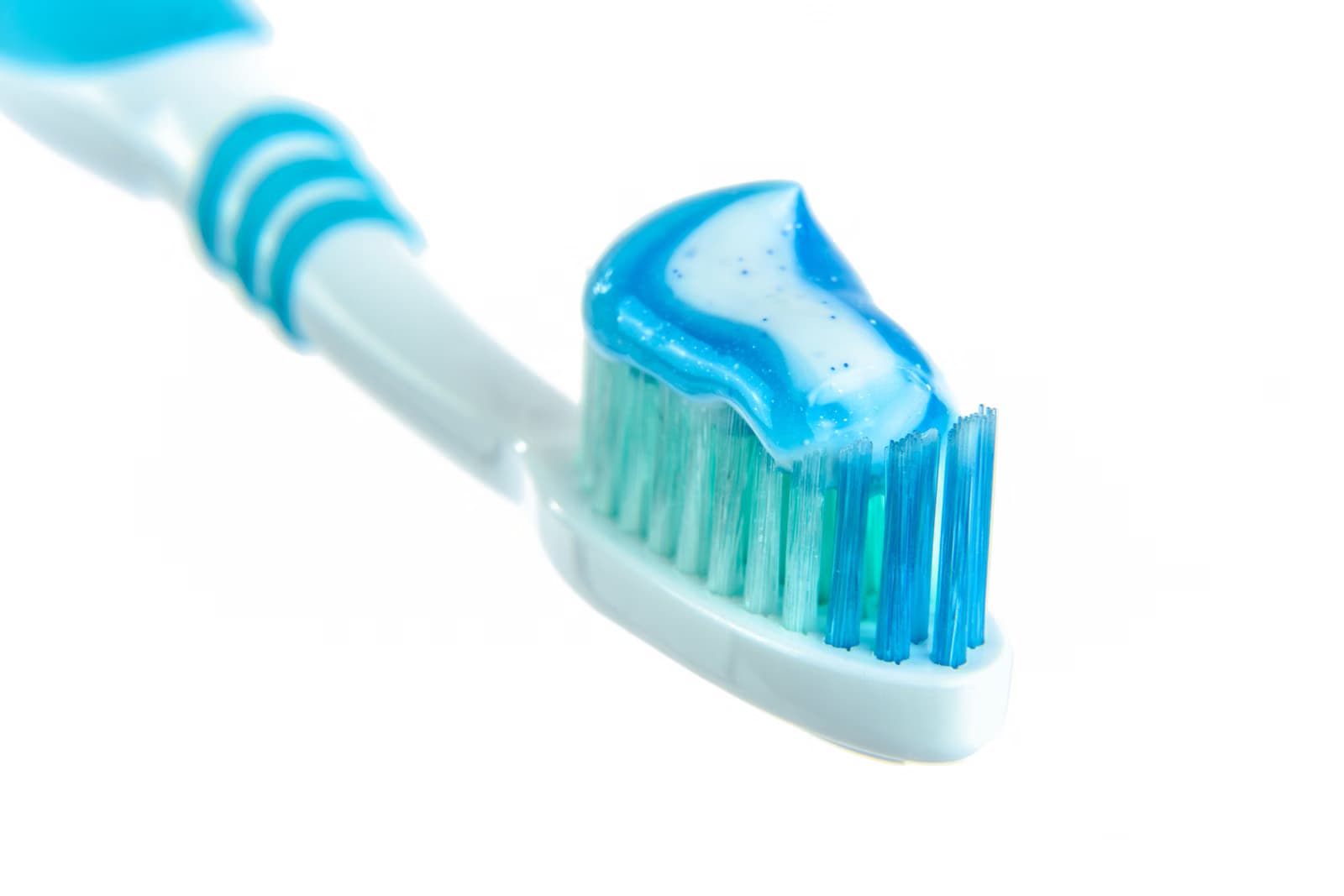
| First tooth to under 3 | A smear the size of a grain of rice | At least 1,000 ppm | Parent |
| 3 to 6 years | A pea-sized amount | 1,000 to 1,500 ppm | Child, parent supervising and finishing |
| 7 and over | A pea-sized amount | 1,350 to 1,500 ppm (family toothpaste) | Child, parent still checking |
Two habits make fluoride work: spit, do not rinse (rinsing washes fluoride away, says the NHS), and keep the tube out of a toddler's reach. The AAP notes that swallowing the small amount used in brushing is not harmful; regularly eating toothpaste can cause mild fluorosis, cosmetic white flecks on adult teeth.
What does the evidence say, and is a fluoride-free baby gel all right?
Good evidence: a Cochrane review found that toothpastes of 1,000 to 1,500 ppm fluoride reduce decay in children compared with non-fluoride paste (high to moderate certainty). The NHS, AAP and ADA all say fluoride paste should begin with the first tooth.
No good evidence: fluoride-free children's gels, neem sticks (datun), salt and charcoal powders clean mechanically but contain no fluoride, and nothing shows they prevent decay.
Some parents still choose a fluoride-free gel for the first months with a baby who swallows everything, or where fluoride is refused. That builds the habit, provided the family knows it is not decay prevention. Meril Baby Gel Toothpaste (strawberry, 45 g) is one such product on MedEasy: the pack says fluoride-free and sugar-free, ages 0 to 5, a grain-of-rice amount for infants, pea-sized from about 3, supervised brushing twice daily, encourage spitting, and move to a fluoride toothpaste, as a dentist recommends, once the child spits reliably; guidelines would switch sooner.
For a child on fluoride paste, ProdentalB Junior Toothpaste (orange, 40 g) is also sold on MedEasy. The pack says a pea-sized amount, 2 minutes twice daily, spit out the excess, adult supervision. The product page does not state the fluoride concentration, so check the tube for the ppm against the table above. Compare packs in the toothpaste selection.
What is bottle caries and how do I prevent early childhood decay?
Early childhood caries, or bottle caries, is milk-tooth decay, usually starting on the upper front teeth as chalky white lines that turn brown and become holes. The cause is sugar resting on the teeth for hours, especially overnight; the AAP warns that sleeping with a bottle lets the sugars in formula, and in breast milk, linger on the teeth. The risky habits are:
- a bottle of milk, formula, juice or sweet tea in bed or through the night, or repeatedly falling asleep at the breast without cleaning the teeth afterwards;
- juice in a bottle (the AAP recommends no juice under 12 months, and small, diluted amounts after);
- honey on a pacifier, and sweet snacks many times a day.
What protects: feed, brush, then sleep, with only water afterwards; move to a cup between 6 and 12 months (see starting solid foods at 6 months); keep sweets to mealtimes, because how often sugar touches the teeth matters more than how much.
Is my baby teething, or is something else wrong?
Teething is uncomfortable, not an illness. NHS-listed signs: a sore red gum, one flushed cheek, a temperature slightly raised but below 38°C, drooling, chewing, irritability and poor sleep. It does not cause a fever of 38°C or above, nor diarrhoea (no evidence, says the NHS). If your baby has these, look for an infection; our guide to baby fever and what parents should do explains what to check.
Safe teething relief
- A teething ring chilled in the fridge (never the freezer), or rubbing the gum with a clean finger.
- Sugar-free paracetamol from 2 months or ibuprofen from 3 months at the pack dose; no aspirin for children.
- Teething gels lack good evidence; if used, choose a pharmacy product made for babies, and avoid homeopathic drops, amber necklaces and sugary rusks.
When is the first dental visit, and what about thumb sucking, varnish and sealants?
The NHS, AAP and ADA agree: first dental visit when the first tooth appears or by the first birthday, then every 6 to 12 months. It is a check, advice on feeding and brushing, and a first meeting before anything hurts.
Thumb sucking
A natural reflex; the ADA says most children stop between 2 and 4. If it continues after the permanent front teeth arrive at about 6, it can push teeth forward. A dentist can help if it persists.
Fluoride varnish and fissure sealants
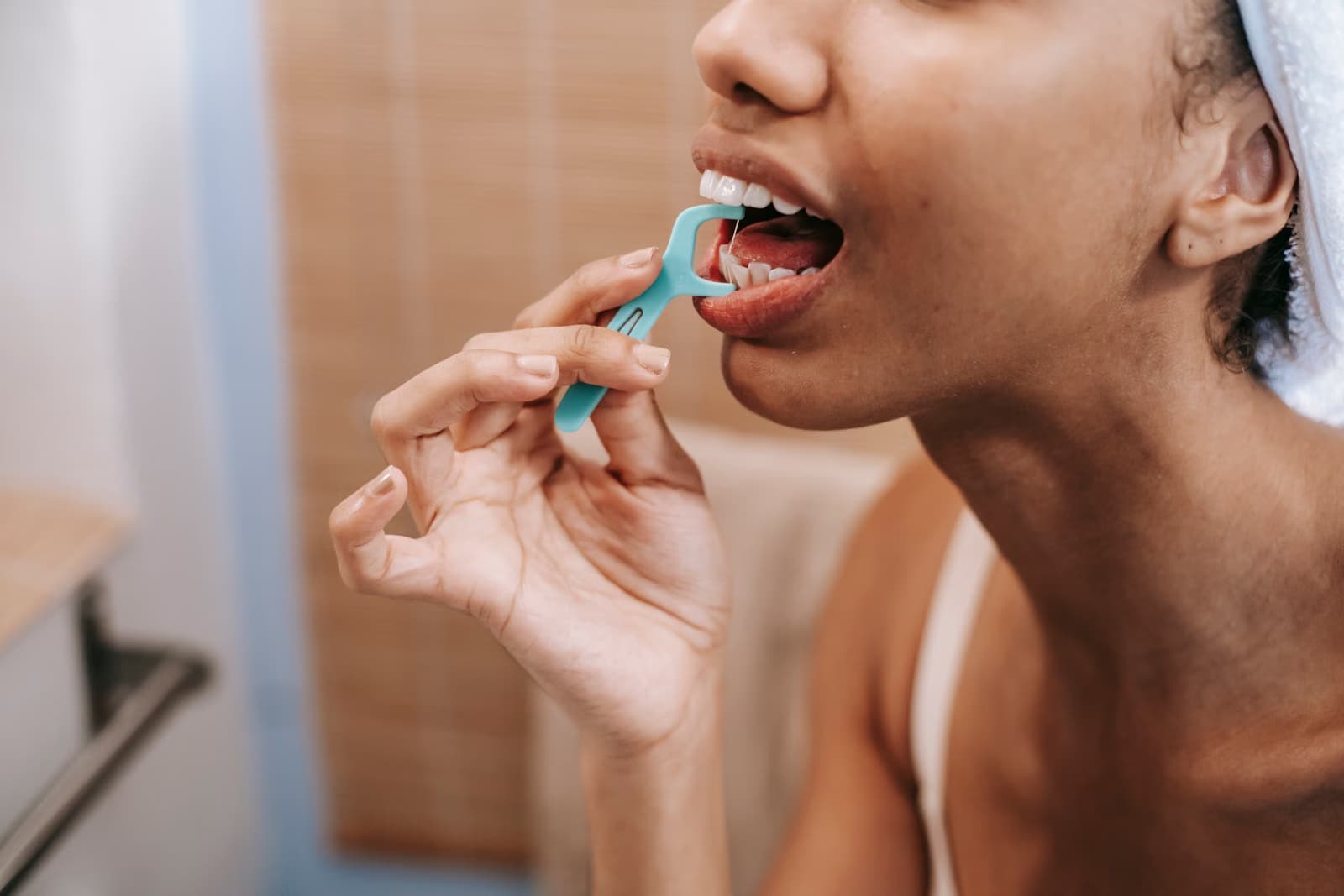
A dentist paints fluoride varnish on to harden enamel, at least twice a year from age 3 (NHS) or 2 to 4 times a year from the first tooth to age 5 (AAP). Fissure sealants are thin coatings bonded into the grooves of the permanent back molars; the ADA says they cut molar decay by close to 80 percent. Infant brushes and flossers are in the oral care section, other infant essentials under baby care.
When should I see a dentist or doctor?
See a dentist for: white, brown or black spots or a hole in a tooth; toothache, night waking or refusing to chew on one side; swollen or bleeding gums or a gum bump; no teeth by the first birthday.
Go to hospital or call 999 if toothache comes with swelling of the face or jaw, fever, difficulty swallowing or breathing, or after a blow to the mouth with bleeding that will not stop or a jaw that cannot close.
Only a dentist can examine and treat the teeth; meanwhile an online consultation with a doctor on MedEasy can help with paracetamol or ibuprofen dosing by weight, judging whether swelling or fever point to infection, and how urgently your child needs to be seen. Do not give leftover antibiotics for toothache; they do not fix the tooth.
A knocked-out or broken tooth
Never push a knocked-out milk tooth back; the NHS warns it can damage the adult tooth underneath. Press a clean cloth on the gum and see a dentist the same day. For a permanent tooth, the ADA says: hold it by the crown, not the root, rinse in milk if dirty, put it back in the socket and bite on a cloth. If you cannot, carry it in milk or the child's saliva, never water, and reach a dentist at once; the best chance is within about 30 to 60 minutes.
Common beliefs and questions in Bangladesh
“Milk teeth don't matter because they fall out.” They serve chewing and speech for up to 12 years and hold the space for adult teeth; the ADA calls them nature's braces.
“Fluoride is poison for children.” At the right amount, fluoride toothpaste is the best-proven protection a child's teeth can have. The only realistic harm is mild cosmetic fluorosis from regularly eating toothpaste.
“Teething causes fever and diarrhoea.” It does not. A slight rise below 38°C is possible; a true fever or loose stools mean an infection that needs attention.
“Juice in a bottle is healthy.” Juice is mostly sugar and acid, and a bottle bathes the front teeth in it. The AAP advises no juice before 12 months and only small, diluted amounts in a cup afterwards.
“Honey and sugar-free sweets are safe for teeth.” Honey is sugar to mouth bacteria, and is unsafe under 1 year because of infant botulism. Sugar-free sweets are gentler, but sticky or sour ones still erode enamel.
References
- Taking care of children's teeth - NHS
- Baby teething symptoms - NHS
- FAQ: Fluoride and Children - American Academy of Pediatrics (HealthyChildren.org)
- How to Prevent Tooth Decay in Your Baby - American Academy of Pediatrics (HealthyChildren.org)
- Dental Emergencies - American Dental Association (MouthHealthy)
- Fluoride toothpastes of different concentrations for preventing dental caries - Cochrane Database of Systematic Reviews
This article is for general awareness and is not a substitute for advice from a doctor or dentist. The products mentioned do not replace a dental examination; check the pack for directions and the fluoride content, and consult a dentist or doctor about your child's teeth.