
Quick answer: In most people bad breath (halitosis) is made in the mouth, not the stomach: a coating on the tongue, gum disease, food trapped between teeth, decay or dry mouth. Daily tongue cleaning, interdental cleaning and gumline brushing fix most cases within two weeks; mouthwash and mints help only briefly. Breath still bad after two weeks needs a dentist; fruity or ammonia-like breath needs a doctor.
Where does bad breath actually come from?
A 2012 review in the International Journal of Oral Science (Bollen and Beikler) attributed about 85 per cent of cases to the mouth, roughly 10 per cent to the nose and throat, and about 5 per cent to the gut or metabolic disease.
- Tongue coating: the rough back third of the tongue is the commonest source.
- Gum disease: bleeding gums and deep pockets smell; the American Dental Association (ADA) says persistent bad breath or a constant bad taste can warn of advanced gum disease.
- Food trapped between teeth, in a cavity or around a partly erupted wisdom tooth.
- Dry mouth: saliva rinses the mouth constantly; less saliva, more odour.
- Dentures not cleaned daily.
Morning breath is universal because saliva flow drops during sleep; breath that smells all day is a different problem.
What else can cause bad breath?
Tobacco, paan, zarda and gutka
Tobacco adds a stale smell, dries the mouth and promotes gum disease; the ADA notes that smokers often cannot smell their own breath. In Bangladesh the larger issue is betel quid (paan with supari, zarda or gutka): it stains teeth, inflames gums, and the World Health Organization (WHO) lists tobacco, alcohol and areca nut (betel quid) among the leading causes of oral cancer.
Food, fasting, medicines and dry mouth
Onion, garlic and coffee are breathed out from the lungs for hours. Fasting, crash dieting and strict low-carbohydrate diets release ketones with an acetone-like smell; the NHS lists fasting among the causes. The US National Institute of Dental and Craniofacial Research (NIDCR) says hundreds of medicines reduce saliva and names bad breath as a symptom of dry mouth; the ADA adds mouth-breathing as a cause.
Nose, throat and medical causes
- Sinus infection, post-nasal drip and tonsil stones are the commonest non-mouth causes.
- Acid reflux (GERD) sours the breath, usually with heartburn; see our guide to acidity, GERD and acid-reducing medicines.
- Uncontrolled diabetes: MedlinePlus warns that fruity breath can signal diabetic ketoacidosis, a potentially life-threatening condition. Read who should get tested for diabetes.
- Kidney or liver failure: an ammonia-like or fishy smell can accompany kidney failure.
How can I check whether my breath smells?
Your nose adapts to your own smell, so self-judgement is unreliable.
- Ask a trusted family member or friend to be honest; the best home test.
- Smell a piece of floss passed between your back teeth, or a clean spoon scraped over the back of the tongue; a yellow-white coating is a strong clue.
What actually works? What the evidence says
The advice is consistent: remove the source, do not perfume it.
| Measure | Evidence | What it does |
|---|---|---|
| Tongue cleaning once a day | Good; NHS | Removes the main odour reservoir |
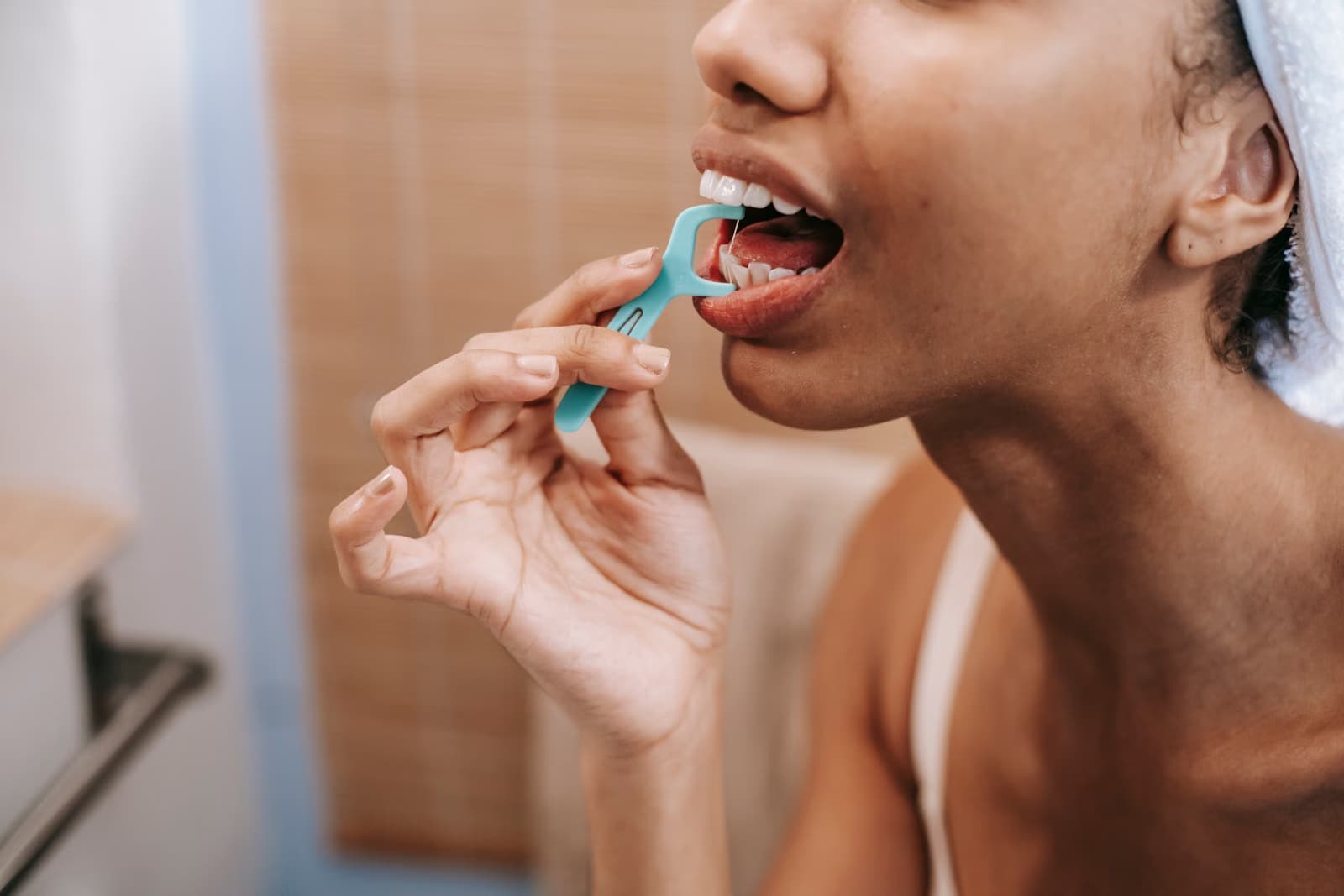
| Cleaning between teeth daily (floss, floss picks, interdental brushes) | Good; NHS, ADA | Removes trapped food and plaque |
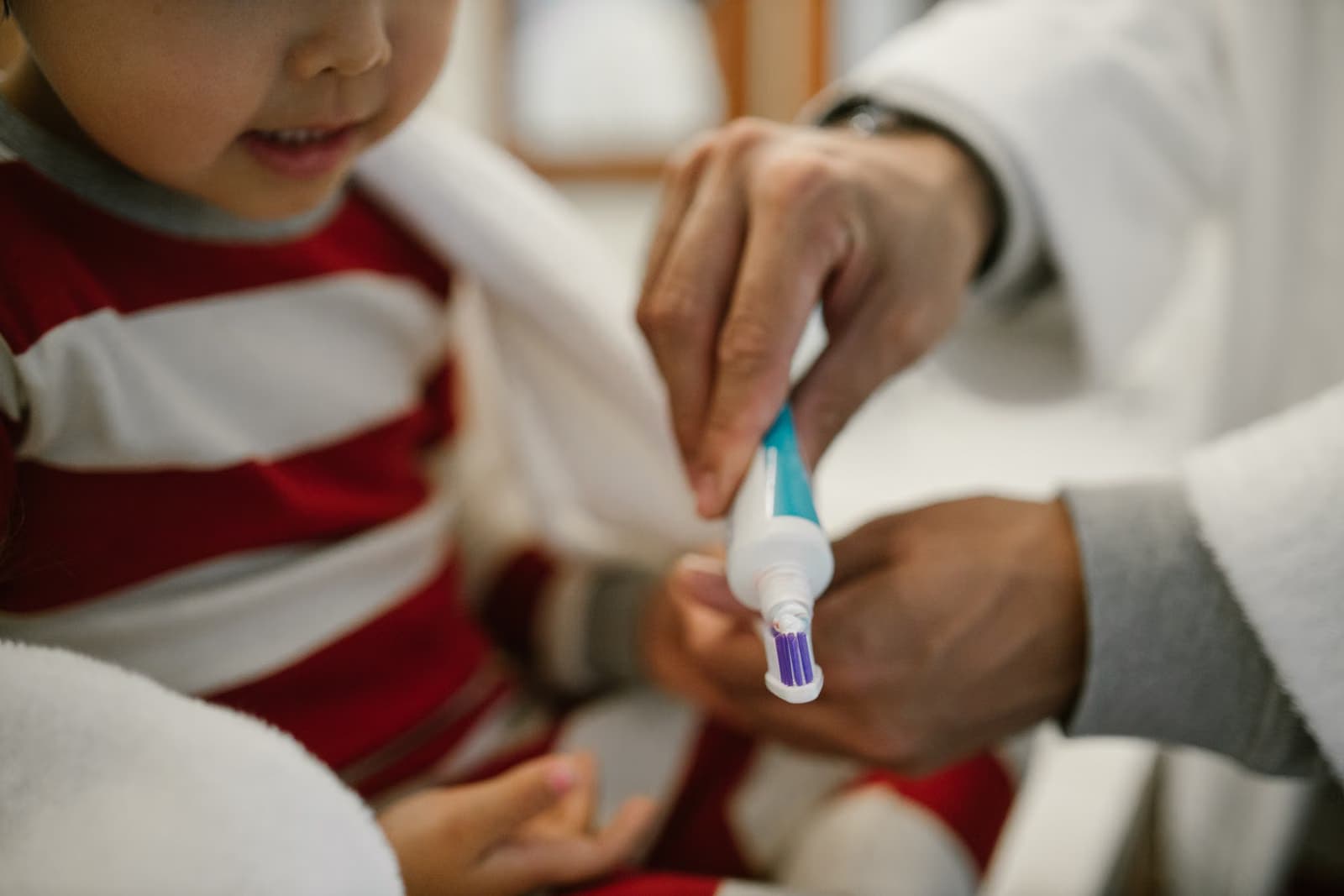
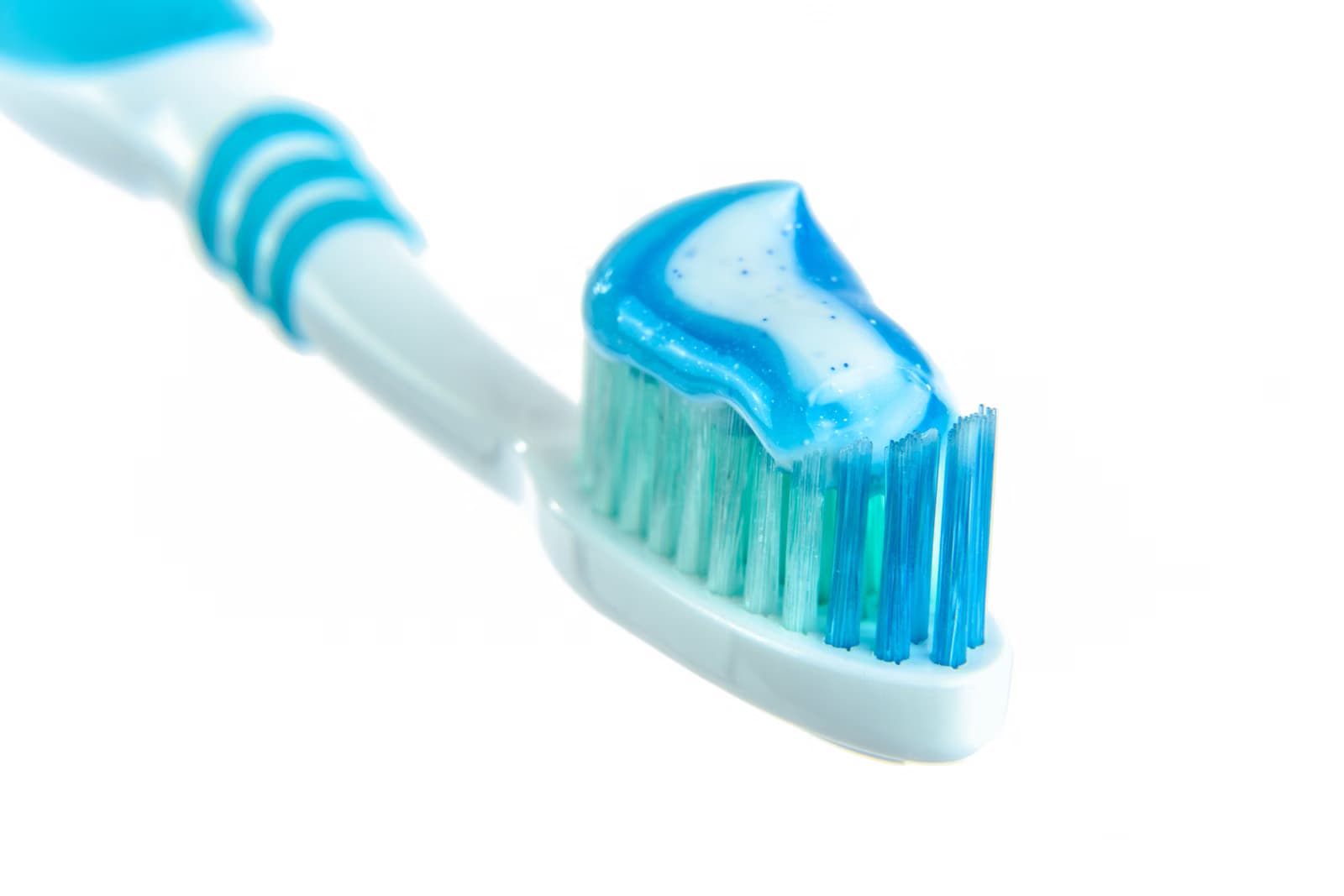
| Brushing 2 minutes twice daily along the gumline, fluoride toothpaste | Good; NHS, ADA | Controls plaque and gingivitis |
| Dental treatment of gum disease (scaling) | Good | Removes tartar and infected pockets |
| Water, sugar-free gum, crunchy fruit and vegetables | Reasonable for dry mouth; NIDCR, ADA | Stimulates saliva |
| Antiseptic mouthwash | Modest, as an add-on; ADA | Fewer bacteria for hours; cause remains |
| Mints, sprays, cardamom, clove | Masking only; ADA | Covers the smell for minutes |
Tongue: a plastic scraper or your toothbrush, from the back forwards, three or four gentle strokes once a day.
Between the teeth: floss picks such as the Getwell dental floss picks combine a nylon floss string with a bendable pick; the pack says to guide the floss gently between the teeth with a back-and-forth motion, following the curve of each tooth, once daily. Use the pick end gently; the NHS advises against wooden toothpicks. More in the oral care section.
Saliva: the NIDCR suggests sipping water, sugar-free gum, less caffeine, no tobacco or alcohol; if a new medicine dried your mouth, ask the prescriber.
Does mouthwash cure bad breath? How to use Orostar safely
No. The ADA calls over-the-counter rinses a temporary solution and MedlinePlus says they are not effective in treating the underlying problem. The ADA separates cosmetic rinses, which only mask odour, from therapeutic rinses with antimicrobials such as essential oils, cetylpyridinium chloride or zinc, which reduce plaque and gingivitis as an add-on to daily brushing and flossing and may help longer-term odour control, but never replace cleaning.
What the Orostar packs say
Orostar Cool Mint 120 ml contains menthol, thymol, eucalyptol and methyl salicylate; the pack says rinse with 20 ml for 30 seconds twice daily, morning and evening, then rinse with water; do not swallow; no rinsing, eating or smoking for 30 minutes; not indicated below 12 years. Orostar Plus 120 ml has the same four oils plus sodium fluoride; the pack says rinse full strength with 10 ml for one minute, morning and night, do not swallow, and do not eat or drink for 30 minutes. Its 250 ml listing says alcohol-free and 12 and over, while the 120 ml page says 6 and over, supervised under 12: check the printed label and ask a dentist for a child. Other options are under mouthwash.
Timing and who should be careful
- The NHS says not to use mouthwash, even a fluoride one, straight after brushing, because it washes away toothpaste fluoride; use it after lunch instead.
- The ADA says children under 6 should not use mouthwash unless a dentist directs it.
- Dry mouth or ulcers: choose an alcohol-free rinse; a systematic review cited by the ADA found no link between mouthwash and oral cancer, but alcohol dries and stings.
- Pregnancy or chronic disease: the packs carry no specific warning, but ask your dentist or doctor first; never rinse for weeks to hide bleeding gums or pain.
Sugar-free mints and sprays from the breath fresheners range are fine after onions, knowing they cover the smell for minutes.
When should I see a dentist or doctor?
The NHS advises seeing a dentist if bad breath does not go away after a few weeks of self-care.
See a dentist if
- breath is still bad after two weeks of good daily care;
- gums bleed, swell or hurt, or teeth feel loose or look longer;
- there is toothache, a broken filling or a hole;
- you use paan, zarda, gutka or tobacco: ask for an oral cancer check at every visit.
See a doctor if
- the dentist finds a healthy mouth but the smell continues;
- there is a blocked nose, facial pain, thick nasal discharge, fever or cough;
- heartburn or sour regurgitation accompany it;
- the breath smells fruity or like acetone, especially with thirst, vomiting or drowsiness, or ammonia-like with kidney or liver disease.
Emergency: fruity breath with vomiting or confusion, or facial swelling with fever, difficulty swallowing or breathing: go to a hospital emergency department or call 999.
Only a dentist's examination can find a dental cause. An online doctor on MedEasy can help you judge urgency, discuss reflux, sinus or diabetes symptoms, and advise on pain relief and infection signs.
When the problem is worry, not odour
Some people are convinced their breath smells when family and a dentist detect nothing (pseudo-halitosis or halitophobia). Once a dentist has confirmed there is no odour, more rinsing does not help; reassurance and, if needed, counselling do.
Common beliefs and questions in Bangladesh
“Bad breath comes from the stomach, so I need a gastric medicine”
In about 85 per cent of cases the smell is made in the mouth. Reflux contributes in a minority, usually with heartburn; taking omeprazole for bad breath without reflux symptoms treats nothing.
“A strong mouthwash alone will fix it”
A rinse works for a few hours; it cannot clean plaque off the tongue, out of gum pockets or from between the teeth. A burning feeling is not a sign that it works harder.
“Chewing paan, supari, cardamom or clove cures it”
Cardamom and clove mask odour briefly. Paan with supari, zarda or gutka does the opposite: it stains teeth, inflames gums, dries the mouth and is a leading cause of oral cancer according to the WHO.
“If I brush harder and more often, the smell will go”
The smell sits on the tongue and between the teeth, where a brush does not reach. Scrubbing wears enamel and makes gums recede and bleed.
“If I can't smell it myself, I don't have it”
Everyone adapts to their own mouth odour, and smokers and paan users lose part of their sense of smell.
References
- Bad breath - NHS
- Bad Breath - MouthHealthy (American Dental Association)
- Breath odor - MedlinePlus (US National Library of Medicine)
- Dry Mouth - National Institute of Dental and Craniofacial Research (NIH)
- Oral health fact sheet - World Health Organization
- Mouthrinse (Mouthwash) - American Dental Association
This article is for general health awareness and is not a substitute for advice from a dentist or doctor. Mouthwash, floss picks and breath fresheners mentioned here do not replace a dental examination; persistent bad breath needs its cause found and treated.