Quick answer: Bleeding gums are almost always early gum disease (gingivitis) caused by plaque left along the gumline, not a reason to brush less. Two minutes of brushing twice a day with a soft brush, daily cleaning between the teeth and a professional scaling reverse it, usually within one to two weeks. Mouthwash is only an add-on. Bleeding that persists, receding gums, loose teeth, pus or swelling need a dentist.
Why do my gums bleed when I brush?
Healthy gums are pale pink and firm and do not bleed when you brush or floss. Bleeding almost always means plaque, the sticky film of bacteria that forms on teeth every day, has sat along the gumline long enough to inflame it. The NHS states that gum disease is caused by a build-up of plaque. Plaque that is not brushed away hardens within days into tartar, which only a dentist can scale off. Gum disease is usually painless until advanced, so bleeding is a useful early warning.
Less common causes are hard scrubbing, blood-thinning medicines and, rarely, a blood disorder; bleeding gums with easy bruising or nosebleeds need a doctor first.
Gingivitis or periodontitis: how do I tell the difference?
Gingivitis is inflammation limited to the gum; the bone is untouched and it is fully reversible. Periodontitis is when inflammation spreads below the gumline and destroys the fibres and bone that hold the teeth. The NIDCR and ADA note that periodontitis cannot be reversed, though a dentist can slow it. The WHO estimates severe periodontal disease affects more than 1 billion people worldwide.
| Sign | Gingivitis (early) | Periodontitis (advanced) |
|---|---|---|
| Bleeding on brushing or flossing | Yes | Yes, sometimes spontaneous |
| Red, swollen gums | Yes | Yes |
| Bad breath or taste | Mild | Persistent |
| Receding gums (teeth look longer) | No | Yes |
| Loose teeth, new gaps | No | Yes |
| Pus at the gumline | No | Possible |
| Tooth loss | No | Possible if untreated |
| Reversible? | Yes, usually in 1 to 2 weeks | No, but controllable |
Who is more likely to get gum disease?
Smoking, paan, zarda and gul
The NIDCR calls tobacco the most significant risk factor: it slows healing and makes treatment less successful. That includes cigarettes and bidi, zarda or sada pata with paan, and gul (tobacco tooth powder). The WHO advises stopping all tobacco, including chewing areca nut (supari).
Diabetes: a two-way link
The WHO notes that diabetes is linked in a reciprocal way with periodontal disease: high blood sugar weakens the gums' defences, and chronic gum infection makes blood sugar harder to control. Gums that keep bleeding despite good cleaning are a reason to check for diabetes.
Pregnancy, medicines and other factors
Hormones make gums react more strongly to the same plaque, so pregnancy gingivitis is common from the second month; brushing, flossing and dental treatment are safe in pregnancy. The ADA lists steroids and some oral contraceptives as risks; some blood pressure and epilepsy medicines cause gum overgrowth, and blood thinners make bleeding heavier. Never stop a prescribed medicine yourself. Severe vitamin C deficiency is a rare cause.
What actually reverses gingivitis? What the evidence says
Good evidence: brushing properly along the gumline
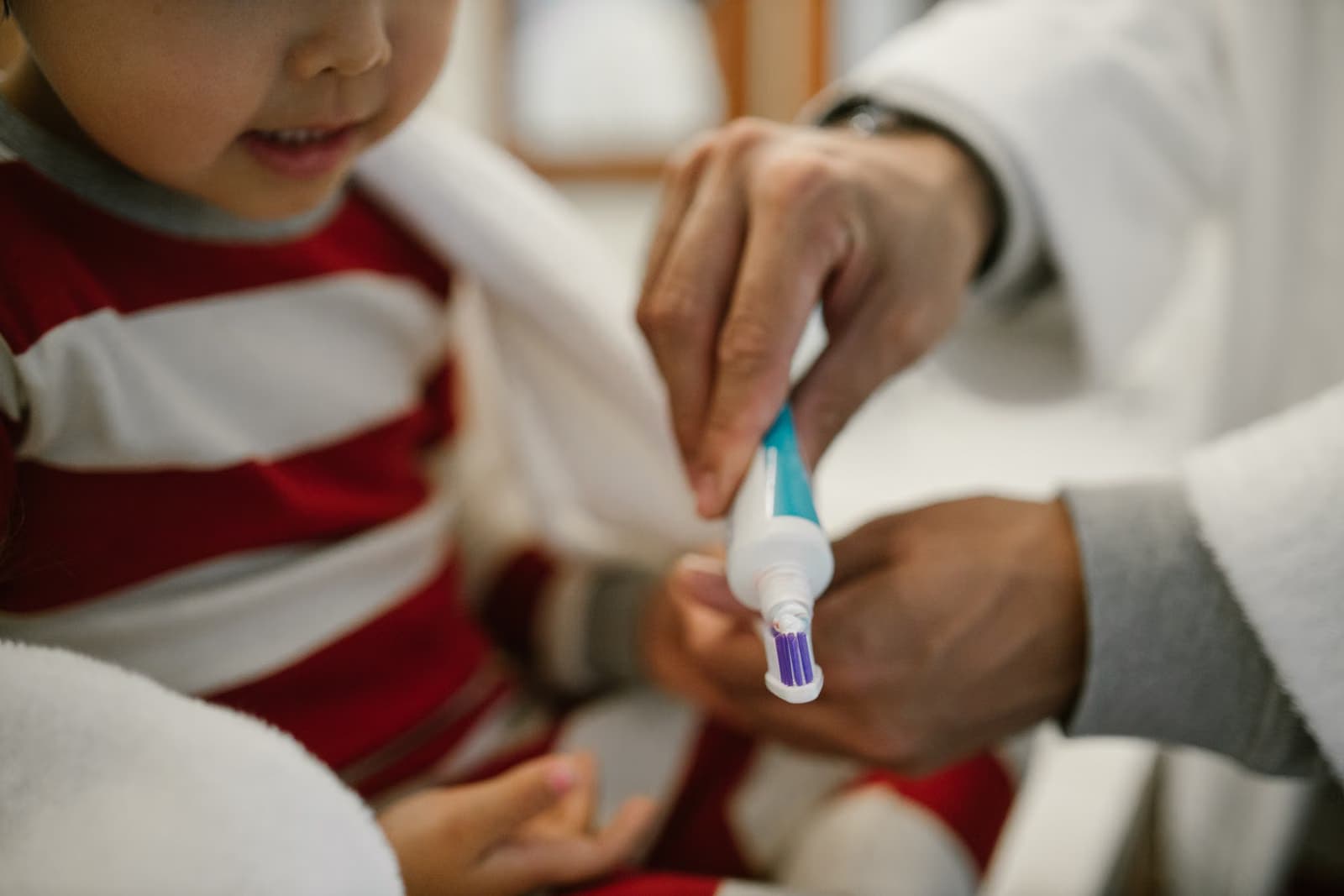
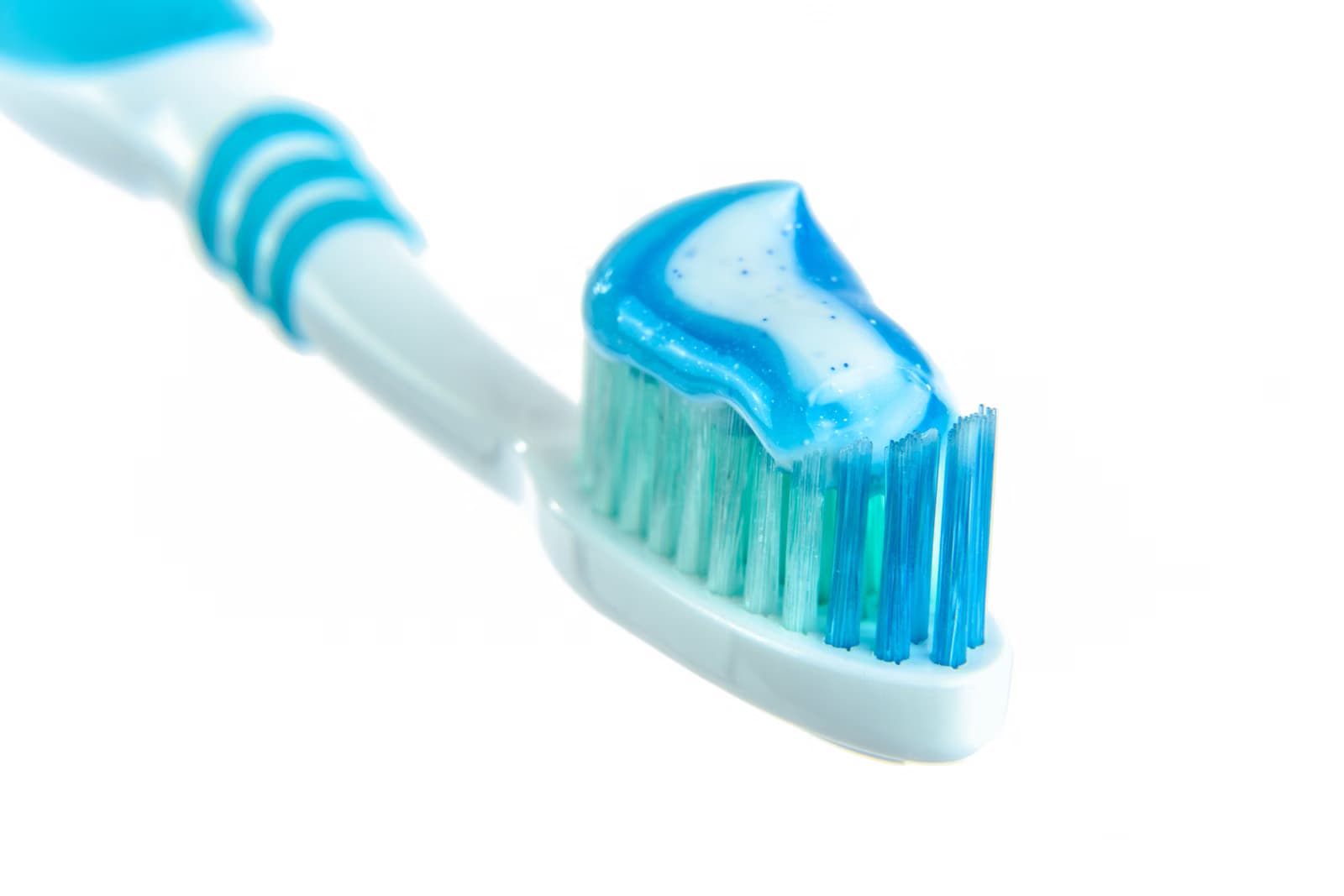
NHS, ADA and NIDCR agree: brush twice a day for two minutes with fluoride toothpaste, bristles angled about 45 degrees into the gumline, using a soft brush; hard scrubbing wears gums away without removing more plaque. Spit, do not rinse, so fluoride stays on the teeth (NHS). A soft brush such as the Mediplus toothbrush (the pack says soft nylon angled bristles; replace every 3 to 4 months) is suitable; more are listed under oral care.
Good evidence: professional scaling
The ADA says early gingivitis can usually be eliminated with a professional cleaning followed by daily brushing and flossing; the NIDCR adds that only a dental professional can remove tartar.
Lower-certainty evidence, but recommended by every guideline: cleaning between the teeth daily
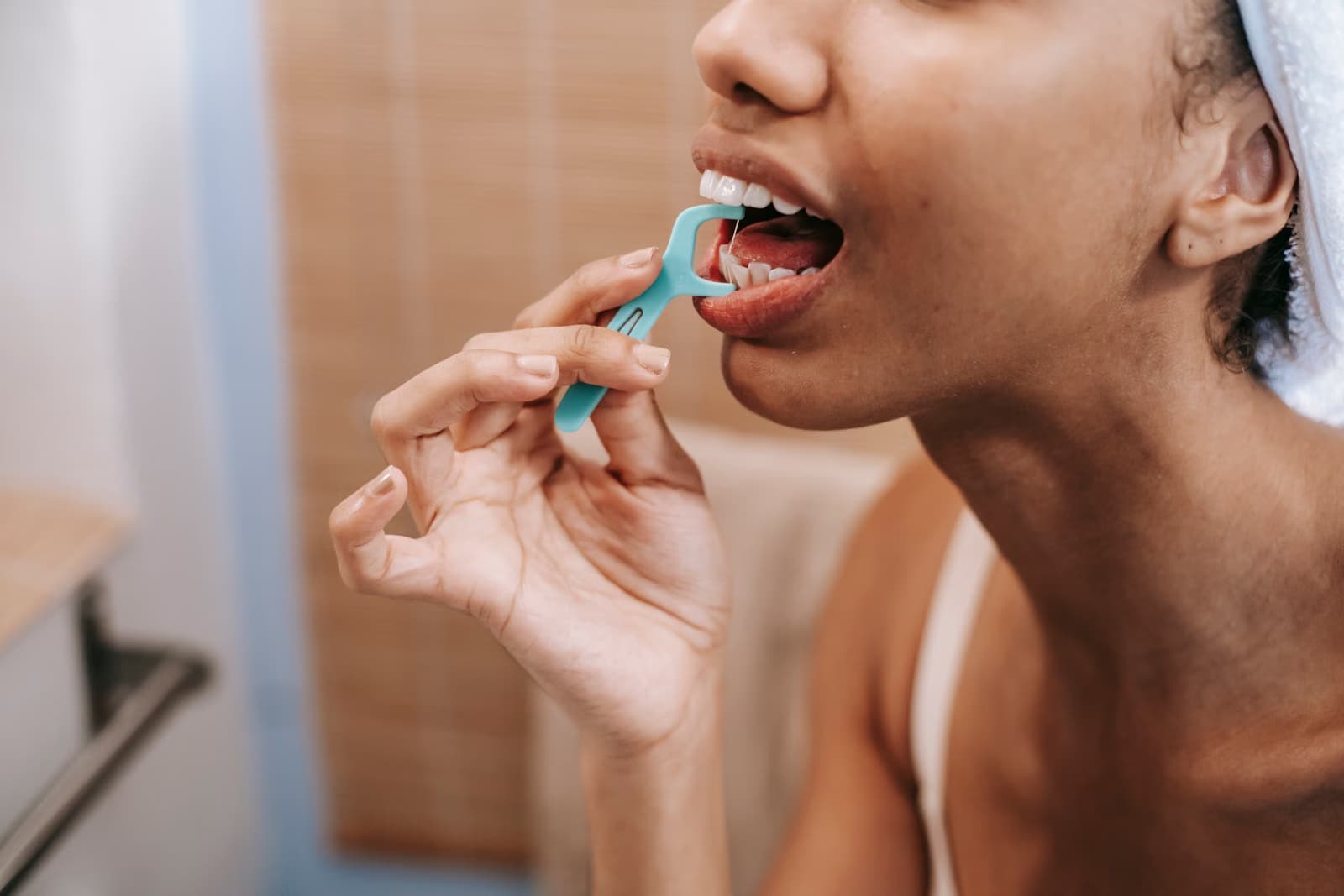
A brush does not reach between the teeth. A 2019 Cochrane review of 35 trials (3,929 adults) found that floss or interdental brushes added to toothbrushing may reduce gingivitis or plaque, or both, with interdental brushes possibly more effective than floss. The evidence was low to very low certainty because trials were short, but NHS, ADA and NIDCR all recommend cleaning between the teeth once a day. The Getwell dental floss picks combine a floss string with a bendable pick; the pack says to guide the floss gently along the curve of each tooth, use once daily, discard after one use, keep away from young children, and stop and consult a dentist if gum irritation or bleeding occurs. Inflamed gums often bleed a little in the first days of flossing; this settles as plaque is removed. Interdental brushes: dental floss and accessories.
Traditional use only
Neem datun and salt-water rinses may clean or soothe, but neither is shown to reverse gingivitis, and datun has no fluoride.
Does mouthwash help bleeding gums? Where Orostar fits
The ADA states that antimicrobial rinses, including essential-oil rinses, have been shown to help reduce plaque and gingivitis when combined with daily brushing and flossing, and that a mouthrinse is not a substitute for mechanical oral hygiene. Honest grade: a modest extra benefit as an adjunct.
Orostar Plus antiseptic mouthwash (250 ml) is an alcohol-free essential-oil rinse; the pack lists eucalyptol, menthol, methyl salicylate and thymol with sodium fluoride. Pack directions: rinse full strength with 10 ml for one minute, morning and night; do not swallow; do not rinse, eat or smoke for thirty minutes after use; keep out of reach of children; not indicated for children below 12 years. More rinses: mouthwash.
Timing and who should be careful
- Not straight after brushing: the NHS warns this washes fluoride off the teeth. Leave a gap, for example after meals.
- Children: the pack says not under 12; the ADA says under-6s should not use any mouthrinse unless a dentist directs it.
- Pregnancy or regular medicines: ask your dentist or doctor before adding any new product.
- Chlorhexidine rinses are stronger antiseptics, prescription-only per the ADA, for short courses on a dentist's advice because longer use stains teeth and alters taste.
Should I keep brushing if my gums bleed, and how long until it stops?
Yes. Gums bleed because plaque has not been removed; avoiding the sore spot lets more build up. Brush the area gently but thoroughly with a soft brush and clean between those teeth too. With good cleaning twice a day plus daily interdental cleaning, most people see bleeding reduce within one to two weeks. If it still bleeds after two weeks, there is almost certainly tartar that only a dentist can remove, or the disease has gone deeper.
When should I see a dentist or doctor?
Book a dentist if
- gums still bleed after two weeks of good brushing and interdental cleaning;
- gums are swollen or painful, or bleed when you eat;
- persistent bad breath or taste;
- receding gums, loose teeth or new gaps;
- pus or a boil on the gum;
- you have diabetes or are pregnant, or no check-up for two years (NHS).
Urgent appointment: very sore, swollen gums; a loose or lost tooth; or a mouth ulcer, patch or lump lasting more than three weeks.
Emergency: hospital or 999
Swelling of the face, jaw or neck, especially spreading towards the eye or throat; fever with a swollen gum or jaw; difficulty swallowing or breathing; or bleeding that will not stop.
Only a dentist can examine the gums and remove tartar. An online doctor consultation on MedEasy can meanwhile advise on safe pain relief, signs of infection, how urgently you need to be seen, and blood sugar testing.
Common beliefs and questions in Bangladesh
“If a spot bleeds, I should stop brushing there until it heals.”
The opposite is true: the bleeding comes from plaque left on that spot, and gentle daily cleaning heals it.
“Gum disease is only for old people.”
Gingivitis is common in teenagers and young adults, and pregnancy gingivitis in women in their twenties. Periodontitis is more common with age but starts years earlier.
“A good mouthwash keeps gums healthy on its own.”
No rinse removes plaque or tartar; the ADA is explicit that mouthwash is not a substitute for brushing and cleaning between the teeth.
“Rubbing salt, gul or tobacco powder strengthens the gums.”
Gul is tobacco: addictive and a cause of oral cancer. Rubbing gul or coarse salt into the gums abrades them and exposes the roots.
“A course of antibiotic capsules will cure my gum problem.”
It will not. Gingivitis is caused by plaque stuck to the teeth, a biofilm that antibiotics in the bloodstream cannot wash away; the NHS, NIDCR and ADA all describe treatment as cleaning and scaling. Dentists reserve antibiotics for a spreading infection with fever, and always alongside cleaning. Buying amoxicillin or metronidazole for bleeding gums brings side effects and resistance without fixing the cause; see when antibiotics are needed and why resistance matters.
References
- Gum disease - NHS
- Gum Disease - American Dental Association (MouthHealthy)
- Mouthrinse (Mouthwash) - American Dental Association
- Home-use devices for cleaning between the teeth, in addition to toothbrushing, for preventing and controlling gum diseases and tooth decay - Cochrane
- Periodontal (Gum) Disease - National Institute of Dental and Craniofacial Research (NIH)
- Oral health fact sheet - World Health Organization
This article is for general awareness and is not a substitute for a consultation with a dentist or doctor. The products mentioned are described from their pack information and do not replace a dental examination. If you have any of the warning signs above, seek care promptly.