
Quick answer: If you have diabetes, check your feet every day for cuts, blisters, redness, swelling and cracks, wash them in lukewarm water, dry well between the toes, moisturise (but not between the toes) and never walk barefoot. Wear well-fitting shoes with clean cotton socks. Any wound that is not healing, or signs of infection, need medical care the same day.
Why does diabetes affect the feet?
Over the years, high blood sugar can damage nerves (so you lose feeling in the feet) and narrow blood vessels (so less blood reaches the feet). A small blister or cut can then go unnoticed, heal poorly, become an ulcer and get infected. Foot ulcers are a major cause of lower-limb amputation in people with diabetes, but most of this is preventable with daily care and early treatment.
How do you know your feet are at risk?
Tell your doctor if you notice any of these, as they suggest nerve damage or poor circulation:
- Tingling, burning or "pins and needles" in the feet, often worse at night
- Numbness, or not feeling hot water, pain or a pebble in the shoe
- Cramping pain in the calves when walking that eases with rest
- Cold feet, or shiny, hairless skin on the legs
- Calluses, corns, deformed toes or a change in the shape of the foot
- A previous foot ulcer, which raises the risk of another
People with these features should have their feet examined more often than once a year.
What should be on your daily foot checklist?
- Look at both feet every day: tops, soles, heels and between the toes. Use a mirror or ask a family member for help. Look for cuts, blisters, redness, swelling, cracks and changes in colour.
- Wash daily with lukewarm water and mild soap. Test the temperature with your elbow, never with a numb foot.
- Dry thoroughly, especially between the toes. This includes after wudu (ablution), when feet are often left damp.
- Moisturise dry skin on the tops and soles, but not between the toes, where moisture encourages fungal infection.
- Cut nails straight across and file sharp edges. If nails are thick or hard to cut, ask a clinician to do it.
- Never walk barefoot, even indoors, on the roof, on the beach or at the mosque. Wear slippers or socks.
- Check inside your shoes for stones, rough seams or nails before putting them on.
- Wear well-fitting shoes with a wide toe box, and clean, seamless cotton socks. Buy shoes in the afternoon when feet are slightly swollen.
- Avoid heat on the feet: no hot-water bottles, heaters or hot soaks, because numb feet burn without you noticing.
- Do not use blades, corn plasters or chemical corn removers. Do not treat blisters, corns or ulcers yourself; let a clinician do it.
Itchy, peeling skin between the toes is often a fungal infection (athlete's foot), which in diabetes can let bacteria in; see fungal skin infections: treatment and prevention.
Which habits protect the feet from the inside?
- Stop smoking, because it reduces circulation
- Keep blood sugar, blood pressure and cholesterol well controlled; see how to check blood sugar at home and the diabetes diet guide for Bangladeshi meals
- Stay active with regular walking in proper footwear
- Take your medicines as prescribed and never stop them on your own
What warning signs need care the same day?
Do not wait for these to settle on their own. Seek medical care on the same day for:
- Any wound or sore that is not healing
- A blister
- Redness, warmth or swelling of the foot
- Pus, discharge or a bad smell
- Black or blue skin
- New numbness or pain
- Fever or feeling unwell with a foot problem
Go to a hospital emergency department or call 999 for spreading redness, black skin, severe pain, or fever with a foot wound, especially if you also feel confused or very weak. You can discuss non-emergency concerns through online doctor consultation, but an in-person foot examination is needed for any wound.
Which check-ups do people with diabetes need every year?
| Check | How often |
|---|---|
| Comprehensive foot examination (including monofilament test for feeling) | At least once a year; more often if you have nerve damage or foot problems |
| Dilated eye examination | At least once a year, or as your eye doctor advises |
| Kidney tests (urine albumin-to-creatinine ratio and eGFR) | At least once a year |
| Blood pressure (target below 130/80 mmHg for many people) | At every visit |
| Cholesterol (lipid profile) | At least once a year, or as advised |
| HbA1c | Every 3-6 months |
| Dental check-up | Once or twice a year |
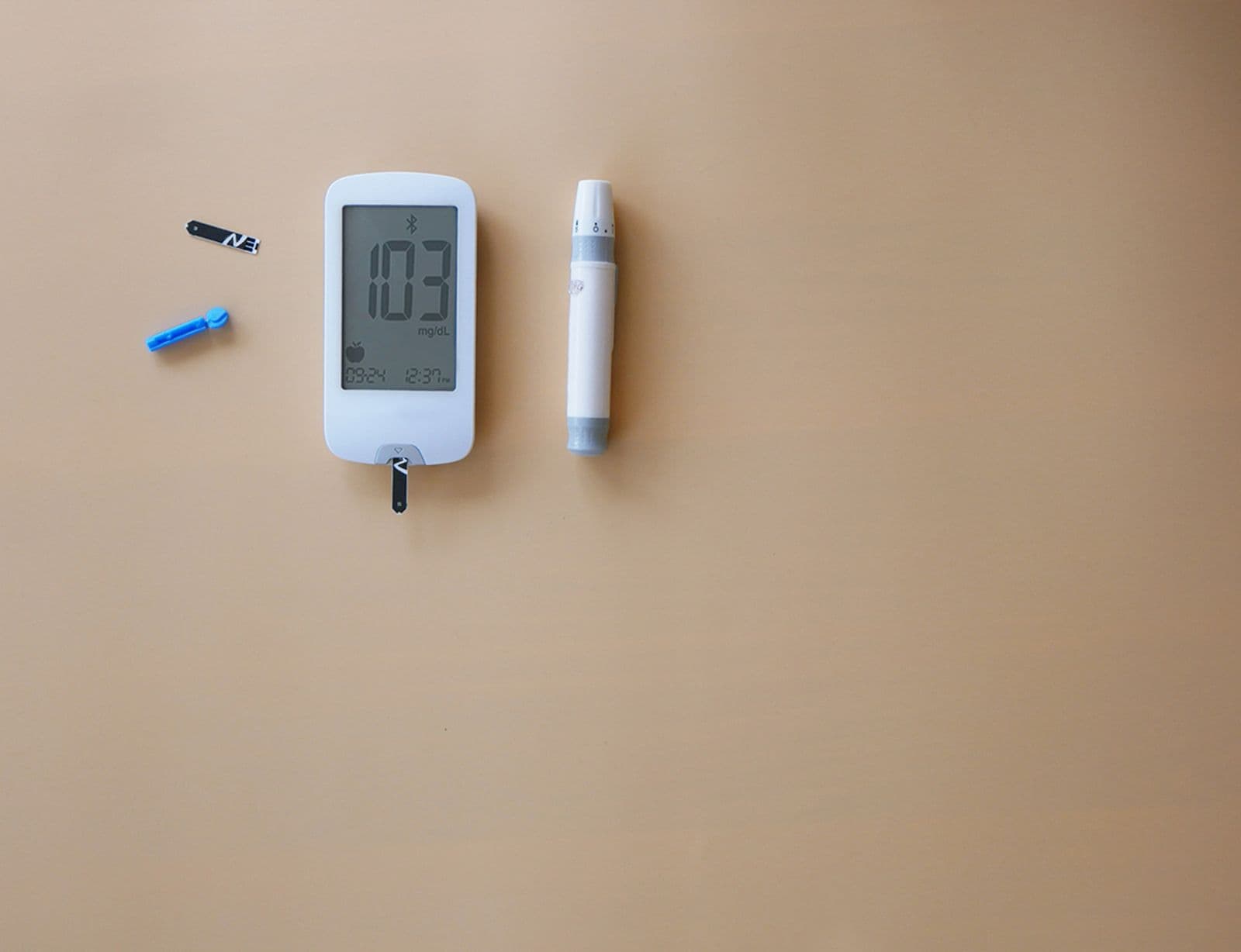
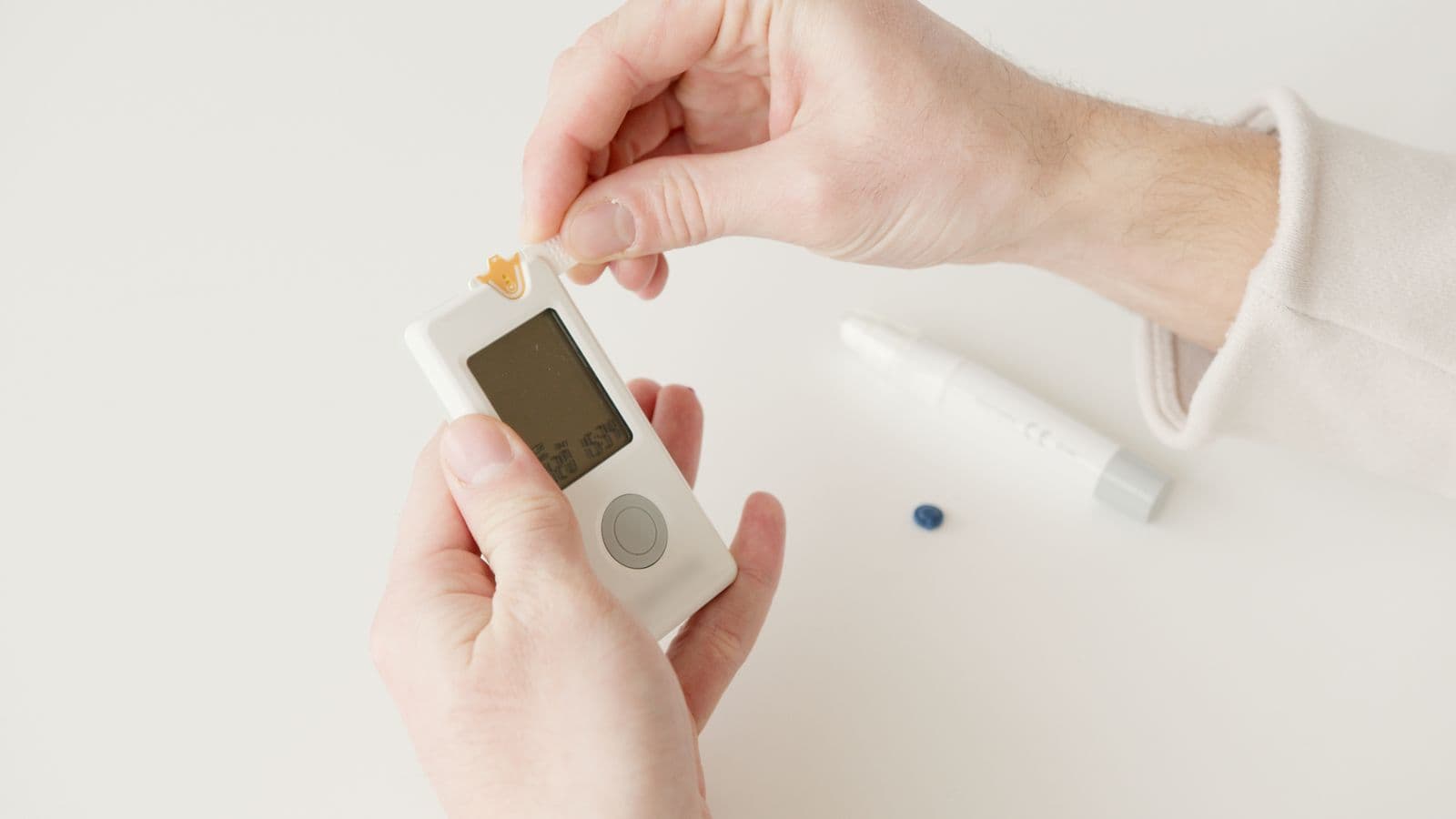
Targets and schedules are individualised, so ask your doctor what is right for you. Blood-sugar meters, strips and other aids are available in the diabetes care section.
References
- Diabetes and Foot Problems - NIDDK
- Foot Complications - American Diabetes Association
- Diabetes Fact Sheet - World Health Organization
This article is for general awareness only and is not a substitute for advice from a qualified doctor. Please consult a doctor for diagnosis and treatment.