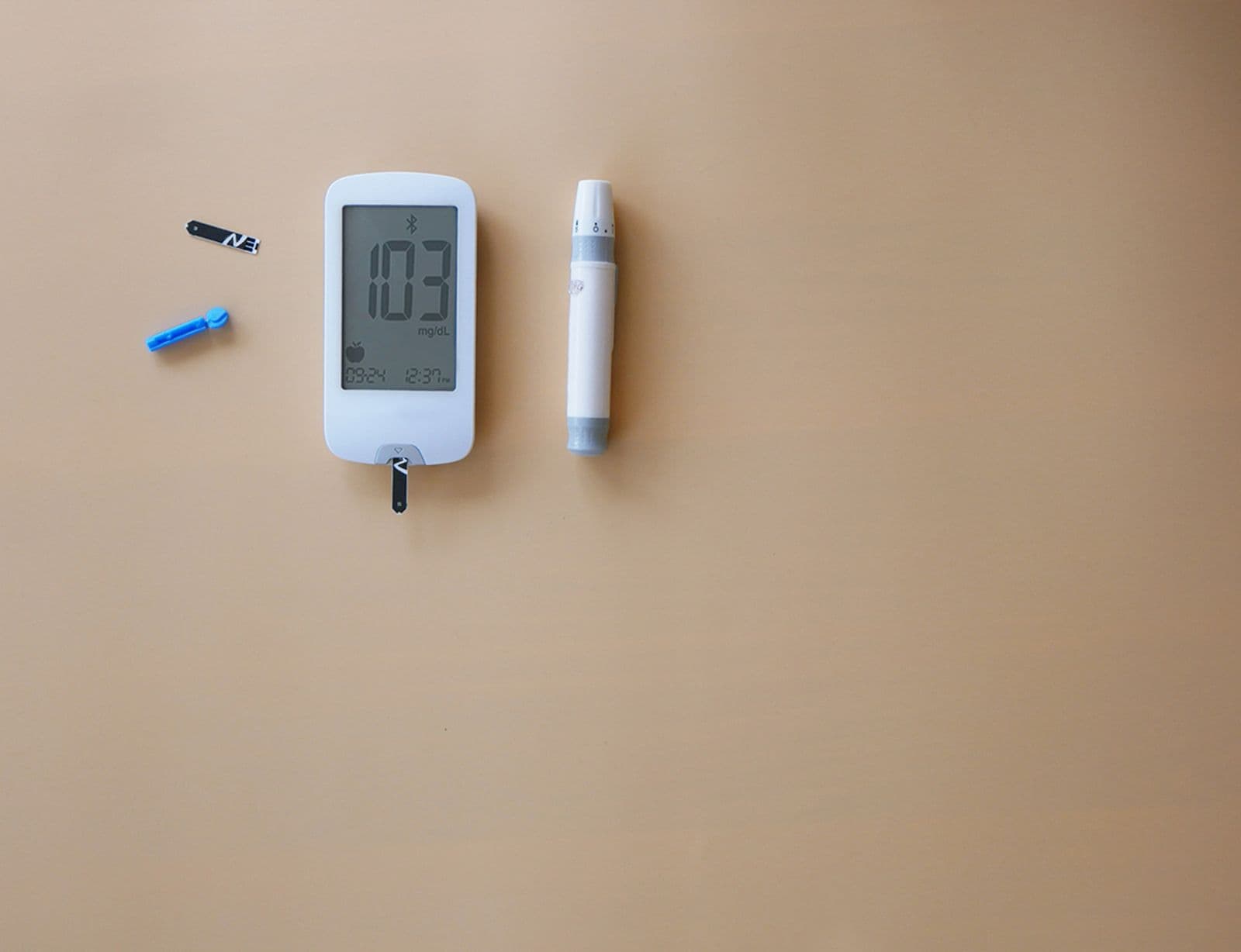
Quick answer: To check blood sugar at home, wash and dry your hands, insert a test strip into the glucometer, prick the side of a fingertip with a fresh lancet, touch the blood drop to the strip's edge and read the result in about five seconds. Write it down with the time and meal. For many adults, the ADA target before meals is 80-130 mg/dL (4.4-7.2 mmol/L).
How do you use a glucometer step by step?
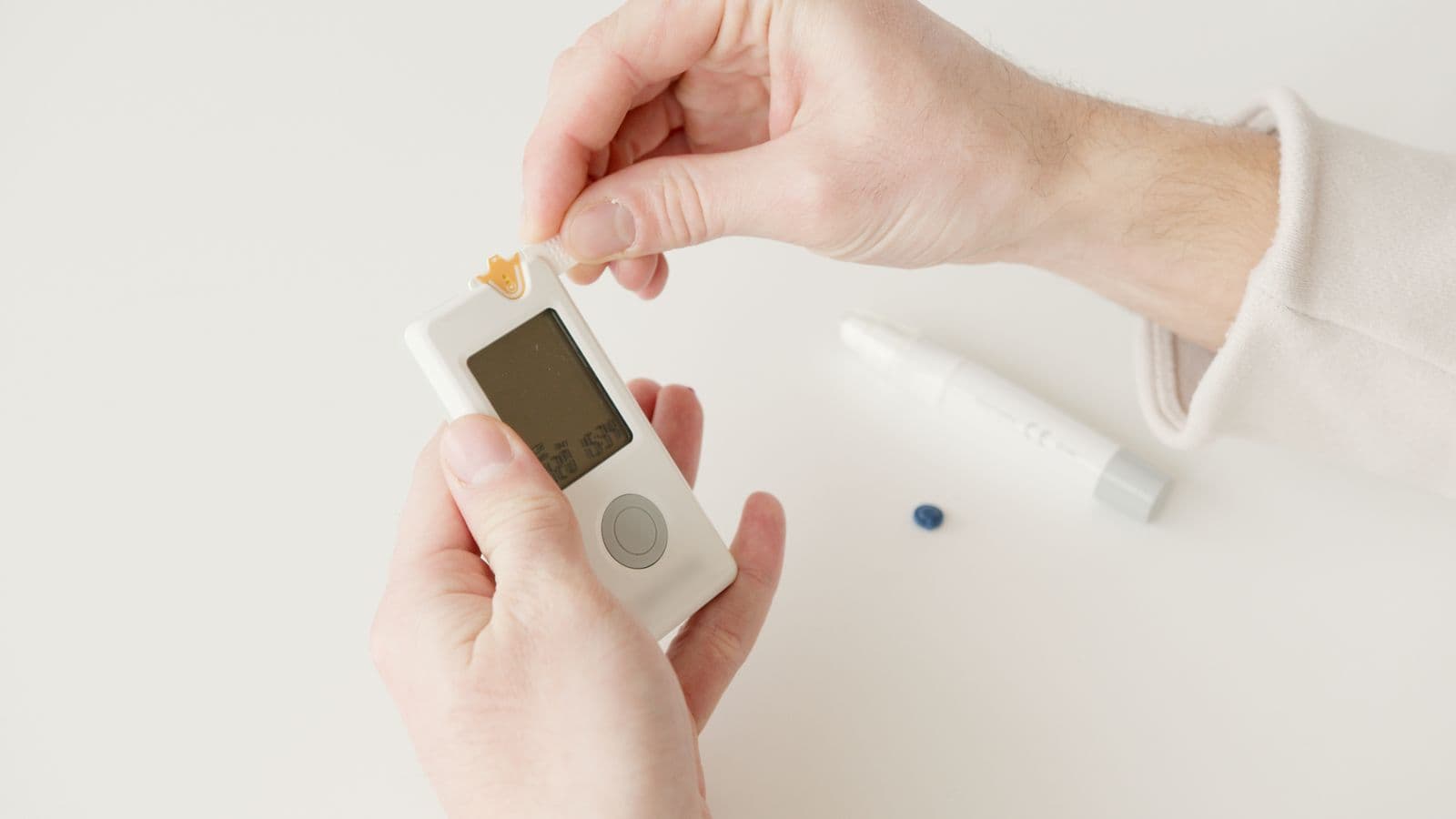
- Wash your hands with soap and warm water and dry them fully. Sugar or fruit juice residue on your fingers can give a falsely high reading, and warm water improves blood flow. If you use an alcohol swab, let the finger dry fully first.
- Check the strip. Make sure it has not expired and matches your meter. If your meter needs a code or calibration, set it as the pack instructs.
- Insert the strip into the meter and wait for it to show it is ready.
- Prepare the lancing device with a new lancet. Never reuse a lancet, and never share lancets or a lancing device with anyone, even family, because of the risk of spreading blood-borne infections.
- Warm the hand if the fingers are cold: hang it down or rub the fingers so blood flows without squeezing.
- Prick the side of the fingertip, which hurts less than the pad. Change the finger each time.
- Do not squeeze hard. Gently massage the finger towards the tip. Heavy squeezing mixes tissue fluid with blood and can alter the result. Follow your meter's manual on whether to wipe away the first drop and use the second.
- Touch the drop to the edge of the strip and let it draw in the blood. If the drop was too small, start again with a new strip rather than adding more blood.
- Read the result, then dispose of the lancet safely in a hard container.
- Record it in a diary or app with the date, time, and whether it was before or after a meal, and any medicine taken.
With a new meter or a new pot of strips
Run a control solution test when you open a new container of strips, after the meter has been dropped, or whenever a result seems wrong. The control reading should fall within the range printed on the vial.
For the full first-aid steps when a reading is low, and what to do if someone becomes drowsy or unconscious, read low blood sugar (hypoglycaemia): signs and first aid.
When should you test your blood sugar?
Common times are:
- Fasting: on waking, after at least 8 hours without food
- Before meals
- 1-2 hours after the start of a meal, to see how food affects you
- At bedtime
- When you feel unwell, dizzy, shaky, or have symptoms of high or low sugar
- Before driving or exercise if you are on insulin or similar medicines
How often depends on your treatment. People on insulin usually test more often than people on tablets or diet alone. Your doctor will set a schedule that suits you.
On insulin or sulfonylurea tablets (such as gliclazide), test whenever you feel shaky or sweaty, because these medicines can cause lows. When ill, test about every 4 hours, because sugar often rises during illness even if you eat less.
What is a normal blood sugar reading?
The ADA gives general targets for many non-pregnant adults with diabetes. Your own targets may be higher or lower, so ask your doctor.
| When | General target |
|---|---|
| Before meals | 80-130 mg/dL (4.4-7.2 mmol/L) |
| 1-2 hours after the start of a meal | Below 180 mg/dL (10.0 mmol/L) |
| HbA1c (clinic or lab test) | Below 7% for many adults |
A reading below 70 mg/dL (3.9 mmol/L) is low blood sugar and needs prompt treatment with fast-acting sugar. If you have not been diagnosed yet, read our guide on diabetes symptoms and who should be tested.
What to do if a reading is high
- Repeat the test with clean hands if the number seems out of place.
- Drink water, avoid sugary food and drink, and take your usual medicine on time; never take an extra dose on your own.
- Readings repeatedly above 250 mg/dL (13.9 mmol/L), or any reading above 300 mg/dL (16.7 mmol/L), need a call to your doctor that day.
What to do if a reading is low
Use the "15-15 rule" for a reading below 70 mg/dL (3.9 mmol/L):
- Take 15 grams of fast-acting carbohydrate: 3-4 glucose tablets, half a cup (about 120 mL) of fruit juice or regular soft drink, or 1 tablespoon of sugar in water. Not chocolate or biscuits, which act too slowly.
- Wait 15 minutes and test again.
- If still below 70 mg/dL, repeat the 15 grams.
- Once above 70 mg/dL, eat a snack if your next meal is over an hour away.
Below 54 mg/dL (3.0 mmol/L) is a serious low; never put food in the mouth of anyone drowsy or unable to swallow.
How accurate is a glucometer?
Home meters are not perfectly accurate. A reading within about 15% of the laboratory value is generally accepted, so a result of 100 mg/dL could truly be anywhere from about 85 to 115. The international standard ISO 15197:2013 requires 95% of results to be within 15% of the laboratory value (within 15 mg/dL for readings below 100 mg/dL). If a number does not match how you feel, wash your hands and repeat the test with a new strip. Common causes of wrong readings are:
- Dirty or sugary fingers
- Expired, damaged or wrongly stored strips
- Too little blood on the strip
- Wrong code or a meter that is not suited to the strip
- Very hot, cold or humid conditions
- Severe dehydration or anaemia
- High doses of vitamin C or paracetamol, which interfere with some strips
- Testing on the forearm or palm when sugar is changing fast
How should you store test strips?
- Keep strips in their original container with the lid closed tightly
- Store away from heat, direct sunlight and humidity, so not in the bathroom or kitchen window
- Do not use expired strips
- Check the pack for the discard-after-opening period and write the opening date on the container
- Do not transfer strips to another container
How do you keep a useful blood sugar log?
A single number tells your doctor little; a pattern tells a lot. For each test note the date, time, result, which meal it relates to, what you ate, any exercise or medicine, and anything unusual such as illness. Bring the diary to every appointment, and report any low reading promptly.
What about HbA1c?
A glucometer shows your sugar at one moment. HbA1c reflects your average over about the past three months. It is done in a clinic or laboratory, usually every 3-6 months. Home readings and HbA1c together give your doctor a full picture, so bring your diary to every visit.
HbA1c cannot show a low at 3 a.m. or a spike after lunch; the glucometer shows those but not the average. An HbA1c of 7% corresponds to an average glucose of about 154 mg/dL (8.6 mmol/L). HbA1c can mislead in anaemia and thalassaemia, common in Bangladesh, so home readings matter even more then.
What about continuous glucose monitors (CGM)?
A CGM is a small sensor worn on the arm or abdomen that estimates glucose in the fluid under the skin every few minutes and shows trends and alarms on a phone or reader. Readings lag a few minutes behind blood, so a finger-prick check is still needed when the reading does not match how you feel, before correcting an insulin dose, or when an alarm sounds.
Common myths and questions in Bangladesh
"If my glucometer readings are fine, I do not need lab tests"
No. The meter cannot measure HbA1c, kidney function, cholesterol or urine albumin, which are needed yearly to catch complications early.
"I always use the same finger because it has got used to it"
Repeated pricks in one spot cause thickened, painful skin and poorer blood flow. Rotate between fingers and between both sides of each fingertip.
"Squeeze the finger hard to get a bigger drop"
Hard squeezing pushes tissue fluid into the drop and can make the reading falsely low. Warm the hand and massage gently from the base of the finger, or use a deeper lancet setting.
When should you call a doctor or seek emergency care?
Do not change your medicine doses on your own based on a single reading. Contact a doctor, for example through online doctor consultation, if:
- Your readings are repeatedly above 250 mg/dL (13.9 mmol/L), especially when ill
- You get readings below 70 mg/dL (3.9 mmol/L), especially more than once a week
- Your readings keep going outside your targets for several days
Go to hospital or call 999 if high sugar comes with vomiting, abdominal pain, fruity breath, fast deep breathing or confusion, or if a person with low sugar is drowsy, fitting or cannot swallow safely. A meter showing "HI" or "LO" instead of a number is an emergency too.
Glucometers, test strips and lancets are available in the diabetes care section. Always buy strips that match your meter model.
References
- Check Your Blood Glucose - American Diabetes Association
- Know Your Blood Sugar Numbers - NIDDK
- Low Blood Glucose (Hypoglycemia) - NIDDK
- Monitoring Your Blood Sugar - CDC
- Blood Glucose Monitoring Devices - U.S. Food and Drug Administration
- Continuous Glucose Monitoring - NIDDK
This article is for general awareness only and is not a substitute for advice from a qualified doctor. Please consult a doctor for diagnosis and treatment.