Quick answer: You do not have to give up rice or roti with diabetes; portion size matters more than the grain. Fill half your plate with non-starchy vegetables, a quarter with protein such as fish, egg or dal, and a quarter with rice or roti. Avoid sugary drinks, sweets and fried snacks, eat fruit in measured portions, and never skip meals if you take insulin or sulfonylureas.
What is the plate method for a Bangladeshi meal?
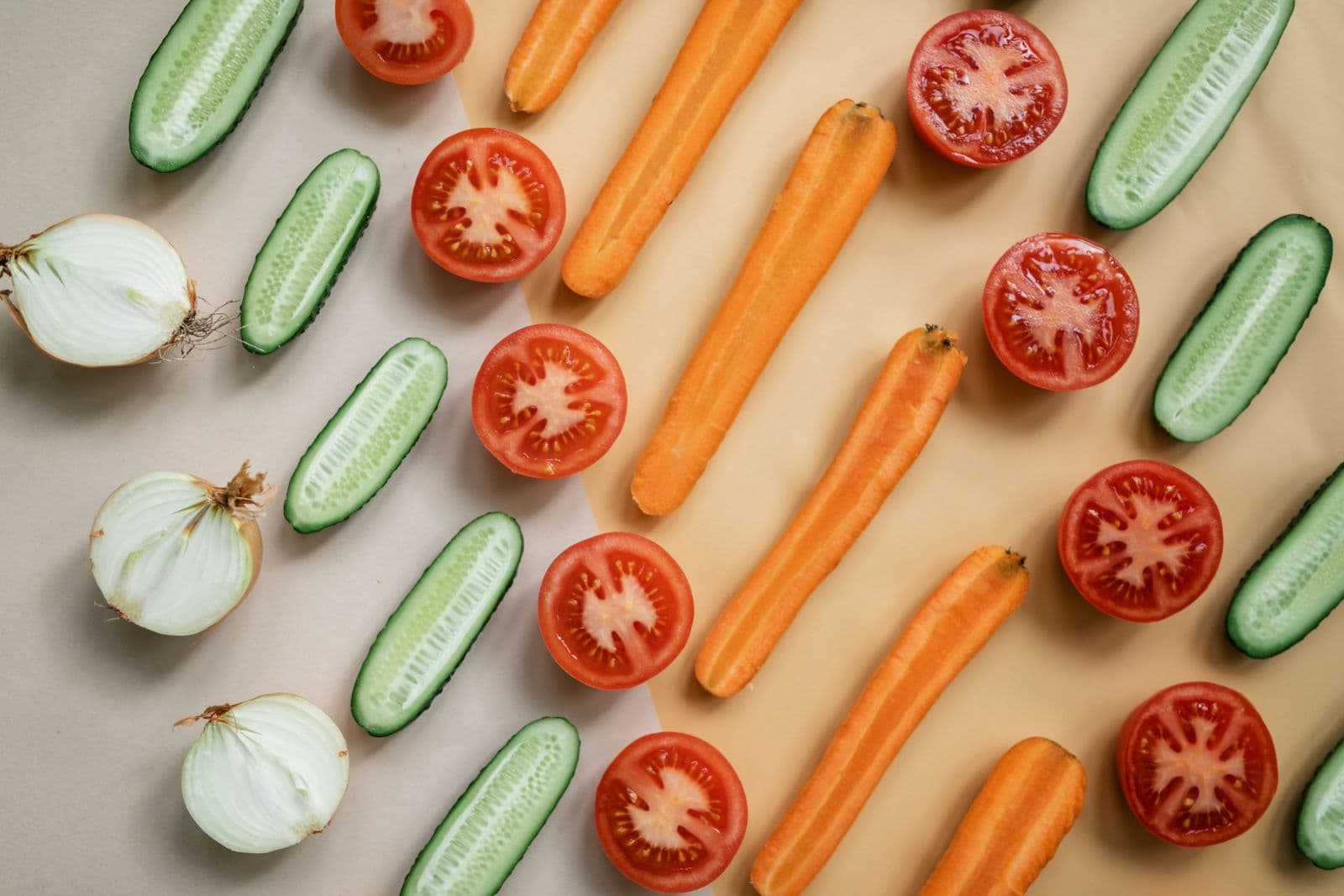
The plate method is a simple way to control carbohydrate without counting. Divide your plate into three parts:
- Half: non-starchy vegetables such as lau, pui shak, lal shak, korola, jhinge, patal, cauliflower and cabbage
- One quarter: protein such as fish, egg, dal, chicken or tofu
- One quarter: carbohydrate such as rice or roti
For many adults a sensible portion is about one cup of cooked rice or two small rotis per meal, but needs vary with age, weight, activity and medicines. A doctor or dietitian can tailor this for you.
Is brown rice or atta roti better than white rice?
Brown or red rice and whole-wheat atta contain more fibre and may raise blood sugar a little more slowly. But they are still carbohydrate, and a large helping will still push sugar up. Products labelled "diabetic rice" do not remove the need to watch portions. Choose the grain you will eat consistently, and keep the amount in check.
Does the order of eating matter?
Small studies suggest that eating vegetables and protein first and the rice or roti last leads to a smaller rise in blood sugar after the meal. It costs nothing to try. Take your dal, vegetables and fish first, then finish with the carbohydrate.
Which foods should you limit?
- Sugary drinks, soft drinks and packaged fruit juice
- Sweets such as mishti, payesh and pitha
- Excess white bread and biscuits
- Fried snacks such as singara, puri and samosa
- Large servings of biryani, khichuri or tehari
- Sugar in tea; try tea without sugar
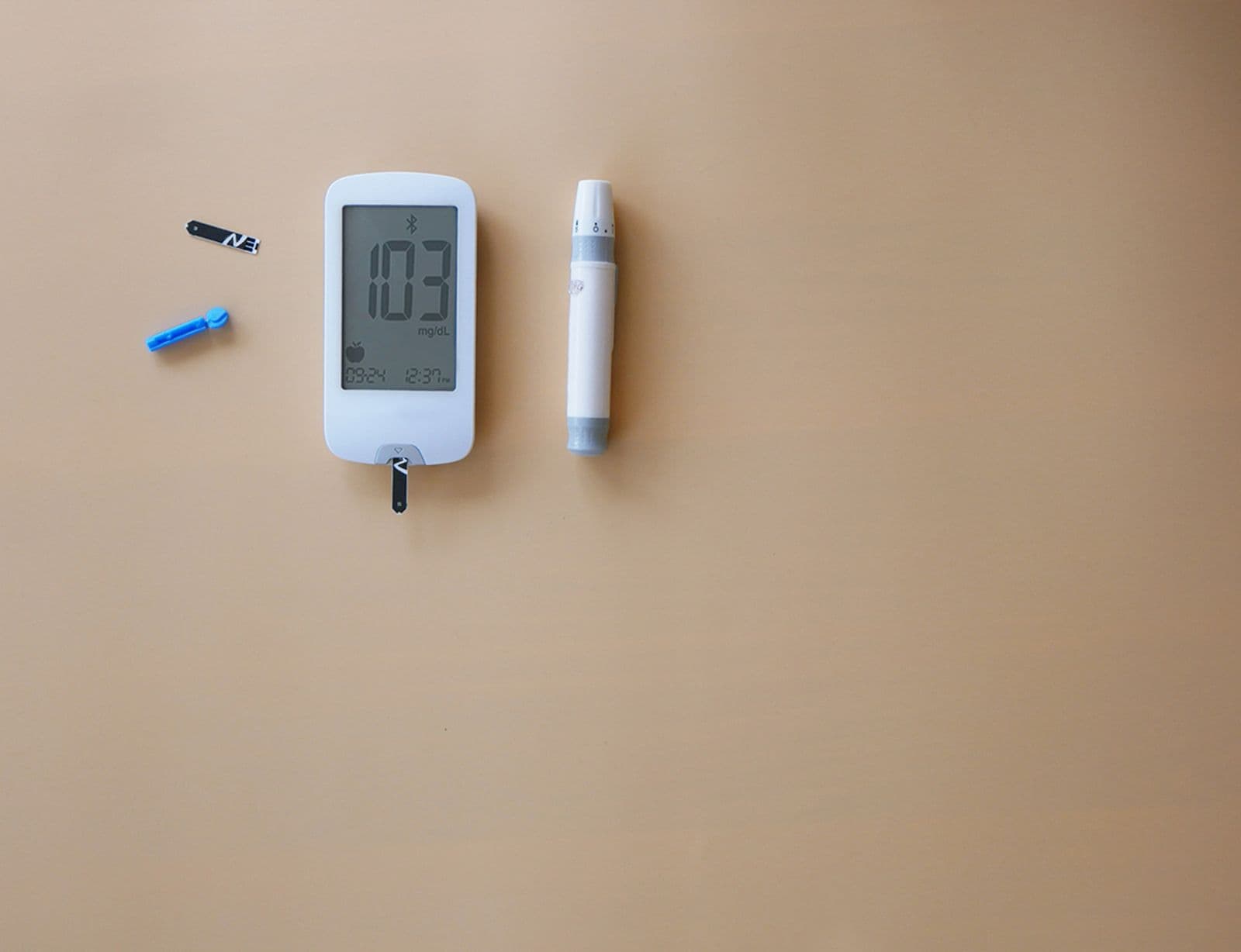
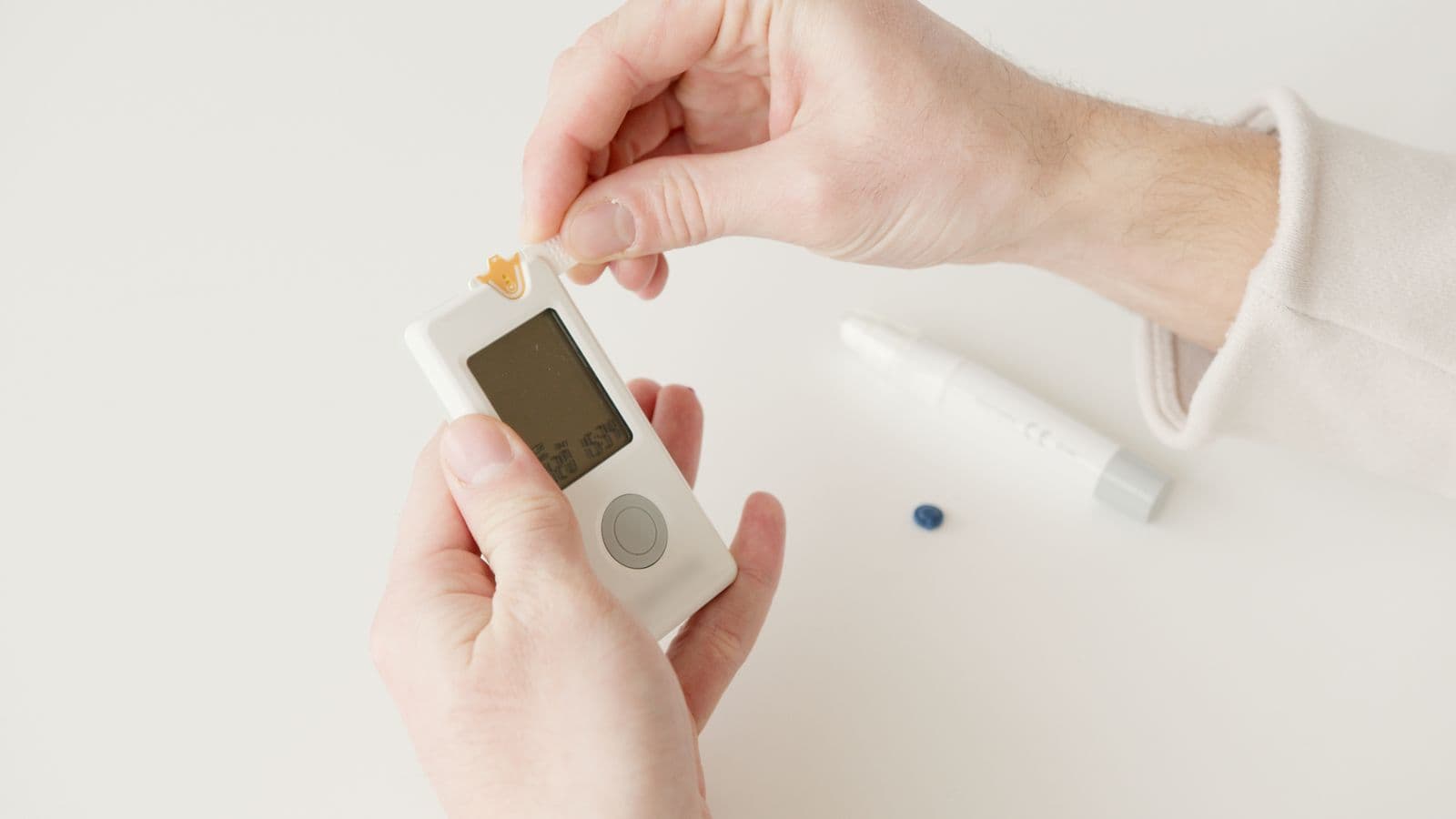
On special occasions, a small portion shared is better than a large one. Test your sugar afterwards to learn how your body reacts (see how to check blood sugar at home).
Can people with diabetes eat fruit?
Yes. Whole fruit has fibre, vitamins and water, and is fine in measured portions. Better choices include a small guava, apple, pear, orange, papaya and berries. Take extra care with very ripe mango, banana, jackfruit, lychee, grapes and dates, which are high in sugar, and keep these to small portions. Avoid fruit juice, even if it is "fresh", because it lacks fibre and raises sugar quickly.
What other habits help?
- Do not skip meals, especially if you take insulin or sulfonylureas such as glimepiride or gliclazide, as this can cause low blood sugar
- Eat fish about twice a week, and include pulses such as dal, chickpeas and beans
- Use healthy fats in moderation, and keep nuts to a small handful
- Keep salt below 5 g (about one teaspoon) a day, as advised by the WHO
- Take a 10-15 minute walk after meals, which helps lower post-meal glucose
Do bitter gourd, fenugreek or cinnamon cure diabetes?
No. Foods such as bitter gourd (korola), fenugreek (methi), cinnamon and apple cider vinegar are often promoted, but evidence for them is limited. They can be part of ordinary meals, but no single food cures diabetes or replaces your medicine.
If you take insulin or sulfonylurea tablets, skipping or delaying a meal can drop your sugar dangerously; know the signs in low blood sugar (hypoglycaemia): signs and first aid.
A sample one-day menu
This is an example, not a prescription. Portions and timing must be adjusted for your medicines and needs.
- Breakfast: 2 small whole-wheat rotis, vegetable bhaji, 1 boiled egg; tea without sugar
- Mid-morning: 1 small guava or apple
- Lunch: about 1 cup cooked rice, a bowl of masoor or moong dal, a portion of fish curry, lau or pui shak, and a salad of cucumber and tomato
- Evening: a small handful of roasted chickpeas or unsalted nuts
- Dinner: 2 small rotis or a smaller portion of rice, chicken or fish, mixed vegetables such as korola or patal, and dal
What about fasting and Ramadan?
Speak to your doctor before fasting. Medicines, especially insulin and sulfonylureas, may need adjusting to avoid dangerous low or high sugar. Do not change doses on your own. Read the signs of low sugar and break your fast if sugar drops below 70 mg/dL (3.9 mmol/L).
When should you see a doctor?
See a doctor if your sugar stays high despite diet changes, if you lose weight without trying, or if you have repeated episodes of shakiness, sweating or confusion that suggest low sugar. An online doctor consultation can help you review your plan. Go to hospital or call 999 for vomiting with high sugar, fruity breath, fast deep breathing, drowsiness or confusion. Glucose meters, strips and other items are listed under diabetes care. If you are still unsure whether you have diabetes, read about diabetes symptoms and testing.
References
- Healthy Living with Diabetes - NIDDK
- Diabetes Fact Sheet - World Health Organization
- Preventing Type 2 Diabetes - NIDDK
This article is for general awareness only and is not a substitute for advice from a qualified doctor or dietitian. Please consult a doctor for diagnosis and treatment.