Quick answer: Daily vaginal discharge is normal: clear or white, mild-smelling, changing through the cycle, in pregnancy and on the pill. A fishy smell, thick cottage-cheese discharge with itching, or frothy yellow-green discharge points to an infection that needs a diagnosis, not a wash. Intimate washes are a comfort product for the outside skin only; they do not prevent or treat infection, and nothing should be washed inside the vagina.
What is normal vaginal discharge?
Discharge is fluid from glands in the cervix and vagina that keeps the vagina moist, carries out dead cells and bacteria, and protects against infection. The NHS says it is usually nothing to worry about if it is clear or white, thick and sticky or slippery and wet, and has no strong or unpleasant smell. It changes for normal reasons:
- Through the cycle: clearer, wetter and stretchy (like raw egg white) around ovulation; thicker and whiter before a period.
- Pregnancy: usually heavier, because of higher hormones and blood flow.
- Contraceptive pills and other hormonal methods: often more discharge.
What does abnormal discharge look like, and what causes it?
A change in smell, colour or texture, especially with itching, pain or bleeding, may mean an infection. The NHS advises not to self-diagnose: only an examination or swab confirms the cause.
| What you notice | Likely cause | Notes |
|---|---|---|
| Thin, grey-white, watery discharge with a strong fishy smell, worse after sex | Bacterial vaginosis (BV) | Most common cause; half of women have no symptoms; usually no itching; needs prescribed antibiotics |
| Thick, white, cottage-cheese-like discharge with itching, burning or soreness; little smell | Yeast infection (candida, thrush) | More likely after antibiotics, in pregnancy or with uncontrolled diabetes; needs antifungal medicine |
| Frothy, yellow-green discharge, sometimes bad-smelling, with itching or burning on passing urine | Trichomoniasis | Sexually transmitted parasite; partner needs treatment |
| Discharge with pelvic pain, bleeding between periods or after sex | Chlamydia or gonorrhoea | Often silent; untreated, can damage the fallopian tubes |
| Brown or blood-streaked discharge outside a period, or watery discharge after sex | Cervical causes (erosion, polyp, infection; rarely cancer) | Needs an examination |
Why is the vagina called self-cleaning?
A healthy vagina is acidic, with a pH of roughly 3.8 to 4.5, kept that way by lactobacilli, the “good” bacteria that make lactic acid. This acid stops harmful bacteria and yeast from overgrowing. A vaginal pH above 4.5 is one of the signs doctors use to diagnose BV.
That is why washing inside does harm. Douching (rinsing inside with water, soap, vinegar or antiseptic) removes the lactobacilli and raises the pH. The NIH Office on Women's Health reports that women who douche about once a week are five times more likely to develop BV, and it is also linked to pelvic inflammatory disease, ectopic pregnancy and STIs, with no proven benefit.
What to wash
Wash the vulva only (the outer lips and skin folds) once a day with warm water, or water plus a little mild, unscented soap or wash if you prefer. Rinse well, pat dry, and wipe front to back after the toilet.
What not to do
- No douching, no “cleaning” inside with a syringe, jug, fingers or soap.
- No scented soaps, shower gels, “deodorant” sprays, perfumed wipes or scented pads: the NHS lists perfumed products in or around the vagina as a BV risk factor.
- No antiseptic liquids such as Dettol or Savlon in the bath water or on the vulva (the NHS advises against them); they irritate the skin.
- No “tightening” or “whitening” products: no medical basis, often irritants or steroids.
- No steroid creams (betamethasone, clobetasol or combination “itch” creams) without a doctor; they thin the skin and worsen fungal infections.
Do intimate washes help? What the evidence says
- Good evidence: douching and perfumed products in or around the vagina raise the risk of BV and irritation (NIH Office on Women's Health, NHS, CDC).
- Limited evidence: that a pH-balanced external wash beats plain water or mild unscented soap for daily comfort. No reliable trial shows they prevent infection, and some women find them irritating.
- No evidence: that any intimate wash prevents or treats BV, yeast, trichomoniasis or other STIs, or “restores pH” inside the vagina. The lactobacilli do that on their own.
An intimate wash is therefore a cosmetic comfort product, like a gentle face wash. If you have symptoms, it is the wrong tool, and masking a smell can delay diagnosis.
How to use the washes sold on MedEasy safely
MedEasy's feminine care category lists two external washes under intimate hygiene.
- Divas Secret V Wash 100 ml: the pack says it is pH 4, with lactic acid, Na-PCA (a moisturising factor) and mild cleansing agents, and is soap-, alcohol- and scent-free. Directions: “apply to the intimate area, massage gently, and then rinse away with water.” External use only, not on any cut or scratch; the pack says to stop and consult a doctor in case of discomfort.
- V Wash Expert intimate hygiene liquid wash 100 ml: the page describes a lactic-acid formula with sea buckthorn oil, paraben- and SLS/SLES-free, usable during periods. It gives no directions, so follow the pack; outside use only.
Who should not use them: anyone with broken skin, sores or a rash on the vulva; anyone with symptoms of infection (see a doctor first); and children. In pregnancy plain water is safest, and any new discharge needs a check. Neither product is a medicine or treats BV or yeast.
Underwear, clothing and period hygiene in a humid climate
Heat and humidity keep the groin warm and damp, which yeast and fungi like.
- Wear cotton underwear and change it daily, or twice a day if you sweat a lot. Avoid tight synthetic clothes for long hours.
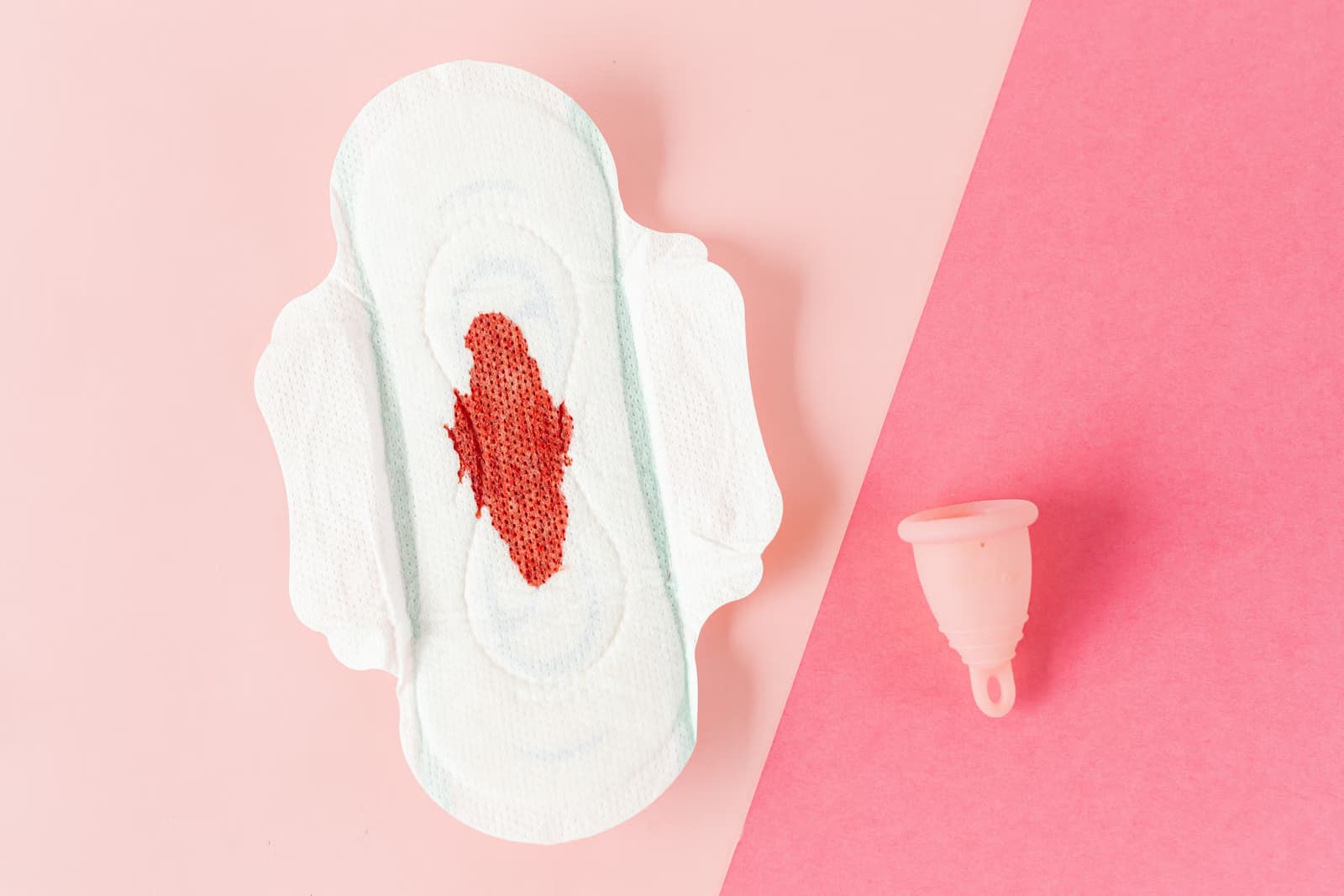
- During periods, change a pad every 4 to 8 hours, more often on heavy days; a damp pad causes rashes and odour. Cloth, if used, must be washed with soap, sun-dried and stored dry. Avoid scented pads and liners.
What causes itching, and is it always an infection?
Itching of the vulva is common and not always an infection:
- Yeast (candida): itching with thick white discharge. If it keeps returning, check blood sugar: recurrent thrush can be a sign of diabetes. See diabetes symptoms and who should get tested.
- Fungal infection of the groin (tinea cruris): a ring-shaped, scaly, itchy rash on the inner thighs, very common in humid weather and worsened by steroid creams. See ringworm and fungal skin infections.
- Contact irritation: scented soap, antiseptic, detergent, scented pads or hair-removal creams.
- Scabies, eczema, lichen sclerosus (white, thinned skin) or dryness after menopause: these need a doctor.
When should you see a doctor, and why not just buy medicine?
See a doctor, or book an online consultation through MedEasy doctors, if you have:
- Discharge that has changed colour, smell or texture, or itching or soreness, especially for the first time
- Any unusual discharge, itching or bleeding in pregnancy: BV in pregnancy raises the risk of premature birth and low birth weight and needs treatment (CDC)
- Fever, pelvic pain, pain during sex, or burning when passing urine
- Bleeding between periods, after sex or after the menopause; symptoms returning more than four times a year; a partner with symptoms
- You are under 16 or over 60, breastfeeding, diabetic, or have a weakened immune system
Emergency (call 999 or go to hospital): severe pelvic pain with fever, heavy bleeding, fainting, or pain or bleeding in pregnancy.
Why self-treating is a problem
In Bangladesh it is easy to buy metronidazole, fluconazole or clotrimazole without a diagnosis. The NIH Office on Women's Health notes that two out of three women who buy yeast infection medicine do not actually have one. The wrong medicine does nothing, delays the right treatment, and antibiotics can themselves trigger thrush; repeated unnecessary courses also build resistance, see why antibiotic resistance matters. Finish any prescribed course, and in pregnancy do not take oral fluconazole.
Common beliefs and questions in Bangladesh
“White discharge means weakness, or a disease that drains the body”
No. Normal discharge is a sign of healthy hormones, not lost strength, and it does not cause weakness, back pain or thinness.
“Washing inside with soap or Dettol keeps you clean”
The opposite: soap and antiseptic inside kill the protective lactobacilli and make BV more likely.
“An intimate wash will cure the infection”
No wash treats BV, yeast or an STI. It may hide the smell for a few hours while the infection continues.
“Discharge means you did something wrong”
Discharge is normal in every woman, married or not, sexually active or not; BV and yeast also occur in women who have never had sex. Nothing about it is shameful.
“Yoghurt or garlic inside the vagina cures a yeast infection”
No good evidence. The NIH Office on Women's Health says eating live-culture yoghurt may help prevent yeast infections but more research is needed; nothing supports putting yoghurt or garlic inside the vagina. Home remedies only delay antifungal treatment.
References
- Vaginal discharge - NHS
- Bacterial vaginosis - NHS
- About Bacterial Vaginosis - CDC
- Thrush in men and women - NHS
- Douching - NIH Office on Women's Health
- Vaginal yeast infections - NIH Office on Women's Health
This article is for general awareness and is not a substitute for advice from a doctor. The products mentioned are cosmetic washes for external use and do not replace a consultation or treat any infection. Choices about contraception, pregnancy and intimate health should be discussed with a doctor, pharmacist or family-planning worker.