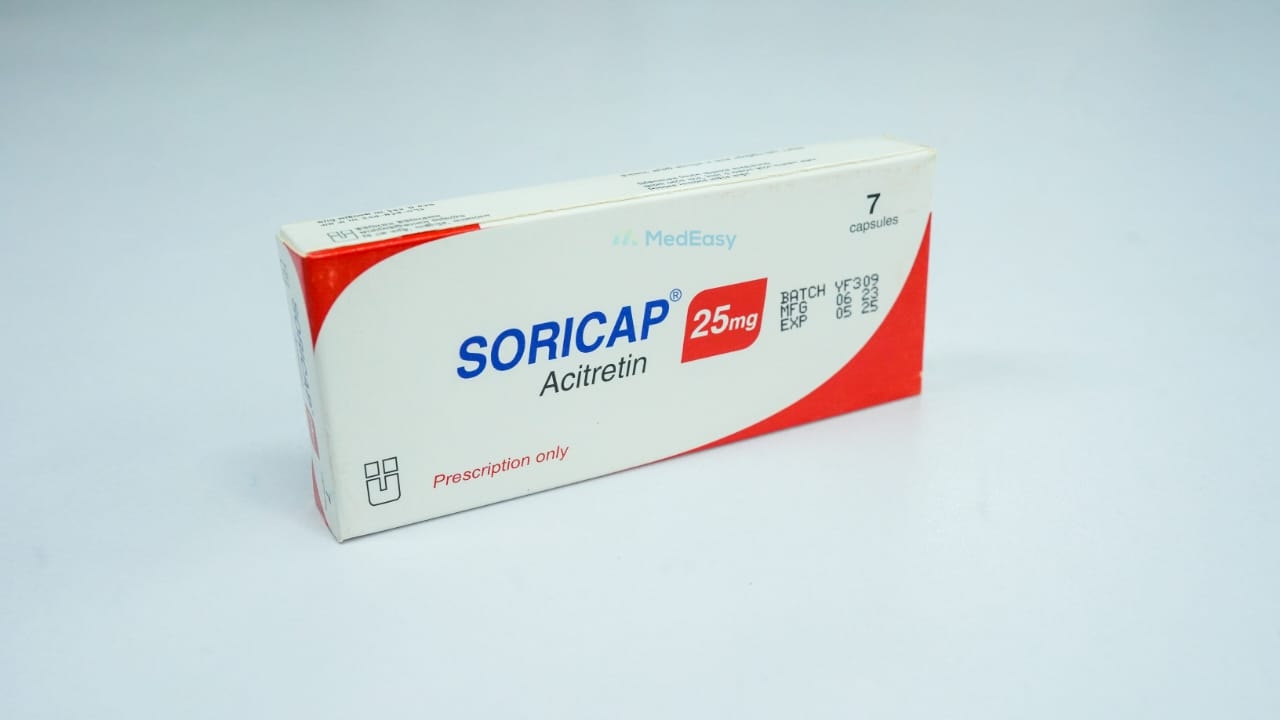
Generic medicine

Acitretin: Brands, Price & Uses in Bangladesh

Established / Approved Use Severe psoriasis: Acitretin is indicated for the treatment of severe, extensive psoriasis in adults, including plaque and more.

Forms:Capsule

About Acitretin

Indications of Acitretin

Established / Approved Use

  • Severe psoriasis: Acitretin is indicated for the treatment of severe, extensive psoriasis in adults, including plaque, pustular (including generalized/palmo-plantar pustular psoriasis), and erythrodermic forms that are resistant to other systemic therapies or topical treatment.

Guideline-Supported / Adjunct Uses

  • Used as monotherapy or in combination with phototherapy (Re-PUVA) for extensive plaque or pustular psoriasis, which can allow lower doses of both agents.
  • Maintenance therapy in chronic, relapsing psoriasis under specialist (dermatologist) supervision.

Off-Label / Other Disorders of Keratinization (commonly used, evidence-based but outside the core psoriasis label)

  • Severe congenital ichthyoses (e.g., lamellar ichthyosis, congenital ichthyosiform erythroderma).
  • Darier's disease (keratosis follicularis).
  • Other severe disorders of keratinization such as palmoplantar keratoderma, pityriasis rubra pilaris, and lichen planus (in refractory cases), when prescribed by a specialist.

Note: Acitretin must only be prescribed by, or under the supervision of, a physician experienced in the use of systemic retinoids, because of its serious teratogenic risk (see Contraindications and Pregnancy & Lactation).

Dosage & Administration of Acitretin

Adult Dosing — Psoriasis

PhaseDose
Initial (2–4 weeks)25–30 mg orally once daily, taken with the main meal
Maintenance (based on response/tolerability)25–50 mg once daily, adjusted individually; some patients may require up to 75 mg/day for a limited period

Darier's Disease and Severe Ichthyoses

Lower starting doses (around 10 mg/day) are typically used, with cautious, gradual increases based on response and tolerability, under specialist supervision.

Pediatric Dosing (specialist use only, off-label conditions)

When used for severe, disabling disorders of keratinization in children under specialist care, dosing is weight-based, approximately 0.5 mg/kg/day, not exceeding the maximum adult dose. Acitretin is not approved for pediatric psoriasis in most regulatory labels; see Use in Special Populations.

Administration

Acitretin capsules should be swallowed whole with a meal or with milk to enhance absorption; do not crush or chew. Take at the same time each day.

Duration

Initial response is usually assessed over 2–4 weeks, with continued treatment for 6–8 weeks or longer as needed; total duration and need for repeat/maintenance courses should be determined by the treating dermatologist. See Duration of Treatment.

Side Effects of Acitretin

Very Common (largely dose-related, mucocutaneous)

  • Cheilitis (dry, cracked lips) — occurs in the majority of patients
  • Dry skin, skin peeling (especially palms and soles), and dry mucous membranes
  • Dry, irritated eyes; reduced tolerance to contact lenses
  • Dry nasal mucosa, occasional nosebleeds
  • Hair thinning/alopecia (usually reversible after stopping treatment)
  • Pruritus (itching)

Common

  • Elevated blood triglycerides and/or cholesterol
  • Elevated liver enzymes
  • Paronychia (nail fold inflammation), nail fragility
  • Increased sun sensitivity (photosensitivity)
  • Joint or muscle aches

Uncommon/Rare but Serious

  • Pseudotumor cerebri (benign intracranial hypertension) — severe headache, nausea, visual changes; seek urgent care
  • Skeletal changes (hyperostosis) with long-term use
  • Night blindness (impaired dark adaptation)
  • Mood changes, depression (rare; monitor and report promptly)
  • Severe hepatotoxicity (rare)

Patients should report severe headache, visual disturbance, mood changes, or yellowing of the skin/eyes promptly to their physician.

Contraindications of Acitretin

  • Hypersensitivity to Acitretin, other retinoids, or any excipient (including parabens in some formulations).
  • Pregnancy (absolute contraindication — see boxed warning).
  • Women of childbearing potential who are unable or unwilling to comply with the mandatory pregnancy-prevention/contraception requirements before, during, and for 3 years after stopping Acitretin.
  • Breastfeeding.
  • Severe hepatic impairment.
  • Severe renal impairment.
  • Chronically abnormal (markedly elevated) blood lipid values.
  • Concurrent use with methotrexate or tetracyclines (see Interactions).
  • Concurrent alcohol consumption (during treatment and for 2 months after stopping), due to the risk of etretinate formation.

Frequently Asked Questions about Acitretin

What is Acitretin used for?

Acitretin is an oral retinoid used mainly to treat severe, extensive psoriasis (including pustular and erythrodermic forms) that has not responded to other treatments. It is also used by specialists for certain severe skin disorders such as Darier's disease and severe congenital ichthyosis.

Can I take Acitretin if I am pregnant or planning pregnancy?

No. Acitretin is absolutely contraindicated in pregnancy because it causes severe birth defects. Women of childbearing potential must use effective contraception for at least 1 month before starting, throughout treatment, and for 3 years after stopping Acitretin, because it can convert in the body to a long-lasting metabolite (etretinate).

Can I drink alcohol while taking Acitretin?

No. Alcohol must be avoided during Acitretin treatment and for 2 months after stopping, because it increases conversion of Acitretin to etretinate, which prolongs the risk of birth defects if pregnancy occurs later.

What are the most common side effects of Acitretin?

The most common side effects of Acitretin are dryness and peeling of the skin and lips (cheilitis), dry eyes and nose, hair thinning, and itching. Blood tests may also show raised liver enzymes or cholesterol/triglycerides, so regular monitoring is required during treatment with Acitretin.

Why do I need regular blood tests while on Acitretin?

Acitretin can affect liver function and raise blood lipid (cholesterol/triglyceride) levels in some patients. Your doctor will check liver function tests and a fasting lipid profile before starting and periodically during treatment with Acitretin to catch any problems early.

What should I do if I think I have taken too much Acitretin?

If you suspect an overdose of Acitretin, seek immediate medical attention or contact your local emergency/poison control services. Do not try to treat it at home; symptoms of overdose (such as severe headache, nausea, or dizziness) require prompt medical evaluation.

Disclaimer

The information provided is accurate to the best of our knowledge, but it does not replace professional medical advice. We cannot guarantee its completeness or accuracy, and the absence of specific information about a drug should not be taken as an endorsement. We are not responsible for any consequences arising from this information, so please consult a healthcare professional for any concerns or questions.

DoctorBlogArticles