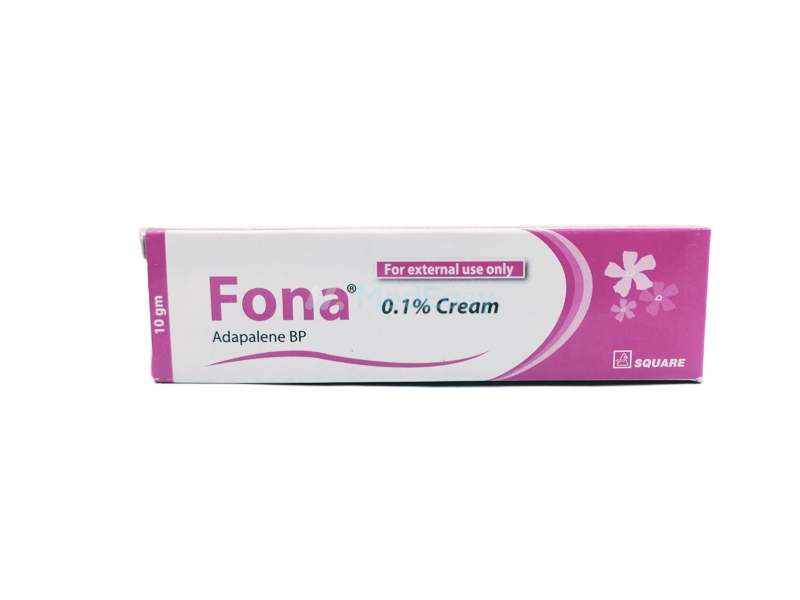
Generic medicine

Adapalene: Brands, Price & Uses in Bangladesh

Adapalene is a topical retinoid indicated for the following use: Acne vulgaris (established/approved use): Adapalene gel/cream is indicated for the topical treatment of acne vulgaris in patients and more.

Forms:CreamGel

About Adapalene

Indications of Adapalene

Adapalene is a topical retinoid indicated for the following use:

  • Acne vulgaris (established/approved use): Adapalene gel/cream is indicated for the topical treatment of acne vulgaris in patients, typically for mild to moderate comedonal and inflammatory acne affecting the face, chest, or back.

Adapalene is commonly combined with benzoyl peroxide or topical/oral antibiotics as combination therapy for moderate to severe inflammatory acne, since it does not have significant antibacterial activity on its own. It is not indicated for any condition other than acne vulgaris, and it is not effective against cystic or nodular acne when used alone.

Dosage & Administration of Adapalene

Adult Dose

IndicationDosage
Acne vulgarisApply a thin film of Adapalene 0.1% or 0.3% gel/cream once daily to the entire affected area of clean, dry skin, typically in the evening.

Pediatric Dose

Adapalene 0.1% gel is approved for use in patients 12 years of age and older for acne vulgaris; safety and efficacy in children under 12 years have not been established. Use in adolescents should be under guidance of a physician.

Method of Administration

  • Wash the affected area gently with a mild cleanser and pat dry before application.
  • Apply a pea-sized amount, spreading a thin, even layer over the entire affected area — do not apply only to individual lesions ("spot treatment").
  • Avoid contact with the eyes, lips, angles of the nose, and mucous membranes.
  • For external (topical) use only; not for oral, ophthalmic, or intravaginal use.
  • Wash hands after application.

Renal/Hepatic Impairment

No dose adjustment is established or generally required for renal or hepatic impairment, given the minimal systemic absorption of topical Adapalene.

Side Effects of Adapalene

The most common adverse effects of topical Adapalene are local skin reactions, particularly during the initial weeks of treatment ("retinization"):

  • Dryness, scaling, and peeling of the skin
  • Erythema (redness)
  • Burning or stinging sensation
  • Pruritus (itching)
  • Sunburn or increased photosensitivity

An initial worsening of acne (increased redness or breakouts) is possible during the first 2-4 weeks of therapy as deeper microcomedones are brought to the surface; this is common and does not necessarily indicate treatment failure. Local skin irritation typically decreases with continued use as the skin adjusts. Severe irritation, blistering, or crusting should be reported to a physician.

Contraindications of Adapalene

Adapalene is contraindicated in patients with known hypersensitivity to Adapalene or to any component of the formulation.

Frequently Asked Questions about Adapalene

How long does it take for Adapalene to work?

Most people notice initial improvement after 8-12 weeks of consistent daily use of Adapalene. Acne may appear to worsen slightly in the first 2-4 weeks as it works on deeper, unseen blemishes — this is common and not a sign that Adapalene is not working. Continue regular use unless a physician advises otherwise.

Can I use Adapalene during pregnancy?

Adapalene should be used during pregnancy only if clearly needed and the potential benefit justifies the potential risk to the fetus, since retinoids as a class carry teratogenicity concerns. Always consult a physician before using Adapalene if you are pregnant or planning to become pregnant.

Why does my skin feel dry and irritated after starting Adapalene?

Dryness, redness, peeling, and mild burning are common during the first few weeks of Adapalene use, a process sometimes called 'retinization.' This usually improves as the skin adjusts. Using a gentle, non-comedogenic moisturizer and applying Adapalene every other night initially can help reduce irritation.

Can I use Adapalene together with benzoyl peroxide or other acne treatments?

Adapalene is chemically stable with benzoyl peroxide and is often used together with it or found in combination products. However, combining Adapalene with other retinoids or strong exfoliating/peeling agents should be avoided unless specifically directed by a physician, due to the risk of additive skin irritation.

Do I need to use sunscreen while using Adapalene?

Yes. Adapalene can make skin more sensitive to sunlight, increasing the risk of sunburn. Use a broad-spectrum sunscreen daily, wear protective clothing, and minimize prolonged sun exposure and tanning beds while using Adapalene.

Can Adapalene be used by children?

Adapalene 0.1% is approved for patients 12 years of age and older. Its safety and efficacy in children under 12 years have not been established, so it should not be used in younger children without specific physician guidance.

Disclaimer

The information provided is accurate to the best of our knowledge, but it does not replace professional medical advice. We cannot guarantee its completeness or accuracy, and the absence of specific information about a drug should not be taken as an endorsement. We are not responsible for any consequences arising from this information, so please consult a healthcare professional for any concerns or questions.

DoctorBlogArticles