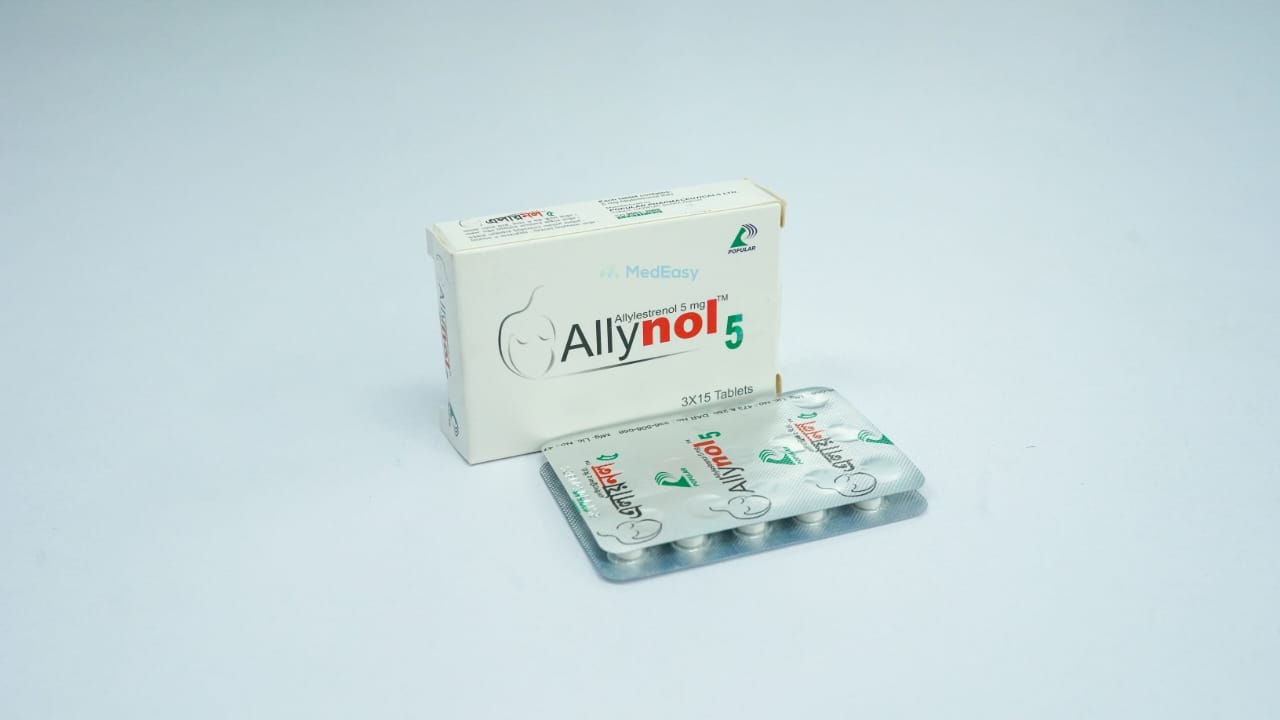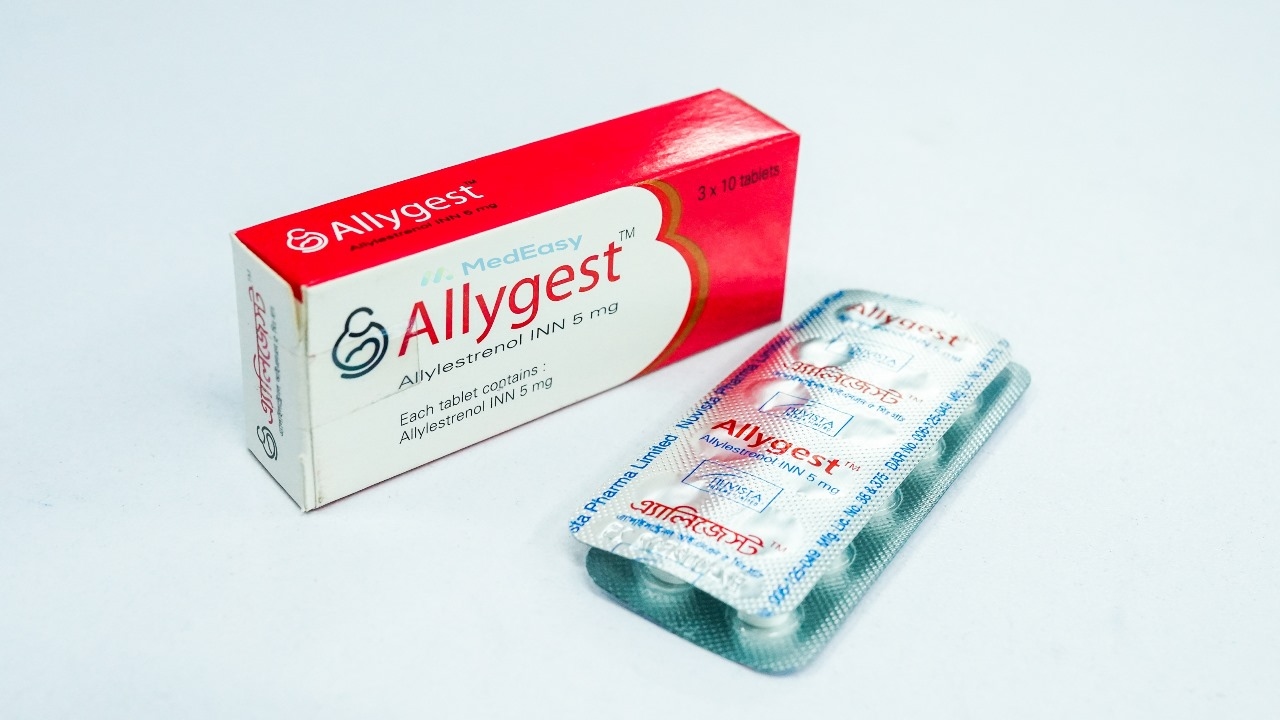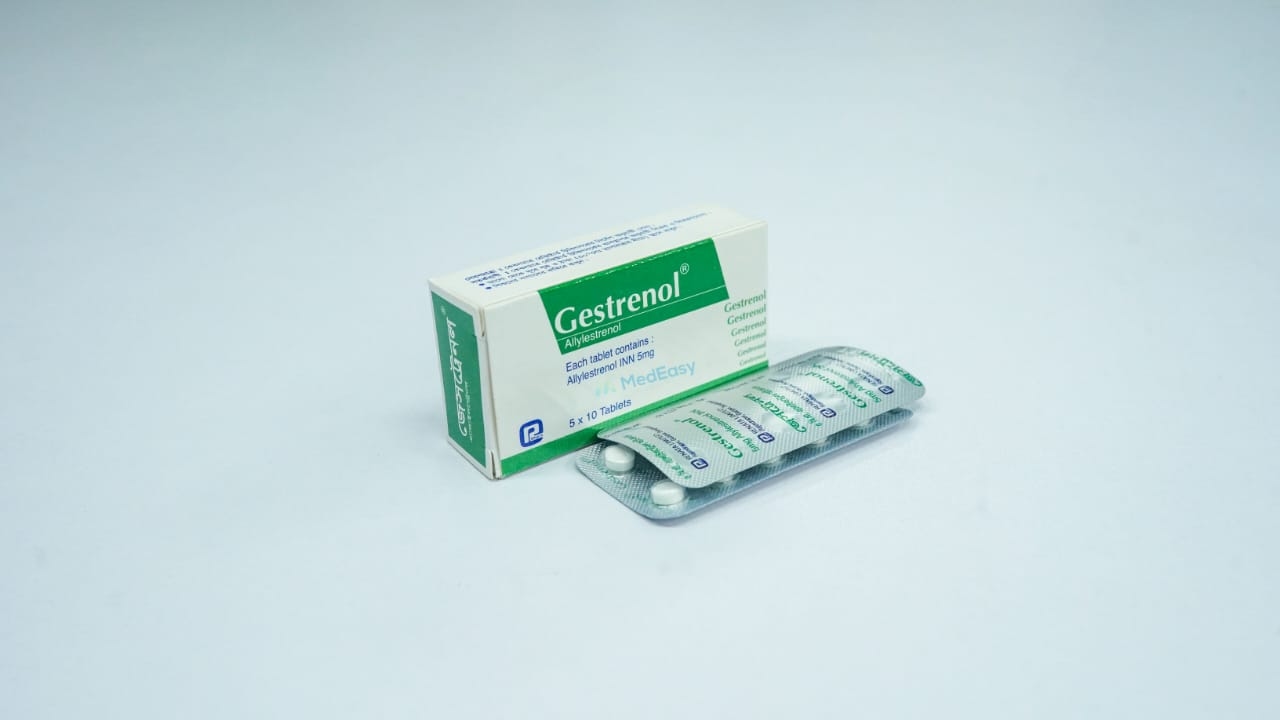
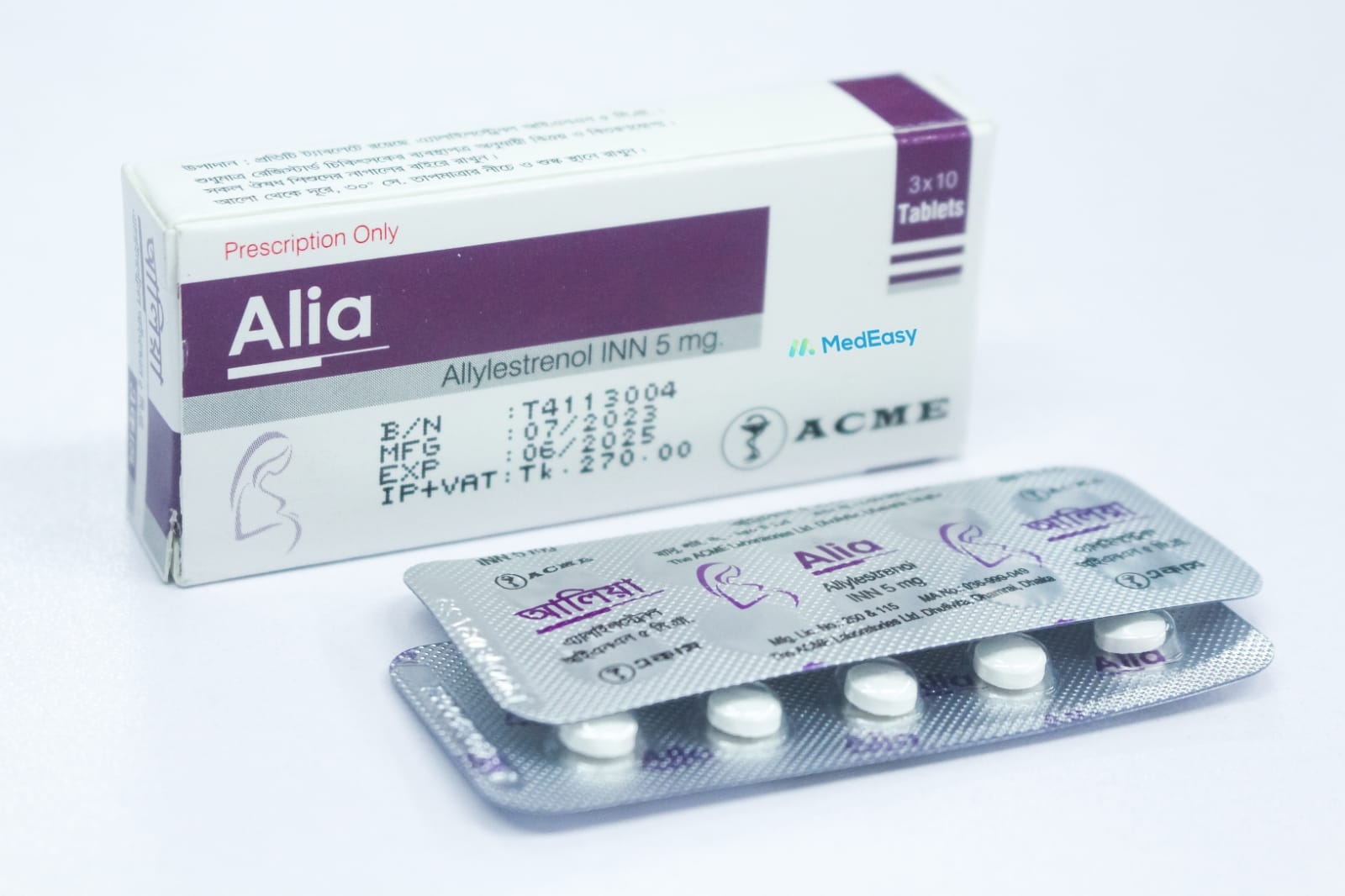
Generic medicine

Allylestrenol: Brands, Price & Uses in Bangladesh

Allylestrenol is a synthetic oral progestogen used, under medical supervision, for progestogenic support in pregnancy.

Forms:Tablet

About Allylestrenol

Indications of Allylestrenol

Allylestrenol is a synthetic oral progestogen used, under medical supervision, for progestogenic support in pregnancy. Its use should always be guided and monitored by a physician.

Established / Labeled Use

  • Threatened miscarriage: Allylestrenol is used as supportive therapy in threatened miscarriage (bleeding or symptoms suggesting risk of pregnancy loss in early pregnancy), particularly where progesterone deficiency is suspected.
  • Habitual (recurrent) miscarriage: Allylestrenol is used for prevention of recurrent pregnancy loss attributed to progesterone deficiency, as part of an overall management plan.

Evidence Note

The strength of evidence supporting Allylestrenol for these pregnancy indications varies across regulatory bodies and clinical guidelines, and some systematic reviews have found limited or inconsistent benefit in unselected patients with recurrent miscarriage. Allylestrenol remains a labeled and commonly prescribed option in several markets, including Bangladesh, but should be used only after a physician has assessed the likelihood of progesterone deficiency and confirmed there is no other explanation for pregnancy loss.

Dosage & Administration of Allylestrenol

Dosage

IndicationTypical Adult Dose
Threatened miscarriage5 mg two to three times daily (15-30 mg/day), continued until symptoms resolve, then often tapered/continued through the period of risk as advised by the physician.
Habitual (recurrent) miscarriage5 mg two to three times daily (15-30 mg/day), typically started as early as possible once pregnancy is confirmed and continued through the period of previous pregnancy loss (often up to around 20-28 weeks), as directed by the physician.

Exact dose and duration must be individualized by the treating physician based on clinical response and gestational age.

Administration

Allylestrenol tablets are taken orally, with or without food, at evenly spaced intervals as prescribed. Tablets should be swallowed whole with water. Do not stop or alter the dose without consulting the prescribing physician, since abrupt discontinuation during an ongoing pregnancy-support course is not recommended without medical advice.

Side Effects of Allylestrenol

Allylestrenol is generally well tolerated at labeled doses. Reported side effects are usually mild and may include:

  • Mild gastrointestinal upset (nausea, bloating)
  • Breast tenderness
  • Mild fluid retention (progestogenic effect)
  • Headache or dizziness (uncommon)
  • Skin rash (rare, may indicate hypersensitivity — see Contraindications)

Serious hormone-related side effects such as androgenic or estrogenic effects are not typically seen with Allylestrenol due to its favorable receptor selectivity. Report any severe or persistent symptoms to the prescribing physician promptly.

Contraindications of Allylestrenol

Allylestrenol is contraindicated in patients with:

  • Known hypersensitivity to Allylestrenol or any component of the formulation.
  • Known or suspected hormone-dependent malignancy, such as breast cancer or other progestogen-sensitive cancers.
  • Active or history of thromboembolic disease (e.g., deep vein thrombosis, pulmonary embolism) where progestogen use is not considered safe.
  • Severe hepatic impairment or active severe liver disease.

Frequently Asked Questions about Allylestrenol

Is Allylestrenol safe to take during pregnancy?

Allylestrenol is specifically indicated, under a physician's supervision, for use during pregnancy in cases of threatened or habitual miscarriage related to progesterone deficiency. It should only be taken after a doctor has evaluated the pregnancy and confirmed it is appropriate, with regular monitoring throughout treatment.

What is Allylestrenol used for?

Allylestrenol is used to support pregnancy in women with threatened miscarriage (bleeding or symptoms suggesting risk of pregnancy loss) and to help prevent habitual (recurrent) miscarriage caused by progesterone deficiency, always under medical supervision.

How should I take Allylestrenol?

Allylestrenol is usually taken by mouth, 5 mg two to three times a day, as prescribed by your physician, with or without food. Do not change the dose or stop treatment without consulting your doctor.

What are the side effects of Allylestrenol?

Allylestrenol is generally well tolerated. Some patients may experience mild nausea, bloating, breast tenderness, or mild fluid retention. Serious side effects are uncommon. Contact your physician if you experience severe or persistent symptoms.

Who should not take Allylestrenol?

Allylestrenol should not be used by people with known hypersensitivity to it, those with hormone-dependent cancers such as breast cancer, those with active blood clotting disorders, or those with severe liver disease. Discuss your full medical history with your physician before starting treatment.

What should I do if I miss a dose or take too much Allylestrenol?

If you miss a dose of Allylestrenol, take it as soon as you remember unless it is nearly time for the next dose — do not double up. If you suspect you have taken too much Allylestrenol, seek immediate medical attention or contact a poison control center right away.

Disclaimer

The information provided is accurate to the best of our knowledge, but it does not replace professional medical advice. We cannot guarantee its completeness or accuracy, and the absence of specific information about a drug should not be taken as an endorsement. We are not responsible for any consequences arising from this information, so please consult a healthcare professional for any concerns or questions.

DoctorBlogArticles