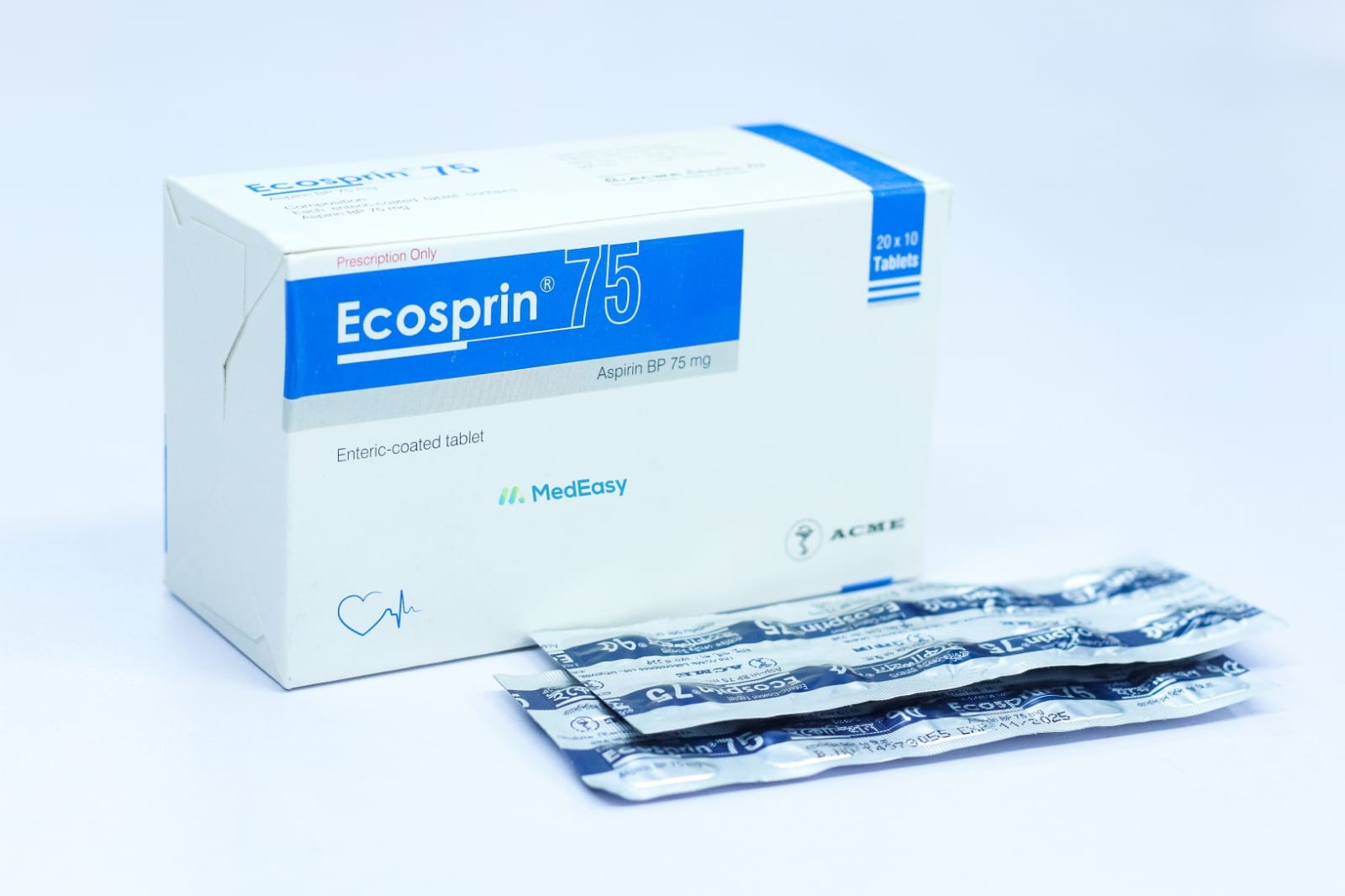
Generic medicine

Aspirin: Brands, Price & Uses in Bangladesh

Aspirin (acetylsalicylic acid) is a salicylate used for two clinically distinct purposes: analgesic/anti-inflammatory use at regular doses, and antiplatelet/cardioprotective use at low doses.

Forms:Tablet

About Aspirin

Indications of Aspirin

Aspirin (acetylsalicylic acid) is a salicylate used for two clinically distinct purposes: analgesic/anti-inflammatory use at regular doses, and antiplatelet/cardioprotective use at low doses. Indications are classified below by strength of evidence.

Established / FDA-approved uses

  • Analgesic and antipyretic: relief of mild-to-moderate pain (headache, muscle ache, dental pain, dysmenorrhea) and reduction of fever.
  • Anti-inflammatory: relief of pain and inflammation associated with rheumatoid arthritis, osteoarthritis, and other inflammatory joint conditions (higher doses; largely superseded by other NSAIDs due to gastrointestinal toxicity at these doses).
  • Cardioprotective (low-dose) antiplatelet use: secondary prevention of myocardial infarction and ischemic stroke/transient ischemic attack in patients with established cardiovascular or cerebrovascular disease; management of acute myocardial infarction and unstable angina; use after certain revascularization procedures (e.g., coronary artery bypass grafting, percutaneous coronary intervention/stenting), as directed by a physician.

Guideline-supported adjunct / specific-population uses

  • Kawasaki disease: used in combination with intravenous immunoglobulin, initially at high anti-inflammatory doses followed by low antiplatelet doses, under specialist/hospital supervision.
  • Prevention of pre-eclampsia in high-risk pregnancy: low-dose Aspirin (about 81 mg once daily) is recommended by obstetric guidelines for women at high risk of pre-eclampsia, initiated in the first/early second trimester and continued under physician supervision; this is a guideline-supported adjunct use rather than a primary analgesic indication.

Off-label use

  • Primary prevention of cardiovascular disease in selected adults, individualized by a physician based on cardiovascular risk versus bleeding risk (no longer routinely recommended for most low-risk adults).

Dosage & Administration of Aspirin

Dosing of Aspirin varies substantially by indication and must be individualized by a physician. Representative regimens are summarized below; enteric-coated or buffered formulations may be preferred to reduce gastrointestinal irritation for chronic use.

IndicationTypical adult doseNotes
Pain / fever (analgesic-antipyretic)325-650 mg orally every 4-6 hours as neededDo not exceed 4 g/day; use lowest effective dose for shortest duration
Anti-inflammatory (e.g., rheumatoid arthritis)Up to 4-8 g/day in divided dosesPhysician-supervised; higher gastrointestinal bleeding risk at these doses
Suspected acute myocardial infarction162-325 mg chewed and swallowed as soon as possibleEmergency use; seek immediate medical care
Secondary prevention of MI/stroke (cardioprotective)75-100 mg once daily (commonly 81 mg)Long-term, physician-prescribed; do not stop abruptly without medical advice
Pre-eclampsia prevention (high-risk pregnancy)81 mg once daily, started in the first/early second trimesterOnly under physician/obstetric supervision; continued until delivery
Kawasaki disease (pediatric, specialist-supervised)High anti-inflammatory dose initially, then low antiplatelet doseHospital/specialist protocol only; exact regimen individualized

See Use in Special Populations for renal/hepatic and elderly considerations, and Contraindications for the pediatric viral-illness restriction.

Side Effects of Aspirin

Common

  • Dyspepsia, heartburn, nausea, or stomach discomfort
  • Mild gastrointestinal irritation

Serious (require prompt medical attention)

  • Gastrointestinal bleeding or ulceration, which can occur without warning symptoms, especially at higher analgesic doses (see Precautions and Warnings)
  • Hypersensitivity reactions, including bronchospasm, wheezing, or urticaria (aspirin-exacerbated respiratory disease)
  • Tinnitus (ringing in the ears) or hearing loss, typically signs of salicylate accumulation at higher doses
  • Easy bruising or increased bleeding tendency
  • Reye's syndrome in children/teenagers with a viral illness (see Contraindications)

Contraindications of Aspirin

Aspirin is contraindicated in the following situations:

  • Known hypersensitivity to Aspirin, other salicylates, or other NSAIDs, including a history of aspirin-exacerbated respiratory disease (asthma, nasal polyps, and bronchospasm/urticaria triggered by Aspirin or other NSAIDs).
  • Active peptic ulcer disease or active gastrointestinal bleeding.
  • Known bleeding disorders (e.g., hemophilia, severe thrombocytopenia).
  • Children and teenagers with, or recovering from, chickenpox or influenza-like viral illness, because of the risk of Reye's syndrome (see Precautions and Warnings).
  • Third trimester of pregnancy at analgesic/anti-inflammatory doses, due to the risk of premature closure of the fetal ductus arteriosus (see Pregnancy and Lactation).

Frequently Asked Questions about Aspirin

Can I give Aspirin to my child for fever?

No, in most cases. Aspirin should not be given to children or teenagers, especially during or after chickenpox or flu-like illness, because of the risk of Reye's syndrome, a rare but life-threatening condition affecting the liver and brain. Paracetamol or ibuprofen are generally preferred for childhood fever. Aspirin is used in children only for specific conditions like Kawasaki disease, under a specialist's direct supervision.

Why does Aspirin cause stomach bleeding, and how would I know?

Aspirin blocks protective prostaglandins in the stomach lining, which can lead to irritation, ulcers, and gastrointestinal bleeding. This risk increases with higher doses, longer use, older age, and combination with alcohol, steroids, or other NSAIDs. Importantly, Aspirin-related gastrointestinal bleeding can occur without any warning symptoms, so report black or tarry stools, vomiting blood, unusual bruising, or persistent stomach pain to a physician immediately.

Is it safe to take low-dose Aspirin every day for my heart?

Low-dose Aspirin (typically 75-100 mg daily) is commonly prescribed long-term for secondary prevention of heart attack or stroke in people with established cardiovascular disease, under a physician's supervision. It should not be started on your own for general prevention without medical advice, since it carries a bleeding risk that must be weighed against cardiovascular benefit, and should not be stopped abruptly once prescribed without consulting your physician.

Can I take Aspirin during pregnancy?

Aspirin should be used in pregnancy only if clearly needed and only if your physician determines the potential benefit justifies the potential risk, and it must be avoided in the third trimester at regular/analgesic doses because it can cause premature closure of a blood vessel in the fetal heart (the ductus arteriosus) and increase bleeding risk around delivery. The exception is low-dose Aspirin, which some physicians prescribe specifically to prevent pre-eclampsia in high-risk pregnancies - but only under direct medical supervision, never self-prescribed.

What should I do if I think someone has taken too much Aspirin?

Aspirin overdose (salicylate toxicity) is a medical emergency. Warning signs include ringing in the ears, rapid breathing, nausea, vomiting, confusion, or high fever. Seek immediate medical attention or contact emergency services/a poison control center right away - do not wait for symptoms to worsen and do not attempt home treatment.

Can I take Aspirin together with ibuprofen or blood thinners?

Combining Aspirin with other NSAIDs (like ibuprofen), anticoagulants (like warfarin), or other antiplatelet medicines significantly increases the risk of bleeding, including gastrointestinal and intracranial bleeding. Ibuprofen taken before low-dose Aspirin can also blunt its heart-protective antiplatelet effect. Always tell your physician or pharmacist about all medicines you take before combining them with Aspirin.

Disclaimer

The information provided is accurate to the best of our knowledge, but it does not replace professional medical advice. We cannot guarantee its completeness or accuracy, and the absence of specific information about a drug should not be taken as an endorsement. We are not responsible for any consequences arising from this information, so please consult a healthcare professional for any concerns or questions.
DoctorBlogArticles
