10% Off
Tenocard50 mg
Aristopharma Ltd.
৳6.75
Add to cart
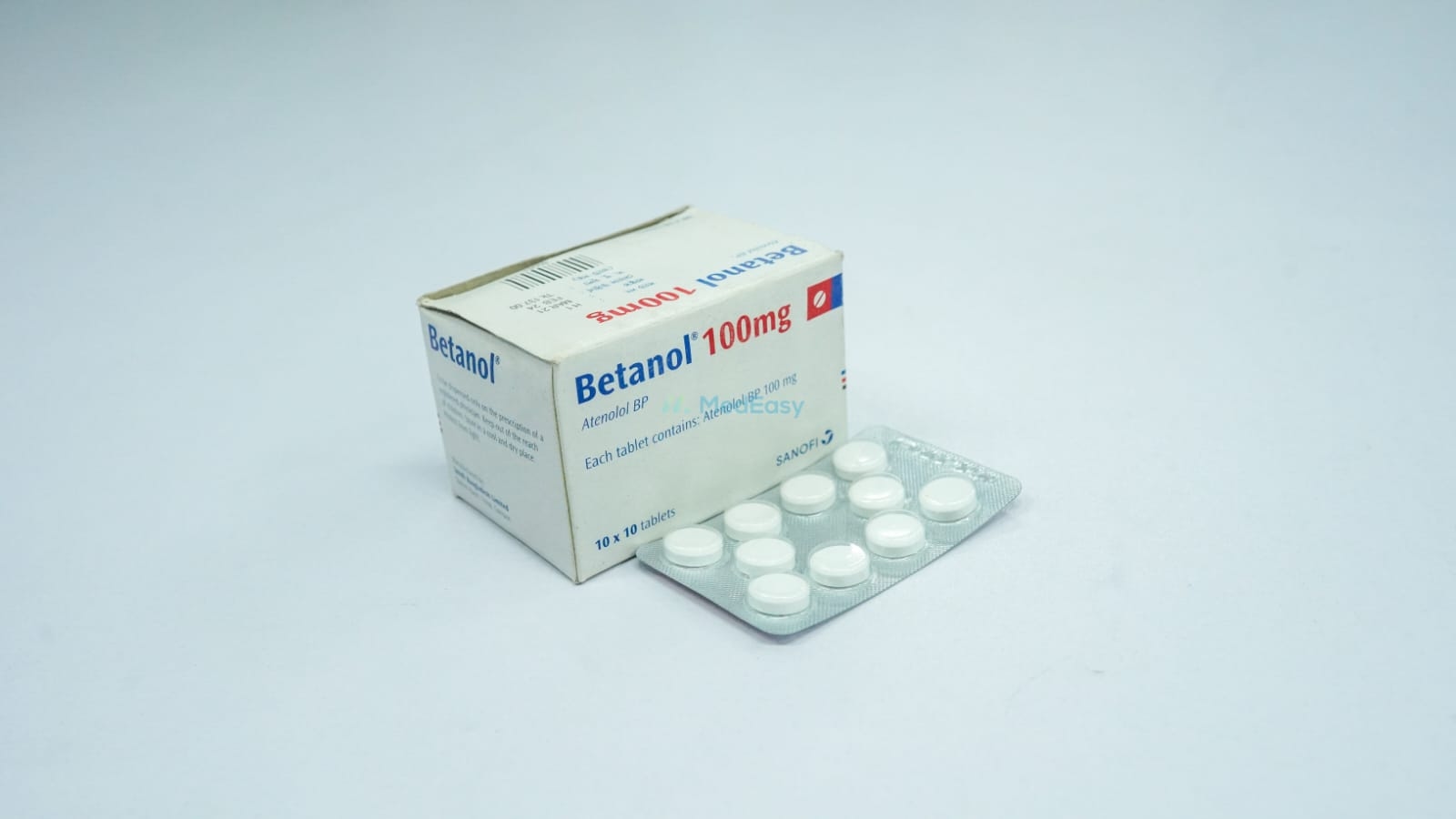
Hypertension Atenolol is indicated for the treatment of hypertension, to lower blood pressure, and may be used alone or in combination with other antihypertensive agents.
Atenolol is indicated for the treatment of hypertension, to lower blood pressure, and may be used alone or in combination with other antihypertensive agents. Current cardiology guidance (the 2017 ACC/AHA hypertension guideline) no longer lists beta-blockers such as Atenolol as preferred first-line therapy for uncomplicated hypertension; ACE inhibitors, angiotensin receptor blockers, calcium-channel blockers, and thiazide diuretics are generally preferred first. Atenolol remains guideline-supported when a patient has a compelling reason for beta-blockade (for example, a prior heart attack or certain arrhythmias) or when blood pressure is not controlled on first-line agents, and is often used as add-on/combination therapy rather than routine monotherapy.
Atenolol is indicated for the long-term management of angina pectoris (an established indication), reducing the frequency of angina episodes by lowering heart rate and myocardial oxygen demand.
Atenolol is indicated in hemodynamically stable patients with definite or suspected acute myocardial infarction, to reduce cardiovascular mortality; this is an established use but is initiated and supervised in a hospital setting.
Atenolol is sometimes used off-label by clinicians for heart-rate control in certain arrhythmias, such as atrial fibrillation, based on its beta-blocking action; this is not an FDA-approved indication and requires individualized specialist assessment.
The dose and duration of Atenolol are determined by a qualified healthcare professional based on the indication being treated, the patient's response, kidney function, and other individual factors; the regimen for Atenolol is not the same for every condition or every patient. The table below outlines typical indication-specific dosing of Atenolol for reference and does not replace a doctor's prescription.
Bradycardia (slow heart rate), cold hands or feet, fatigue or tiredness, dizziness or lightheadedness, low blood pressure, and gastrointestinal symptoms such as nausea or diarrhea have been reported with Atenolol. Some patients report low mood or vivid dreams while taking Atenolol.
Seek prompt medical attention if any of the following occur while taking Atenolol: very slow or irregular heartbeat, fainting, severe dizziness, signs of worsening heart failure (increasing shortness of breath, swelling of the ankles/legs, sudden weight gain), wheezing or difficulty breathing (especially in people with asthma or COPD), or signs of an allergic reaction (rash, swelling of the face/throat, severe itching). Do not stop Atenolol abruptly to manage side effects — contact a doctor first (see Precautions and Warnings).
Atenolol is contraindicated in patients with:
Disclaimer
The information provided is accurate to the best of our knowledge, but it does not replace professional medical advice. We cannot guarantee its completeness or accuracy, and the absence of specific information about a drug should not be taken as an endorsement. We are not responsible for any consequences arising from this information, so please consult a healthcare professional for any concerns or questions.