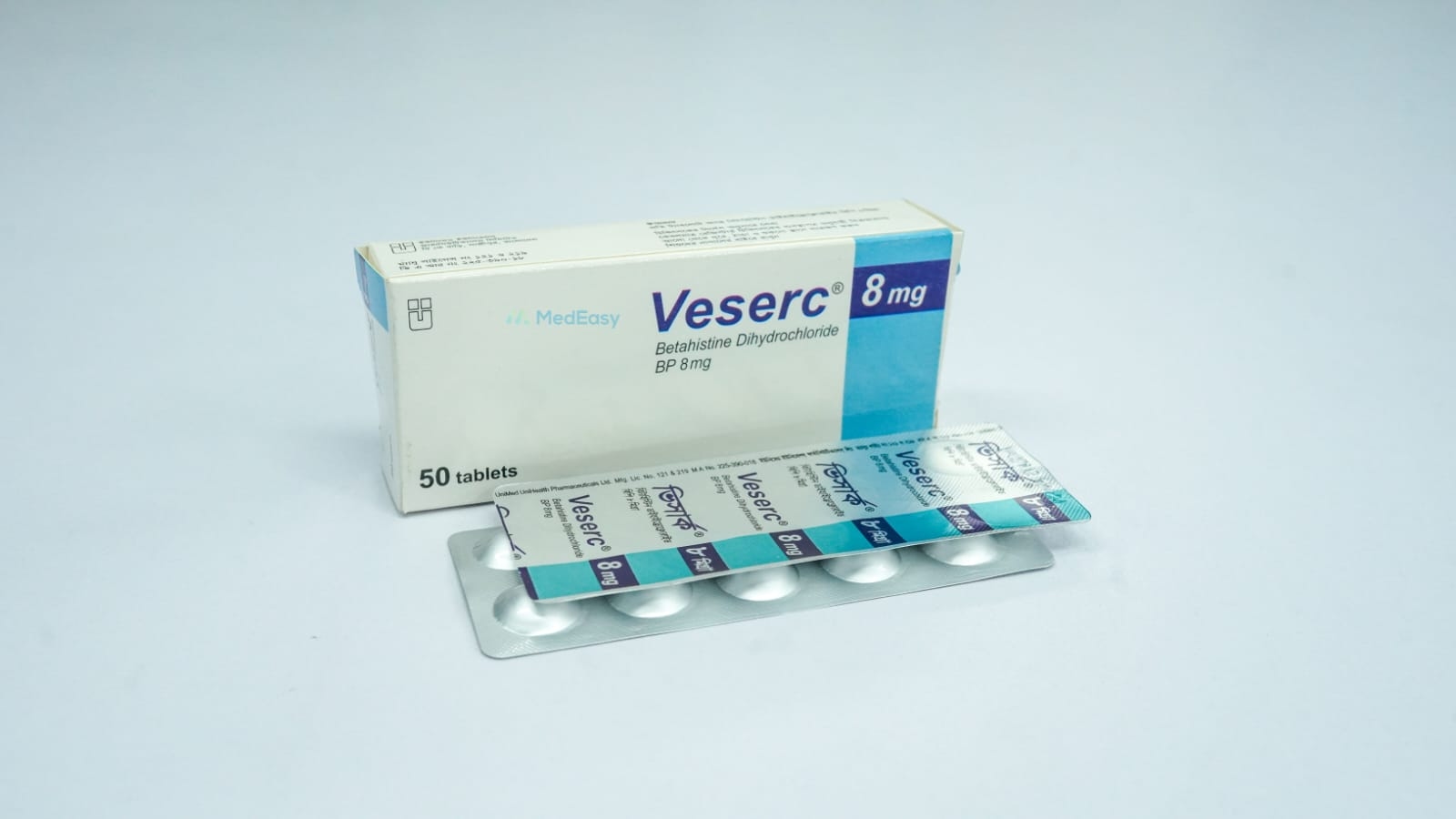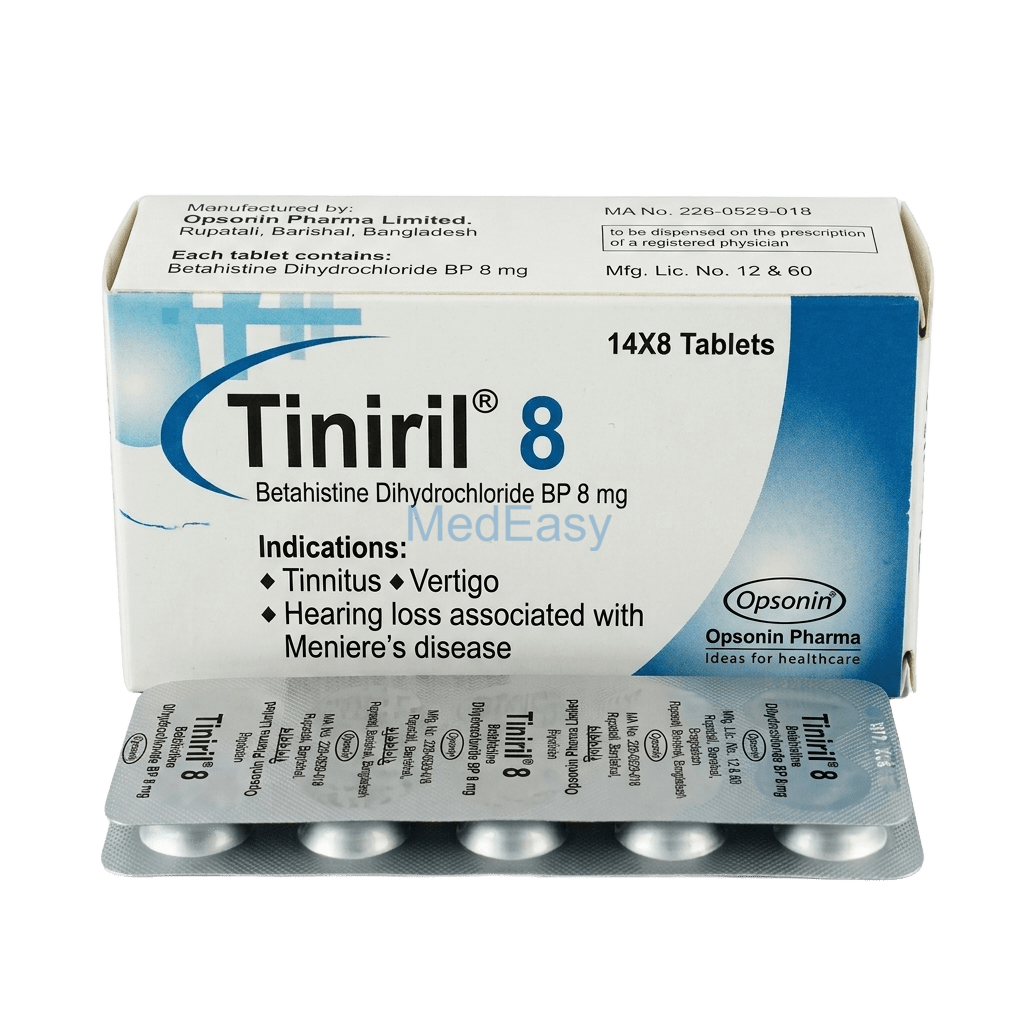
Generic medicine

Betahistine Dihydrochloride: Brands, Price & Uses in Bangladesh

Betahistine Dihydrochloride is indicated for the symptomatic treatment of the following conditions: Established/Approved Uses Meniere's disease: Reduces the frequency and severity of vertigo…

Forms:Tablet

About Betahistine Dihydrochloride

Indications of Betahistine Dihydrochloride

Betahistine Dihydrochloride is indicated for the symptomatic treatment of the following conditions:

Established/Approved Uses

  • Meniere's disease: Reduces the frequency and severity of vertigo (dizziness) attacks, and helps relieve associated tinnitus (ringing in the ears) and hearing loss/fullness in the ear caused by Meniere's disease.
  • Vestibular vertigo: Symptomatic relief of vertigo of vestibular origin (dizziness arising from inner-ear/balance system disorders of various causes).

Important Note on Use

Betahistine Dihydrochloride is intended for long-term, regular use to reduce the frequency and intensity of vertigo episodes over time. It is not effective for treating an acute vertigo attack that is already in progress, and patients should be counselled accordingly to set realistic expectations.

Dosage & Administration of Betahistine Dihydrochloride

Adults (including elderly patients)

IndicationRecommended Dose
Meniere's disease / vestibular vertigoUsual starting dose: 8-16 mg three times daily, taken with food. Maintenance dose typically ranges from 24-48 mg per day in divided doses, adjusted according to individual response. Some patients may benefit from a higher initial dose which can be reduced during maintenance therapy.

Pediatric Use

Use of Betahistine Dihydrochloride in children and adolescents under 18 years is not recommended, as safety and efficacy have not been established in this age group. See Use in Special Populations.

Renal/Hepatic Impairment

No specific dose adjustment has been established for patients with renal or hepatic impairment based on available clinical experience; however, such patients should be monitored and use should be guided by a physician.

Administration Instructions

Betahistine Dihydrochloride tablets should be taken with food to minimize the risk of gastrointestinal discomfort. Treatment response should be reviewed periodically by the prescribing physician, and the benefit of continued treatment should be reassessed if no improvement is observed within a few months.

Side Effects of Betahistine Dihydrochloride

Betahistine Dihydrochloride is generally well tolerated. Reported side effects include:

Common

  • Nausea
  • Dyspepsia (indigestion/upset stomach)
  • Headache

Uncommon/Rare

  • Hypersensitivity reactions (including skin rash, pruritus, urticaria, and rarely angioedema)
  • Mild gastrointestinal discomfort such as bloating or abdominal pain

Most gastrointestinal side effects can be reduced by taking Betahistine Dihydrochloride with food. Patients should seek medical attention if they experience signs of a severe allergic reaction (e.g., swelling of the face/throat, difficulty breathing).

Contraindications of Betahistine Dihydrochloride

Betahistine Dihydrochloride is contraindicated in the following conditions:

  • Known hypersensitivity to betahistine dihydrochloride or to any of the excipients in the formulation.
  • Pheochromocytoma (a catecholamine-secreting tumor of the adrenal gland), as Betahistine Dihydrochloride can theoretically stimulate the release of catecholamines from such tumors.

Frequently Asked Questions about Betahistine Dihydrochloride

What is Betahistine Dihydrochloride used for?

Betahistine Dihydrochloride is used to reduce the frequency and severity of vertigo (dizziness) attacks and to relieve tinnitus (ringing in the ears) and hearing loss/fullness associated with Meniere's disease. It is also used for symptomatic relief of vertigo caused by inner-ear balance disorders.

Will Betahistine Dihydrochloride stop my vertigo attack immediately?

No. Betahistine Dihydrochloride is meant to be taken regularly over time to reduce how often and how severely vertigo attacks occur; it is not effective for treating a vertigo attack that is already happening.

How should I take Betahistine Dihydrochloride?

Betahistine Dihydrochloride is usually taken as 8-16 mg three times daily with food, though your physician may adjust this based on your response, up to a typical maintenance dose of 24-48 mg per day. Always follow your doctor's specific instructions.

Can I take Betahistine Dihydrochloride if I have a history of stomach ulcers?

Betahistine Dihydrochloride should be used with caution in patients with current or past peptic ulcer disease, as it may theoretically aggravate stomach acid-related symptoms. Inform your physician of any history of ulcers so they can monitor you appropriately.

Is Betahistine Dihydrochloride safe during pregnancy or breastfeeding?

Data on the use of Betahistine Dihydrochloride during pregnancy is limited, so it should only be used if clearly needed and if the benefit outweighs potential risk to the baby, under a physician's guidance. It is also not known whether it passes into breast milk, so breastfeeding mothers should consult their physician before use.

What are the common side effects of Betahistine Dihydrochloride?

The most common side effects of Betahistine Dihydrochloride are mild nausea, indigestion (dyspepsia), and headache. These can often be reduced by taking the medicine with food. Rare side effects include allergic skin reactions; seek medical help if you notice swelling of the face or throat or difficulty breathing.

Disclaimer

The information provided is accurate to the best of our knowledge, but it does not replace professional medical advice. We cannot guarantee its completeness or accuracy, and the absence of specific information about a drug should not be taken as an endorsement. We are not responsible for any consequences arising from this information, so please consult a healthcare professional for any concerns or questions.

DoctorBlogArticles