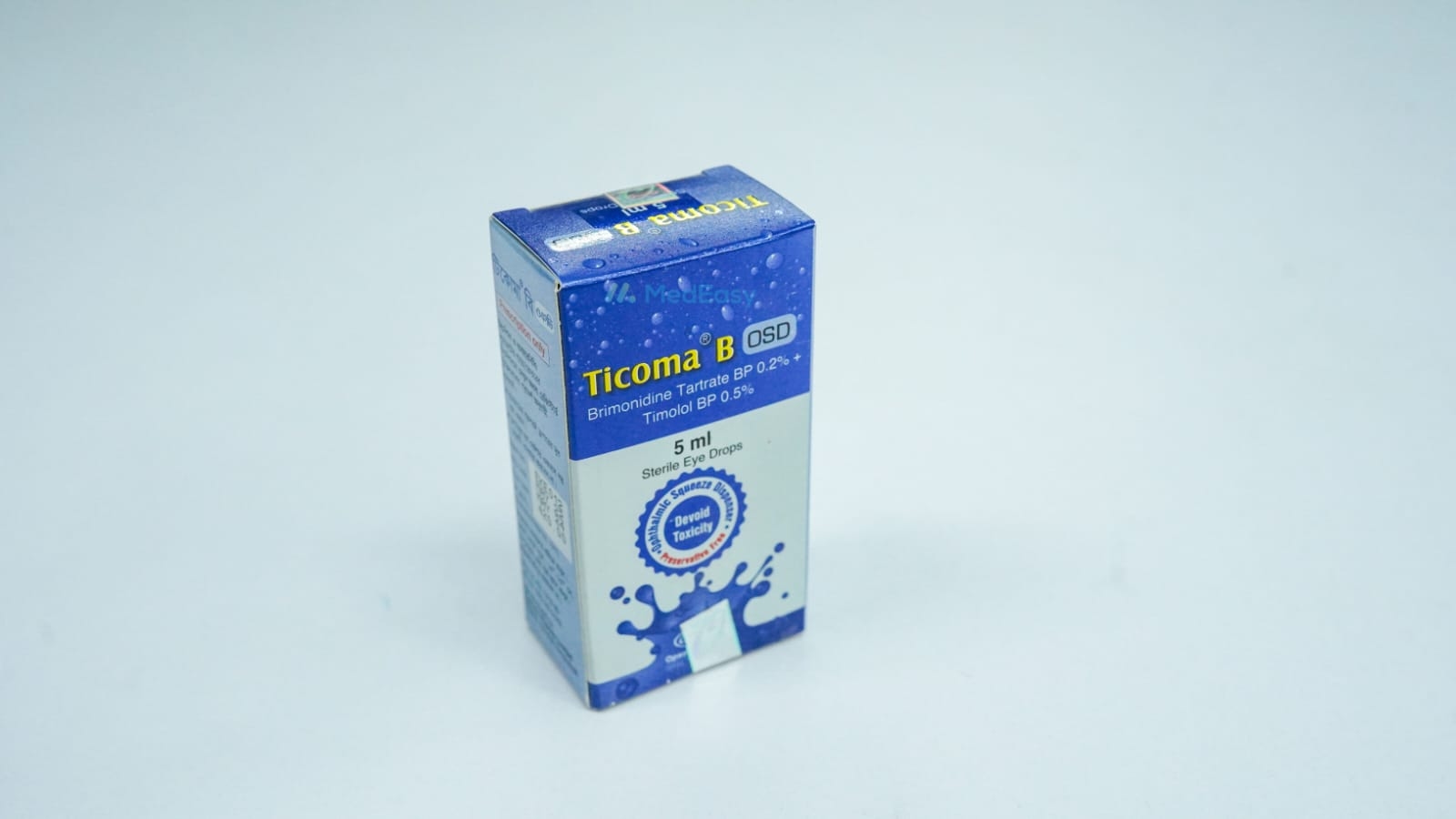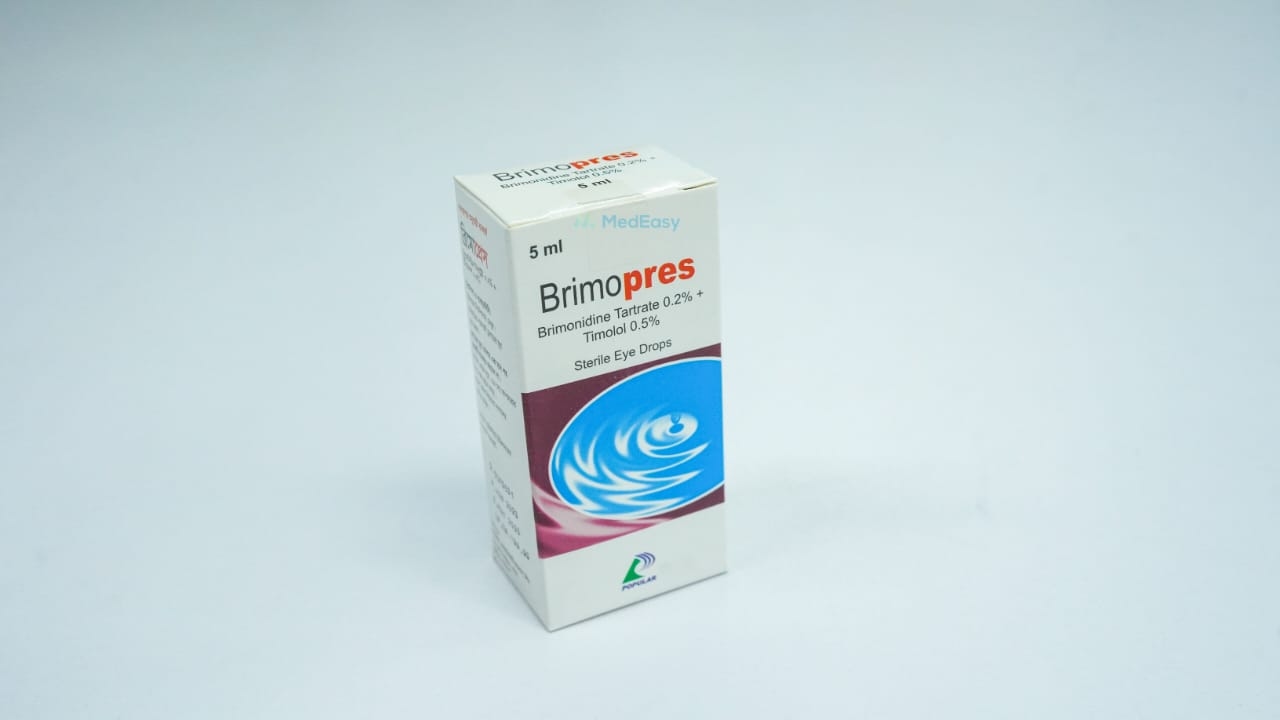
Generic medicine

Brimonidine Tartrate + Timolol Maleate: Brands, Price & Uses in Bangladesh

Brimonidine Tartrate + Timolol Maleate ophthalmic solution is a fixed-dose combination eye drop indicated for the reduction ofelevated intraocular pressure (IOP) in patients with open-angle glaucoma…

Forms:Ophthalmic SolutionSolution

About Brimonidine Tartrate + Timolol Maleate

Indications of Brimonidine Tartrate + Timolol Maleate

Brimonidine Tartrate + Timolol Maleate ophthalmic solution is a fixed-dose combination eye drop indicated for the reduction ofelevated intraocular pressure (IOP) in patients with open-angle glaucoma or ocular hypertension.

Established / FDA-approved use

  • Reduction of elevated intraocular pressure in patients with open-angle glaucoma or ocularhypertension who require adjunctive or replacement therapy because IOP is not adequatelycontrolled on a single topical agent.

Adjunct / combination-therapy use

  • Brimonidine Tartrate + Timolol Maleate is intended to be used as adjunctive therapy in patients whose intraocular pressure isinsufficiently controlled with a beta-blocker or alpha-2 agonist alone, or as a replacement forconcurrent administration of the individual components (a topical alpha-2 agonist and a topicalbeta-blocker).

Note: Brimonidine Tartrate + Timolol Maleate is not intended for use as first-line, single-agent therapy in patientswho have not previously been treated with a topical anti-glaucoma agent; it is formulated forpatients who need the combined effect of both active ingredients.

Dosage & Administration of Brimonidine Tartrate + Timolol Maleate

Adults

IndicationDoseFrequency
Open-angle glaucoma / ocular hypertension (IOP reduction)One drop in the affected eye(s)Twice daily, approximately 12 hours apart

Pediatric patients

Brimonidine Tartrate + Timolol Maleate is contraindicated in neonates and infants under 2 years of age. Use in children 2 years andolder should be individualized and closely supervised by a physician; seeUse in Special Populations for details.

Renal or hepatic impairment

Brimonidine Tartrate + Timolol Maleate has not been formally studied in patients with renal or hepatic impairment; no specificdose adjustment has been established. Use with caution and under medical supervision in suchpatients, since systemic absorption of both components occurs with topical use.

Administration technique

  • For ophthalmic (eye drop) use only; not for injection or oral use.
  • Wash hands before use and avoid letting the dropper tip touch the eye or any other surface, toprevent contamination.
  • If using other topical ophthalmic products, space administration at least 5 minutes apart fromBrimonidine Tartrate + Timolol Maleate.
  • Contact lenses should be removed before instilling Brimonidine Tartrate + Timolol Maleate and may be reinserted 15 minutes afteradministration, since the solution contains benzalkonium chloride, which can be absorbed by softcontact lenses.
  • Do not change the dose or frequency without consulting a physician.

Side Effects of Brimonidine Tartrate + Timolol Maleate

The following adverse effects have been reported with Brimonidine Tartrate + Timolol Maleate:

Common (ocular)

  • Allergic conjunctivitis, conjunctival hyperemia (redness), conjunctival follicles
  • Eye pruritus (itching), burning, and stinging on instillation
  • Eye irritation, ocular allergic reaction, and blurred vision

Less common (systemic)

  • Asthenia (weakness/fatigue), somnolence (drowsiness)
  • Headache, dizziness
  • Dry mouth
  • Blepharitis, corneal erosion
  • Depression
  • Hypertension

Serious (uncommon but clinically important)

  • Bradycardia, arrhythmia, cardiac arrest, or worsening of heart failure (timolol component;systemic beta-blocker effect)
  • Bronchospasm or dyspnea, particularly in patients with reactive airway disease
  • Hypotension
  • Syncope

In young children who have been exposed to the brimonidine component, postmarketing reportsdescribe serious CNS depression, including apnea, bradycardia, hypotension, hypothermia, coma, andrespiratory depression; see Contraindications.

Patients should seek prompt medical attention if they experience difficulty breathing, chestpain, an irregular or very slow heartbeat, fainting, or a severe allergic reaction while usingBrimonidine Tartrate + Timolol Maleate.

Contraindications of Brimonidine Tartrate + Timolol Maleate

Brimonidine Tartrate + Timolol Maleate is contraindicated in patients with any of the following:

  • Known hypersensitivity to brimonidine tartrate, timolol maleate, or any other component of theformulation.
  • Bronchial asthma, a history of bronchial asthma, or severe chronic obstructive pulmonary disease(COPD), because of the systemic beta-blocking effect of the timolol component.
  • Sinus bradycardia, second- or third-degree atrioventricular (AV) block, overt cardiac failure, orcardiogenic shock, again due to the systemic effects of the timolol component.
  • Neonates and infants (children under 2 years of age), because of a well-documented risk ofsevere central nervous system depression from the brimonidine component, including apnea,bradycardia, hypotension, hypothermia, and lethargy.

Frequently Asked Questions about Brimonidine Tartrate + Timolol Maleate

What is Brimonidine Tartrate + Timolol Maleate used for?

Brimonidine Tartrate + Timolol Maleate is an eye drop used to lower elevated pressure inside the eye (intraocular pressure) in people with open-angle glaucoma or ocular hypertension, usually when a single eye-pressure medicine has not controlled the pressure well enough on its own.

How should I use Brimonidine Tartrate + Timolol Maleate eye drops?

The usual dose of Brimonidine Tartrate + Timolol Maleate is one drop in the affected eye(s), twice daily, about 12 hours apart. Wash your hands first, avoid touching the dropper tip to your eye, and press gently at the inner corner of the eye for about a minute after each drop to reduce absorption into the body. Never change the dose or frequency without asking your doctor.

Who should not use Brimonidine Tartrate + Timolol Maleate?

Brimonidine Tartrate + Timolol Maleate should not be used by anyone with a known allergy to either ingredient, by people with asthma or severe COPD, by people with certain heart rhythm problems (such as a very slow heartbeat or high-degree heart block), overt heart failure, or cardiogenic shock, and it must not be used in newborns or infants under 2 years of age because of the risk of serious breathing and heart-related side effects in that age group.

Can Brimonidine Tartrate + Timolol Maleate be used during pregnancy or breastfeeding?

Brimonidine Tartrate + Timolol Maleate should be used in pregnancy only if a physician decides the benefit clearly outweighs the potential risk to the baby, since human safety data are limited. It is generally not recommended during breastfeeding because one of its components passes into breast milk and could affect a nursing infant; always consult your physician before use in either situation.

What are the common side effects of Brimonidine Tartrate + Timolol Maleate?

The most common side effects of Brimonidine Tartrate + Timolol Maleate are local eye reactions such as redness, itching, burning, or stinging shortly after instillation, and allergic conjunctivitis. Less commonly, it can cause tiredness, drowsiness, headache, dry mouth, or a slow heartbeat, because some of the medicine is absorbed into the bloodstream even though it is applied to the eye.

What should I do if I accidentally use too much Brimonidine Tartrate + Timolol Maleate or a child swallows it?

If an overdose of Brimonidine Tartrate + Timolol Maleate is suspected, including a child accidentally swallowing it, seek immediate medical attention or go to the nearest emergency department right away; do not wait for symptoms to appear or try to treat it at home, since it can cause serious effects on breathing and heart rate, especially in young children.

Disclaimer

The information provided is accurate to the best of our knowledge, but it does not replace professional medical advice. We cannot guarantee its completeness or accuracy, and the absence of specific information about a drug should not be taken as an endorsement. We are not responsible for any consequences arising from this information, so please consult a healthcare professional for any concerns or questions.

DoctorBlogArticles