
Generic medicine

Cefdinir: Brands, Price & Uses in Bangladesh

Respiratory Tract Infections Cefdinir is an FDA-approved, established treatment for community-acquired pneumonia of mild to moderate severity and for acute bacterial exacerbations of chronic…

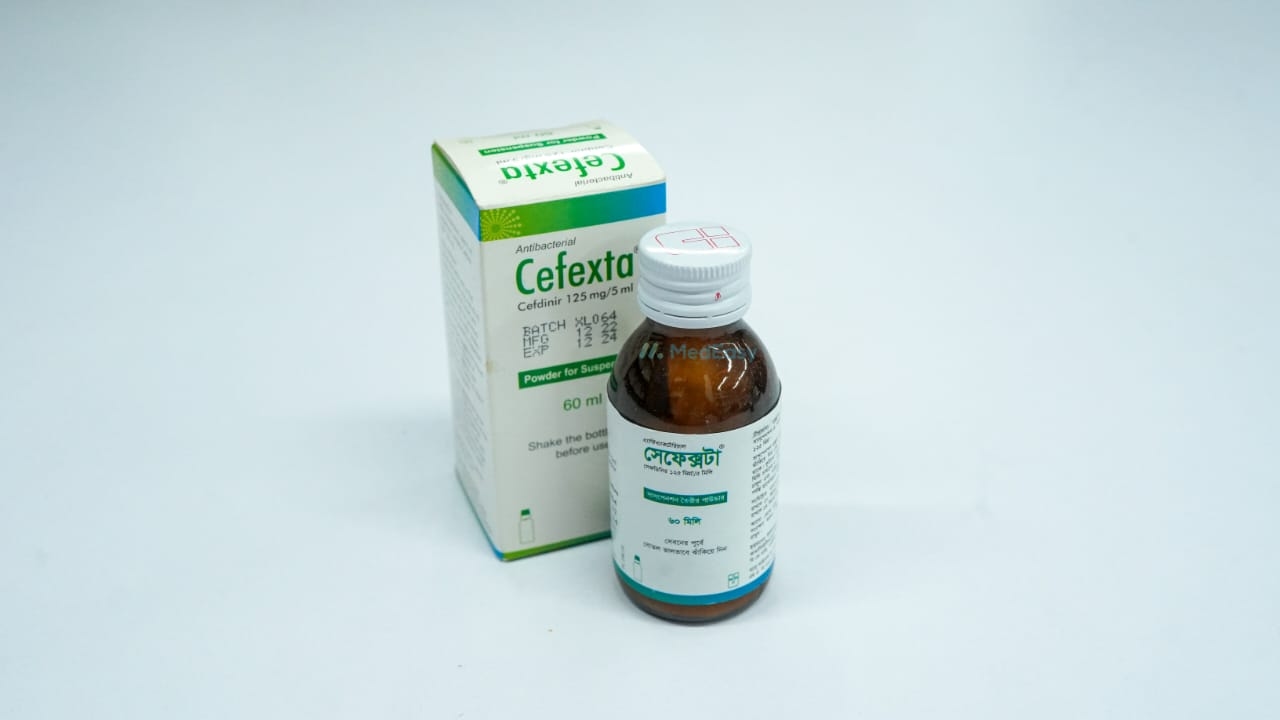
Forms:Powder for SuspensionCapsule

About Cefdinir

Indications of Cefdinir

Respiratory Tract Infections

Cefdinir is an FDA-approved, established treatment for community-acquired pneumonia of mild to moderate severity and for acute bacterial exacerbations of chronic bronchitis, caused by susceptible organisms such as Streptococcus pneumoniae, Haemophilus influenzae, Haemophilus parainfluenzae, and Moraxella catarrhalis.

Ear, Nose, and Throat Infections

Cefdinir is an established treatment for acute bacterial otitis media in pediatric patients and for acute maxillary sinusitis and pharyngitis/tonsillitis in both adults and children caused by susceptible strains of Streptococcus pyogenes (Group A beta-hemolytic streptococcus), S. pneumoniae, H. influenzae, and M. catarrhalis. For streptococcal pharyngitis/tonsillitis, Cefdinir is a guideline-supported alternative for patients who cannot use first-line penicillin therapy.

Skin and Skin Structure Infections

Cefdinir is an established treatment for uncomplicated skin and skin structure infections, such as mild to moderate cellulitis, wound infections, and abscesses, caused by susceptible strains of Staphylococcus aureus (methicillin-susceptible only) and S. pyogenes.

Penicillin-Allergic Patients

Because Cefdinir is a cephalosporin rather than a penicillin, it is sometimes used as an alternative agent for patients with a documented penicillin allergy who require treatment for one of the infections above; however, patients with a history of severe or anaphylactic penicillin allergy should generally avoid all beta-lactam antibiotics, including Cefdinir, given the possibility of cross-reactivity (see Contraindications and Precautions and Warnings).

Cefdinir is not effective against methicillin-resistant Staphylococcus aureus (MRSA), atypical respiratory pathogens such as Mycoplasma or Chlamydophila species, or viral infections, and should be reserved for infections proven or strongly suspected to be due to susceptible bacteria.

Dosage & Administration of Cefdinir

The dose, frequency, and duration of Cefdinir vary by the specific infection being treated, patient age, and kidney function, and must be determined by a qualified healthcare professional. As an antibiotic, Cefdinir must always be taken exactly as prescribed by a physician; the patient should not stop, extend, skip doses of, or share Cefdinir with others without medical advice, even if symptoms improve before the course is finished, because doing so can allow the infection to return and contributes to antibiotic resistance.

Side Effects of Cefdinir

Common Side Effects

  • Diarrhea (most common; higher rate in young children)
  • Nausea and vomiting
  • Headache
  • Abdominal pain
  • Vaginal moniliasis (yeast infection) in women
  • Skin rash, more frequent in young children and often related to diaper area
  • Reddish/rust-colored stool discoloration (harmless; not blood — see FAQ)

Serious Side Effects (Seek Medical Attention)

  • Severe, watery, or bloody diarrhea that does not improve, which may indicate Clostridioides difficile-associated colitis
  • Signs of a severe allergic reaction such as swelling of the face, lips, or throat, difficulty breathing, or hives
  • Severe skin reactions such as blistering, peeling, or widespread rash (possible Stevens-Johnson syndrome or toxic epidermal necrolysis)
  • Yellowing of the skin or eyes, dark urine, or unusual tiredness, which may indicate liver problems
  • Unusual bleeding, bruising, or persistent sore throat/fever, which may rarely indicate a blood disorder
  • Seizures (reported rarely, particularly with high doses in patients with renal impairment)

Contraindications of Cefdinir

Cefdinir is contraindicated in patients with known hypersensitivity to Cefdinir, to other cephalosporin-class antibiotics, or to any component of the formulation.

Frequently Asked Questions about Cefdinir

What is Cefdinir used for?

Cefdinir is a third-generation oral cephalosporin antibiotic used to treat bacterial infections such as community-acquired pneumonia, acute exacerbation of chronic bronchitis, sinus infections, ear infections in children, throat infections (pharyngitis/tonsillitis), and uncomplicated skin infections caused by susceptible bacteria. Cefdinir does not work against viral infections such as the common cold or flu.

What is the usual dosage of Cefdinir?

The dose of Cefdinir depends on the specific infection, the patient's age, and kidney function. Adults commonly take 300 mg twice daily or 600 mg once daily, while children are dosed by weight (7 mg/kg twice daily or 14 mg/kg once daily, up to a maximum of 600 mg/day). Only a qualified physician can determine the correct dose and duration of Cefdinir for a given patient — see the Dosage section above for indication-specific regimens.

Why are my stools reddish after taking Cefdinir?

A reddish or rust-colored stool discoloration can occur during treatment with Cefdinir, especially when it is taken together with iron supplements or iron-fortified infant formula. This is a well-recognized, harmless interaction between Cefdinir (or its breakdown products) and iron in the gut — it is not blood and does not indicate gastrointestinal bleeding. However, if the discoloration is accompanied by abdominal pain, diarrhea, or looks like true dark or bloody stool, contact a physician promptly to rule out other causes such as C. difficile colitis.

Can Cefdinir be taken if I am allergic to penicillin?

Patients with a mild penicillin allergy may sometimes be given Cefdinir under medical supervision, but there is a known possibility of cross-reactivity between penicillins and cephalosporins like Cefdinir because they share a similar chemical structure. Patients with a history of severe or immediate-type (anaphylactic) penicillin allergy should generally avoid Cefdinir and all cephalosporins unless specifically directed otherwise by a physician.

Is Cefdinir safe during pregnancy and breastfeeding?

Animal studies of Cefdinir have not shown harm to the fetus, but there are no well-controlled studies in pregnant women, so Cefdinir should be used during pregnancy only if clearly needed, with the potential benefit weighed against potential risk, under a physician's guidance. Cefdinir was not detected in breast milk after a single dose in lactating women, but caution is still advised, and a doctor should be consulted before using Cefdinir while breastfeeding.

What should I avoid while taking Cefdinir?

Avoid taking antacids containing aluminum or magnesium, or iron supplements, at the same time as Cefdinir, since these can significantly reduce its absorption; separate dosing by at least 2 hours. Always complete the full course of Cefdinir exactly as prescribed, and do not skip doses, stop early, or share Cefdinir with anyone else, even if you feel better.

Disclaimer

The information provided is accurate to the best of our knowledge, but it does not replace professional medical advice. We cannot guarantee its completeness or accuracy, and the absence of specific information about a drug should not be taken as an endorsement. We are not responsible for any consequences arising from this information, so please consult a healthcare professional for any concerns or questions.
DoctorBlogArticles