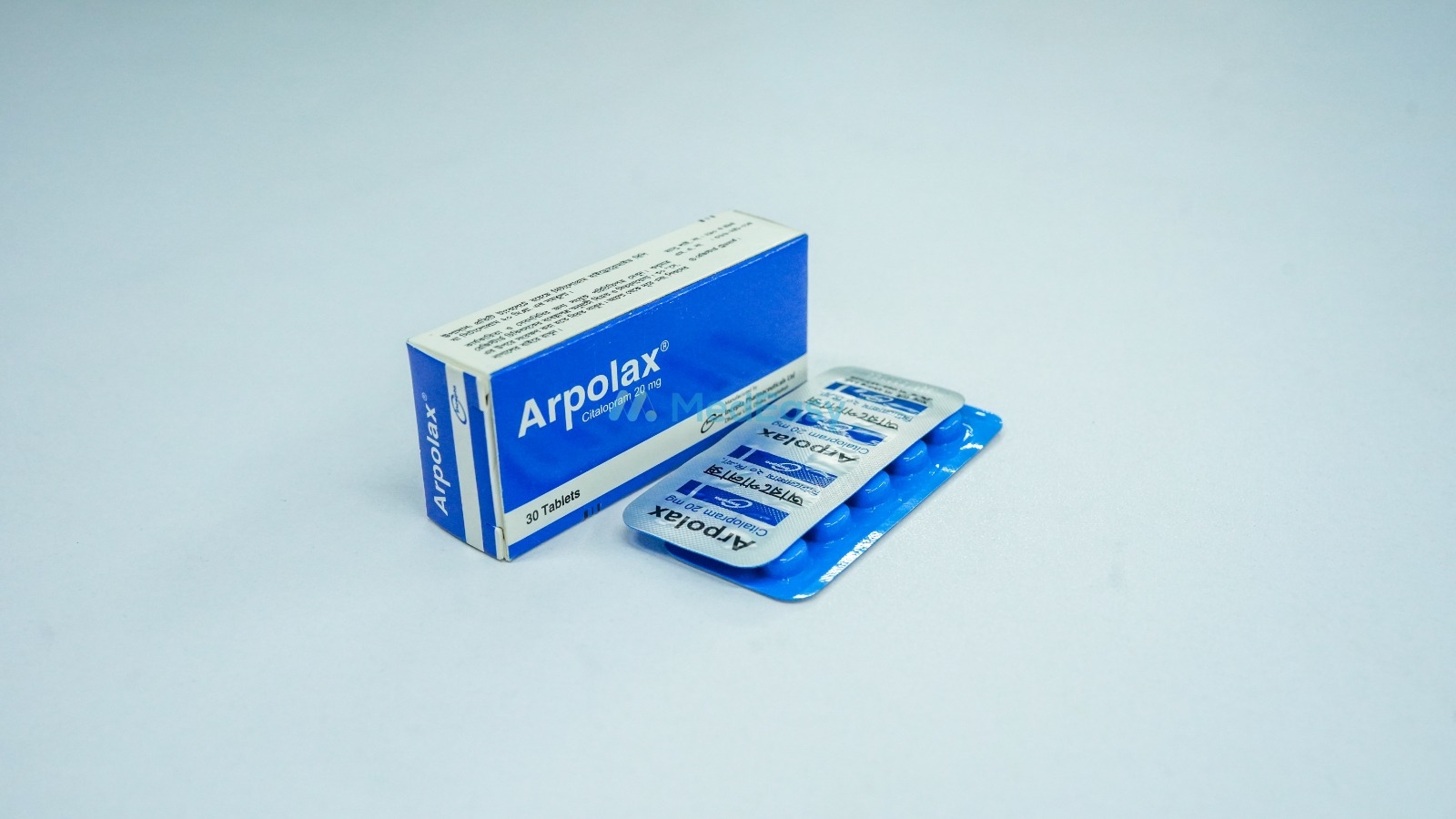
Generic medicine

Citalopram Hydrobromide: Brands, Price & Uses in Bangladesh

Established / FDA-Approved Use Major Depressive Disorder (MDD) in adults : Citalopram Hydrobromide is FDA-approved for the acute and maintenance treatment of major depressive disorder in adult…

Forms:Tablet

About Citalopram Hydrobromide

Indications of Citalopram Hydrobromide

Established / FDA-Approved Use

  • Major Depressive Disorder (MDD) in adults: Citalopram Hydrobromide is FDA-approved for the acute and maintenance treatment of major depressive disorder in adult patients.

Guideline-Supported / Commonly Used Off-Label Uses

Citalopram Hydrobromide is not FDA-approved for the indications below, but is supported by clinical evidence and commonly prescribed off-label by physicians, usually after first-line options are considered:

  • Panic disorder (with or without agoraphobia)
  • Generalized anxiety disorder (GAD)
  • Obsessive-compulsive disorder (OCD)
  • Post-traumatic stress disorder (PTSD)

Use for these off-label indications should be individualized and directed by a qualified physician.

Dosage & Administration of Citalopram Hydrobromide

Major Depressive Disorder — Adults

PopulationRecommended Dosing
Standard adultsInitiate at 20 mg once daily; may increase to a maximum of 40 mg once daily after a minimum of one week, based on response and tolerability
Patients >60 years (elderly)Maximum recommended dose is 20 mg once daily
Hepatic impairmentMaximum recommended dose is 20 mg once daily
Known CYP2C19 poor metabolizersMaximum recommended dose is 20 mg once daily
Concomitant use with a CYP2C19 inhibitor (e.g., omeprazole, esomeprazole, cimetidine, fluconazole)Maximum recommended dose is 20 mg once daily

Doses above 40 mg/day are not recommended in any population because of dose-dependent QT interval prolongation and associated risk of torsades de pointes; this is a boxed-warning-level safety concern. See Precautions and Warnings.

Off-Label Use (e.g., Panic Disorder) — Adults

When used off-label for panic disorder, a lower starting dose (e.g., 10 mg once daily) is typically used for the first week to reduce the risk of early treatment-emergent anxiety, then increased gradually as tolerated, again not exceeding the maximum doses above for the relevant population.

Renal Impairment

No dose adjustment is generally required in mild-to-moderate renal impairment; caution and lower doses are advised in severe renal impairment.

Pediatric Use

Safety and effectiveness have not been established in pediatric patients; Citalopram Hydrobromide is not recommended for use in this population outside specialist supervision. See Use in Special Populations.

Discontinuation

Citalopram Hydrobromide should not be stopped abruptly after regular use; the dose should be tapered gradually under medical supervision to reduce the risk of discontinuation symptoms. See Precautions and Warnings.

Side Effects of Citalopram Hydrobromide

Common Side Effects

SystemEffects
GastrointestinalNausea, dry mouth, diarrhea, decreased appetite
Neurological/PsychiatricSomnolence, insomnia, tremor, dizziness
OtherIncreased sweating, ejaculation disorder (delayed ejaculation), decreased libido

Serious but Less Common Side Effects

  • Serotonin syndrome (agitation, hallucinations, fever, tachycardia, muscle rigidity/twitching, loss of coordination)
  • Dose-dependent QT-interval prolongation and, rarely, torsades de pointes (see Precautions and Warnings)
  • Hyponatremia, including SIADH, particularly in elderly patients
  • Activation of mania or hypomania in patients with underlying bipolar disorder
  • Abnormal bleeding (bruising, gastrointestinal bleeding)
  • Angle-closure glaucoma
  • Increased risk of suicidal thinking and behavior, particularly in children, adolescents, and young adults under 25 (boxed warning — see Precautions and Warnings)

Contraindications of Citalopram Hydrobromide

  • Known hypersensitivity to Citalopram Hydrobromide or any component of the formulation.
  • Concomitant use with a monoamine oxidase inhibitor (MAOI), or use of an MAOI within the preceding 14 days, or initiation of an MAOI within 14 days of stopping Citalopram Hydrobromide (risk of serious, potentially fatal serotonin syndrome).
  • Concomitant use with pimozide (risk of additive QT-interval prolongation and serious cardiac arrhythmia).

Frequently Asked Questions about Citalopram Hydrobromide

What is Citalopram Hydrobromide used for?

Citalopram Hydrobromide is an SSRI antidepressant approved for treating major depressive disorder in adults. It is also used off-label by physicians for certain anxiety-related conditions such as panic disorder, generalized anxiety disorder, and obsessive-compulsive disorder.

How long does it take for Citalopram Hydrobromide to work?

Some improvement in sleep, energy, or appetite may be noticed within 1-2 weeks, but the full antidepressant effect of Citalopram Hydrobromide typically takes 4-6 weeks of consistent use at an effective dose. Do not stop taking it early just because you do not feel a difference right away — discuss your progress with your physician.

Can I stop taking Citalopram Hydrobromide suddenly?

No. Stopping Citalopram Hydrobromide abruptly can cause discontinuation symptoms such as dizziness, irritability, anxiety, and sensory disturbances. Your physician will guide you through a gradual dose taper when it is time to stop.

Is Citalopram Hydrobromide safe during pregnancy?

Citalopram Hydrobromide should be used in pregnancy only if the potential benefit clearly justifies the potential risk to the fetus. Late-pregnancy use of SSRIs like Citalopram Hydrobromide has been associated with rare but serious neonatal complications such as neonatal adaptation syndrome and persistent pulmonary hypertension of the newborn. Always consult your physician before starting, continuing, or stopping this medicine during pregnancy.

What is the maximum safe dose of Citalopram Hydrobromide?

The maximum recommended dose is 40 mg once daily for most adults, and only 20 mg once daily for elderly patients, those with hepatic impairment, and certain slow metabolizers. Doses above 40 mg/day are not recommended for anyone because of an increased risk of dangerous heart rhythm changes (QT prolongation).

Can Citalopram Hydrobromide be taken with other medicines for depression or anxiety?

Citalopram Hydrobromide must never be combined with a monoamine oxidase inhibitor (MAOI) or pimozide, and combining it with other serotonergic medicines (such as other antidepressants, triptans, or tramadol) increases the risk of serotonin syndrome. Always tell your physician about all medicines and supplements you are taking before starting Citalopram Hydrobromide.

Disclaimer

The information provided is accurate to the best of our knowledge, but it does not replace professional medical advice. We cannot guarantee its completeness or accuracy, and the absence of specific information about a drug should not be taken as an endorsement. We are not responsible for any consequences arising from this information, so please consult a healthcare professional for any concerns or questions.

DoctorBlogArticles