Generic medicine

Clindamycin [Vaginal cream/Lotion]: Brands, Price & Uses in Bangladesh

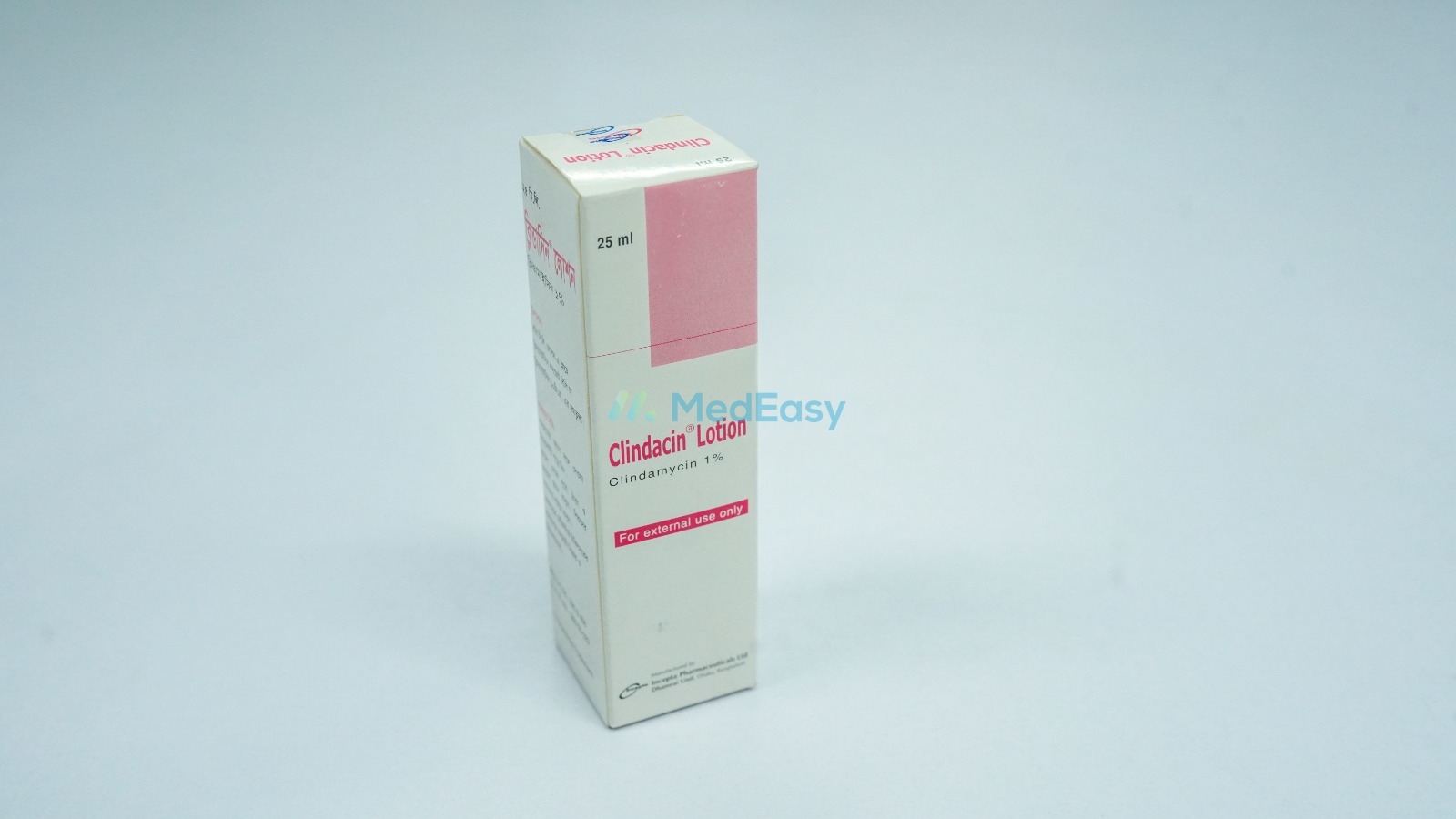
Clindamycin [Vaginal cream/Lotion] is a topical (intravaginal) antibiotic of the lincosamide class.

Forms:LotionVaginal Cream

About Clindamycin [Vaginal cream/Lotion]

Indications of Clindamycin [Vaginal cream/Lotion]

Clindamycin [Vaginal cream/Lotion] is a topical (intravaginal) antibiotic of the lincosamide class. Its established, FDA-approved indication is:

  • Bacterial vaginosis (BV): Treatment of bacterial vaginosis in non-pregnant women, caused by susceptible strains of Gardnerella vaginalis and other BV-associated anaerobic bacteria. This is the primary and best-supported use of Clindamycin [Vaginal cream/Lotion].

Guideline-supported use in specific situations: Some clinical guidelines support use of Clindamycin [Vaginal cream/Lotion] for symptomatic bacterial vaginosis in pregnant women when prescribed by a physician, although oral therapy is generally preferred, especially later in pregnancy (see Pregnancy and Lactation).

Clindamycin [Vaginal cream/Lotion] is not indicated for vaginal infections caused by Candida (yeast), Trichomonas vaginalis, Chlamydia, Neisseria gonorrhoeae, Herpes simplex, or Treponema pallidum (syphilis); these require different treatments. There is no well-established general off-label use beyond bacterial vaginosis for this formulation.

Dosage & Administration of Clindamycin [Vaginal cream/Lotion]

Clindamycin [Vaginal cream/Lotion] should be used exactly as prescribed. General guidance based on approved product labeling:

IndicationTypical Adult Dosage
Bacterial vaginosis (non-pregnant women)One applicatorful (approx. 5 g, delivering about 100 mg clindamycin phosphate) inserted intravaginally, preferably at bedtime, once daily for 3 or 7 consecutive days, depending on the specific product prescribed.
Bacterial vaginosis in pregnancy (only if specifically directed by a physician)As individually directed by the treating physician; oral therapy is often preferred, particularly in the second half of pregnancy.

How to use

  • Wash hands before use. Fill the applicator provided with the product as directed on the pack insert.
  • Insert the applicator gently into the vagina while lying on the back with knees bent, and deliver the full dose.
  • Use at bedtime where possible to reduce leakage and improve contact time.
  • Complete the full prescribed course even if symptoms improve or disappear early. Take exactly as prescribed by your physician; do not stop, extend, skip doses, or share this medicine with others without medical advice, as incomplete treatment can lead to recurrence or antibiotic resistance.
  • Avoid vaginal douching during treatment unless advised by a physician.

Side Effects of Clindamycin [Vaginal cream/Lotion]

Most side effects of Clindamycin [Vaginal cream/Lotion] are local and mild, but some systemic effects can occur due to partial vaginal absorption.

Common side effects

  • Vulvovaginal candidiasis (secondary yeast infection) — a recognized consequence of disrupting normal protective vaginal bacterial flora during antibiotic treatment; may present as itching, thick discharge, or irritation during or after the course.
  • Local vaginal or vulvar itching, burning, or irritation.
  • Increased or abnormal vaginal discharge.
  • Headache, and mild abdominal or pelvic discomfort.

Less common / serious side effects

  • Antibiotic-associated colitis (including pseudomembranous colitis): Rare with vaginal use, but can occur due to systemic absorption; report persistent watery or bloody diarrhea, severe abdominal cramping, or fever promptly.
  • Allergic/hypersensitivity reactions such as rash or localized swelling.

Contact a physician if side effects are severe, persistent, or concerning.

Contraindications of Clindamycin [Vaginal cream/Lotion]

Clindamycin [Vaginal cream/Lotion] is contraindicated in patients with:

  • Known hypersensitivity to clindamycin, lincomycin, or any component of the product formulation.
  • A history of regional enteritis (Crohn's disease), ulcerative colitis, or antibiotic-associated colitis (pseudomembranous colitis), given the class-associated risk of Clostridioides difficile-associated colitis with clindamycin exposure, even though this risk is substantially lower with the vaginal route than with oral or injectable clindamycin.

Frequently Asked Questions about Clindamycin [Vaginal cream/Lotion]

What is Clindamycin [Vaginal cream/Lotion] used for?

Clindamycin [Vaginal cream/Lotion] is used to treat bacterial vaginosis (BV), a common vaginal bacterial imbalance, in women. It works by targeting the bacteria responsible for the infection when applied inside the vagina as directed by a physician.

How do I use Clindamycin [Vaginal cream/Lotion] correctly?

Use the applicator provided to insert one full dose into the vagina, usually at bedtime, once daily for the number of days your physician prescribes (commonly 3 or 7 days). Always complete the full course, even if your symptoms improve sooner.

Can Clindamycin [Vaginal cream/Lotion] weaken condoms?

Yes. The oil-based vehicle in Clindamycin [Vaginal cream/Lotion] can weaken latex condoms and diaphragms, making them less reliable for contraception and infection protection. Use an alternative, non-latex method of protection during treatment and for several days afterward, as advised on the product label.

Can I use Clindamycin [Vaginal cream/Lotion] during pregnancy or breastfeeding?

Clindamycin [Vaginal cream/Lotion] should be used in pregnancy only if your physician determines it is clearly needed, since potential benefits must be weighed against potential risks; oral therapy is often preferred later in pregnancy. During breastfeeding, use only if your doctor considers it necessary, and watch your baby for any stomach upset. Always consult your physician before use in either situation.

What side effects should I watch for with Clindamycin [Vaginal cream/Lotion]?

Common effects include local itching, irritation, and increased discharge, as well as vaginal yeast infection (candidiasis) due to disruption of normal vaginal bacteria. Rarely, systemic absorption can cause diarrhea or, very rarely, serious antibiotic-associated colitis — seek medical attention if you develop severe or bloody diarrhea.

Who should not use Clindamycin [Vaginal cream/Lotion]?

Avoid Clindamycin [Vaginal cream/Lotion] if you are allergic to clindamycin or lincomycin, or if you have a history of regional enteritis (Crohn's disease), ulcerative colitis, or antibiotic-associated colitis. Discuss your full medical history with your physician before starting treatment.

Disclaimer

The information provided is accurate to the best of our knowledge, but it does not replace professional medical advice. We cannot guarantee its completeness or accuracy, and the absence of specific information about a drug should not be taken as an endorsement. We are not responsible for any consequences arising from this information, so please consult a healthcare professional for any concerns or questions.
DoctorBlogArticles