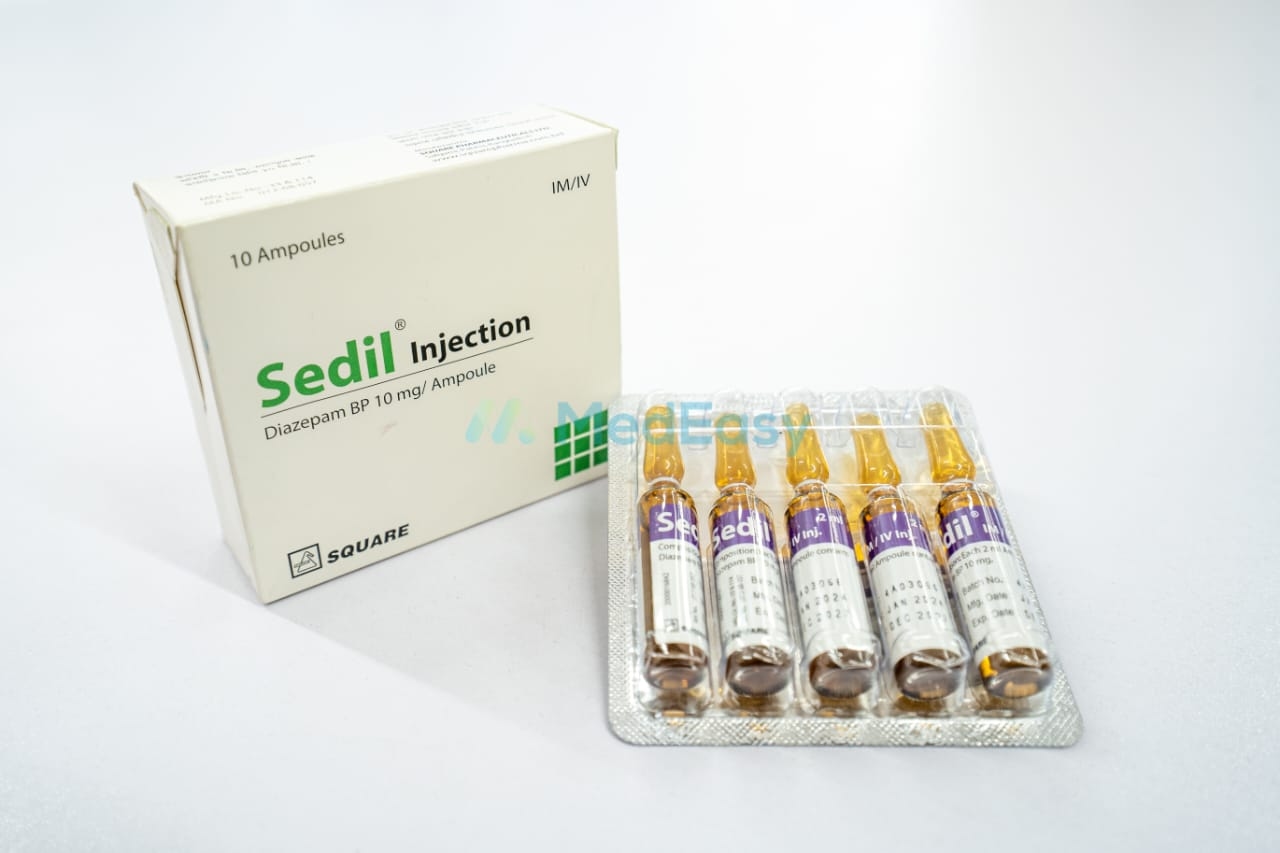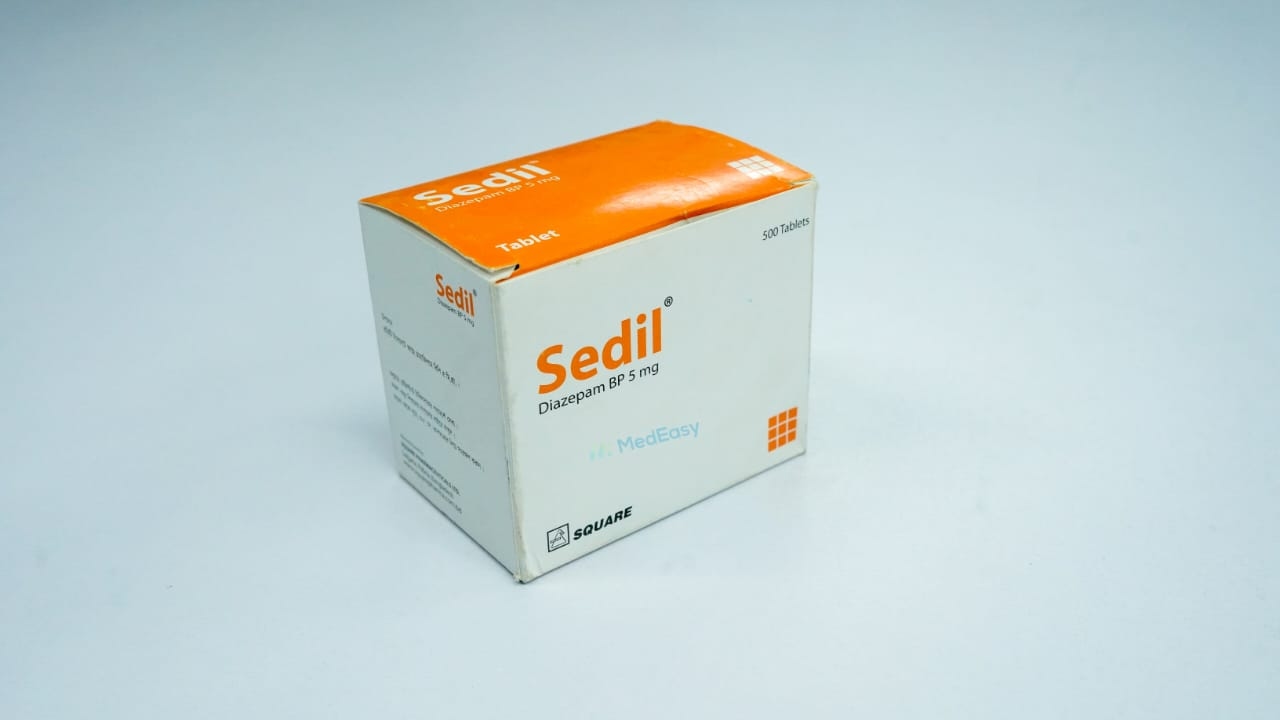
Generic medicine

Diazepam: Brands, Price & Uses in Bangladesh

Diazepam is a long-acting benzodiazepine indicated for several distinct clinical uses, which vary in the strength of supporting evidence.

Forms:TabletSuppositoryIM/IV Injection

About Diazepam

Indications of Diazepam

Diazepam is a long-acting benzodiazepine indicated for several distinct clinical uses, which vary in the strength of supporting evidence.

Established / FDA-approved uses

  • Anxiety disorders — short-term relief of symptoms of anxiety, or anxiety associated with depressive symptoms.
  • Acute alcohol withdrawal — symptomatic relief of acute agitation, tremor, impending or acute delirium tremens, and hallucinosis.
  • Skeletal muscle spasm — adjunct for relief of spasm due to local pathology (e.g. inflammation, trauma) or spasticity from upper motor neuron disorders (cerebral palsy, paraplegia), athetosis, and stiff-man syndrome.
  • Seizure disorders — adjunct therapy (not sole treatment) in convulsive disorders; intravenous Diazepam is used for status epilepticus and severe recurrent convulsive seizures.
  • Preoperative/procedural sedation — relief of anxiety and tension before surgery, endoscopic procedures, or cardioversion, and to reduce recall of the event.

Adjunct / combination-therapy uses

  • Diazepam is used together with specific antihypertensive therapy in some cardiac arrhythmia and hypertension settings requiring sedation, but only as an adjunct, never as primary treatment.

Other formulation-specific approved use

  • Rectal gel formulations of Diazepam are approved for management of selected, refractory patients with epilepsy who require intermittent use to control bouts of increased seizure activity (acute repetitive seizures), as an add-on to a stable regimen of antiepileptic drugs.

Diazepam is not approved for long-term, first-line treatment of chronic anxiety or as monotherapy for epilepsy, and should be reserved for short-term or adjunctive use given the risks of dependence.

Dosage & Administration of Diazepam

Dosage of Diazepam must be individualized for maximum therapeutic benefit, using the lowest effective dose for the shortest duration appropriate to the indication.

IndicationAdult dosePediatric dose
Anxiety2–10 mg orally, 2–4 times daily depending on severityNot recommended under 6 months of age; in older children, low doses individualized by a physician
Muscle spasm2–10 mg orally, 3–4 times dailyIndividualized; used with caution under specialist supervision
Alcohol withdrawal10 mg orally 3–4 times in first 24 hours, reduced to 5 mg 3–4 times daily as neededNot applicable
Seizures / status epilepticusIV: 5–10 mg, may repeat every 10–15 minutes up to a defined maximum under medical supervisionIV dosing is weight-based and age-restricted; rectal gel is approved from 2 years of age for acute repetitive seizures under a physician-directed protocol
Preoperative sedation10 mg IM/IV before the procedure, or 5–10 mg orally the night before/hours beforeNot routinely used; specialist-directed only

Renal/hepatic adjustment

Use with caution and at reduced doses in renal impairment. Diazepam is contraindicated in severe hepatic insufficiency, and doses should be reduced and closely monitored in mild-to-moderate hepatic impairment due to reduced clearance and metabolite accumulation.

Administration

Diazepam tablets/oral solution may be taken with or without food. Injectable Diazepam should be administered slowly by trained personnel with resuscitation equipment available, due to the risk of respiratory depression. Rectal gel is administered per the specific applicator instructions provided with the product. Do not stop Diazepam abruptly after regular use for more than a few weeks — dose must be tapered gradually under medical supervision to reduce the risk of withdrawal symptoms, including withdrawal seizures.

Side Effects of Diazepam

Common

  • Drowsiness, sedation, and fatigue
  • Ataxia and muscle weakness
  • Dizziness and light-headedness
  • Confusion, especially in elderly patients
  • Dry mouth, blurred vision

Serious (see Precautions and Warnings for full detail)

  • Respiratory depression, particularly when combined with opioids or other CNS depressants
  • Physical dependence, misuse, and withdrawal reactions with prolonged use
  • Paradoxical reactions (agitation, aggression, disinhibition), more common in children and the elderly
  • Cognitive impairment and increased fall risk in elderly patients

Contraindications of Diazepam

Diazepam is contraindicated in patients with:

  • Known hypersensitivity to Diazepam or any other benzodiazepine or component of the formulation.
  • Acute narrow-angle glaucoma.
  • Myasthenia gravis.
  • Severe respiratory insufficiency (except when required for management of mechanically ventilated patients).
  • Severe hepatic insufficiency.
  • Sleep apnea syndrome.

Frequently Asked Questions about Diazepam

What is Diazepam used for?

Diazepam is a long-acting benzodiazepine used for short-term relief of anxiety, symptomatic management of acute alcohol withdrawal, as an adjunct for skeletal muscle spasm, as an adjunct for seizure disorders (including status epilepticus), and for preoperative sedation.

Is Diazepam addictive?

Yes. Diazepam carries a risk of abuse, misuse, and addiction, and can lead to physical dependence with regular use. It should be used at the lowest effective dose for the shortest time needed, and only as prescribed by a physician.

Can I stop taking Diazepam suddenly?

No. Stopping Diazepam abruptly after regular use for more than a few weeks can cause withdrawal symptoms, including potentially life-threatening seizures. The dose must be tapered down gradually under a physician's supervision.

Can Diazepam be taken with opioid painkillers?

Diazepam should not be combined with opioid medicines unless specifically directed by a physician, because the combination can cause profound sedation, dangerously slowed breathing, coma, and death. Always tell your doctor about all medicines you are taking.

Is Diazepam safe during pregnancy or breastfeeding?

Diazepam should be used in pregnancy only if clearly needed, as it may affect the fetus, particularly if used near delivery. It also passes into breast milk and can sedate a nursing infant. Always consult a physician before using Diazepam during pregnancy or while breastfeeding.

What should I do if I miss a dose or think I've taken too much Diazepam?

If you miss a dose, take it as soon as you remember unless it is close to the next dose — do not double up. If you suspect you or someone else has taken too much Diazepam, seek immediate medical attention or contact emergency services / a poison control center right away.

Disclaimer

The information provided is accurate to the best of our knowledge, but it does not replace professional medical advice. We cannot guarantee its completeness or accuracy, and the absence of specific information about a drug should not be taken as an endorsement. We are not responsible for any consequences arising from this information, so please consult a healthcare professional for any concerns or questions.
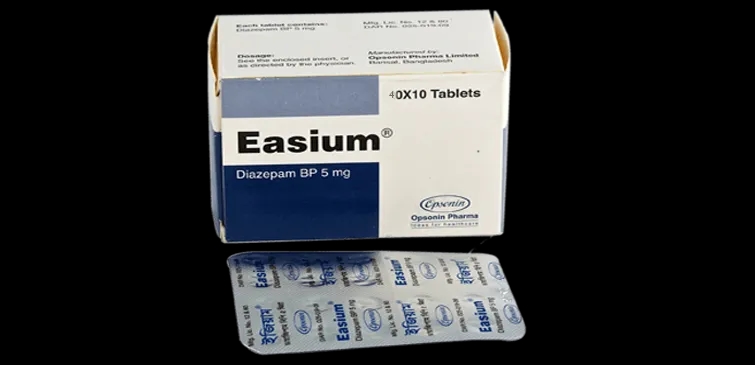
DoctorBlogArticles