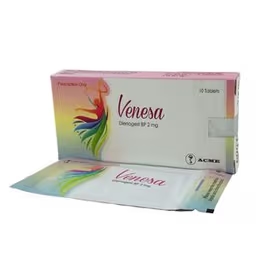
Generic medicine

Dienogest: Brands, Price & Uses in Bangladesh

Established Use Dienogest (2 mg oral tablet) is indicated for the treatment of endometriosis , specifically for the relief of endometriosis-associated pelvic pain.

Forms:Tablet

About Dienogest

Indications of Dienogest

Established Use

Dienogest (2 mg oral tablet) is indicated for the treatment of endometriosis, specifically for the relief of endometriosis-associated pelvic pain. It is approved in many countries (including markets in Europe, Japan, Canada, and Bangladesh) as a stand-alone progestin therapy for this indication.

Combination-Therapy Use

Dienogest is also used, in combination with an estrogen (estradiol valerate), as an active ingredient of certain combined oral contraceptive products. In that combined-hormone context it is used for pregnancy prevention and for management of heavy menstrual bleeding without organic cause; this monograph, however, describes Dienogest used alone (monotherapy) for endometriosis.

Off-Label Use

Dienogest monotherapy is sometimes used off-label, at the discretion of a gynecologist, for adenomyosis-related pain and for long-term suppression of endometriosis recurrence after surgery, although it is not formally approved for these indications in most labeling.

Dosage & Administration of Dienogest

Dosing by Indication

IndicationRecommended Dose of Dienogest
Endometriosis-associated pelvic pain (adult)2 mg orally, once daily, continuously (no tablet-free interval), taken at approximately the same time each day
Adolescents (post-menarche)Use only under specialist supervision; safety/efficacy data are more limited than in adults (see Use in Special Populations)

Administration Instructions

  • Dienogest tablets may be started on any day of the menstrual cycle and are taken continuously, without a break, regardless of bleeding.
  • Swallow the tablet whole with water; it may be taken with or without food.
  • If a dose is missed by less than 12 hours, take it as soon as remembered; if missed by more than 12 hours, take the missed tablet and continue the normal schedule without doubling up, and use a non-hormonal back-up contraceptive method for the next few days if pregnancy prevention is also needed.
  • Treatment duration is determined by the prescribing physician based on symptom response (see Duration of Treatment).

Side Effects of Dienogest

Very Common / Common

  • Irregular uterine bleeding or spotting (very common, especially during the first months of use, sometimes progressing to amenorrhea with continued therapy)
  • Headache
  • Breast discomfort or tenderness
  • Mood changes, including depressed mood or nervousness
  • Acne
  • Weight increase or weight fluctuation
  • Decreased libido
  • Abdominal pain, nausea
  • Back pain

Less Common

  • Hot flushes
  • Vaginal dryness
  • Hair loss (alopecia)
  • Ovarian cysts
  • Fatigue

Patients should report persistent, severe, or worsening symptoms — particularly signs suggestive of a blood clot (leg swelling/pain, chest pain, sudden breathlessness) or depression — to their physician promptly.

Contraindications of Dienogest

Dienogest is contraindicated in patients with any of the following:

  • Known hypersensitivity to Dienogest or any excipient of the product.
  • Known or suspected pregnancy.
  • Active venous thromboembolic disorder (e.g., deep vein thrombosis, pulmonary embolism) or a history of venous thromboembolism.
  • Active or a history of arterial/cardiovascular or cerebrovascular disease (e.g., myocardial infarction, stroke).
  • Diabetes mellitus with vascular involvement.
  • Presence or history of severe hepatic disease, as long as liver function values have not returned to normal, or presence/history of liver tumors (benign or malignant).
  • Known or suspected hormone-dependent malignancy (e.g., breast cancer or certain endometrial cancers).
  • Undiagnosed abnormal genital (vaginal) bleeding.

Frequently Asked Questions about Dienogest

What is Dienogest used for?

Dienogest is used to treat endometriosis, specifically to relieve the pelvic pain caused by this condition, by reducing the growth and activity of endometrial tissue outside the uterus.

How should I take Dienogest?

Dienogest is taken as one 2 mg tablet by mouth once daily, at about the same time each day, continuously without a break, with or without food.

Can Dienogest be used as birth control?

No. At the dose used for endometriosis, Dienogest does not reliably prevent ovulation and should not be relied on as a contraceptive. If you need to prevent pregnancy, use a non-hormonal method such as condoms alongside Dienogest, unless your doctor has prescribed a different combination product specifically for contraception.

Is it safe to take Dienogest during pregnancy or while breastfeeding?

Dienogest must not be used during known or suspected pregnancy and should be stopped immediately if pregnancy occurs. It is generally not recommended while breastfeeding because small amounts pass into breast milk and infant safety data are limited; discuss any need for treatment with your physician, who will weigh the benefits against potential risks.

What are the common side effects of Dienogest?

The most common effects are irregular vaginal bleeding or spotting (especially in the first few months), headache, breast tenderness, mood changes, acne, and weight changes. Most of these improve with continued use, but you should tell your doctor if they are severe or persistent.

Who should not take Dienogest?

Dienogest should not be used by anyone who is pregnant, has an active or past blood clot (venous thromboembolism), has active or past heart attack or stroke, has severe liver disease or liver tumors, has undiagnosed vaginal bleeding, has a hormone-sensitive cancer such as breast cancer, or is allergic to Dienogest.

Disclaimer

The information provided is accurate to the best of our knowledge, but it does not replace professional medical advice. We cannot guarantee its completeness or accuracy, and the absence of specific information about a drug should not be taken as an endorsement. We are not responsible for any consequences arising from this information, so please consult a healthcare professional for any concerns or questions.


DoctorBlogArticles