
Generic medicine

Dulaglutide: Brands, Price & Uses in Bangladesh

Dulaglutide is a glucagon-like peptide-1 (GLP-1) receptor agonist indicated for use in adults and, in select cases, children as described below.

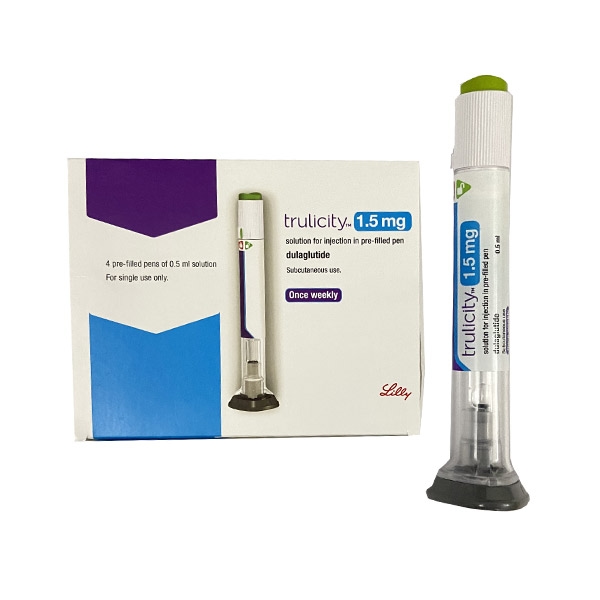
Forms:SC Injection

About Dulaglutide

Indications of Dulaglutide

Dulaglutide is a glucagon-like peptide-1 (GLP-1) receptor agonist indicated for use in adults and, in select cases, children as described below.

Established / FDA-approved indications

  • Glycemic control in type 2 diabetes mellitus (adults and pediatric patients 10 years and older): As an adjunct to diet and exercise to improve blood glucose control in adults and children 10 years of age and older with type 2 diabetes.
  • Cardiovascular risk reduction (adults): To reduce the risk of major adverse cardiovascular events (cardiovascular death, non-fatal myocardial infarction, or non-fatal stroke) in adults with type 2 diabetes who have established cardiovascular disease or multiple cardiovascular risk factors.

Not indicated for

  • Type 1 diabetes mellitus.
  • Treatment of diabetic ketoacidosis.
  • Weight management as a labeled indication (Dulaglutide is not approved for chronic weight management; any weight-loss effect is a secondary observation of its diabetes indication).

Dosage & Administration of Dulaglutide

Type 2 diabetes mellitus (glycemic control) - Adults

StepDoseNotes
Starting dose0.75 mg subcutaneously once weeklyNo titration required to start
Dose increase1.5 mg once weeklyAfter at least 4 weeks on the starting dose, if additional glycemic control is needed
Further increases3 mg, then 4.5 mg once weeklyEach increase after at least 4 weeks on the previous dose, for patients needing additional control; maximum dose is 4.5 mg weekly

Cardiovascular risk reduction - Adults

Dosing follows the same once-weekly regimen (0.75 mg to 4.5 mg per week) titrated for tolerability and glycemic response.

Pediatric patients (10 years and older)

Starting dose 0.75 mg once weekly; may be increased in a stepwise manner (to 1.5 mg, then higher doses if needed and tolerated) following the same general titration principles used in adults, under close physician supervision. Safety and efficacy in children under 10 years of age have not been established.

Renal/hepatic impairment

No dose adjustment is required based on renal or hepatic impairment; however, caution is advised in patients with renal impairment because gastrointestinal adverse reactions leading to dehydration may worsen kidney function (see Precautions).

Administration instructions

  • Inject subcutaneously in the abdomen, thigh, or upper arm.
  • May be administered at any time of day, with or without food.
  • Administer once weekly on the same day each week; the day can be changed if the last dose was given at least 3 days before.
  • If a dose is missed and there are at least 3 days until the next scheduled dose, administer as soon as possible; if less than 3 days remain, skip the missed dose and resume on the regular schedule.
  • Do not mix with insulin in the same injection; if co-administered with insulin, use separate injection sites.

Side Effects of Dulaglutide

Very common / common

  • Nausea, vomiting, diarrhea, abdominal pain, decreased appetite (most frequent, often dose-related and tend to diminish over time).
  • Injection site reactions (redness, itching, swelling).
  • Fatigue, dyspepsia.

Less common but clinically important

  • Hypoglycemia (mainly when combined with insulin or sulfonylureas).
  • Hypersensitivity reactions, including anaphylaxis and angioedema (rare).
  • Acute pancreatitis and acute kidney injury - see Precautions and Warnings.

Contraindications of Dulaglutide

  • Personal or family history of medullary thyroid carcinoma (MTC).
  • Patients with Multiple Endocrine Neoplasia syndrome type 2 (MEN 2).
  • Known hypersensitivity to dulaglutide or any component of the formulation.

Frequently Asked Questions about Dulaglutide

What is Dulaglutide used for?

Dulaglutide is used, along with diet and exercise, to improve blood sugar control in adults and children 10 years and older with type 2 diabetes, and to reduce the risk of major cardiovascular events in adults with type 2 diabetes who have heart disease or multiple cardiovascular risk factors.

How is Dulaglutide taken?

Dulaglutide is given as a subcutaneous (under-the-skin) injection once a week, on the same day each week, using a prefilled pen or syringe, at any time of day with or without food.

Who should not use Dulaglutide?

Dulaglutide should not be used by anyone with a personal or family history of medullary thyroid carcinoma, patients with Multiple Endocrine Neoplasia syndrome type 2, or anyone with a known hypersensitivity to dulaglutide or its ingredients.

What are the most common side effects of Dulaglutide?

The most common side effects of Dulaglutide are nausea, vomiting, diarrhea, decreased appetite, and abdominal pain, which are usually mild-to-moderate and tend to improve over time.

Can Dulaglutide be used during pregnancy?

Dulaglutide is not recommended during pregnancy; because it stays in the body for a long time, it is generally advised to stop it at least one month before planning a pregnancy. Use only if clearly needed, and only after consulting a physician.

What should I do if I miss a dose of Dulaglutide?

If it has been at least 3 days since the missed dose was due, take Dulaglutide as soon as possible; if fewer than 3 days remain until the next scheduled dose, skip the missed dose and resume your regular weekly schedule. Never take two doses close together.

Disclaimer

The information provided is accurate to the best of our knowledge, but it does not replace professional medical advice. We cannot guarantee its completeness or accuracy, and the absence of specific information about a drug should not be taken as an endorsement. We are not responsible for any consequences arising from this information, so please consult a healthcare professional for any concerns or questions.
DoctorBlogArticles