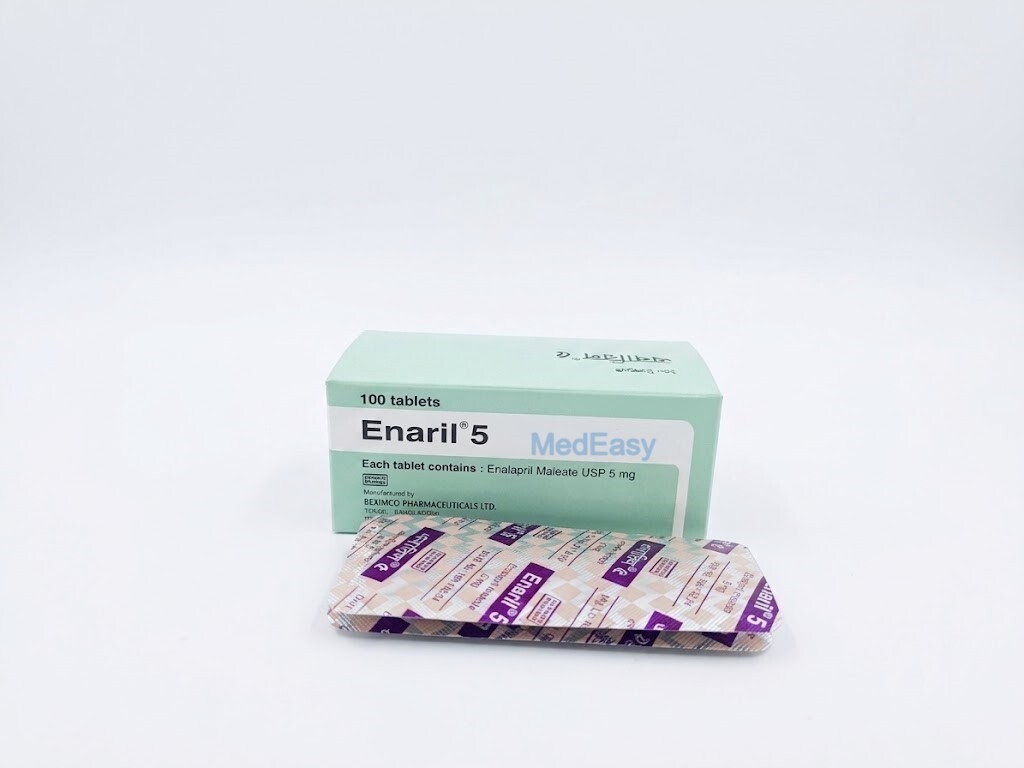
Generic medicine

Enalapril Maleate: Brands, Price & Uses in Bangladesh

Enalapril Maleate is an angiotensin-converting enzyme (ACE) inhibitor indicated for the following: Established/FDA-approved uses Hypertension: Enalapril Maleate is indicated for the treatment of…

Forms:Tablet

About Enalapril Maleate

Indications of Enalapril Maleate

Enalapril Maleate is an angiotensin-converting enzyme (ACE) inhibitor indicated for the following:

Established/FDA-approved uses

  • Hypertension: Enalapril Maleate is indicated for the treatment of high blood pressure, alone or in combination with other antihypertensive agents (e.g. thiazide diuretics), to lower blood pressure and reduce the risk of fatal and non-fatal cardiovascular events, primarily stroke and myocardial infarction.
  • Heart failure: Enalapril Maleate is indicated as adjunct therapy, together with diuretics and, when indicated, digitalis, in the management of symptomatic heart failure, to improve survival and reduce the frequency of hospitalization.
  • Asymptomatic left ventricular dysfunction: Enalapril Maleate is indicated in clinically stable, asymptomatic patients with left ventricular ejection fraction ≤35% to decrease the rate of development of overt heart failure and reduce the incidence of hospitalization for heart failure.

Guideline-supported / off-label uses

  • Diabetic and non-diabetic nephropathy: Enalapril Maleate is commonly used, per clinical guidelines, to slow the progression of renal disease in patients with proteinuria, based on the renoprotective, blood-pressure-independent effects of ACE inhibition.
  • Post-myocardial infarction left ventricular dysfunction: used in some patients to reduce the risk of subsequent heart failure, as an alternative when other ACE inhibitors with formal post-MI labeling are not suitable; this is not a primary FDA-labeled indication for Enalapril Maleate.

Use of Enalapril Maleate for any indication should be individualized and directed by a physician.

Dosage & Administration of Enalapril Maleate

Dosage of Enalapril Maleate must be individualized by a physician based on indication, blood pressure response, renal function, and concurrent diuretic use.

IndicationAdult doseNotes
HypertensionInitial 5 mg once daily (2.5 mg if on a diuretic); usual maintenance range 10-40 mg/day as a single dose or in two divided dosesTitrate at intervals of at least 1-2 weeks based on response
Heart failure (adjunct)Initial 2.5 mg once or twice daily; titrate as tolerated to a target of 20 mg/day in two divided dosesStart under close medical supervision, especially if hyponatremic or on diuretics
Asymptomatic LV dysfunctionInitial 2.5 mg twice daily, titrated as tolerated up to 20 mg/day in divided dosesTitrate over several weeks

Renal impairment

For patients with creatinine clearance ≤30 mL/min, a lower initial dose of 2.5 mg once daily is recommended, with careful titration and monitoring of renal function and potassium.

Pediatric dosing

See Pediatric Uses for weight-based pediatric dosing of Enalapril Maleate.

Missed dose

If a dose of Enalapril Maleate is missed, it should be taken as soon as remembered unless it is almost time for the next dose, in which case the missed dose should be skipped. Doses should not be doubled.

Side Effects of Enalapril Maleate

Side effects reported with Enalapril Maleate include:

Common

  • Dizziness, headache, fatigue
  • Persistent dry cough
  • Hypotension, particularly after the first dose
  • Nausea, diarrhea
  • Mild elevations in serum potassium and creatinine

Less common but serious

  • Angioedema of the face, lips, tongue, or throat (see Contraindications and Precautions and Warnings)
  • Significant hyperkalemia
  • Acute renal failure, particularly in patients with renal artery stenosis or volume depletion
  • Neutropenia/agranulocytosis (rare, more common with renal impairment or collagen vascular disease)
  • Hepatic injury, including rare cases of cholestatic jaundice progressing to hepatic necrosis

Patients should seek prompt medical attention for swelling of the face/tongue/throat, difficulty breathing, or signs of liver problems while taking Enalapril Maleate.

Contraindications of Enalapril Maleate

Enalapril Maleate is contraindicated in the following situations:

  • Known hypersensitivity to Enalapril Maleate or to any other ACE inhibitor.
  • History of angioedema related to previous treatment with an ACE inhibitor.
  • Hereditary or idiopathic angioedema.
  • Concomitant use with aliskiren in patients with diabetes mellitus.
  • Concomitant use with, or within 36 hours of switching to or from, sacubitril/valsartan, due to the risk of angioedema.
  • Pregnancy: Enalapril Maleate can cause injury and death to the developing fetus; treatment should be discontinued as soon as pregnancy is detected (see Pregnancy and Lactation).

Frequently Asked Questions about Enalapril Maleate

What is Enalapril Maleate used for?

Enalapril Maleate is an ACE inhibitor used to treat high blood pressure (hypertension) and, together with diuretics, to manage heart failure. It is also used in some patients with reduced heart pumping function (asymptomatic left ventricular dysfunction) to help prevent progression to overt heart failure.

How should I take Enalapril Maleate?

Enalapril Maleate is usually taken once or twice daily, with or without food, at the same time(s) each day. Swallow the tablet with water and do not stop taking it suddenly without consulting your physician, as your blood pressure or heart condition could worsen.

Can I take Enalapril Maleate during pregnancy?

No. Enalapril Maleate is contraindicated during pregnancy because it can seriously harm or be fatal to the developing baby, especially in the second and third trimesters. If you become pregnant while taking Enalapril Maleate, contact your physician immediately so treatment can be changed.

What are the most important side effects of Enalapril Maleate to watch for?

Report immediately any swelling of the face, lips, tongue, or throat, or difficulty breathing or swallowing, as this may be angioedema, a rare but serious reaction to Enalapril Maleate. A persistent dry cough, dizziness (especially on standing), and unusual tiredness are more common and should be discussed with your doctor if bothersome.

Can Enalapril Maleate be taken with painkillers or potassium supplements?

Regular use of NSAID painkillers (like ibuprofen) with Enalapril Maleate can reduce its blood-pressure-lowering effect and increase the risk of kidney problems. Potassium supplements, salt substitutes, and potassium-sparing diuretics can raise potassium to unsafe levels when combined with Enalapril Maleate. Always tell your doctor or pharmacist about all medicines and supplements you take.

What should I do if I take too much Enalapril Maleate?

An overdose of Enalapril Maleate can cause significant low blood pressure, dizziness, or fainting. Seek immediate medical attention or contact a poison control center/emergency services; do not try to treat an overdose at home.

Disclaimer

The information provided is accurate to the best of our knowledge, but it does not replace professional medical advice. We cannot guarantee its completeness or accuracy, and the absence of specific information about a drug should not be taken as an endorsement. We are not responsible for any consequences arising from this information, so please consult a healthcare professional for any concerns or questions.

DoctorBlogArticles