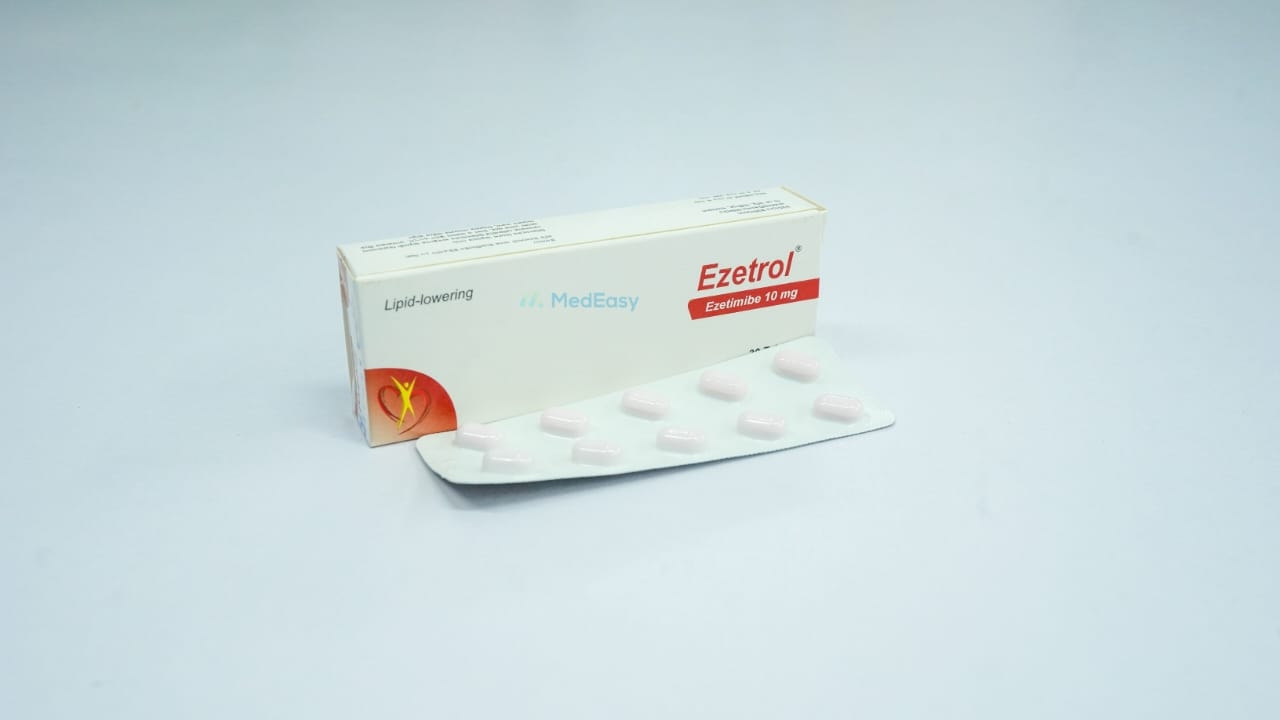
Generic medicine

Ezetimibe: Brands, Price & Uses in Bangladesh

Ezetimibe is indicated, as an adjunct to diet, for the management of elevated cholesterol.

Forms:Tablet

About Ezetimibe

Indications of Ezetimibe

Ezetimibe is indicated, as an adjunct to diet, for the management of elevated cholesterol. Indications are classified below by strength of evidence.

Established / FDA-approved uses

  • Primary hyperlipidemia: Ezetimibe, alone or in combination with a statin, reduces total cholesterol, LDL-cholesterol, and apolipoprotein B in patients with primary (heterozygous familial or non-familial) hyperlipidemia.
  • Homozygous familial hypercholesterolemia (HoFH): Ezetimibe, in combination with atorvastatin or simvastatin, is used as an adjunct to other lipid-lowering treatments (e.g., LDL apheresis) or when such treatments are unavailable.
  • Homozygous sitosterolemia (phytosterolemia): Ezetimibe reduces elevated sitosterol and campesterol levels.
  • Mixed hyperlipidemia: Ezetimibe in combination with fenofibrate is used to reduce total cholesterol, LDL-C, apolipoprotein B, and triglycerides, and to increase HDL-C.

Guideline-supported / combination-therapy use

  • Cardiovascular risk reduction: when added to a statin in patients with established atherosclerotic cardiovascular disease (e.g., after acute coronary syndrome), Ezetimibe combination therapy has been shown in outcome trials to further reduce the risk of major cardiovascular events compared with statin therapy alone. This requires combination therapy with a statin and is not an effect of Ezetimibe monotherapy.

Note: Ezetimibe monotherapy has a modest LDL-lowering effect (roughly 15–20%); combination with a statin is more common in practice and produces substantially greater lipid lowering.

Dosage & Administration of Ezetimibe

The usual dose of Ezetimibe is 10 mg once daily, taken with or without food, at any time of day. Ezetimibe can be given alone or together with a statin or fenofibrate.

IndicationAdult dosePediatric dose
Primary hyperlipidemia (monotherapy or with a statin)10 mg once daily10 mg once daily in children ≥10 years with heterozygous familial hypercholesterolemia, under specialist supervision
Homozygous familial hypercholesterolemia10 mg once daily with atorvastatin or simvastatinSafety and efficacy not established below 10 years
Homozygous sitosterolemia10 mg once daily10 mg once daily in children ≥6 years
Mixed hyperlipidemia (with fenofibrate)10 mg once dailyNot established

Administration with other lipid-lowering drugs

If Ezetimibe is coadministered with a bile acid sequestrant (e.g., cholestyramine), Ezetimibe should be taken either at least 2 hours before or at least 4 hours after the sequestrant, as sequestrants reduce its absorption.

Renal impairment

No dosage adjustment of Ezetimibe is required in mild-to-moderate renal impairment; data are limited in severe renal impairment, and use with caution.

Hepatic impairment

No adjustment is needed in mild hepatic impairment (Child-Pugh A). Ezetimibe is not recommended in moderate or severe hepatic impairment (Child-Pugh B or C) due to accumulation of the drug.

Side Effects of Ezetimibe

Ezetimibe is generally well tolerated. Reported adverse effects include:

Common

  • Upper respiratory tract infection
  • Diarrhea
  • Arthralgia (joint pain)
  • Sinusitis
  • Pain in extremity
  • Fatigue

When combined with a statin

  • Myalgia (muscle pain)
  • Elevated liver transaminases
  • Increased creatine kinase

Uncommon / rare

  • Hypersensitivity reactions (rash, urticaria, angioedema)
  • Myopathy and rare rhabdomyolysis (chiefly with concomitant statin)
  • Hepatitis
  • Thrombocytopenia
  • Pancreatitis

Contraindications of Ezetimibe

Ezetimibe monotherapy is contraindicated in patients with known hypersensitivity to Ezetimibe or any component of the formulation.

When Ezetimibe is coadministered with a statin, the contraindications of the statin also apply, which include:

  • Active liver disease or unexplained persistent elevations of serum transaminases.
  • Pregnancy and breastfeeding.

Frequently Asked Questions about Ezetimibe

What is Ezetimibe used for?

Ezetimibe is used, together with diet, to lower LDL ("bad") cholesterol. It is used alone or together with a statin or fenofibrate for hyperlipidemia, and with a statin for severe conditions such as homozygous familial hypercholesterolemia or to further reduce cardiovascular risk.

How should I take Ezetimibe?

Ezetimibe is usually taken as one 10 mg tablet once daily, with or without food, at any convenient time. Take it exactly as prescribed by your physician.

Can Ezetimibe be taken with a statin?

Yes, Ezetimibe is often prescribed together with a statin because the combination lowers LDL-cholesterol more than either drug alone. Your physician will monitor liver enzymes periodically during combination therapy.

What are the main side effects of Ezetimibe?

Ezetimibe is generally well tolerated. Common effects include diarrhea, joint pain, and fatigue. When combined with a statin, muscle pain and elevated liver enzymes can occur; report unexplained muscle pain, weakness, or yellowing of the skin/eyes to your physician promptly.

Is Ezetimibe safe during pregnancy or breastfeeding?

Ezetimibe alone should be used in pregnancy only if clearly needed, after consulting a physician. Ezetimibe combined with a statin must not be used during pregnancy or breastfeeding because of the statin component. Always consult your physician before use in pregnancy or while breastfeeding.

What should I do if I miss a dose or take too much Ezetimibe?

If you miss a dose, take it as soon as you remember unless it is nearly time for the next dose; do not double the dose. If you suspect you have taken too much Ezetimibe, seek immediate medical attention or contact a poison control center.

Disclaimer

The information provided is accurate to the best of our knowledge, but it does not replace professional medical advice. We cannot guarantee its completeness or accuracy, and the absence of specific information about a drug should not be taken as an endorsement. We are not responsible for any consequences arising from this information, so please consult a healthcare professional for any concerns or questions.

DoctorBlogArticles