
Generic medicine

Flupentixol + Melitracen: Brands, Price & Uses in Bangladesh

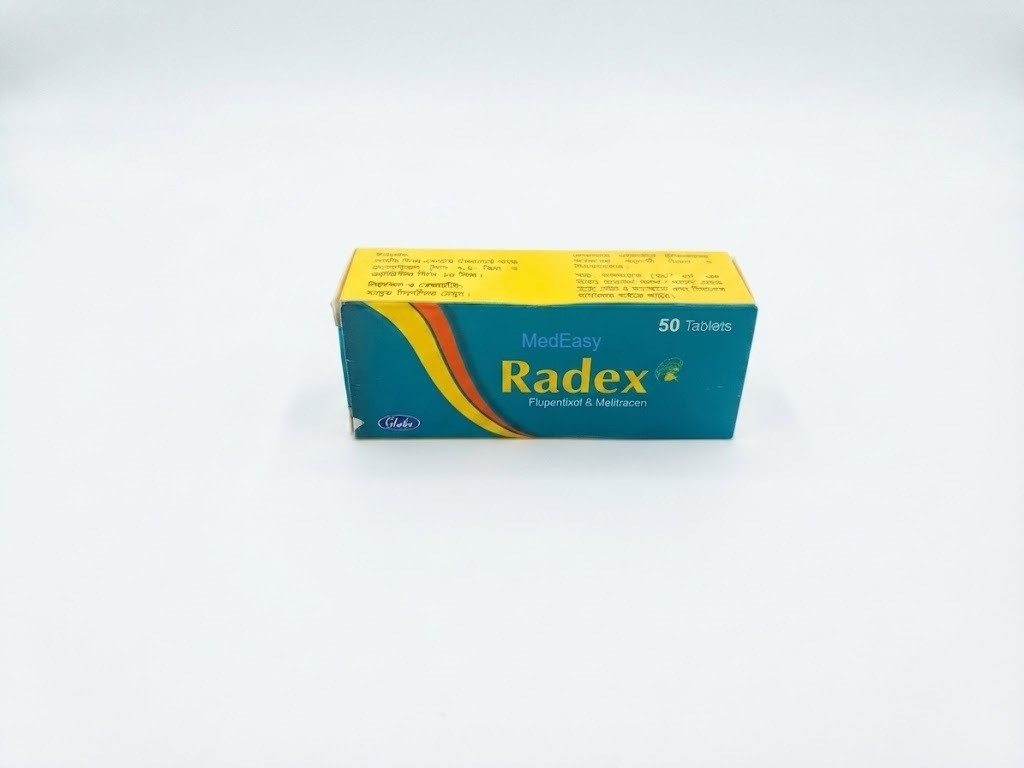
Established Use Flupentixol + Melitracen is used for the symptomatic treatment of mild-to-moderate depressive and anxiety states, particularly conditions with mixed anxiety-depressive features and more.

Forms:Tablet

About Flupentixol + Melitracen

Indications of Flupentixol + Melitracen

Established Use

Flupentixol + Melitracen is used for the symptomatic treatment of mild-to-moderate depressive and anxiety states, particularly conditions with mixed anxiety-depressive features, including psychogenic depression, depressive neurosis, masked depression, and asthenia (marked lack of energy and motivation). Flupentixol + Melitracen is also used for psychosomatic conditions accompanied by anxiety and for menopausal-related depressive symptoms.

Adjunct / Other Use

Flupentixol + Melitracen has also been used as an adjunct for dysphoria and low mood occurring in patients recovering from alcohol or other substance use disorders, under specialist supervision.

Not Indicated For

Flupentixol + Melitracen is not a treatment for severe major depression, psychotic depression, or schizophrenia as a primary agent, and it is not recommended for excitable, agitated, or overactive patients (see Contraindications). It is not indicated for use in children or adolescents.

Dosage & Administration of Flupentixol + Melitracen

Dosing of Flupentixol + Melitracen is individualized based on the severity of symptoms and the patient's age, and treatment is generally initiated at the lowest effective dose. See the table below for typical adult and elderly regimens.

Population / SituationTypical Regimen of Flupentixol + Melitracen
Adults (usual dose)One tablet in the morning and one tablet at noon (a total of two tablets daily)
Adults (more severe symptoms)The morning dose may be increased to two tablets, in addition to the usual noon tablet, under physician guidance
Maintenance / mild symptomsOne tablet in the morning may be sufficient once symptoms have improved
Elderly patients (over 65 years)One tablet in the morning; maintenance is typically one tablet daily
Children and adolescentsNot recommended; safety and efficacy have not been established (see Pediatric Uses)
Hepatic impairmentFlupentixol + Melitracen is contraindicated in severe hepatic impairment; use with caution and reduced dose in milder impairment (see Use in Special Populations)

Flupentixol + Melitracen should generally not be continued for more than a few months without medical reassessment, and any previous sedative tranquilizer should be withdrawn gradually rather than stopped abruptly when starting Flupentixol + Melitracen (see Precautions and Warnings).

Side Effects of Flupentixol + Melitracen

Common Side Effects

  • Insomnia and restlessness/agitation, particularly early in treatment with Flupentixol + Melitracen
  • Dizziness, tremor, and fatigue
  • Dry mouth, constipation, and accommodation disturbance (blurred near vision) from the anticholinergic activity of the tricyclic component

Less Common but Serious Side Effects (Seek Medical Attention)

  • Extrapyramidal symptoms (muscle stiffness, tremor, restlessness/akathisia) or, with prolonged use, tardive dyskinesia (see Precautions and Warnings)
  • New or worsening depression, agitation, or emergence of suicidal thoughts/behavior, especially in children, adolescents, and young adults or early in treatment (see Precautions and Warnings)
  • Cardiac conduction changes, palpitations, or arrhythmia
  • Urinary retention, especially in patients with prostatic enlargement
  • Rare cholestatic hepatitis or jaundice
  • Rare blood dyscrasias (e.g., agranulocytosis) presenting as fever, sore throat, or unusual bruising/bleeding
  • Signs of serotonin syndrome or neuroleptic malignant syndrome (high fever, muscle rigidity, confusion, autonomic instability) — a medical emergency
  • Signs of a severe allergic reaction: rash, facial/throat swelling, severe dizziness, difficulty breathing

Contraindications of Flupentixol + Melitracen

Flupentixol + Melitracen is contraindicated in patients with:

  • Known hypersensitivity to flupentixol, melitracen, other tricyclic antidepressants/thioxanthenes, or any excipient of Flupentixol + Melitracen.
  • Recent myocardial infarction, cardiac conduction abnormalities (e.g., bundle-branch block), significant cardiac arrhythmias, or coronary insufficiency.
  • Circulatory collapse, severely depressed level of consciousness, or coma.
  • Untreated narrow-angle (angle-closure) glaucoma.
  • Severe hepatic impairment.
  • A history of blood dyscrasias such as agranulocytosis.
  • Acute intoxication with alcohol, barbiturates, opioids, or other CNS depressants.
  • Concurrent use with monoamine oxidase inhibitors (MAOIs), or use within 14 days of stopping an MAOI (see Interaction).

Frequently Asked Questions about Flupentixol + Melitracen

What is Flupentixol + Melitracen used for?

Flupentixol + Melitracen is used for the short-to-medium term symptomatic relief of mild-to-moderate depression, anxiety, and asthenia (lack of energy and motivation), particularly when anxiety and depressive symptoms occur together, such as in psychogenic depression, depressive neurosis, masked depression, or psychosomatic conditions with anxiety.

How is Flupentixol + Melitracen usually taken?

Flupentixol + Melitracen is usually taken as one tablet in the morning and one tablet at noon. In more severe cases the morning dose may be increased to two tablets under a physician's guidance, while elderly patients and those on maintenance therapy typically take just one tablet in the morning. Always follow the exact dose and schedule prescribed for you.

Can I stop taking Flupentixol + Melitracen suddenly once I feel better?

No. Flupentixol + Melitracen should not be stopped abruptly after regular use. Your doctor will advise on gradually reducing the dose, because sudden discontinuation can cause discontinuation symptoms and symptoms being treated may return.

Is Flupentixol + Melitracen safe during pregnancy or breastfeeding?

Flupentixol + Melitracen should be used in pregnancy only if a physician determines the potential benefit clearly outweighs the potential risk to the fetus, since specific human safety data for this combination are limited, and antipsychotic/tricyclic exposure late in pregnancy may affect the newborn. Both components of Flupentixol + Melitracen pass into breast milk, so breastfeeding during treatment is generally not recommended unless a physician advises otherwise with close infant monitoring.

Can Flupentixol + Melitracen be taken with other medicines like MAOIs or sedatives?

Flupentixol + Melitracen must not be taken together with monoamine oxidase inhibitors (MAOIs), or within 14 days of stopping one, due to the risk of a hypertensive crisis or serotonin syndrome. Combining Flupentixol + Melitracen with alcohol, sedatives, or other CNS depressants can increase drowsiness and impaired coordination. Always tell your doctor about all medicines you are taking before starting Flupentixol + Melitracen.

What should I do if someone takes too much Flupentixol + Melitracen?

An overdose of Flupentixol + Melitracen is a medical emergency and can cause symptoms such as rapid heartbeat, confusion, agitation, seizures, and dangerous heart rhythm changes. Seek immediate emergency medical attention or contact a poison control center right away rather than trying to manage it at home.

Disclaimer

The information provided is accurate to the best of our knowledge, but it does not replace professional medical advice. We cannot guarantee its completeness or accuracy, and the absence of specific information about a drug should not be taken as an endorsement. We are not responsible for any consequences arising from this information, so please consult a healthcare professional for any concerns or questions.

DoctorBlogArticles