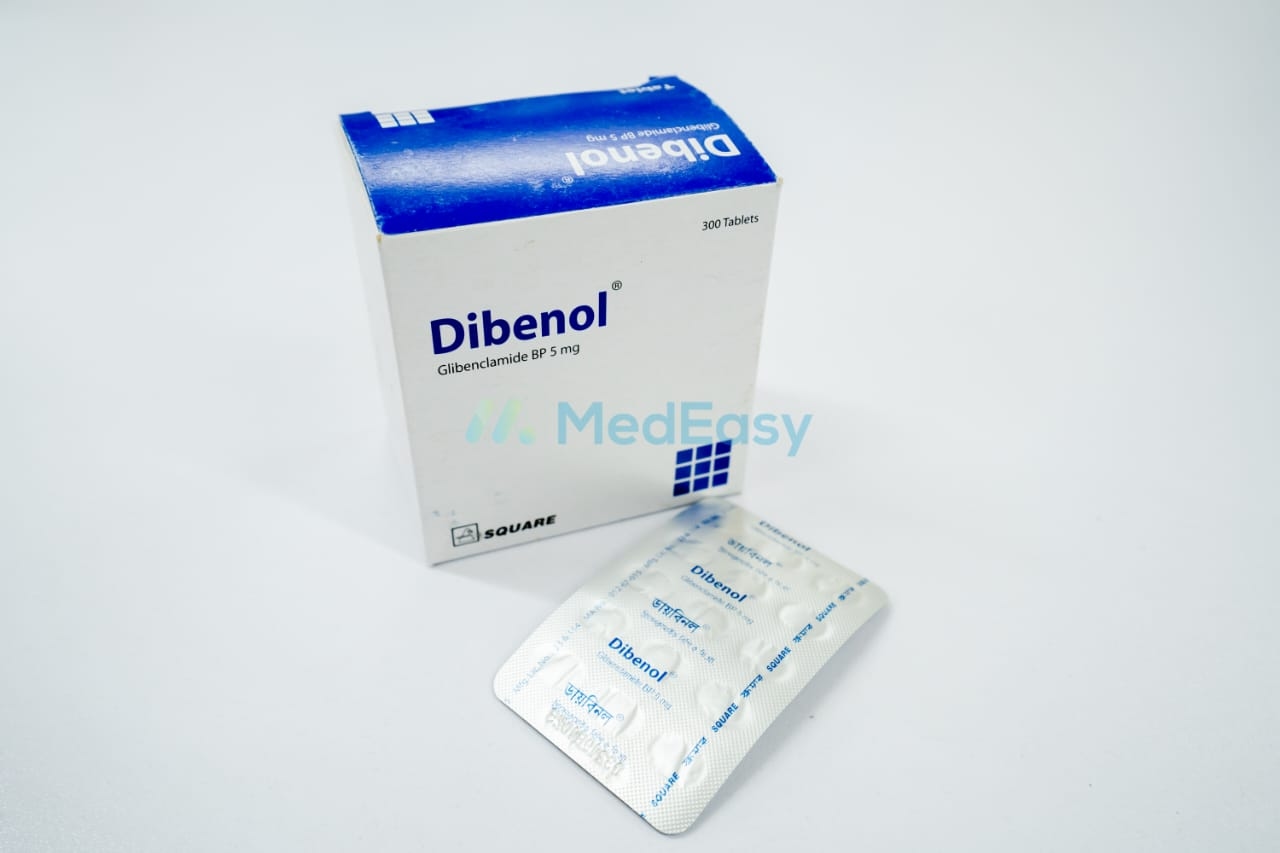
Generic medicine

Glibenclamide: Brands, Price & Uses in Bangladesh

Approved Use Glibenclamide is indicated as an adjunct to diet and exercise to improve glycemic control in adults with type 2 diabetes mellitus .

Forms:Tablet

About Glibenclamide

Indications of Glibenclamide

Approved Use

Glibenclamide is indicated as an adjunct to diet and exercise to improve glycemic control in adults with type 2 diabetes mellitus.

Combination Therapy

Glibenclamide is also used, under a physician's supervision, in combination with metformin or other antidiabetic agents when diet, exercise, and a single agent do not achieve adequate glycemic control.

Glibenclamide is not indicated for type 1 diabetes mellitus or diabetic ketoacidosis, which require insulin therapy.

Dosage & Administration of Glibenclamide

Adults – Type 2 Diabetes Mellitus

StageDose
Initial dose2.5–5 mg once daily with breakfast or the first main meal
Sensitive patients (elderly, malnourished, renal/hepatic impairment)Start at 1.25 mg once daily
TitrationIncrease in increments of no more than 2.5 mg at weekly intervals, based on blood glucose response
Maintenance1.25–20 mg daily, given once daily or in two divided doses
MaximumDaily doses above 20 mg of Glibenclamide are not recommended

Renal/Hepatic Impairment

Patients with renal or hepatic impairment are at increased risk of prolonged hypoglycemia with Glibenclamide; a conservative starting dose (e.g., 1.25 mg daily) and close monitoring are advised, and significant impairment often favors an alternative, shorter-acting agent (see Precautions).

Pediatric Use

Glibenclamide is not established for use in children (see Pediatric Use).

Side Effects of Glibenclamide

Most Significant Risk

Hypoglycemia is the principal and most important adverse effect of Glibenclamide; severe episodes with coma, seizure, or other neurological impairment occur infrequently but can be serious, particularly because Glibenclamide has a long duration of action (see Precautions and Overdose).

Common

  • Nausea, epigastric fullness, heartburn
  • Weight gain
  • Transient blurred vision (related to blood glucose fluctuations)

Less Common / Rare

  • Skin reactions: pruritus, erythema, urticaria, rare photosensitivity
  • Blood disorders: leukopenia, thrombocytopenia, hemolytic anemia (particularly in G6PD-deficient patients, see Precautions)
  • Hyponatremia and syndrome of inappropriate antidiuretic hormone secretion (SIADH)
  • Cholestatic jaundice, elevated liver enzymes (rare)

Contraindications of Glibenclamide

Glibenclamide is contraindicated in patients with:

  • Known hypersensitivity to Glibenclamide, other sulfonylureas, or any excipient in the formulation
  • Type 1 diabetes mellitus
  • Diabetic ketoacidosis, with or without coma

Frequently Asked Questions about Glibenclamide

What is Glibenclamide used for?

Glibenclamide is used to help control blood sugar levels in adults with type 2 diabetes mellitus, alongside a proper diet and regular exercise.

How should I take Glibenclamide?

Take Glibenclamide by mouth with breakfast or your first main meal of the day, at the same time each day, exactly as prescribed by your physician. Do not skip meals after taking a dose.

What is the most important side effect of Glibenclamide to watch for?

The most important side effect is hypoglycemia (low blood sugar), which can be prolonged and severe with Glibenclamide because of its long duration of action. Warning signs include sweating, shaking, confusion, and hunger — treat promptly with sugar or glucose and seek medical help if severe.

Can I take Glibenclamide if I am pregnant or breastfeeding?

Glibenclamide should only be used in pregnancy if a physician determines the benefit outweighs the potential risk to the baby, since insulin is usually preferred for tight blood sugar control in pregnancy; it is often stopped before delivery. If breastfeeding, discuss with your physician, as it is not known whether Glibenclamide passes into breast milk and it could cause low blood sugar in the infant.

Who should not take Glibenclamide?

Glibenclamide should not be used by people with a known allergy to Glibenclamide or other sulfonylurea medicines, people with type 1 diabetes, or people in diabetic ketoacidosis — these patients require insulin instead.

Can Glibenclamide be taken with other medicines?

Some medicines (such as NSAIDs, certain antibiotics, and alcohol) can increase the risk of low blood sugar with Glibenclamide, while others (such as steroids or rifampin) can make it work less well. Always tell your physician or pharmacist about all medicines you take before starting Glibenclamide.

Disclaimer

The information provided is accurate to the best of our knowledge, but it does not replace professional medical advice. We cannot guarantee its completeness or accuracy, and the absence of specific information about a drug should not be taken as an endorsement. We are not responsible for any consequences arising from this information, so please consult a healthcare professional for any concerns or questions.

DoctorBlogArticles