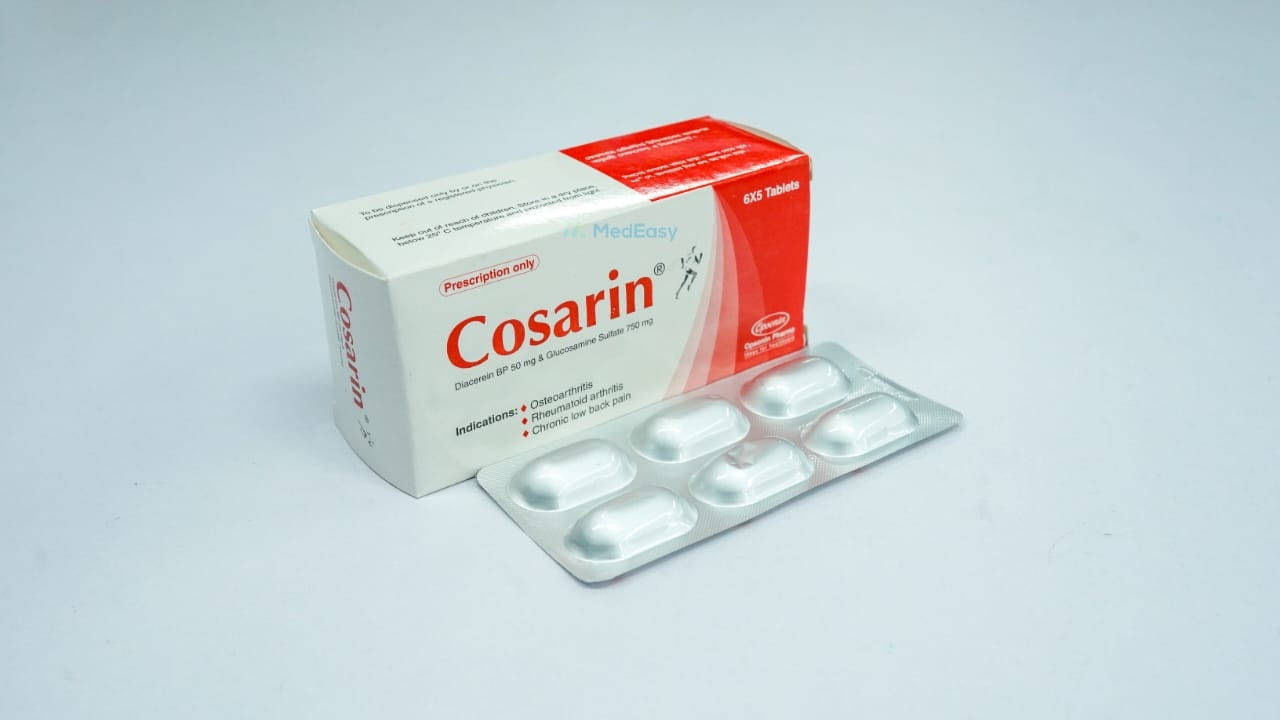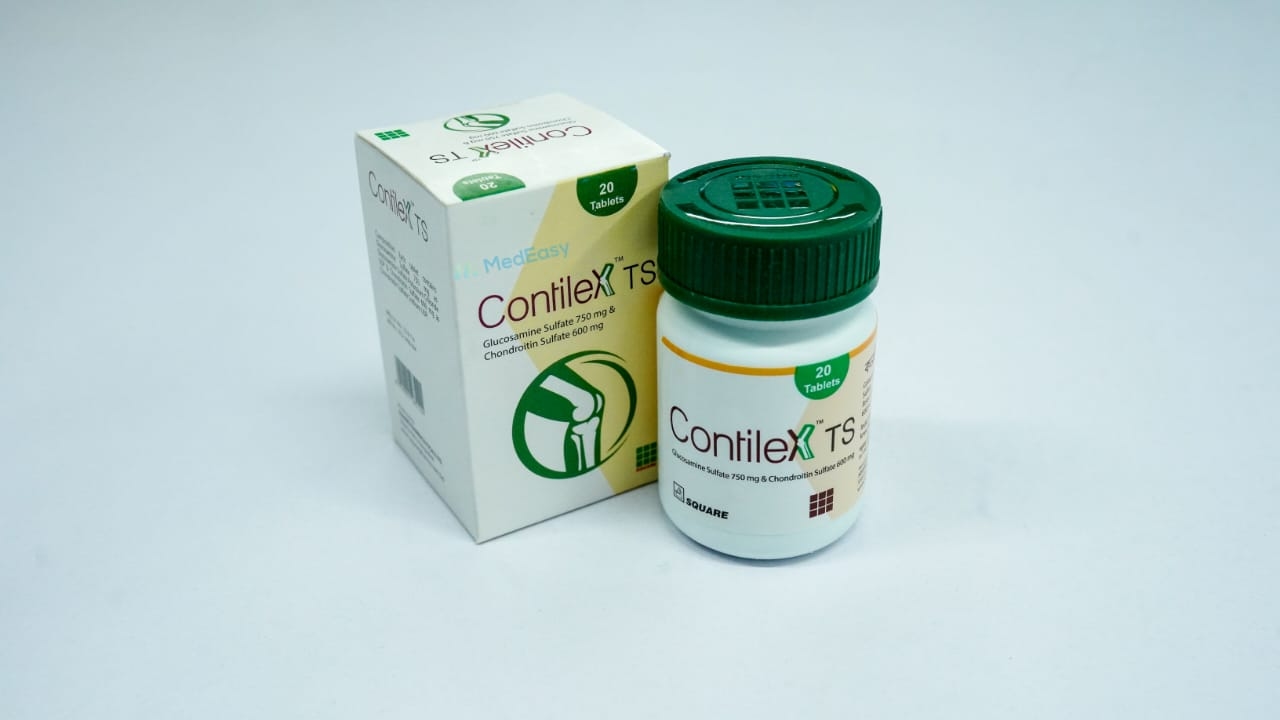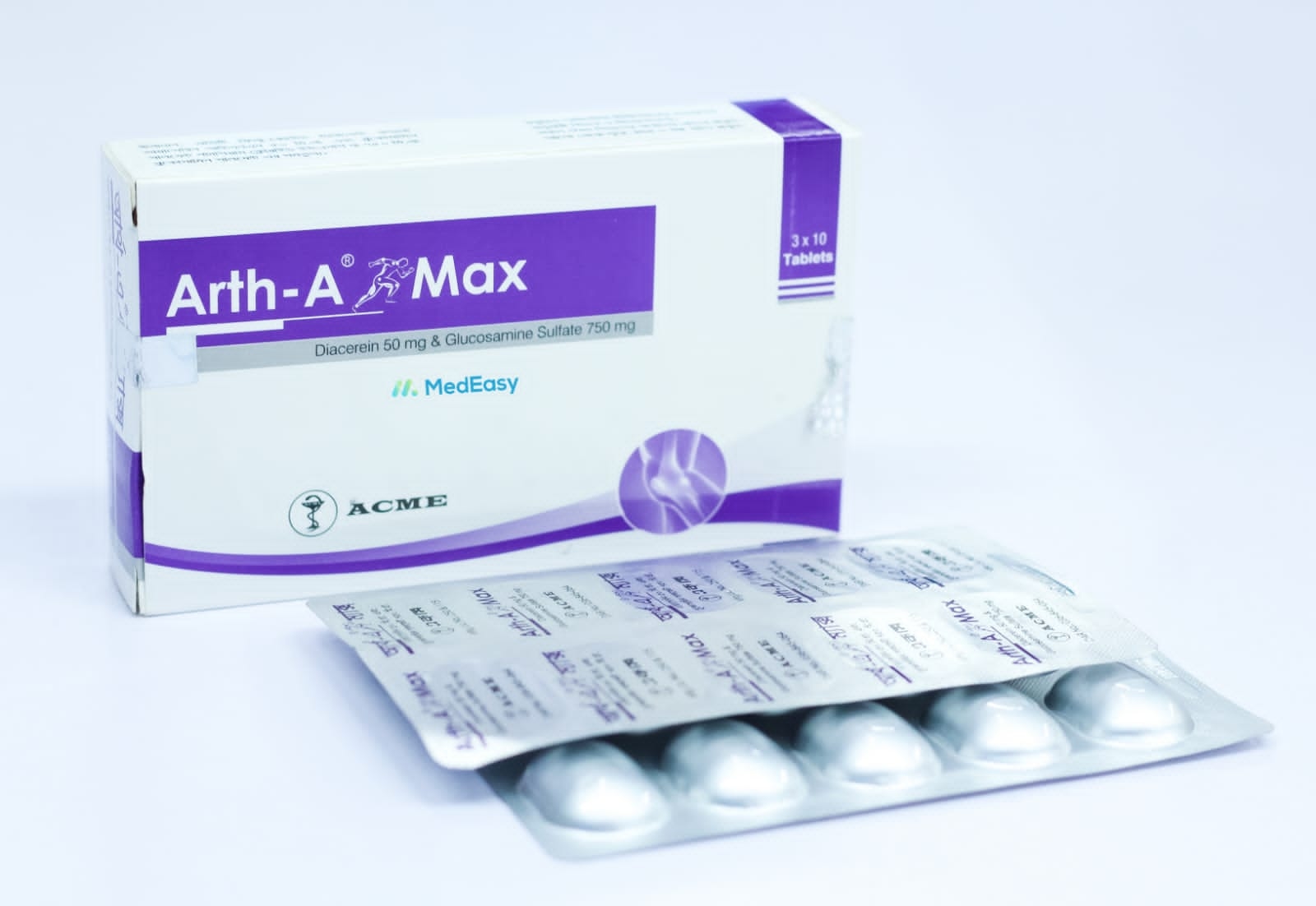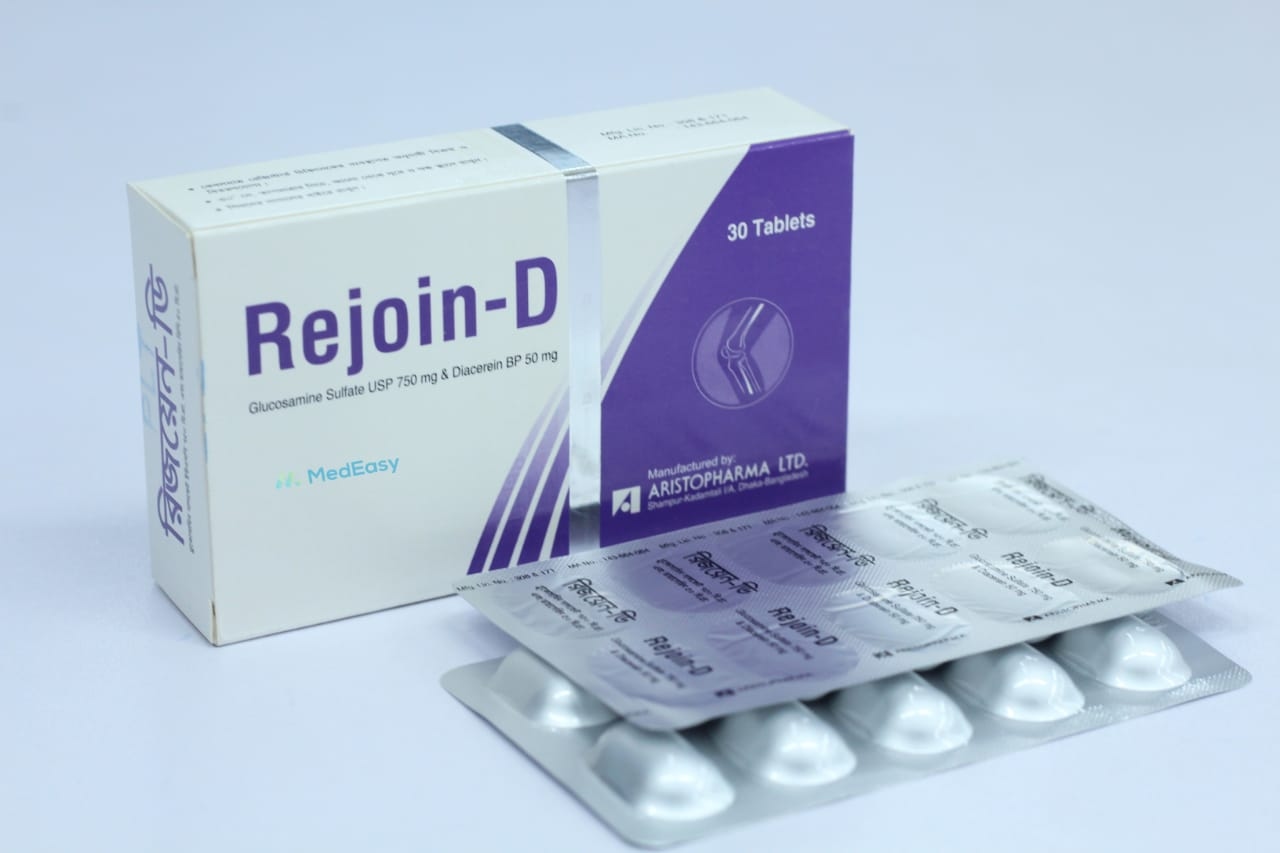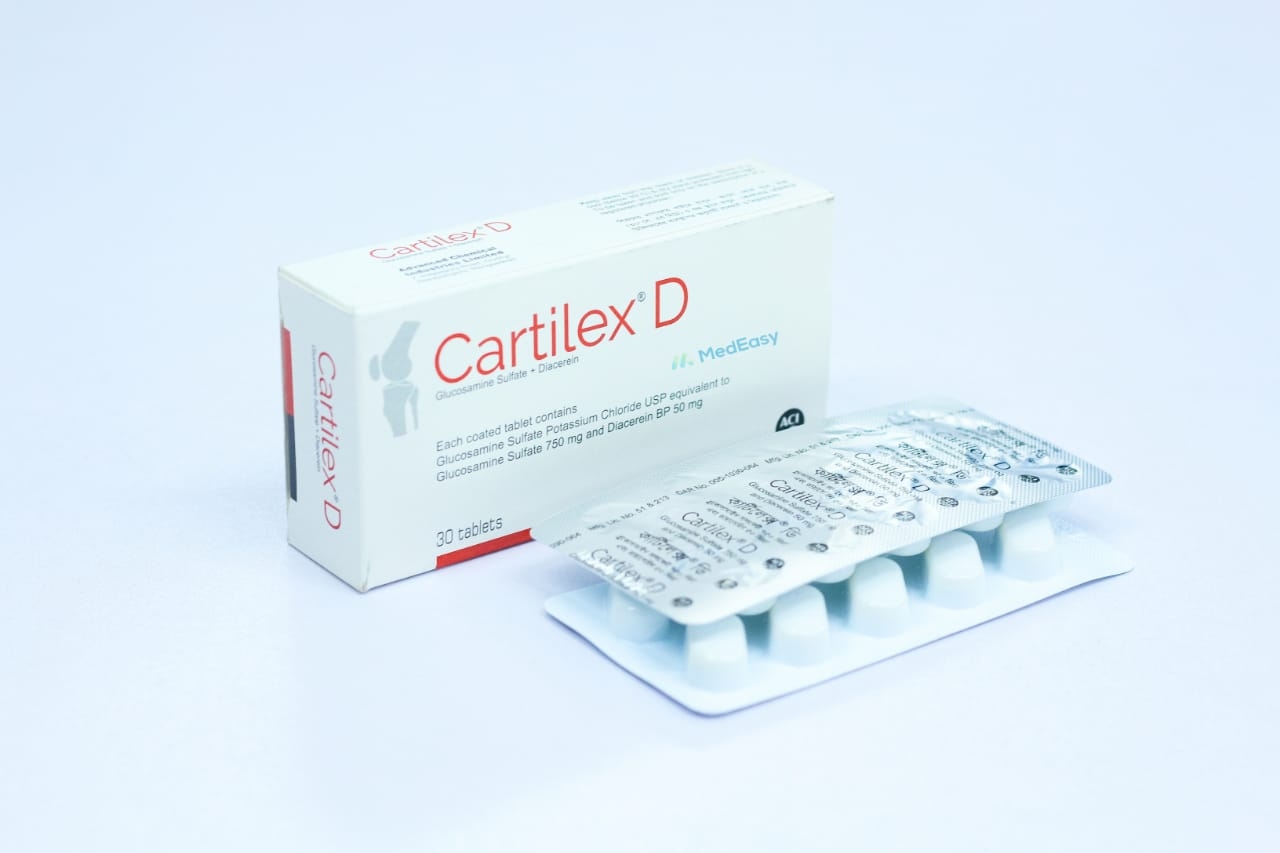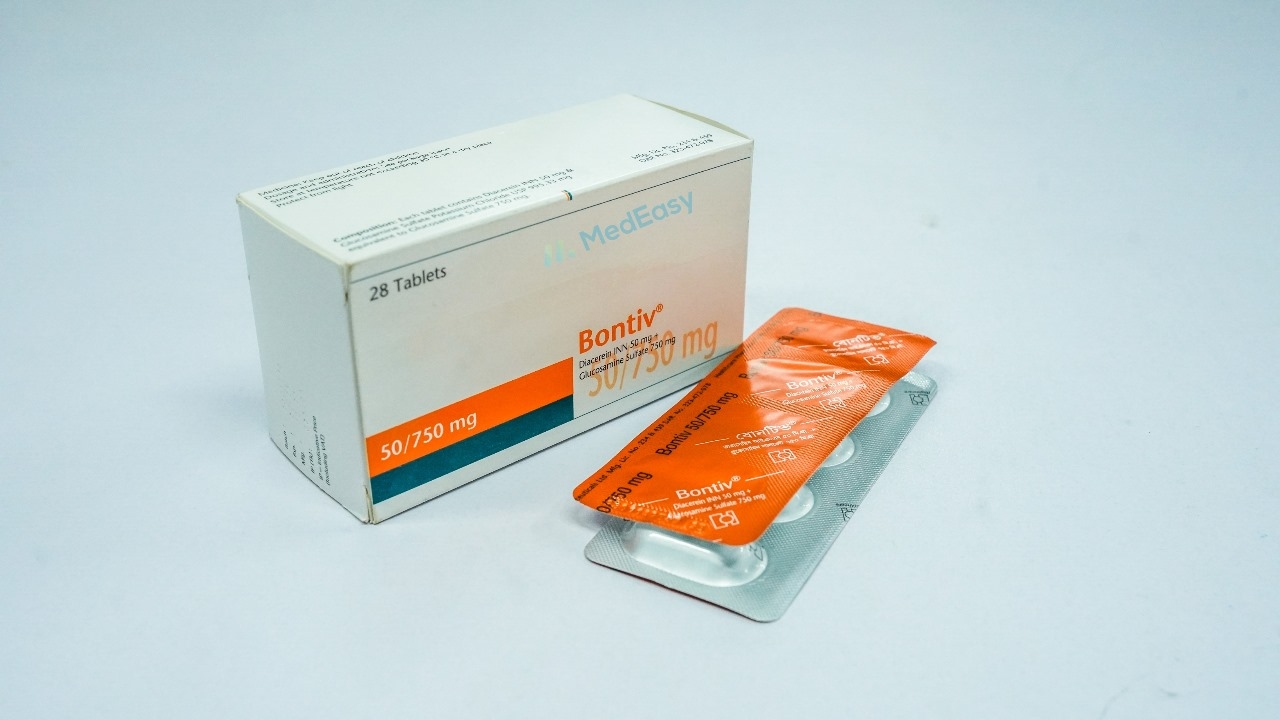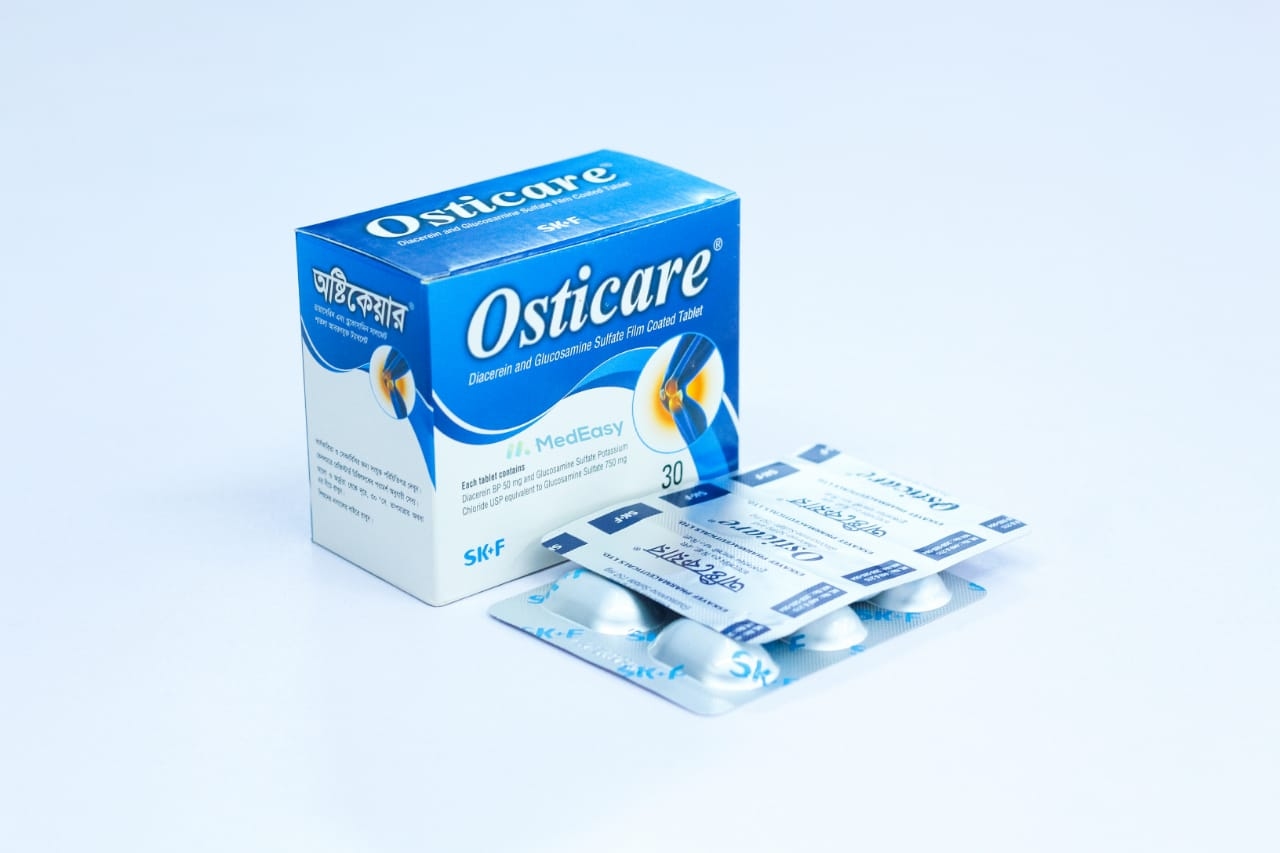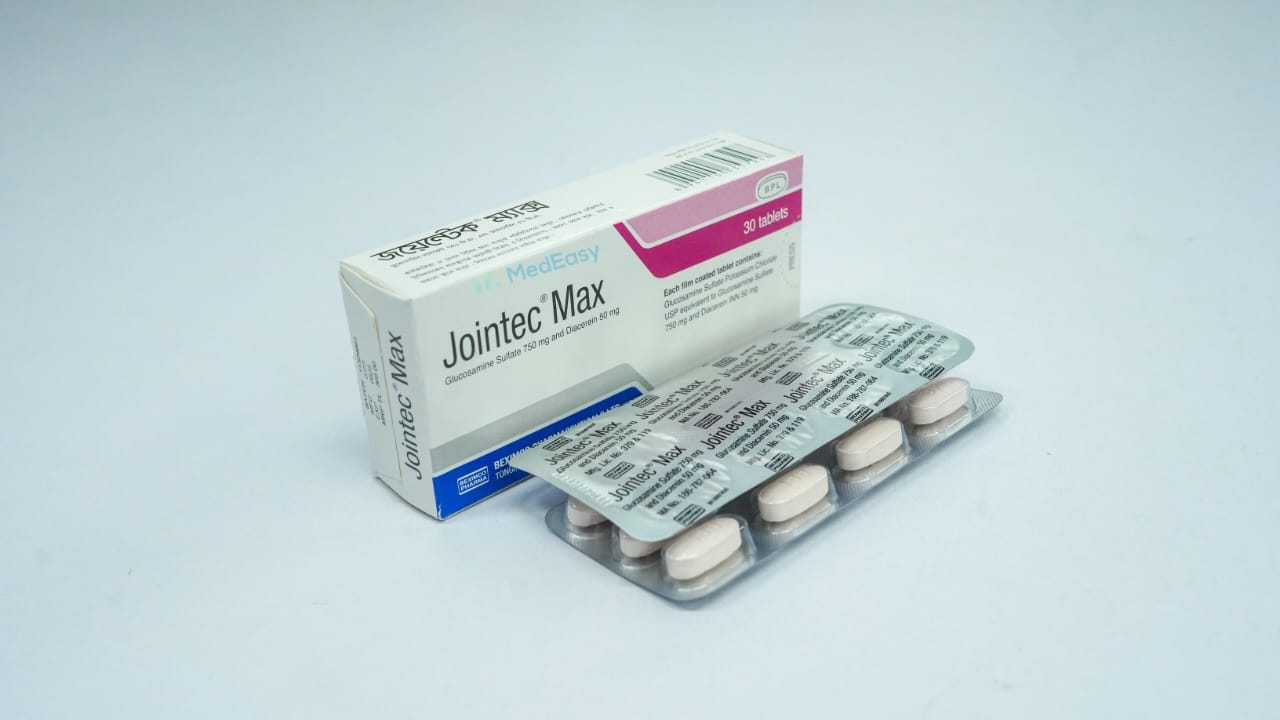
Generic medicine

Glucosamine Sulphate + Diacerein: Brands, Price & Uses in Bangladesh

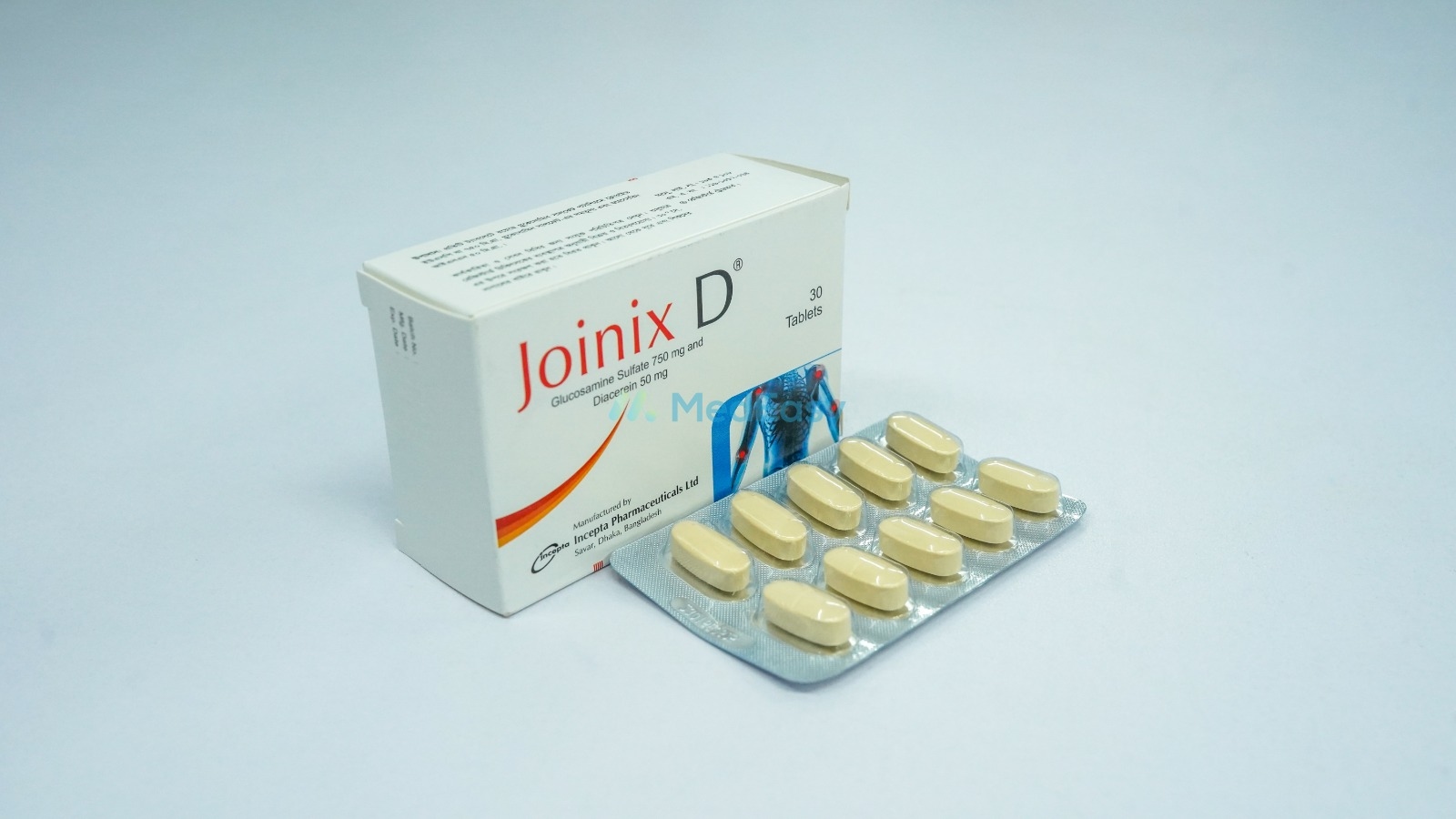
Glucosamine Sulphate + Diacerein is a fixed-dose combination used for the symptomatic management of osteoarthritis (OA), most commonly of the knee and hip.

Forms:Tablet

About Glucosamine Sulphate + Diacerein

Indications of Glucosamine Sulphate + Diacerein

Glucosamine Sulphate + Diacerein is a fixed-dose combination used for the symptomatic management of osteoarthritis (OA), most commonly of the knee and hip.

  • Guideline/market-supported use: Glucosamine Sulphate + Diacerein is used as a Symptomatic Slow-Acting Drug for Osteoarthritis (SYSADOA)-type combination for relief of pain and stiffness of osteoarthritis. Diacerein is authorised in a number of countries (with restricted use in the EU, limited to hip/knee OA) for this purpose; glucosamine sulfate is authorised as a medicinal product for osteoarthritis symptom relief in some regions (e.g. parts of Europe), while it is sold as a dietary supplement in others (e.g. the United States), where evidence of benefit is considered modest and inconsistent.
  • Adjunct use: Glucosamine Sulphate + Diacerein is generally used as an adjunct to standard first-line measures (weight control, physiotherapy/exercise, and short-term analgesics/NSAIDs when required), not as a substitute for them.
  • Off-label/limited-evidence use: Use in other joint conditions (e.g. as a supportive measure in rheumatoid arthritis or generalized bone/joint discomfort) is not well established by controlled trials and should be considered off-label; it should only be used for this purpose on a physician's specific advice.

Glucosamine Sulphate + Diacerein has a slow onset of action (clinical benefit is usually assessed after several weeks), so it is not intended for acute pain relief.

Dosage & Administration of Glucosamine Sulphate + Diacerein

Adults (Osteoarthritis of knee/hip)

PopulationRecommended dose of Glucosamine Sulphate + Diacerein
AdultsOne tablet (Glucosamine Sulphate 750 mg + Diacerein 50 mg) twice daily with food, i.e. total Glucosamine Sulphate 1500 mg + Diacerein 100 mg per day, or as directed by the physician.

To reduce the likelihood of diarrhea, some physicians prefer to start diacerein-containing products at a lower daily dose for the first 2–4 weeks before increasing to the standard maintenance dose; follow your physician's specific instructions for Glucosamine Sulphate + Diacerein, which may differ from this general principle for the individual diacerein component.

Children

Not recommended; safety and efficacy of Glucosamine Sulphate + Diacerein in patients under 18 years have not been established (see Pediatric Use).

Renal/Hepatic impairment

Glucosamine Sulphate + Diacerein is contraindicated in severe hepatic or severe renal impairment (see Contraindications). In mild-to-moderate impairment, use with caution and under medical supervision; periodic monitoring of liver function is advised (see Precautions and Warnings).

Side Effects of Glucosamine Sulphate + Diacerein

The most common and dose-limiting side effect of Glucosamine Sulphate + Diacerein is diarrhea/loose stools (due to the diacerein component), which is usually mild-to-moderate, often occurs early in treatment, and may require dose reduction or discontinuation if severe or persistent.

  • Very common/common: diarrhea, soft stools, abdominal pain, nausea, vomiting.
  • Common: headache, skin rash, itching (pruritus), eczema.
  • Uncommon but clinically important: elevated liver enzymes/hepatic dysfunction (see Precautions and Warnings), harmless yellow/pink discoloration of urine (from the rhein metabolite).
  • Rare: severe skin/hypersensitivity reactions.

Seek prompt medical attention for persistent or severe diarrhea, signs of liver problems (yellowing of skin/eyes, dark urine unrelated to the expected harmless discoloration, unusual fatigue, right upper abdominal pain), or any severe allergic reaction while taking Glucosamine Sulphate + Diacerein.

Contraindications of Glucosamine Sulphate + Diacerein

  • Known hypersensitivity to glucosamine, diacerein, other anthraquinone derivatives, or any excipient of Glucosamine Sulphate + Diacerein.
  • Severe hepatic impairment or a history of liver disease/hepatotoxicity.
  • Severe renal impairment.
  • Pregnancy and breastfeeding (see Pregnancy and Lactation).

Frequently Asked Questions about Glucosamine Sulphate + Diacerein

What is Glucosamine Sulphate + Diacerein used for?

Glucosamine Sulphate + Diacerein is used to relieve the pain and stiffness of osteoarthritis, most often of the knee or hip. It works gradually over weeks rather than providing immediate pain relief, so it is usually combined with other measures such as exercise, weight management, and short-term pain relievers when needed.

Why does Glucosamine Sulphate + Diacerein cause diarrhea, and what should I do about it?

The diacerein component of Glucosamine Sulphate + Diacerein commonly causes diarrhea or loose stools, especially in the first weeks of treatment. Keep well hydrated and take the tablet with food. If diarrhea is severe, persistent, or you notice signs of dehydration, stop Glucosamine Sulphate + Diacerein and contact your physician.

Can I take Glucosamine Sulphate + Diacerein if I am pregnant or breastfeeding?

No. Glucosamine Sulphate + Diacerein is contraindicated during pregnancy and breastfeeding because safety in this setting has not been established. If you are pregnant, planning pregnancy, or breastfeeding, do not take Glucosamine Sulphate + Diacerein and discuss alternative options for joint symptoms with your physician.

Is Glucosamine Sulphate + Diacerein safe for my liver?

Glucosamine Sulphate + Diacerein should be avoided in people with severe liver disease, and liver enzyme elevation has been reported with the diacerein component. Your physician may check liver function tests before and during treatment. Stop Glucosamine Sulphate + Diacerein and seek medical advice promptly if you notice yellowing of the skin/eyes, unusual fatigue, or abdominal pain.

I am allergic to shellfish — can I take Glucosamine Sulphate + Diacerein?

Use caution. The glucosamine component of Glucosamine Sulphate + Diacerein is often derived from shellfish shells, so people with a shellfish allergy should check the product source with their pharmacist and use Glucosamine Sulphate + Diacerein only after discussing the risk with a physician.

How long does it take for Glucosamine Sulphate + Diacerein to work, and how long should I take it?

Glucosamine Sulphate + Diacerein has a slow onset of action; noticeable benefit is usually assessed after 4–6 weeks of regular use. Your physician will advise how long to continue based on your response, and treatment should be reviewed periodically rather than continued indefinitely without follow-up.

Disclaimer

The information provided is accurate to the best of our knowledge, but it does not replace professional medical advice. We cannot guarantee its completeness or accuracy, and the absence of specific information about a drug should not be taken as an endorsement. We are not responsible for any consequences arising from this information, so please consult a healthcare professional for any concerns or questions.

DoctorBlogArticles